
Why Finding the Right Anti Itching Medication for Dogs Matters More Than You Think
The best anti itching medication for dogs depends on the cause and severity of the itch. Here is a quick overview:
| Treatment Type | Best For | Onset | Prescription Needed? |
|---|---|---|---|
| Apoquel (oclacitinib) | Allergic & atopic dermatitis | ~4 hours | Yes |
| Cytopoint (lokivetmab) | Allergic dermatitis | 1-2 days | Yes (injection) |
| Zenrelia (ilunocitinib) | Allergic & atopic dermatitis | Fast (first dose) | Yes |
| Numelvi (atinvicitinib) | Allergic & atopic dermatitis | 2-4 hours | Yes |
| Steroids (prednisone) | Mild to severe allergies | Hours | Yes |
| Antihistamines (Benadryl) | Mild itching | Variable | No |
| Pramoxine shampoo | Localized skin irritation | Immediate (topical) | No |
| Omega-3 supplements | Supportive skin health | Weeks | No |
If your dog is constantly scratching, licking their paws, or rubbing their face on the carpet, you already know how distressing it is, for them and for you. Itchy skin, known medically as pruritus, is one of the most common reasons dog owners visit the vet. And it makes sense, persistent scratching can break down the skin barrier, inviting bacteria and yeast infections that make the problem even worse.
The good news? There are more effective treatment options available today than ever before, ranging from fast-acting prescription medications to simple at-home remedies.
I'm Nabilah Shamseddine, entrepreneur and leader at BARKology Wellness, where our team is passionate about premium, whole-dog wellness. While navigating anti itching medication for dogs alongside the pet owners we serve every day has deepened my understanding of how closely skin health connects to overall wellbeing. In the sections below, we'll walk you through everything you need to know to help your dog feel comfortable again.
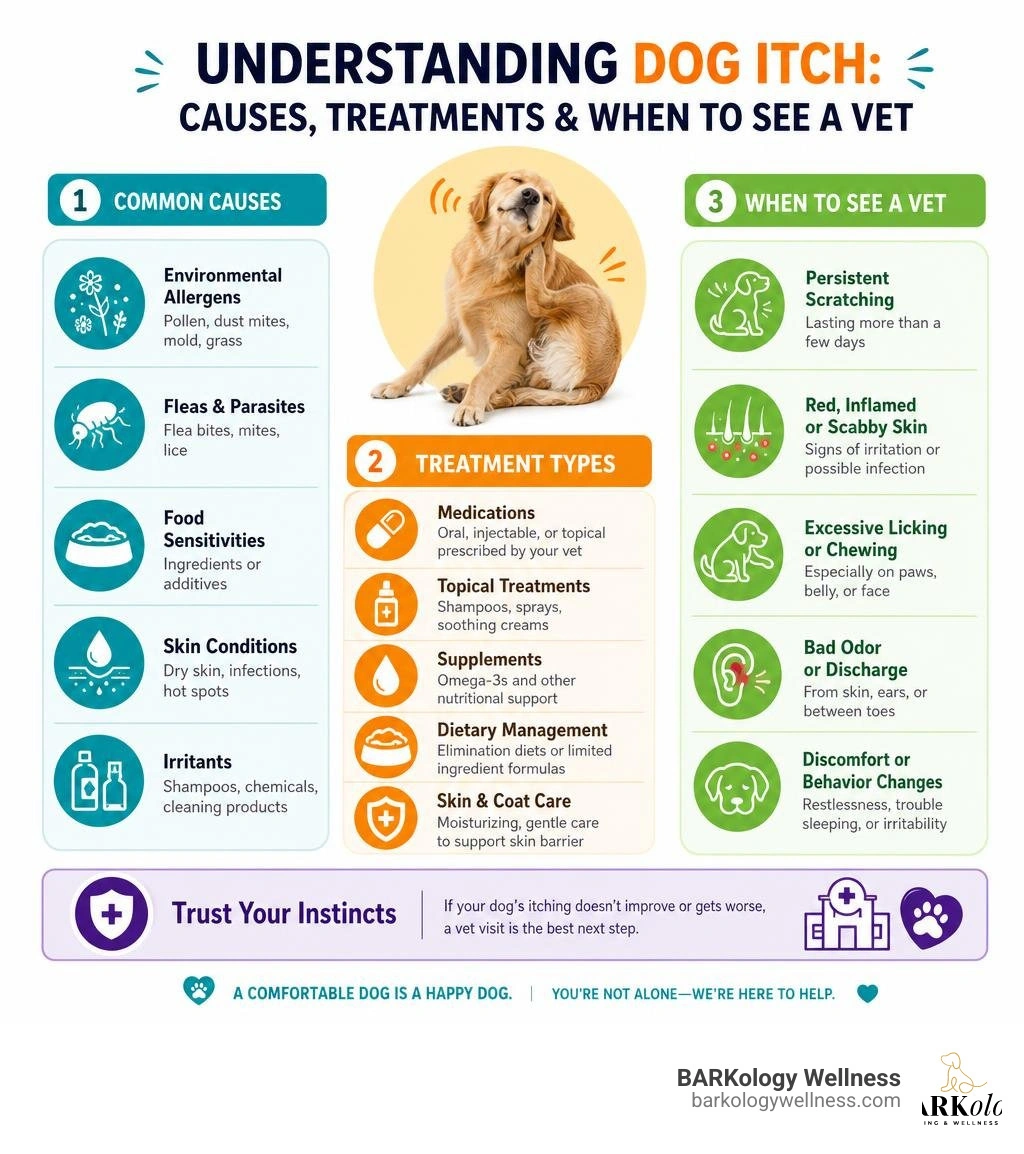
Handy anti itching medication for dogs terms:
What Causes Your Dog to Scratch?

Before we can choose the perfect anti itching medication for dogs, we have to play detective. Scratching is a symptom, not a diagnosis. In our sunny Tampa FL climate, the environmental triggers are virtually year-round. According to local reporting on how Spring allergies stink for Tampa Bay pets, too - Axios , our high humidity and perpetual pollen counts mean local dogs face a constant barrage of skin irritants.
The most common culprits behind canine itching include:
- Environmental Allergies (Atopy): Just like humans react to pollen, mold, and dust mites with runny noses, dogs react through their skin. This chronic condition, known as canine atopic dermatitis, typically manifests as itchy paws, bellies, and ears.
- Flea Allergy Dermatitis (FAD): It doesn't take a full infestation to make a dog miserable. In dogs with FAD, a single bite from flea saliva triggers an intense, allergic reaction. Keeping up with modern preventatives is crucial, as demonstrated in the Evaluation of fluralaner and afoxolaner treatments to control flea ... .
- Food Sensitivities: While less common than environmental allergies, some dogs develop sensitivities to specific proteins (like chicken or beef) they have eaten for years, resulting in itchy skin and chronic ear infections.
- Dry Skin: Our air-conditioned indoor spaces in South Tampa FL can strip moisture from your dog's coat, leading to a classic case of dry skin dog discomfort.
- Secondary Infections: Once a dog scratches and breaks the skin barrier, opportunistic bacteria and yeast rush in. These secondary infections cause intense itching of their own, creating a vicious cycle.
Types of Anti Itching Medication for Dogs
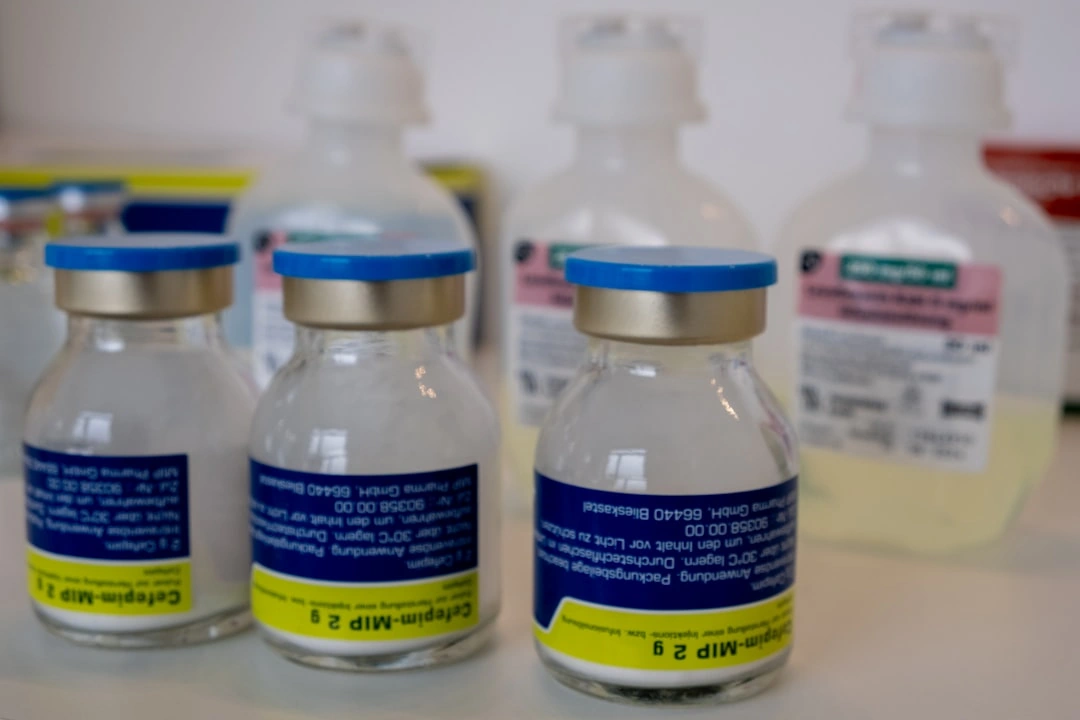
When it comes to breaking the itch cycle, veterinary medicine has made incredible strides. We no longer have to rely solely on heavy-duty steroids that leave your dog constantly thirsty and panting. Today, we have targeted dog skin treatments designed to stop the itch right at the cellular level.
Here is a breakdown of how the primary classes of anti itching medication for dogs operate:
| Medication Class | How It Works | Common Examples | Best Used For |
|---|---|---|---|
| JAK Inhibitors | Blocks the JAK pathway to stop itch signals reaching the brain | Apoquel, Numelvi, Zenrelia | Atopic dermatitis, flare-ups, and long-term control |
| Monoclonal Antibodies | Mimics natural proteins to neutralize the itch-causing cytokine IL-31 | Cytopoint | Environmental allergies, dogs with liver/kidney issues |
| Corticosteroids | Broadly reduces inflammation and suppresses the immune response | Prednisone, Temaril-P | Short-term crisis busting, severe acute flare-ups |
| Immunosuppressants | Calms an overactive immune system over a longer period | Atopica (Cyclosporine) | Chronic, severe atopic dermatitis |
| Antihistamines | Blocks histamine receptors | Benadryl, Zyrtec | Very mild seasonal allergies or insect bites |
Prescription Oral Anti Itching Medication for Dogs
If your dog is suffering from moderate to severe pruritus, your veterinarian will likely recommend a prescription oral medication. These are highly effective and can provide rapid relief.
- Oclacitinib (Apoquel): As the top-prescribed oral medicine for canine allergic itch, Apoquel has a proven track record. It is a selective Janus kinase (JAK) inhibitor that targets the specific cytokines responsible for itch and inflammation. It starts working in as little as 4 hours. You can read more about its safety profile over the last decade via Think FAST | For Animal Healthcare Professionals .
- Atinvicitinib (Numelvi): This represents the next generation of targeted relief. Numelvi is a highly-selective, second-generation JAK inhibitor. It is at least 10-fold more selective for JAK1 over other JAK enzymes, meaning it preserves more of your dog's natural immune functions. It is approved for puppies as young as 6 months old and starts working within 2 to 4 hours. Learn more about this innovative treatment at Numelvi (atinvicitinib tablets) for Dogs and read the announcement details on MSD Animal Health Launches NUMELVI® (atinvicitinib) Tablets for Dogs – A Veterinary Innovation in Fast, Effective and Safe Targeted Itch Relief - MSD Animal Health or review the Numelvi® | MSD Animal Health HUB .
- Ilunocitinib (Zenrelia): Approved in 2024, Zenrelia is another once-daily JAK inhibitor that controls itching associated with allergic and atopic dermatitis. While highly effective, it comes with a boxed warning regarding vaccine responses, meaning you must pause the medication around your dog's vaccination schedule. Check out the details on Zenrelia™ (ilunocitinib tablets) Once-Daily Itch Treatment .
- Cyclosporine (Atopica): Before JAK inhibitors, Atopica was a go-to for chronic allergies. However, it takes 4 to 8 weeks to reach full efficacy, and about 30% of dogs experience temporary vomiting or diarrhea when starting it.
- Prednisone (Steroids): Steroids are incredibly fast and inexpensive, making them excellent "crisis busters" for severe flare-ups. However, because of side effects like extreme hunger, frequent urination, muscle wasting, and long-term organ stress, they are rarely used as a maintenance therapy anymore.
Injectable and Targeted Therapies
For pet parents who struggle to administer daily pills, or for dogs with pre-existing conditions that rule out oral medications, injectable therapies are a game-changer.
- Lokivetmab (Cytopoint): This is not a drug in the traditional sense; it is a biological therapy. Cytopoint is a monoclonal antibody injection that mimics your dog's natural immune system to target and neutralize IL-31, the specific protein that sends itch signals to the brain. It starts working within 24 hours and a single injection lasts 4 to 8 weeks. Because it is processed like natural proteins, it is exceptionally safe for dogs of all ages, even those with liver or kidney disease.
- Allergen-Specific Immunotherapy (Allergy Shots): Considered the gold standard for environmental allergies, this treatment involves testing your dog to identify their exact triggers, then administering customized shots (or oral drops) to desensitize their immune system over time. It boasts a 50% to 80% success rate, though it can take up to a year to show full results.
Topical Treatments vs. Oral Supplements: Which is Best?
When looking for the best anti itching medication for dogs, you will face a choice: do you treat from the outside in (topicals) or the inside out (oral supplements)?
The truth is, they work best when paired together. Topical therapies provide immediate, localized relief to hot spots and irritated patches, while oral supplements strengthen the skin barrier from within.
If you are managing dry or mildly irritated skin, a consistent dry skin treatment routine can prevent mild itching from turning into a full-blown medical issue. Integrating high-quality topicals into your routine dog skin care regimen keeps the skin supple and less reactive to environmental allergens.
Key Ingredients to Look For:
- Pramoxine Hydrochloride: A safe, mild topical anesthetic that temporarily numbs the skin to stop the urge to scratch.
- Colloidal Oatmeal: Naturally anti-inflammatory, it coats the skin to lock in moisture and soothe hot, red bellies.
- Omega-3 Fatty Acids (EPA/DHA): Fish oil supplements help rebuild the lipid barrier of the skin, reducing overall reactivity over several weeks.
- Pure Aloe Vera & Coconut Oil: Excellent for moisturizing dry elbows and cracked paws, though coconut oil should be used sparingly to avoid clogged pores.
Over-the-Counter Anti Itching Medication for Dogs
For mild, occasional itching, there are several highly-rated over-the-counter options. On Amazon alone, there are over 5,000 results for dog itch relief, showing just how common this struggle is.
If you are looking for immediate relief during bath time, a formulation like Pramoxine Anti-Itch Shampoo utilizes 1% pramoxine hydrochloride alongside colloidal oatmeal to alleviate flaking and scratching.
For highly rated commercial products, you can explore the Amazon Best Sellers: Best Dog Itch Remedies . Some of the most popular options include:
- Veterinary Formula Clinical Care Hot Spot & Itch Relief: Boasting over 40.7K reviews (with 20K+ bought in the past month), this spray is a favorite for rapid, localized relief.
- Zesty Paws Dog Allergy Relief: With 110.9K reviews (and 30K+ bought in the past month), these chewable supplements utilize wild Alaskan salmon oil, colostrum, and apple cider vinegar to support skin health from the inside out.
- Natural Dog Company Skin Soother: This organic, herbal balm has over 45.6K reviews and is perfect for treating localized dry patches, minor wounds, and itchy paws.
For mild cases, you can also explore canine dermatitis home remedies, such as cooled chamomile tea rinses or diluted apple cider vinegar sprays (just be sure never to apply vinegar to open wounds!).
Safety, Side Effects, and Choosing the Right Treatment
While modern anti itching medication for dogs is incredibly safe, no medical treatment is entirely without risk. It is vital to work closely with your veterinarian to monitor your dog's health, especially when using systemic prescriptions.
Here are a few safety considerations to keep in mind:
- Vaccine Interactions: As mentioned, newer JAK inhibitors like Zenrelia require a strict vaccination buffer. Because these drugs lightly suppress certain immune pathways, giving a modified live vaccine while on the medication can lead to an inadequate immune response or, in rare cases, vaccine-induced illness.
- Puppy Age Restrictions: Always check age limits. Apoquel and Zenrelia are only approved for dogs over 12 months of age, whereas Numelvi is safe for puppies as young as 6 months.
- Organ Monitoring: If your dog is on long-term steroids or cyclosporine, regular blood work is essential to ensure their liver and kidneys are handling the medication smoothly.
- Drug Combinations: Never combine steroids with NSAIDs (common pain medications), as this can cause severe gastrointestinal ulcers or kidney failure.
Finding true itchy skin dog relief requires a tailored approach. What works wonders for a senior dog with arthritis might not be safe for a growing puppy.
Frequently Asked Questions about Dog Itch Relief
Can I give my dog human antihistamines like Benadryl?
Yes, but only under veterinary guidance. While human antihistamines like Benadryl (diphenhydramine) or Zyrtec (cetirizine) are generally safe for dogs, they are far less effective in canines than they are in humans. This is because dogs have mast cells concentrated primarily in their skin rather than their respiratory tract, and histamines play a smaller role in their overall itch pathway. Never use antihistamines that contain decongestants (like pseudoephedrine), as these are highly toxic to dogs.
How long does it take for prescription anti-itch medications to work?
It depends on the medication. Fast-acting JAK inhibitors like Apoquel and Numelvi start providing relief in as little as 2 to 4 hours. Cytopoint injections typically take 24 to 48 hours to show a noticeable reduction in scratching. Steroids work within a few hours, while Atopica (cyclosporine) can take 4 to 8 weeks to reach full efficacy.
When should I take my dog to the vet for itching?
You should consult a veterinarian if your dog's scratching is constant, if they are losing hair, or if their skin is red, warm to the touch, or emitting a musty odor. If your dog has broken the skin and created open sores or "hot spots," professional treatment is required to clear up secondary bacterial or yeast infections.
Conclusion
Managing an itchy dog can feel overwhelming, but with the right blend of veterinary science, premium home care, and preventive maintenance, you can restore your dog's peace of mind (and yours, too!).
At BARKology South Tampa, we believe that healthy skin starts with smart, holistic care. Regular professional grooming plays a massive role in managing allergies. Our luxury baths wash away environmental allergens like Tampa's seasonal pollen and dust before they can penetrate the skin barrier. Plus, our professional groomers are trained to spot early signs of ear infections, hot spots, and mats that block airflow and trap moisture.
Let us pamper your pup while keeping their skin in peak condition. Schedule a professional grooming and wellness consultation with our South Tampa team today!