
Your Dog Won't Stop Scratching, Here's What Actually Helps
If you're looking for the best anti itching shampoo for dogs, here are the top options to consider:
| Shampoo Type | Best For | Key Ingredients |
|---|---|---|
| Medicated | Infections, hot spots, seborrhea | Chlorhexidine, hydrocortisone, pramoxine |
| Oatmeal-based | Dry, sensitive, or allergy-prone skin | Colloidal oatmeal, aloe vera |
| Natural/botanical | Mild irritation, regular maintenance | Calendula, chamomile, manuka honey |
| Antifungal/antibacterial | Yeast or bacterial skin issues | Ketoconazole, miconazole, chlorhexidine |
| Probiotic | Microbiome support, recurring itch | Probiotic blends, coconut oil, aloe |
A dog that won't stop scratching is one of the most frustrating things to watch. Anti itching shampoo for dogs is often the first, and smartest, place to start.
The right shampoo can soothe irritated skin, wash away allergens, and support your dog's skin barrier. But with over 1,000 options on Amazon alone, choosing the right one isn't obvious.
Not all itching has the same cause. Allergies, yeast, bacteria, dry skin, and parasites each call for a different formula. Using the wrong shampoo can make things worse, or at best, do nothing.
This guide cuts through the noise. We'll walk you through the best options, what ingredients to look for, and how to use them correctly.
I'm Nabilah Shamseddine, franchise entrepreneur and leader at BARKology Wellness, where I've spent years developing premium, health-focused grooming experiences that treat your dog's skin as seriously as their overall wellbeing. My work in pet wellness has given me hands-on insight into what actually works when dogs struggle with itchy, irritated skin, including which anti itching shampoos for dogs deliver real results and which ones fall short.
Easy anti itching shampoo for dogs word list:
Understanding Canine Pruritus: Why Is Your Dog Itchy?

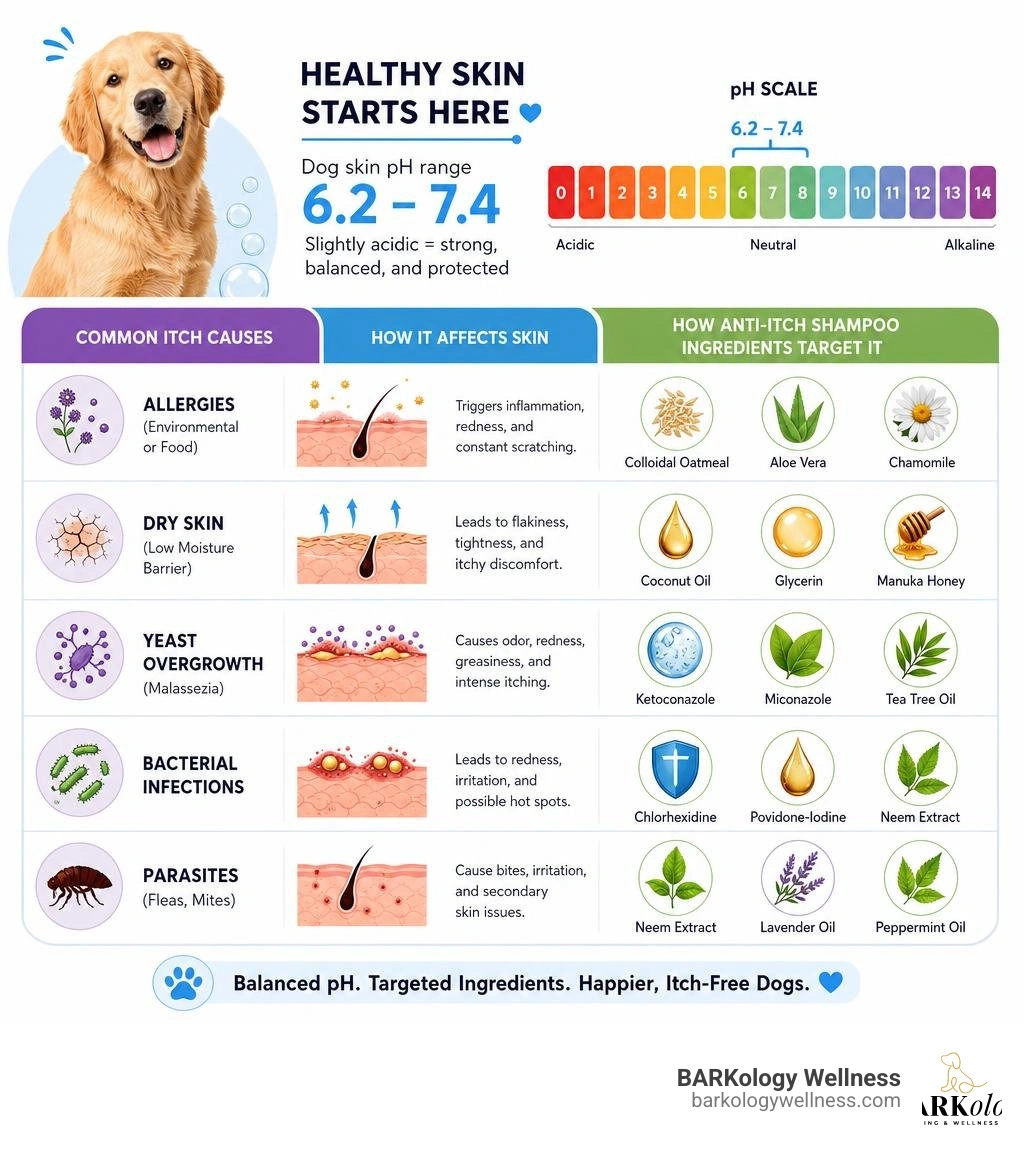
Pruritus is the scientific term for itching, and in dogs, it can manifest as scratching, biting, chewing, licking, or rubbing against furniture. To find lasting Itchy Skin Dog Relief, we must first understand what is triggering the itch. Simply washing the dog with any random soap won't solve the problem if the root cause remains unaddressed. According to Pruritus (Itching) in Dogs - VCA Animal Hospitals, the primary causes of itching in dogs fall into several distinct categories:
- Environmental Allergies (Atopy): Just like humans, dogs can be allergic to pollen, grass, dust mites, and mold. In places with high humidity and year-round warmth like Tampa, Florida, environmental allergen exposure is constant. This leads to a condition known as canine atopic dermatitis.
- Flea Allergy Dermatitis (FAD): It doesn't take a massive flea infestation to make a dog miserable. In hypersensitive dogs, a single flea bite can trigger a full-body histamine reaction, resulting in intense scratching, hair loss, and scabbing around the lower back and tail base.
- Bacterial and Yeast Infections: Allergic dogs often damage their own skin barrier by scratching. This allows normal skin microbes, such as Staphylococcus pseudintermedius bacteria or Malassezia yeast, to multiply uncontrollably, leading to secondary infections, localized hot spots, and a distinct "corn chip" odor.
- Dry, Flaky Skin: Low humidity indoors, harsh grooming chemicals, or nutritional deficiencies can strip the coat of natural oils, leading to dandruff and localized irritation.
- Parasites: Sarcoptic mange, demodectic mange, and mites can burrow into the skin, causing severe, relentless itching and crusting.
Using a targeted shampoo as part of your routine Dog Skin Care regimen helps physically wash away surface allergens, reduce microbial populations, and soothe irritated nerve endings.
Choosing the Right Anti Itching Shampoo for Dogs
Selecting the right product requires looking past marketing buzzwords and examining the ingredient list. When browsing Anti Itch Dog Shampoo - Amazon.com or consulting resources like What Are the Best Dog Shampoos for Itchy Skin? - Chewy , you will find that shampoos generally fall into two categories: medicated formulas designed to treat active infections or severe inflammation, and natural, moisturizing formulas designed for maintenance and mild allergies.
According to the How to Choose the Best Dog Shampoo - American Kennel Club, a dog's shampoo must be specifically formulated for canine skin pH. While human skin is acidic (around 4.5 to 5.5), a dog’s skin is much more neutral to alkaline (typically ranging from 6.2 to 7.4). A high-quality Dry Skin Treatment or anti-itch shampoo will respect this balance while delivering active ingredients that support the skin barrier.
Let's break down the two main formulation types so you can determine which route is best for your pup's Dog Skin Treatments.
When to Use a Medicated Anti Itching Shampoo for Dogs
Medicated shampoos are formulated with FDA-regulated active ingredients designed to address specific medical issues, such as bacterial pyoderma, yeast overgrowth, hot spots, or severe allergic inflammation.
Here are the most common active ingredients found in medicated shampoos and how they work:
- Chlorhexidine Gluconate: A powerful antiseptic agent that provides broad-spectrum activity against bacteria and yeast. For example, Pet Honesty Chlorhexidine Cat & Dog Seasonal Itch Relief Shampoo (which boasts over 10,249 reviews and a 4.6-star rating on Amazon) uses chlorhexidine alongside ketoconazole to target secondary infections. Another highly popular option is Douxo S3 Pyo Shampoo, which has 5,199 reviews and a 4.6-star rating, prized for its ability to clear up pyoderma while protecting the skin barrier.
- Pramoxine Hydrochloride: A mild topical anesthetic that temporarily numbs the nerve endings in the skin, providing rapid relief from intense itching. You can find this in specialized formulas like Pramoxine Anti-Itch Shampoo , which combines the anesthetic with colloidal oatmeal to stop the scratch-itch cycle.
- Hydrocortisone & Lidocaine: Hydrocortisone is a mild corticosteroid that reduces redness, swelling, and localized inflammation, while lidocaine numbs painful areas. The Veterinary Formula Clinical Care Hot Spot & Itch Relief Medicated Shampoo (with 37,545 reviews and a 4.4-star rating) is a prime example of a fast-acting formula that uses these ingredients to soothe angry, chewing-induced hot spots. You can learn more about this specific product via the Hot Spot & Itch Relief Medicated Shampoo | For Dogs and Cats | Soothe Itchy Skin From Allergies and Hot Spots | Veterinary Formula page.
- Salicylic Acid, Coal Tar, & Sulfur: These keratolytic agents help exfoliate dead skin cells, reduce scaling, and control excess oil production associated with seborrheic dermatitis. Products like Label: ITCH NO MORE- salicylic acid shampoo and the Antiparasitic & Antiseborrheic Medicated Shampoo | For Dogs | Exfoliate Dry Skin | Veterinary Formula use these heavy-hitting ingredients to treat scaling, crusting, and parasitic skin issues like mange. Coal tar formulas are strictly for dogs and should never be used on cats.
Benefits of a Natural Anti Itching Shampoo for Dogs
If your dog suffers from seasonal allergies, mild dry skin, or simply needs a gentle bath after playing outside in the Tampa pollen, a natural anti-itch shampoo is often the ideal choice. These soap-free formulas cleanse the skin without stripping away essential natural oils, making them safe for frequent use.
Key botanical and natural ingredients to look for include:
- Colloidal Oatmeal: A gold-standard natural ingredient that forms a protective barrier on the skin, locking in moisture and calming irritation. Best-sellers like Wahl USA Dry Skin & Itch Relief Pet Shampoo (which has an incredible 36,938 reviews and over 20K purchases in the past month) rely heavily on oatmeal and aloe to soothe itching.
- Aloe Vera & Chamomile: These plants possess natural anti-inflammatory and cooling properties that immediately take the sting out of irritated skin.
- Manuka Honey: Highly praised for its natural antibacterial and skin-healing properties, manuka honey helps restore compromised skin. You can find this paired with chamomile in Burt's Bees® for Pets Anti-Itch Dog Shampoo - Manuka Honey & Chamomile 16 oz .
- Calendula: Known for its gentle, calming effects on sensitive or allergy-prone skin, as seen in the plant-based Anti-Itch Dog Shampoo | ALZOO™ .
- Probiotics: A newer, innovative approach to Dog Coat Care involves topical probiotics. Products like Probiotic Itch Relief Dog Shampoo | Kahoots Pet use beneficial bacteria to support the skin's natural microbiome, crowding out harmful yeast and bacteria that trigger itching and odor.
For those looking for regional favorites, you can also explore options available at local boutiques like the Tropiclean Store In Tampa - Raw Dog Food to find gentle, tropical-infused natural washes.
How to Properly Bathe an Itchy Dog
Simply applying shampoo and rinsing it off immediately won't give the active ingredients enough time to work. To get the maximum benefit from your anti itching shampoo for dogs, follow this step-by-step therapeutic bathing process:
- Use Lukewarm Water: Never use hot water, as it dilates blood vessels and can actually worsen itching and skin inflammation. Cool to lukewarm water is much more soothing to irritated skin.
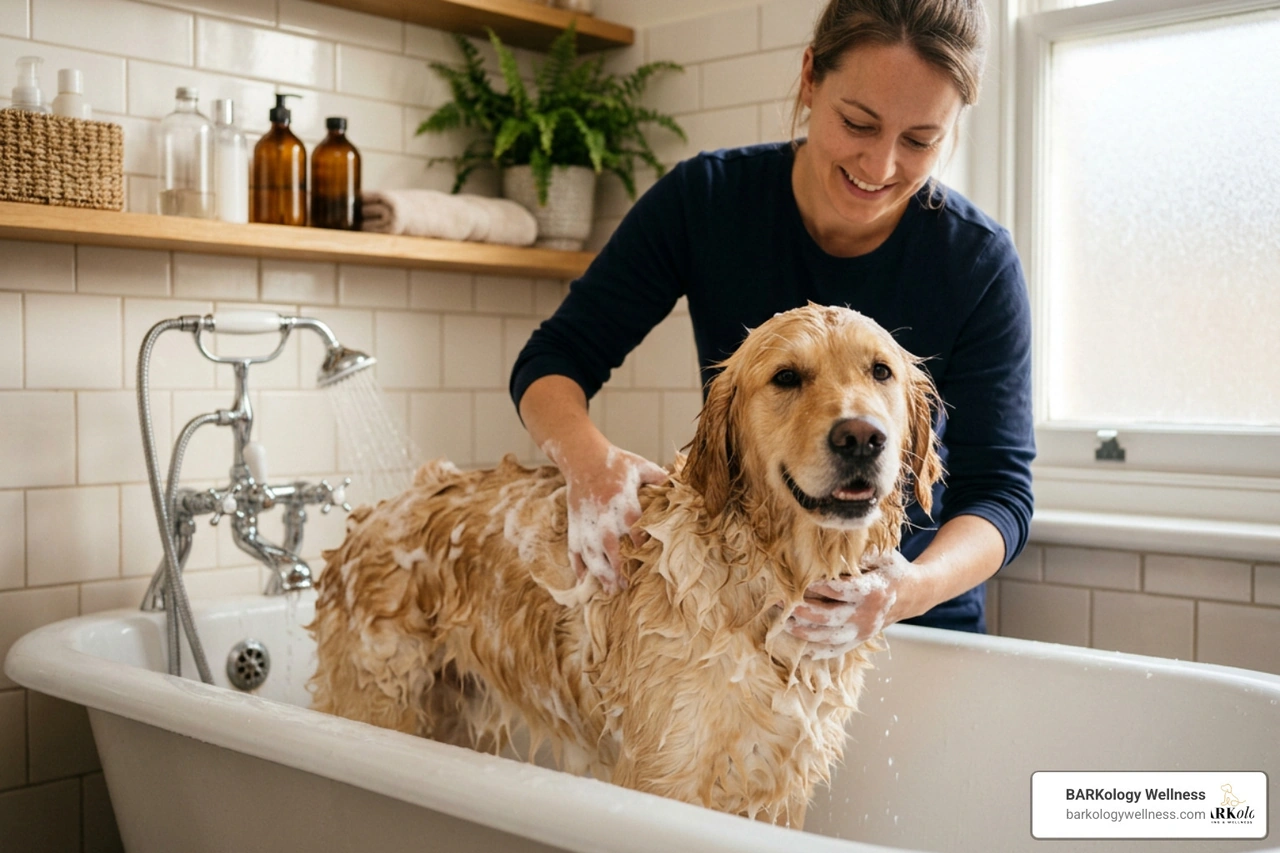
- Wet Thoroughly and Lather: Wet your dog's coat from head to paw. Apply a generous amount of shampoo, starting from the neck and working your way back. Gently massage the shampoo down to the skin, paying close attention to high-allergen areas: the paws, belly, armpits, and under the tail.
- Respect the Contact Time: This is the most crucial step! Medicated shampoos require 5 to 10 minutes of contact time with the skin to allow the active ingredients (like chlorhexidine or pramoxine) to work. Keep your dog calm during this time by offering lick mats with peanut butter or giving gentle massages.
- Rinse Completely: Rinse your dog thoroughly with clean, lukewarm water. Any leftover shampoo residue can dry out on the skin, causing further irritation and scratching.
- Towel Dry Gently: Avoid high-heat blow dryers, which strip moisture from the coat. Instead, pat your dog dry with a clean towel.
Depending on the severity of the skin condition, therapeutic baths may be needed 2 to 3 times per week initially, eventually tapering off to once every 1 to 2 weeks as the skin heals. If your dog has a double coat, alternating with a Deshedding Dog Shampoo can help remove trapped undercoat that holds moisture, while dogs with lighter coats might occasionally benefit from a specialized Whitening Dog Shampoo to keep their fur bright between therapeutic baths.
Frequently Asked Questions About Dog Skin Relief
Caring for a pup with sensitive skin can bring up plenty of questions. Here are some of the most common queries we hear from pet parents looking for answers.
Can I use human shampoo on my itchy dog?
No, you should never use human shampoo on your dog, even gentle baby shampoo can cause issues. As mentioned earlier, human skin has an acidic pH (around 4.5 to 5.5), whereas dog skin is much more neutral to alkaline (6.2 to 7.4).
Using a human product disrupts your dog's delicate "acid mantle" (the skin's protective barrier). This disruption strips away essential lipids, dries out the skin, and creates an environment where bacteria and yeast can easily multiply, leading to severe infections and worse itching. In a pinch, a plain warm water rinse is much safer than using human soap.
Can anti-itch shampoos be used with other allergy treatments?
Yes! In fact, managing moderate to severe allergies usually requires a multi-modal approach. Anti-itch shampoos work beautifully alongside topical leave-on conditioners, hydrocortisone sprays, and medicated wipes.
They can also be used in conjunction with oral anti itching medication for dogs prescribed by your vet, such as Apoquel or Cytopoint injections. If you are using topical flea and tick preventatives, always read the shampoo label; most soap-free formulas won't wash off these treatments, but it is best to wait at least 24 to 48 hours after applying a topical preventative before giving your dog a bath.
Are there any side effects to medicated dog shampoos?
While medicated shampoos are generally very safe, some precautions should be taken:
- Avoid the Eyes and Ears: Active ingredients like chlorhexidine, coal tar, and salicylic acid can cause severe eye irritation. Use a damp washcloth to clean your dog’s face instead of pouring soapy water over their head.
- Prevent Licking: Do not let your dog lick the shampoo lather during their 10-minute soak, as ingestion can cause stomach upset or mild toxicity. Consider using a temporary recovery cone during bath time.
- Do Not Use on Open Wounds: If your dog has chewed their skin raw or has bleeding lesions, consult your vet before applying medicated products. For guidance on managing raw spots, see the American Kennel Club's advice on Treating Hot Spots on Dogs - American Kennel Club.
Conclusion
Finding the right anti itching shampoo for dogs can completely transform your pup's quality of life, turning sleepless, scratch-filled nights into peaceful rest. However, bathing is only one piece of the puzzle. For dogs living in the humid, high-pollen climate of South Tampa, professional grooming serves as essential preventive healthcare.
At BARKology Wellness, we specialize in luxury dog grooming and wellness services that prioritize your pet's skin health. Our professional groomers are trained to detect early signs of skin infections, yeast overgrowth, and parasite issues before they turn into costly veterinary visits. We offer tailored baths using premium, pH-balanced formulas in a serene, low-stress environment.
Give your dog the royal treatment they deserve. Schedule a professional grooming session at BARKology Wellness today, or explore our supportive wellness packages and VIP memberships to keep your dog's coat healthy, shiny, and completely itch-free all year round.