
Why Your Dog's Powerful Nose Deserves Premium Care
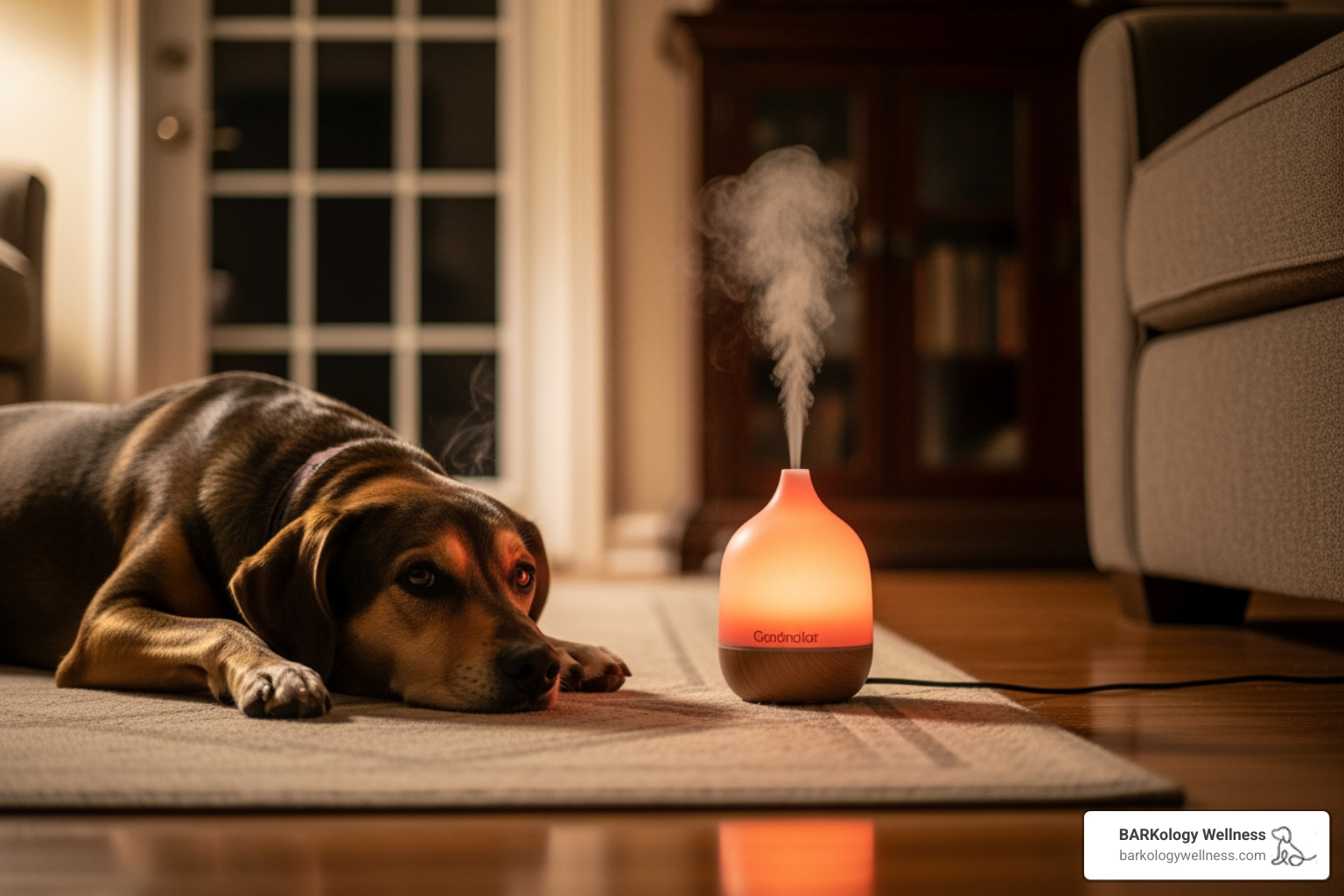
Aromatherapy for dogs leverages your pet's extraordinary sense of smell to promote relaxation, reduce anxiety, and support overall wellness through carefully selected botanical oils. When used safely with proper dilution and veterinary guidance, certain essential oils like lavender, frankincense, and chamomile can enhance your dog's emotional and physical health.
Quick Guide to Safe Aromatherapy for Dogs:
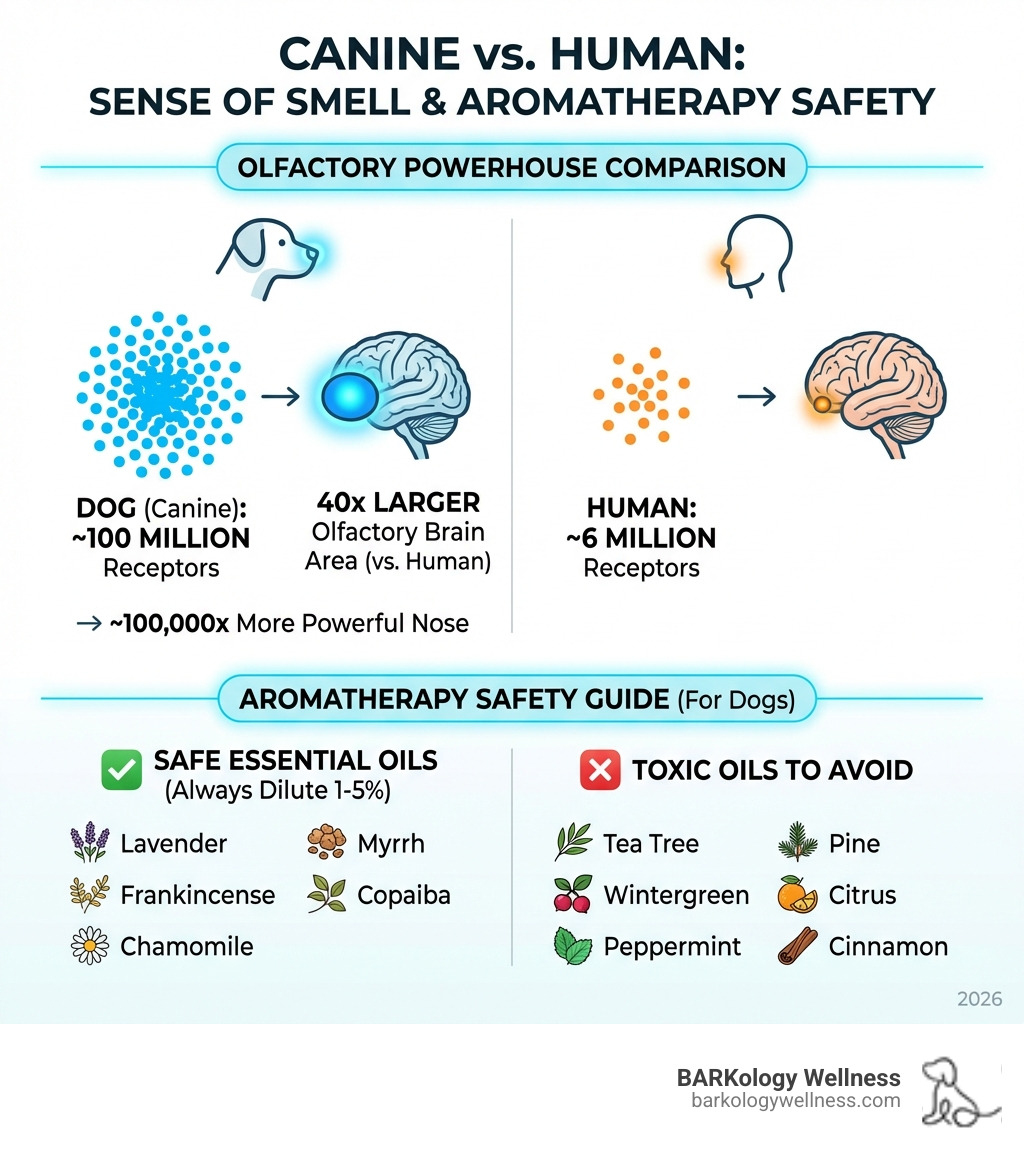
- Safe oils: Lavender, frankincense, chamomile, myrrh, copaiba (always diluted 1-5%)
- Toxic oils to avoid: Tea tree, wintergreen, peppermint, pine, citrus, cinnamon
- Application methods: Diffusion in ventilated spaces, diluted topical application via carrier oils
- Warning signs: Drooling, lethargy, difficulty breathing, vomiting, contact your vet immediately
- Golden rule: Never apply undiluted oils directly to your dog's skin or allow ingestion
There's something remarkable about walking into a room filled with calming lavender, but imagine experiencing that scent with a nose 100,000 times more powerful than yours. That's your dog's reality. Dogs possess approximately 100 million sensory receptor sites in their nasal cavities compared to our mere six million, and the brain area devoted to processing scent is 40 times larger in canines than humans.
This extraordinary olfactory power means that aromatherapy, when done correctly, can be a genuinely effective wellness tool for your furry companion. But it also means that what smells pleasant to you might be overwhelming or even harmful to your dog. The difference between therapeutic and toxic often comes down to choosing the right oils, proper dilution, and understanding your individual dog's needs.
More than 70% of dogs show symptoms of anxiety at some point in their lives, whether from separation, thunderstorms, travel, or visits to the groomer. While aromatherapy isn't a magic cure, research shows that certain scents like lavender and chamomile can measurably reduce stress behaviors in shelter dogs and promote relaxation in anxious pets. Other oils offer physical benefits, frankincense for inflammation, ginger for digestive upset, or citronella for natural pest control.
The key is knowing which botanical compounds are safe, how to apply them properly, and when to consult your veterinarian. Natural doesn't always mean safe, some commonly used essential oils like tea tree, eucalyptus, and peppermint can cause serious toxicity in dogs, leading to tremors, liver damage, or respiratory distress.
As Nabilah Shamseddine, founder of BARKology Wellness, I've witnessed how integrating safe, science-based aromatherapy for dogs into premium grooming and wellness services transforms the experience for anxious pets and creates a truly luxurious, stress-free environment. My background in building wellness brands has taught me that your dog deserves more than basic care, they deserve personalized, holistic attention that honors their unique sensory world.
The Science of Aromatherapy for Dogs
To understand why aromatherapy for dogs is so effective, we have to look at how a dog’s brain processes smell. When your dog inhales a scent, the odor molecules travel through the nasal cavity to the olfactory bulb. From there, the signals move directly to the limbic system, the part of the brain responsible for emotions, memory, and survival instincts.
Because the limbic system is so closely tied to the olfactory system, certain botanical compounds can trigger immediate physiological changes. For example, inhaling lavender can signal the brain to lower cortisol (the stress hormone) and slow the heart rate. This isn't just "pet parent intuition"; it's backed by scientific research on canine olfactory effects. Studies have shown that olfactory enrichment can significantly reduce pacing, barking, and restlessness in high-stress environments like shelters.
At BARKology Wellness in South Tampa, we view aromatherapy as a form of chemical communication. We are essentially "speaking" to your dog's nervous system through scents that promote a natural balance. By using pure, therapeutic-grade oils, we can help modulate a dog's mood without the need for heavy sedatives, creating a bridge between traditional care and holistic wellness.
Safe vs. Toxic Essential Oils
The most critical step in starting aromatherapy for dogs is distinguishing between helpful botanicals and dangerous toxins. Because dogs process compounds differently, and their livers may lack certain enzymes to break down specific phenols and terpenes, some "natural" oils can be lethal.
| Essential Oil | Status | Common Use / Risk |
|---|---|---|
| Lavender | Safe | Calming, skin soothing, anti-itch |
| Frankincense | Safe | Immune support, DNA repair, inflammation |
| Copaiba | Safe | Joint pain, arthritis, senior dog support |
| Chamomile | Safe | Anxiety relief, gastrointestinal support |
| Ginger | Safe | Motion sickness, digestive aid |
| Myrrh | Safe | Healthy skin, antiseptic for minor cuts |
| Tea Tree | TOXIC | Can cause tremors, weakness, liver failure |
| Wintergreen | TOXIC | Contains methyl salicylate; risk of bleeding |
| Peppermint | TOXIC | High risk of respiratory distress and GI upset |
| Pine/Citrus | TOXIC | Can cause severe central nervous system depression |
If you suspect your dog has come into contact with a toxic oil, do not wait for symptoms to worsen. Contact the Pet Poison Helpline immediately.
Species-specific sensitivity is real. While you might love a peppermint diffuser to stay alert, that same scent can cause your dog to experience difficulty breathing or neurological incoordination. At our Tampa locations, we strictly use oils that have been vetted for canine safety, ensuring that every "spa day" is as safe as it is relaxing.
Key Benefits of Using Aromatherapy for Dogs
Mental Health Benefits of Aromatherapy for Dogs
The rise in pet anxiety is a growing concern for many owners in South Tampa. Data shows that anxiety diagnoses among dogs in the United States have risen significantly from 2019 to 2024. Aromatherapy for dogs is a powerful ally in managing these emotional hurdles.
- Separation Stress: If your dog struggles when you head out to work, diffusing a blend of lavender and valerian can create a "safe space" scent that eases their panic.
- Travel and Vet Visits: Research on travel-induced excitement confirms that dogs exposed to calming scents like lavender during car rides are significantly less likely to pace or bark.
- Thunderstorm Phobia: In Tampa, our frequent storms can be terrifying for pets. Using a calming balm or spray before the clouds roll in can help keep them grounded.
- Sleep Quality: Senior dogs or those with cognitive dysfunction often struggle to rest at night. Oils like Cedarwood and Sweet Marjoram can promote deeper, more restorative sleep.
For dogs needing a comprehensive approach to emotional health, we often integrate these scents into our wellness services, providing a multi-sensory experience that calms the mind while we care for the body.
Physical Health and Skin Support
Beyond the mind, aromatherapy for dogs offers tangible physical benefits. Many essential oils possess anti-inflammatory, antiseptic, and analgesic (pain-relieving) properties.
- Arthritis Support: Copaiba and Frankincense are "powerhouse" oils for senior dogs. Copaiba attaches to CB2 receptors, similar to CBD, helping to manage joint pain and chronic inflammation.
- Skin Health: Geranium and Roman Chamomile are excellent for soothing itchy skin, reducing redness from allergies, and supporting a shiny coat.
- Natural Pest Control: While we always recommend consulting your vet about flea and tick products for dogs, oils like Cedarwood and Lemongrass can serve as a gentle, natural repellent for mosquitoes and fleas between treatments.
- Muscle Relaxation: After a long day at the dog park, a diluted massage with ginger or turmeric can help soothe sore muscles and prevent stiffness.
We often incorporate these therapeutic oils into our grooming services in Tampa, turning a standard bath into a healing treatment that addresses your dog's specific skin and joint needs.
How to Safely Apply Essential Oils
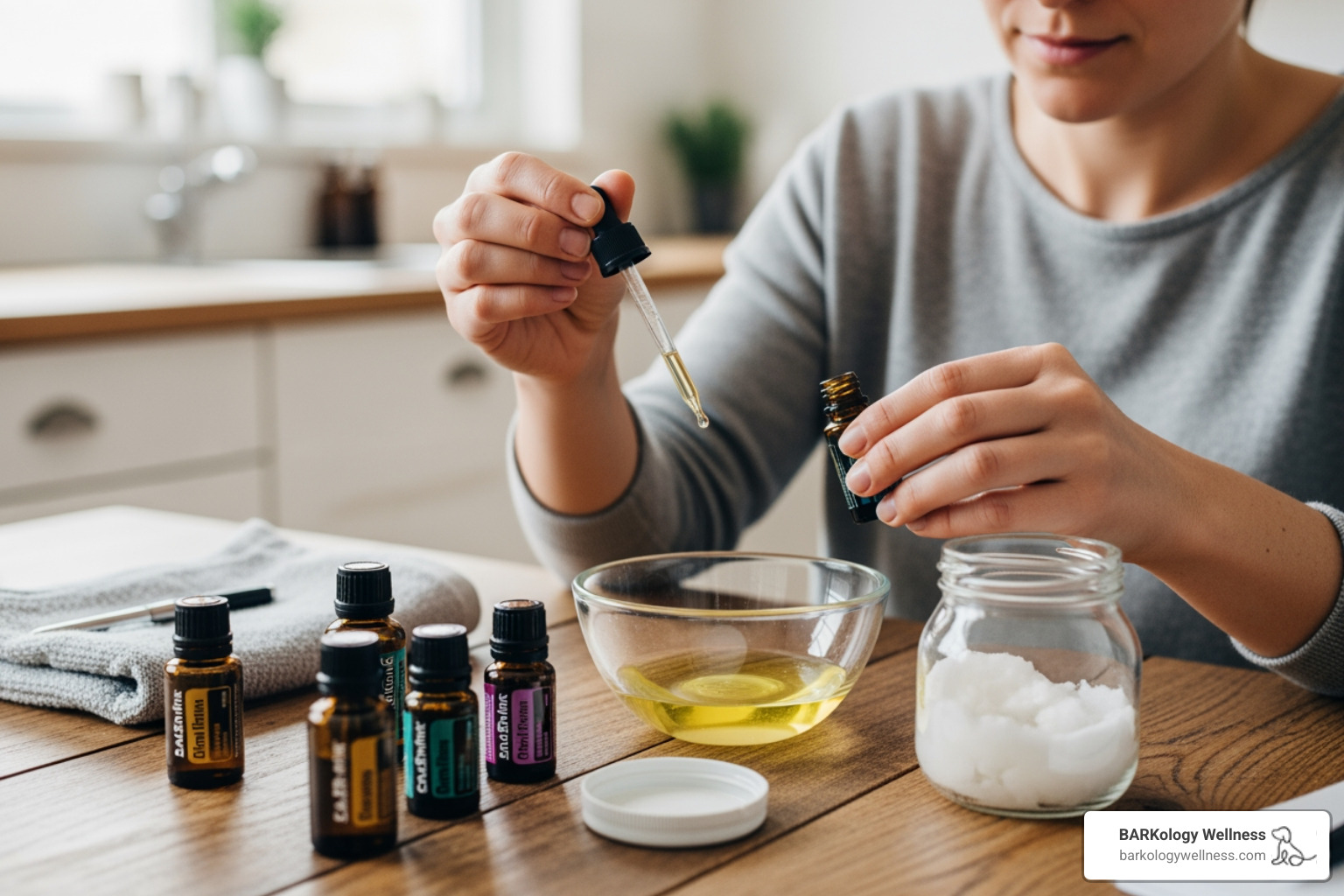
Safety is paramount. You should never use essential oils on your dog the same way you use them on yourself. Here is the BARKology Wellness "How-To" for safe application:
1. The Power of Dilution
Never apply a "neat" (undiluted) oil to your dog. Their skin is thinner than ours, and their sense of smell is far more acute.
- Standard Dilution: 1-2 drops of essential oil per 1 tablespoon of carrier oil (about a 1% concentration).
- Vulnerable Dogs: For puppies, seniors, or dogs under 20 pounds, use a 0.5% concentration (1 drop per 2 tablespoons of carrier oil).
- Carrier Oils: We recommend Fractionated Coconut Oil (FCO) because it is odorless, stays liquid, and helps the essential oil absorb slowly and safely.
2. The "Petting" Technique
The safest way to apply oil topically is to rub the diluted mixture between your own palms first. Once your hands are lightly coated, gently pet your dog along their spine, the tips of their ears (avoiding the ear canal), or their chest. This allows the scent to linger without the risk of the dog licking a concentrated patch of oil.
3. Diffusion Protocols
If you are using a water-based diffuser:
- Use only 1-4 drops of a safe oil.
- Ensure the room is well-ventilated.
- Always leave a door open so your dog can leave the room if the scent becomes too intense for them.
Best Practices for Aromatherapy for Dogs
- Self-Selection: This is a favorite technique of ours! Hold the closed bottle of oil (or the cap) near your dog. If they turn away, sneeze, or leave the room, they don't like or need that oil. If they sniff curiously or stay relaxed, it's a "yes."
- Gradual Introduction: Start with very short sessions (5-10 minutes) to see how your dog reacts before committing to longer diffusion.
- Safe Storage: Keep all bottles in a secure cabinet. A curious pup chewing on a bottle of concentrated oil is a major medical emergency.
- Puppy and Senior Care: Young puppies (under 10 weeks) and very old dogs have more sensitive systems. Always double-check with your vet before introducing new scents to these age groups.
- Health Contraindications: Dogs with liver disease, respiratory issues like asthma, or a history of seizures require extreme caution.
Recognizing Adverse Reactions and Toxicity
Even with safe oils, some dogs may have an individual sensitivity or allergic reaction. As a responsible pet parent, you must be able to spot the signs of distress.
Symptoms of a negative reaction include:
- Excessive drooling or pawing at the face
- Difficulty breathing (labored or rapid)
- Lethargy or weakness
- Incoordination (stumbling or acting "drunk")
- Muscle tremors or twitching
- Vomiting or diarrhea
- Redness or burns on the skin
If you notice these signs, immediately move your dog to fresh air. If the oil was applied topically, wash the area with a mild, grease-cutting dish soap (like Dawn) to remove the residue. Contact your veterinarian or the ASPCA Animal Poison Control Center right away. For extra peace of mind, keep the Pet Poison Helpline number (855-764-7661) saved in your phone.
Frequently Asked Questions about Canine Aromatherapy
Can I apply essential oils directly to my dog's fur?
Only if they are properly diluted in a carrier oil. Applying undiluted oils can cause skin irritation, chemical burns, and potential toxicity if your dog licks their fur. We recommend the "petting technique" mentioned above to ensure the oil is evenly and safely distributed.
Is lavender safe for dogs with epilepsy?
Lavender is generally considered safe, but some oils, like Rosemary, Basil, and Eucalyptus, are known triggers for seizures in "epileptic-prone" dogs. If your dog has a history of seizures, always consult a veterinarian with knowledge of essential oils before using any aromatherapy products.
How does aromatherapy compare to pheromone diffusers?
While aromatherapy for dogs uses plant-based compounds to influence mood, dog calming aids like pheromone diffusers use synthetic versions of the scents mother dogs produce to soothe their puppies. Both can be effective! Many owners find that a combination of pheromones and safe aromatherapy provides the best results for high-anxiety pets.
Conclusion
At BARKology Wellness, we believe that your dog’s health is a holistic journey. By integrating the science of aromatherapy for dogs into our premium services, we provide more than just a clean coat, we provide a sense of peace and physical rejuvenation. Whether we are using Frankincense to support an aging lab's joints or Lavender to soothe a nervous rescue pup, our goal is to offer the royal treatment your hound deserves.
Based in South Tampa, our team is dedicated to science-based pampering. We invite you to experience our wellness services and see how a little bit of botanical magic, used safely and professionally, can make your dog the happiest hound on the block. Your dog's nose is their superpower, let's help them use it for health and happiness!