
When Your Dog Won't Stop Scratching: A Quick Guide to At Home Mange Treatment
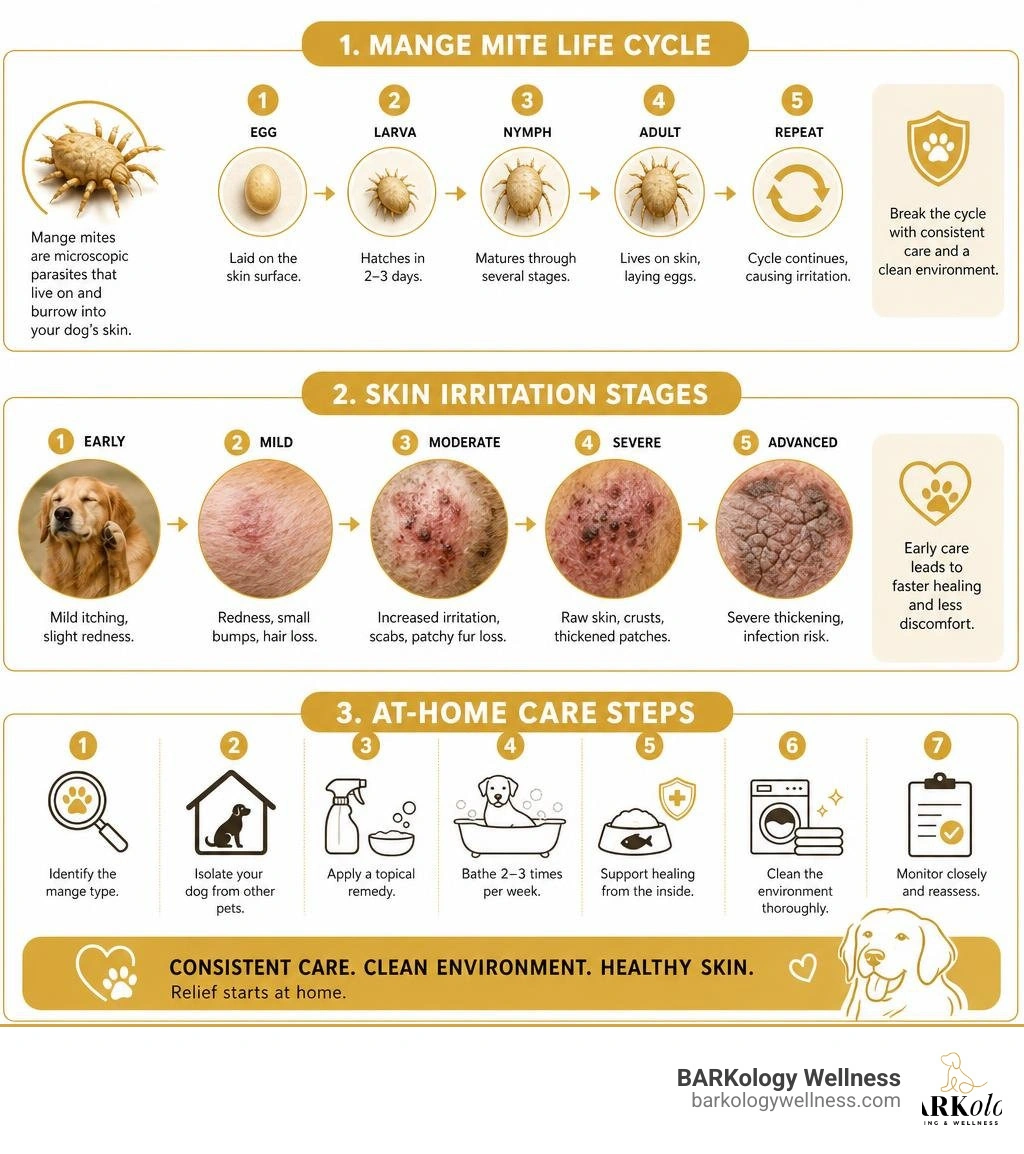
The most effective at home mange treatment options work by killing mites, soothing irritated skin, and supporting your dog's immune system, all at the same time. Here's a quick-start overview:
- Identify the mange type, sarcoptic, demodectic, or cheyletiella (symptoms differ)
- Isolate your dog from other pets immediately
- Apply a topical remedy, borax and hydrogen peroxide rinse, diluted apple cider vinegar spray, or sulfur-based shampoo
- Bathe 2–3 times per week using a gentle medicated or natural shampoo
- Support healing from the inside with omega-3s, probiotics, and a high-protein diet
- Clean the environment, hot-wash bedding, vacuum daily, disinfect surfaces
- Monitor closely, if symptoms worsen after 2 weeks, see a vet
Watching your dog scratch relentlessly, lose patches of fur, and develop raw, crusty skin is genuinely distressing. Mange, a parasitic skin disease caused by microscopic mites burrowing into your dog's skin, is one of the most uncomfortable conditions a dog can experience. The good news? Mild cases can often be managed at home with the right approach, and a full month's worth of natural ingredients typically costs under $25.
But here's the thing most articles skip over: not all mange is the same, and the wrong treatment for the wrong type won't just fail, it can make things worse. That's why knowing what you're dealing with before reaching for a remedy matters.
I'm Nabilah Shamseddine, founder of BARKology Wellness, and my work in premium pet wellness has given me a front-row seat to how much a dog's skin health reflects their overall wellbeing, which is exactly why at home mange treatment done right is something every dog owner deserves to understand. Let's walk through everything you need to know, step by step.
Terms related to at home mange treatment:
Understanding Mange in Dogs: Types and Symptoms
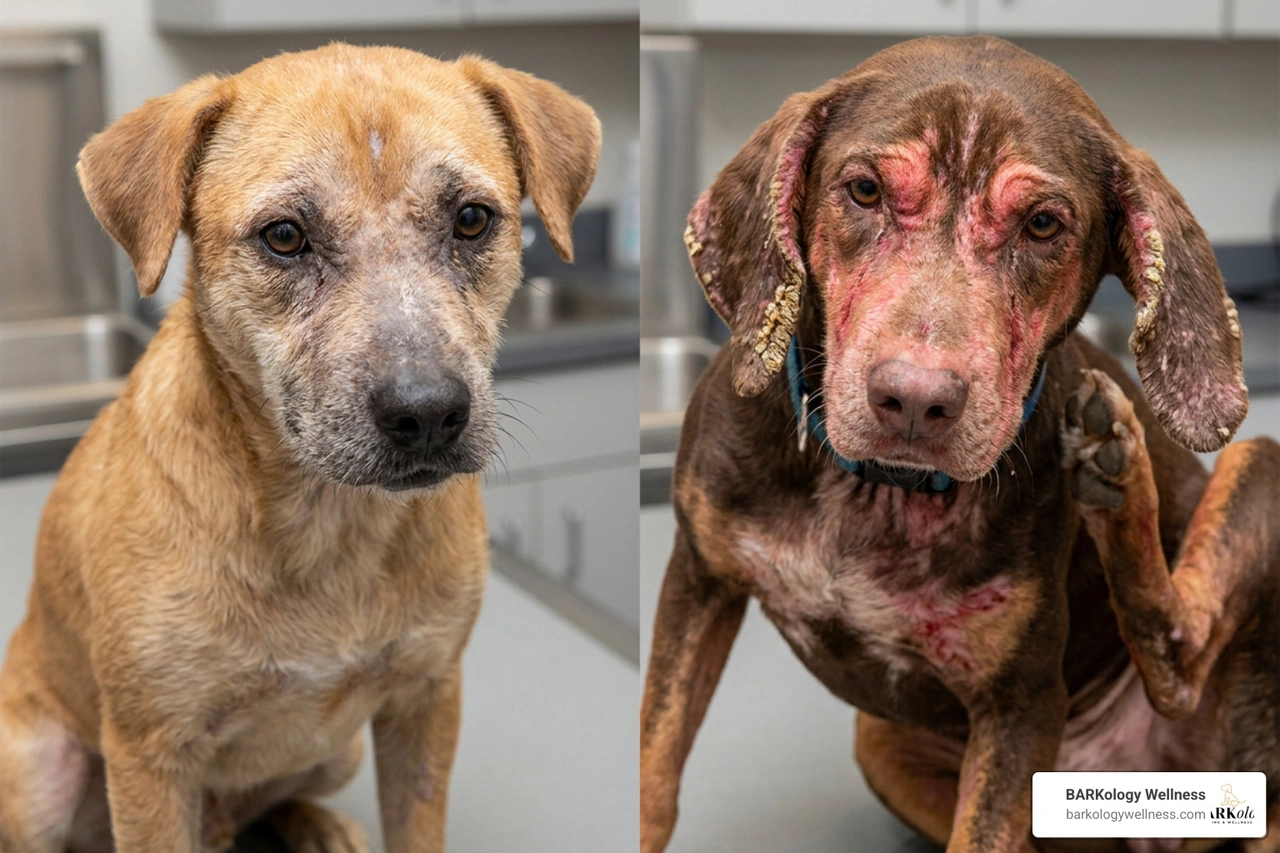
To successfully implement an at home mange treatment, we must first understand the microscopic enemy we are fighting. Mange isn't a single disease; it is a blanket term for skin infections caused by several distinct species of parasitic mites. These tiny invaders burrow into your dog's skin layers or set up camp inside their hair follicles, triggering intense inflammatory responses, frantic scratching, and hair loss.
The three primary forms of mange that affect our canine companions are sarcoptic mange, demodectic mange, and cheyletiella mange.
Sarcoptic Mange (Canine Scabies)
Sarcoptic mange is caused by the Sarcoptes scabiei mite. This is the highly contagious, itchy variety that makes dogs scratch themselves to the point of bleeding. These microscopic, circular mites burrow deep into the outer layers of the skin to lay their eggs, triggering an extreme allergic reaction.
If your dog has sarcoptic mange, you will likely notice severe redness, crusty yellow sores, and hair loss concentrated around the ear edges, elbows, hocks, and chest. Because the itching is so intense, dogs with sarcoptic mange are often restless, irritable, and unable to sleep. When dealing with this variety, finding an effective canine scabies treatment is an urgent priority to stop the cycle of self-trauma.
Demodectic Mange (Red Mange)
Demodectic mange is caused by Demodex canis mites, which are actually normal residents of canine hair follicles. Under normal circumstances, a dog's immune system keeps these mites in check. However, if a puppy's immune system is still developing, or if an adult dog experiences immune suppression, these mites multiply rapidly.
Demodectic mange is generally not contagious to other animals or humans. It typically presents in two forms:
- Localized: Small, patchy bald spots, usually around the face, eyes, and forelegs, with minimal itching.
- Generalized: Widespread hair loss, red and scaly skin, and secondary bacterial infections that cause a distinct, musty odor.
It is important to note that approximately 10% of dogs with localized demodectic mange will progress to the generalized form if left untreated or if their immune system remains compromised.
Cheyletiella Mange (Walking Dandruff)
Cheyletiella mange is caused by Cheyletiella mites. These are larger mites that live on the very surface of the skin. They are often called "walking dandruff" because as they move through the fur, they carry flakes of dry skin with them, making it look like the dandruff is alive and walking. This type of mange causes mild to moderate itching, dry scaling along the back, and hair loss. It is highly contagious among dogs, cats, and rabbits.
| Feature / Mange Type | Sarcoptic Mange (Scabies) | Demodectic Mange (Red Mange) | Cheyletiella Mange (Walking Dandruff) |
|---|---|---|---|
| Causative Mite | Sarcoptes scabiei | Demodex canis | Cheyletiella spp. |
| Contagious to Pets? | Yes (Highly contagious) | No (Usually non-contagious) | Yes (Highly contagious) |
| Contagious to Humans? | Yes (Temporary lesions) | No | Yes (Temporary lesions) |
| Primary Symptoms | Intense itching, crusty ears/elbows | Bald patches, red skin, mild itch | Flaky skin along back, mild itch |
| Mite Location | Burrows deep in outer skin layers | Lives deep inside hair follicles | Lives on the skin surface |
How Veterinarians Diagnose Mange Mites
While we love natural, holistic care, we always emphasize that a professional veterinary diagnosis is the safest starting point. Because mange symptoms closely mimic severe food allergies, flea allergy dermatitis, and yeast infections, guessing can lead to weeks of incorrect treatment while your pup continues to suffer.
A vet will typically perform a skin scraping. This involves gently scraping the surface of the irritated skin with a scalpel blade until a tiny amount of capillary blood is visible. This ensures they collect mites living both on the surface and deep within the follicles. They will then examine this sample under a microscope to identify the exact mite species.
Getting a professional veterinary diagnosis prevents the risk of misdiagnosis. For example, applying harsh mite treatments to a dog who actually has a bacterial infection or hot spots will only damage their skin barrier further. If you are in the South Tampa FL area, working with a mobile vet or your trusted local clinic to confirm the diagnosis before starting your DIY journey is always the smartest move.
Is Mange Contagious to Humans and Other Pets?
Yes, certain types of mange pose a zoonotic risk, meaning they can be transmitted from animals to humans, as well as to other household pets.
If your dog is diagnosed with sarcoptic mange or cheyletiella, you must implement strict isolation protocols immediately. Keep the affected dog in a dedicated, easy-to-clean room away from other dogs, cats, and family members. Wear disposable gloves and protective clothing when handling your pet or cleaning their bedding, and wash your hands thoroughly with warm water and soap afterward.
Can humans catch mange from dogs? Yes, but with a catch. While canine sarcoptic mites can temporarily jump to humans, causing itchy, red bumps or blisters on the wrists, arms, or abdomen, these mites cannot complete their life cycle on human skin. They will eventually die off on their own once the dog is treated and the home is decontaminated.
However, be prepared for a delay: human scabies symptoms and skin reactions can take up to 4 weeks to appear after the initial exposure. If anyone in your household develops persistent, unexplained itching, consult a physician.
Choosing the Right At Home Mange Treatment

Once you have a confirmed diagnosis, you can explore DIY care. Opting for an at home mange treatment using natural ingredients is highly cost-effective. While conventional veterinary prescription medications and medicated dips can easily cost between $50 and $100 per month, a robust supply of natural remedies like borax, hydrogen peroxide, apple cider vinegar, and soothing oils typically costs under $25 monthly.
Furthermore, natural methods avoid exposing an already stressed dog to harsh synthetic pesticides and nerve poisons. By utilizing gentle, supportive natural mange remedies alongside targeted dog skin treatments, you can eradicate the mites while actively nourishing and rebuilding the damaged skin barrier.
Step-by-Step Guide to Applying an At Home Mange Treatment
Applying home remedies requires patience, consistency, and strict safety precautions. Because a mange-infested dog's skin is often raw, broken, and highly sensitive, you must handle every application with care.
Here is our step-by-step protocol for bathing and treating your dog safely:
- Prepare the Area: Work in a well-ventilated bathroom or outdoor space. Wear gloves to protect your own skin from mites and treatment solutions. Remove any silver jewelry, as natural sulfur and borax can tarnish metals.
- Perform a Patch Test: Before applying any DIY mixture to your dog's entire body, apply a small amount to a healthy patch of skin and wait 24 hours to monitor for allergic reactions or severe irritation.
- The Pre-Wash: If your dog has long or matted fur, gently trim the hair around the affected areas to allow the treatment to reach the skin. Bathe your dog with a gentle, moisturizing anti-itching shampoo for dogs. This cleanses away crusts, debris, and excess oils, opening up the hair follicles so the treatment can penetrate effectively.
- Apply the Treatment: Apply your chosen natural rinse or spray. If using a full-body rinse, use a sponge or a pointed-tip squeeze bottle to saturate the skin completely. Avoid the eyes, nose, mouth, and genitals.
- Do Not Rinse (If Applicable): Many natural treatments, such as Ted's Borax protocol or herbal rinses, must dry naturally on the skin to remain effective.
- Prevent Licking: Keep your dog distracted or use an Elizabethan collar (cone) for 20 to 30 minutes until the skin is dry. This prevents them from ingesting the remedies.
- Dry Thoroughly: Once the active drying time of the remedy is complete, ensure your dog is kept warm and dry. Leaving a dog damp in Tampa's humid climate can invite secondary yeast or fungal infections.
For best results, stick to a schedule of 2–3 medicated or therapeutic baths every 5–7 days for 2–3 weeks. This timeline aligns with the life cycle of the mites, ensuring you kill newly hatched nymphs before they can reproduce. For more detailed instructions, you can check out this guide on how to treat mange at home to keep your dog's skin barrier safe during recovery. Good dog skin care is all about consistency.
Natural Remedies: Apple Cider Vinegar, Neem, and Honey
Several household staples possess powerful natural antiparasitic, antibacterial, and skin-soothing properties.
Apple Cider Vinegar (ACV)
Raw, organic apple cider vinegar is excellent for restoring the natural pH of your dog's skin, making it highly inhospitable to mites.
- Topical Spray: Mix equal parts ACV and warm water in a spray bottle. Spray onto dry, itchy areas daily (avoiding open wounds, as vinegar will sting).
- Internal Support: You can also add ACV directly to your dog's food or water bowl to support skin health from the inside out. Use 1 teaspoon daily for dogs under 30 lbs, and 1 tablespoon for dogs over 30 lbs.
Neem Oil
Neem oil is a cornerstone of Ayurvedic veterinary care. It contains azadirachtin, a natural compound that disrupts the life cycle of mites, preventing them from feeding and reproducing. Because pure neem oil is highly concentrated and has a strong garlic-like odor, always dilute it. Mix 1 part organic neem oil with 10 parts organic coconut oil, and apply the mixture directly to bald patches and crusty skin once daily.
Raw Honey
Raw, unpasteurized honey (or medical-grade Manuka honey) is a natural humectant with powerful antibacterial and healing properties. If your dog has developed painful, crusty sores from scratching, apply a thin layer of raw honey directly to the spots. It soothes inflammation, prevents secondary infections, and speeds up tissue regeneration. Use a cone to prevent your dog from licking it off immediately!
Using these ingredients in gentle herbal rinses for dogs provides fast, non-toxic itchy skin dog relief without drying out the coat.
Ted's Borax and Hydrogen Peroxide Protocol
Since 2002, Ted's Borax and Hydrogen Peroxide remedy has been one of the most widely used and trusted DIY solutions for canine mange. This treatment works through a physical process: the hydrogen peroxide releases oxygen to break down the waxy, protective coating of the mites, while the borax (sodium borate) acts as a natural mineral dehydrator that dries out and kills the parasites.
Preparation and Safety
Use only standard laundry Borax (Sodium Borate). Do not use boric acid, which is highly toxic to dogs. You must also prevent your dog from licking the wet solution, as ingesting borax can cause stomach upset or toxicity.
Ted's Proven Ratio
- 3 heaping tablespoons of Borax powder
- 2 cups of very hot water (to dissolve the powder completely)
- 2 cups of room-temperature water
- 2 cups of 3% Hydrogen Peroxide
Mixing and Application
- Dissolve the borax powder completely in the hot water until the liquid is perfectly clear.
- Add the room-temperature water and the hydrogen peroxide. The resulting mixture should be lukewarm.
- Bathe your dog first with a gentle shampoo, rinse thoroughly, and squeeze out excess water.
- Pour the warm borax-peroxide mixture over your dog's entire body, using a sponge to saturate the ears, chest, and legs. Do not rinse the solution off.
- Allow your dog to air dry. The mineral residue left on the skin continues to kill mites and prevent new eggs from hatching.
- Use an Elizabethan collar or keep your dog active and distracted for 30 minutes until they are fully dry to prevent licking.
Treatment Schedule
- Week 1: Apply every other day.
- Week 2: Apply every 3 days.
- Weeks 3–6: Apply once weekly.
During the first 24 to 48 hours after the first treatment, your dog's skin may appear slightly pinker or more irritated. This is a common "die-off" (Herxheimer) reaction as the dying mites release toxins into the skin. As long as your dog is not in severe pain, continue the protocol. Over the following weeks, you will notice a dramatic reduction in itching and the beginning of healthy fur regrowth on what was once dry, irritated skin. For a deeper dive into this classic protocol, consult this Ted's mange cure guide to help support a dry skin dog.
Supporting Your Dog's Immune System and Skin Recovery
Mites are opportunistic parasites. They thrive when a dog's natural defenses are down. This is why a truly holistic at home mange treatment must focus on healing the dog from the inside out.
The gut-skin axis is a well-documented biological pathway: a healthy, balanced digestive tract directly translates to a strong, resilient skin barrier. By upgrading your dog's diet and reducing environmental stress, you give their body the tools it needs to fight off the infestation naturally. Start by feeding a nutrient-dense, high-protein diet containing at least 30% high-quality animal protein, and explore targeted dietary support for mange to speed up recovery. Combining these dietary changes with canine dermatitis home remedies ensures a comprehensive, dual-action healing process.
Nutrition and Supplements for Mite Resistance
To boost your dog's immune system and accelerate skin healing, we recommend incorporating these key supplements into their daily meals:
- Omega-3 Fatty Acids: Fish oil or krill oil is highly anti-inflammatory. It helps reduce the systemic itch response and provides the essential lipids needed to rebuild the skin's moisture barrier. Aim for a daily dose of 20–30 mg of combined EPA/DHA per pound of your dog's body weight.
- Probiotics: A high-quality, canine-specific probiotic helps balance the gut microbiome, which regulates up to 70% of your dog's immune system. Look for CFUs (Colony Forming Units) tailored to your dog's size: 1–3 billion CFU for small dogs, 3–5 billion CFU for medium dogs, and 5–10 billion CFU for large breeds.
- Vitamin B Complex: Vitamin B supports cellular metabolism and tissue repair. Administering a daily B-complex supplement (around 5mg/kg of body weight) helps promote fast, healthy fur regrowth.
These targeted nutrients act as an internal dry skin treatment, nourishing the hair follicles from within.
Environmental Cleaning to Prevent Reinfection
Treating your dog's skin is only half the battle. If Sarcoptes or Cheyletiella mites are living in your carpets, furniture, or bedding, your dog will simply get reinfected as soon as the topical treatments stop.
Follow these strict environmental cleaning steps weekly:
- Hot-Wash All Bedding: Wash your dog's blankets, plush toys, and bed covers in hot water (at least 140°F) for at least 30 minutes, then dry them on high heat.
- Vacuum Daily: Vacuum all carpets, rugs, and upholstered furniture thoroughly. Immediately empty the vacuum canister or discard the bag in an outdoor trash can.
- Disinfect Surfaces: Clean hard floors and crates with pet-safe sanitizers.
- Diatomaceous Earth: Sprinkle food-grade diatomaceous earth along baseboards and under pet bedding. This natural powder microscopically cuts and dehydrates crawling insects and mites without using toxic chemicals.
Keeping a clean environment prevents secondary complications like hot spots. If your dog does develop a localized raw spot from scratching, be sure to apply a prompt hot spot treatment dog remedy to keep the skin clean and dry.
When to Transition from an At Home Mange Treatment to Veterinary Care
While we advocate for natural care, we must always prioritize the dog's safety. At-home treatments are excellent for mild, localized cases, but there are times when conventional medicine is absolutely necessary.
You should stop home remedies and seek professional veterinary care immediately if:
- Your dog develops a fever, becomes lethargic, or stops eating.
- You notice signs of secondary bacterial infections, such as oozing pus, swelling, extreme redness, or a foul, sweet odor.
- The mange is generalized, covering more than 25% of your dog's body.
- You see no visible improvement after 2 weeks of consistent home care.
In severe or stubborn cases, your vet may prescribe highly effective, modern anti-itching medication for dogs alongside oral antiparasitic treatments. Clinical studies have shown that sarolaner and spinosad oral treatments are incredibly safe and highly effective at rapidly eliminating mite populations from the inside out, providing fast relief when natural methods aren't enough.
Frequently Asked Questions About Dog Mange
How long does it take for dog mange to heal?
The recovery timeline depends on the severity of the infestation and your dog's overall health. Mild, localized cases of demodectic mange can resolve in about 2 to 4 weeks with consistent daily care and weekly bathing. However, severe or generalized cases can take 4 to 6 weeks for the mites to be completely eradicated, and full fur regrowth can take several months.
Can I use human scabies treatments on my dog?
No. Never use human scabies medications (such as 5% Permethrin creams) on your dog unless explicitly directed by a veterinarian. Many human formulations contain chemical concentrations or inactive ingredients that are highly toxic to dogs, especially if ingested when your dog grooms themselves.
What is the cheapest way to treat dog mange?
The most budget-friendly way to treat mange is using a combination of a homemade Borax and hydrogen peroxide rinse (which costs under $10 to mix) and organic coconut oil to soothe bald spots. When combined with rigorous household cleaning and washing bedding in hot water, this approach can successfully resolve mild mange for under $25.
Conclusion
At BARKology Wellness in South Tampa, we believe that true pet wellness is a beautiful blend of science, preventative care, and holistic support. While dealing with mange is undoubtedly a stressful chapter for both you and your pup, taking a patient, systematic approach to at home mange treatment can restore your dog's vibrant health and gorgeous coat naturally.
Remember to support their immune system, keep their environment pristine, and don't hesitate to partner with your trusted veterinarian if you need extra support. Once your dog is fully recovered, mite-free, and ready to be pampered, we would love to welcome them back to our serene grooming salon for some royal treatment. More info about grooming services is always available on our website to help keep your dog's skin and coat looking and feeling its absolute best year-round!