The Best Dog Brush for Great Pyrenees: Quick Answer First
Finding the best dog brush for Great Pyrenees owners comes down to one key insight: no single brush is enough. You need a small toolkit to manage their thick, heavy double coat.
Here are the top brushes most recommended for Great Pyrenees:
| Brush Type | Best For | Top Pick |
|---|---|---|
| Long-pin slicker brush | Detangling and fluffing | Chris Christensen Big G |
| Undercoat rake | Removing loose undercoat | Maxpower Planet Grooming Rake |
| Stainless steel comb | Checking for hidden mats | Any wide-tooth metal comb |
| Deshedding tool | Seasonal blowouts | DOGI Deshedding Brush |
The short answer: Start with a long-pin slicker brush like the Chris Christensen Big G (27mm pins), follow with an undercoat rake, and finish with a steel comb to catch anything you missed.
If you share your home with a Great Pyrenees, you already know the reality. Their gorgeous white coat sheds all year long, and twice a year, they blow their entire undercoat in what can only be described as an indoor blizzard. The right tools make the difference between a manageable grooming routine and a daily battle with fur.
The tricky part? A Great Pyrenees coat can look perfectly clean and fluffy on the outside while a dense, packed undercoat builds up quietly underneath, right next to the skin. That hidden buildup is how painful mats form, often before owners even realize there is a problem.
I'm Nabilah Shamseddine, operator of BARKology Wellness, and my background in premium wellness and client experience has shaped exactly how we approach finding the best dog brush for Great Pyrenees, because great grooming is about health and comfort, not just appearance. In this guide, I'll walk you through every tool, technique, and common mistake so your Pyr stays healthy, happy, and mat-free.
Best dog brush for great pyrenees terms made easy:
Understanding the Great Pyrenees Double Coat and Its Grooming Needs
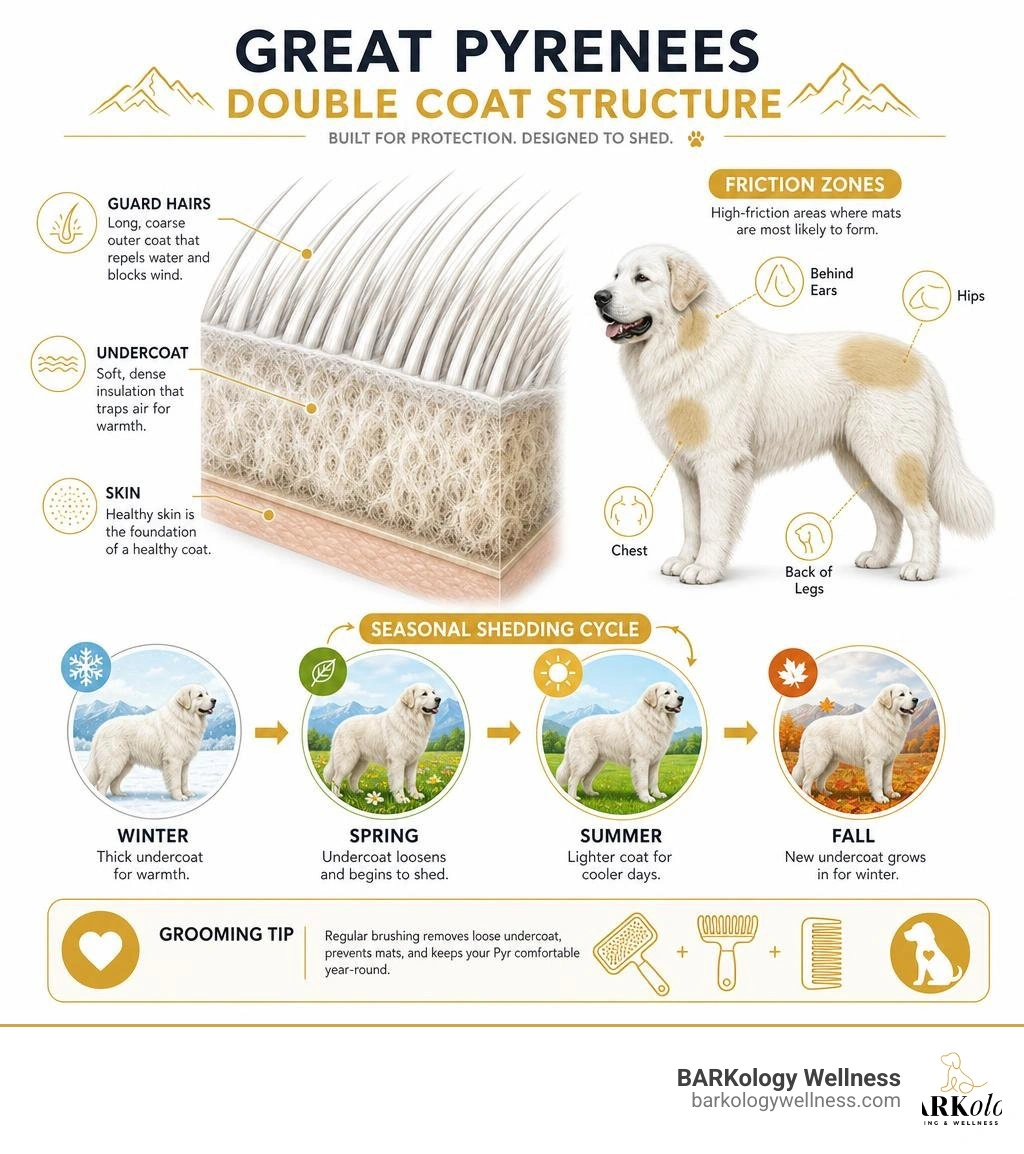
To understand why a cheap plastic brush from a grocery store won't cut it, we have to look at the anatomy of the Great Pyrenees coat. As a historic livestock guardian breed bred to work in harsh mountain climates, these dogs possess a specialized two-layer system that requires deliberate dog coat care.
- The Outer Coat (Guard Hairs): This layer consists of long, coarse, and straight white hairs. It is naturally dirt-resistant and weather-resistant. In fact, Great Pyrenees coats are famously "self-cleaning." If your Pyr goes outside and rolls in the mud, you will often find that once the mud dries, it simply flakes off, leaving their coat remarkably white again.
- The Undercoat: This layer is dense, soft, and woolly. It acts as an insulation barrier. In the winter, it keeps them warm; in the summer, it traps cool air near their skin.
This brings us to a crucial point about thermoregulation: never shave a Great Pyrenees. Shaving a double-coated breed disrupts their natural ability to regulate their body temperature. In hot, humid climates like Tampa FL and South Tampa FL, shaving actually makes them hotter because they lose their protective insulation against the heat and sun, exposing their sensitive pink skin to sunburn and heatstroke.
Because this undercoat does not easily fall out on its own, dead hair gets trapped. If left unbrushed, humidity and moisture (highly common in South Tampa FL) act as tightening agents. The loose, trapped undercoat quickly binds together, forming dense, painful mats.
These mats tend to accumulate in high-friction zones:
- Behind the ears (where fine hair tangles easily)
- Under the collar or harness
- In the armpits
- Along the chest and belly
- On the rear legs (often called their "pants" or "feathering")
- Around the base of the tail
We also have to watch out for what groomers affectionately call "grinch feet", the long, untrimmed tufts of hair growing between their paw pads. If left untrimmed, this hair can trap dirt, moisture, and bacteria, and it can even cause your dog to slip on smooth indoor floors. Keeping these areas maintained is a core part of proper Care and Grooming.
Choosing the Best Dog Brush for Great Pyrenees
When building your grooming toolkit, you cannot rely on just one tool. Different brushes serve entirely different purposes, and using them in the wrong order can pull on your dog's skin, turning grooming sessions into a stressful battle.
To help you manage this majestic coat, let's break down the essential tools you need in your home grooming kit:
| Tool | Primary Purpose | Key Features to Look For |
|---|---|---|
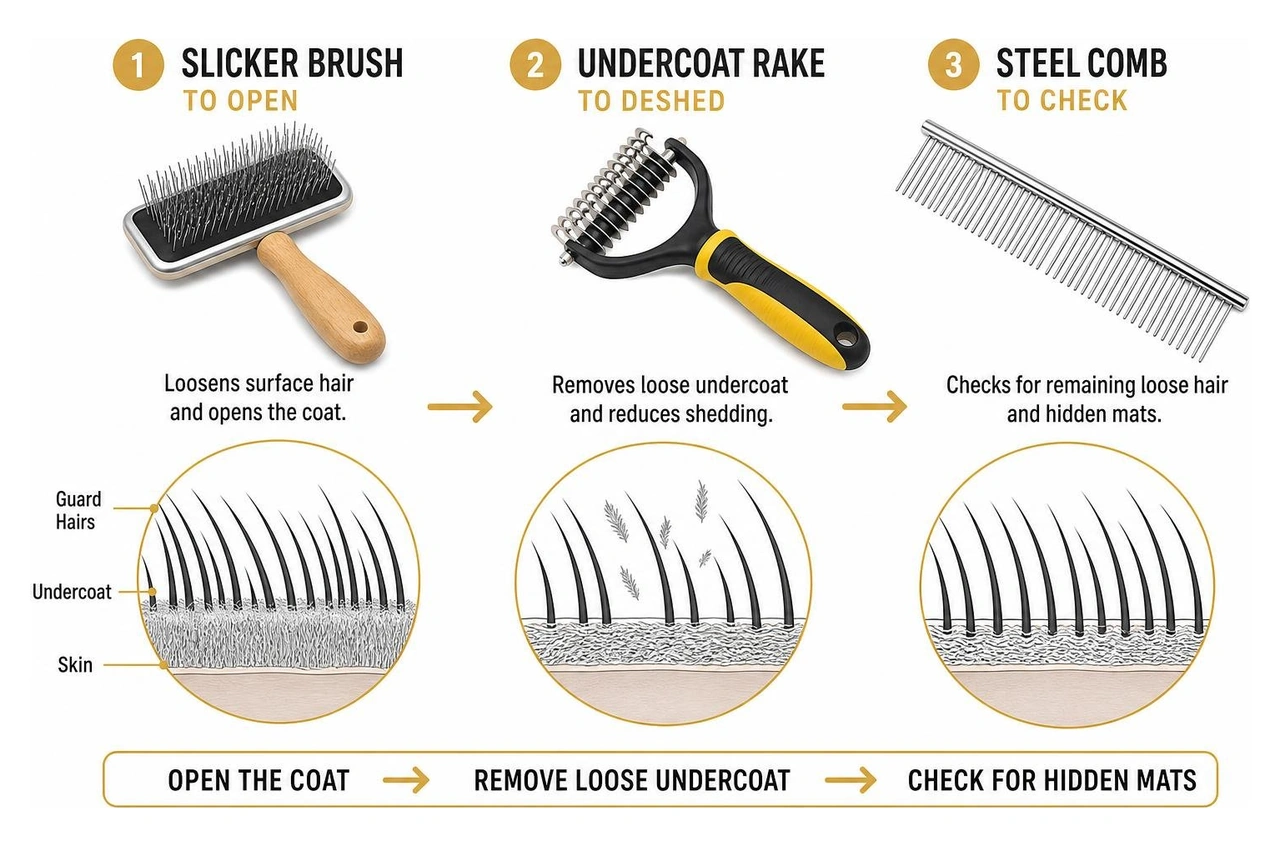
| Slicker Brush | Opens up the coat, detangles, and removes surface debris | Long, bent metal pins with a flexible cushion backing |
| Undercoat Rake | Penetrates deep to pull out loose, dead undercoat | Wide-spaced, rounded metal teeth to protect the skin |
| Stainless Steel Comb | Locates hidden mats and fluffs the coat | Dual-spaced teeth (medium and fine) made of solid metal |
| Deshedding Tool | Manages heavy seasonal shedding blowouts | Ergonomic handle, non-cutting teeth, skin-safe design |
For a complete routine, you want to invest in a dedicated deshedding dog brush that can pull out dead hair without scraping or irritating your Pyr's sensitive skin.
Why a Long-Pin Slicker is the Best Dog Brush for Great Pyrenees Overall
If we had to choose just one primary tool to start every grooming session, it would be a professional-grade, long-pin slicker brush. Standard slicker brushes designed for smaller breeds have short, stiff pins (about 12mm) that merely skim the surface of a Great Pyrenees coat. To actually reach the undercoat, you need extra-long pins.
The Chris Christensen Big G Slicker Brush is widely considered the gold standard for heavy, double-coated giant breeds. Here is why it stands out as the best dog brush for Great Pyrenees overall:
- 27mm Long Pins: These extra-long, bent steel pins are specifically designed to penetrate deeply through the thick outer guard hairs to separate the dense undercoat.
- 30% More Pins: The Big G model has a higher pin density than other models (like the Big K), making it incredibly efficient at grabbing loose undercoat and fluffing the hair.
- Flexible Cushion Pad: The flexible pad absorbs excess pressure, which is vital for preventing brush burn on your dog's skin.
- Ergonomic Design: Brushing a giant dog takes time. The comfortable, non-slip handle reduces hand and wrist fatigue during long sessions.
Using a high-quality slicker brush is the essential first step in proper dog brushing. It opens up the coat layers gently, making the rest of your grooming routine painless for your dog. For a deeper look at managing these heavy double coats, check out this comprehensive Best Brush for Great Pyrenees | Heavy Double Coat Guide.
Finding a Budget-Friendly Best Dog Brush for Great Pyrenees
If you are looking for highly effective tools that won't break the bank, there are excellent budget-friendly options that deliver professional-grade results. You don't have to spend a fortune to keep your walking cloud of fur looking majestic.
- Maxpower Planet Original Pet Grooming Rake: This double-sided undercoat rake is an absolute powerhouse. It features a dual-sided design with 9 teeth on one side for stubborn mats and tangles, and 17 teeth on the other for fast thinning and deshedding. It is highly effective, with users reporting that it reduces shedding by up to 95%. The rounded teeth make it completely safe, ensuring you never scratch your Pyr's skin.
- DOGI Deshedding Brush: This double-row stainless steel pin rake is another fantastic value tool. It is designed to glide through thick coats to pull out dead undercoat hair, claiming to reduce shedding by 90%. It is durable, easy to clean, and highly effective for weekly maintenance.
Adding a budget-friendly deshedding brush for dog to your routine ensures you can easily pull out those thick rolls of dead hair during seasonal transitions.
Is the FURminator Safe and Effective for a Great Pyrenees?
The FURminator deShedding Edge is one of the most famous grooming tools on the market, claiming to reduce shedding by up to 90%. However, its use on double-coated breeds like the Great Pyrenees is a topic of major debate among groomers and long-time owners.
Here is what you need to know to make an informed decision:
- How it works: The traditional FURminator deshedding tool uses a fine, tight metal blade that resembles a clipper blade.
- The Risk: Because the teeth are so close together and have a slight cutting edge, the tool can easily cut and damage the coarse outer guard hairs if used incorrectly. If you use too much pressure, run it over the same spot repeatedly, or use a "sawing" motion, you can strip the protective topcoat and cause painful brush burn.
- The Verdict: If you choose to use a blade-style FURminator, you must use it with extreme care. Use incredibly light pressure, short strokes, and always move in the direction of hair growth.
For a safer alternative, we highly recommend using the FURminator Grooming Rake instead. This tool features rounded, rotating metal pins that pull out loose hair and untangle mats without any cutting blades, making it a much safer choice for dog deshedding.
Step-by-Step Great Pyrenees Grooming Routine
To keep your Great Pyrenees looking like a majestic, clean mountain dog rather than a tangled mess, you need a systematic, layered approach. Brushing randomly over their back won't cut it.
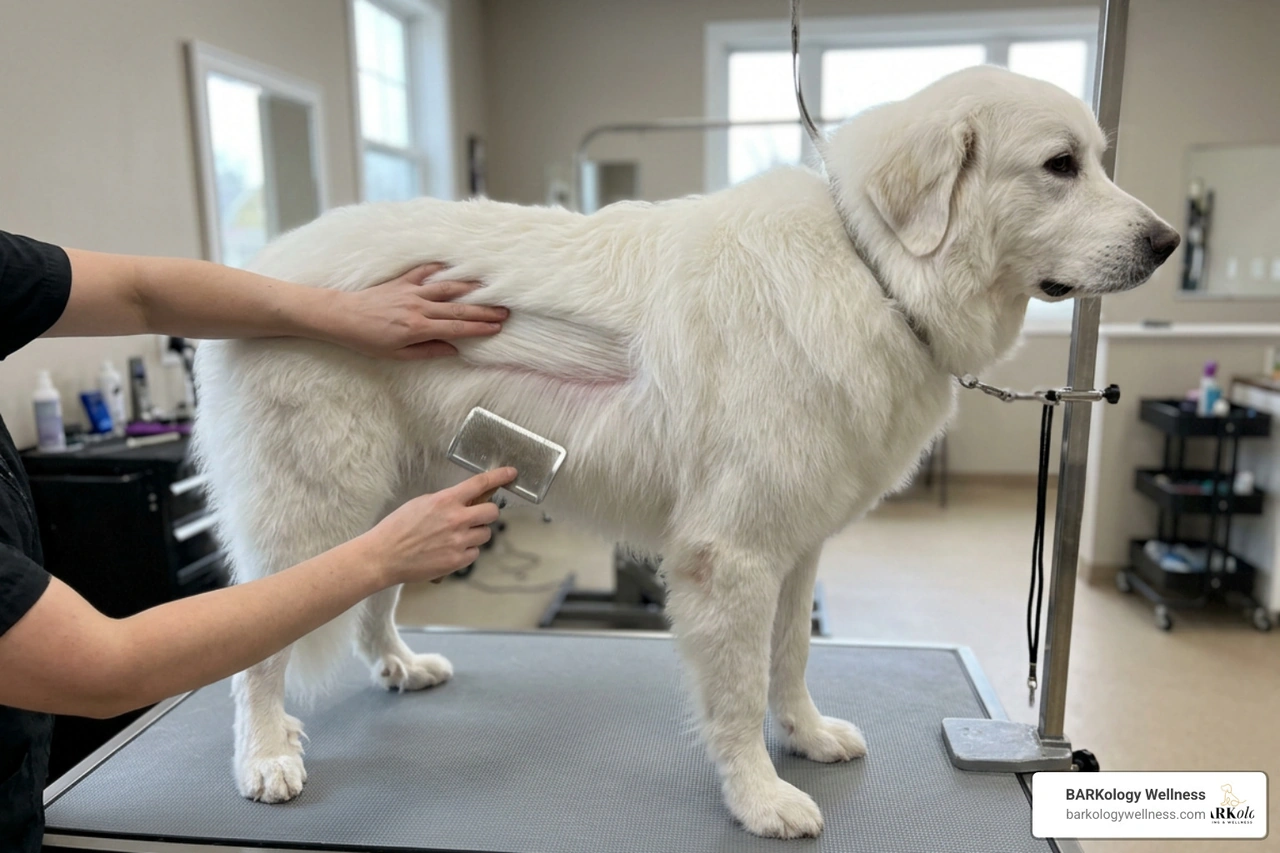
Follow this step-by-step professional routine to ensure you brush all the way down to the skin:
- Start with a Completely Dry Coat: Never brush a wet Great Pyrenees. Water acts as a tightening agent on loose hair, shrinking existing tangles into tight, solid mats. If your dog just came in from a rainy Tampa walk, let them dry completely before you begin.
- Set up a Calm Environment: Choose a quiet spot. If your dog is prone to moving around, using an elevated surface (like a sturdy table with a non-slip rubber mat) can establish a calm boundary and prevent them from treating grooming as playtime.
- Line Brushing (The Golden Technique): Use your fingers to part the hair horizontally, exposing the skin. Hold the top section of hair up with one hand.
- Slicker Brush First: With your other hand, use your long-pin slicker brush to gently brush the exposed hair downward, starting from the roots near the skin and working to the tips. Work systematically in small, defined sections (e.g., start at the rear legs and work forward).
- Undercoat Rake Second: Once a section is opened up by the slicker brush, gently run your undercoat rake through the same section at a 45-degree angle. This will effortlessly pull out the loose, dead undercoat without tugging.
- The Steel Comb Test: Finish the section by gliding a solid metal comb through the hair. If the comb snags, you have found a hidden knot. Do not pull; use your slicker brush to gently tease it out from the tips of the hair up to the root.
- Clean the "Grinch Feet": Inspect the bottom of the paws. Use professional animal clippers to safely trim the excess hair flush with the paw pads to prevent slipping.
By mastering these advanced dog grooming techniques, you turn a potentially stressful chore into a highly efficient, comfortable routine for both you and your dog.
Common Grooming Mistakes to Avoid
Even well-meaning owners can make mistakes that damage their dog's coat or make grooming sessions painful. Understanding the dog grooming science behind double coats can help us avoid these four common pitfalls:
- Surface Brushing: This is the most common mistake. Owners run a brush over the top of the dog's coat, making them look beautifully fluffy. However, they completely miss the dense undercoat underneath. Over time, that trapped undercoat packs tightly against the skin, leading to severe matting that eventually forces a groomer to shave the dog.
- Bathing Before Brushing: Water causes loose hair to felt and shrink. If you bathe a matted dog before thoroughly brushing them out, you will lock those mats in place, making them nearly impossible to remove without clippers. Always brush first, bathe second.
- Using the Wrong Tool Order: Trying to run a metal comb or an undercoat rake through a tangled coat before opening it up with a slicker brush is highly painful. It pulls on the skin and will quickly make your dog hate being groomed.
- Shaving the Coat: As mentioned, shaving a Great Pyrenees is dangerous. It ruins their natural thermoregulation, increases their risk of heatstroke in the Florida heat, exposes them to sunburn, and can permanently damage the hair follicles, causing the coat to grow back patchy, coarse, and prone to severe tangling.
Frequently Asked Questions About Grooming a Great Pyrenees
How often should I brush my Great Pyrenees to manage shedding?
At a minimum, you should dedicate 30 minutes at least once a week for a thorough grooming session during normal shedding periods. However, during their seasonal "coat blows" (which happen twice a year as seasons change), you should increase this to 2 to 3 times a week, or even daily.
That Great Pyrenees puppies have a single-layer coat for roughly their first year. Their dense adult double coat will begin to develop around 6 months to 1 year, but it won't fully mature until they are 1 to 2 years of age. Starting a weekly routine early helps them get comfortable with the tools before their heavy adult coat arrives.
What areas of a Great Pyrenees are most prone to matting?
Mats form most rapidly in high-friction zones where the fur rub together or against collars and harnesses. The most critical areas to inspect daily are:
- Behind the ears: The fur here is exceptionally fine and soft.
- The collar and harness area: Constant friction compresses the undercoat.
- The armpits and chest: High-movement areas that trap moisture.
- The rear "pants" and feathering: Long hair on the back legs that gets dirty easily.
- The base of the tail: A highly active area prone to catching debris.
What should I do if my Great Pyrenees hates being brushed or has severe mats?
If your dog resists grooming, you must go slowly. Start by letting them sniff the brush, then immediately reward them with a high-value treat (like freeze-dried liver or peanut butter on a lick mat). Keep initial sessions incredibly short, just 1 to 2 minutes brushing non-sensitive areas like the chest, and gradually build up their tolerance.
If your Great Pyrenees has developed tight, painful mats that sit flush against the skin, do not try to cut them out with scissors. It is incredibly easy to accidentally cut your dog's thin skin. Instead, apply a high-quality detangling spray to see if you can gently tease it apart with your fingers and a slicker brush. If the mat is solid, tight, or causing your dog discomfort, it is time to seek professional help.
Conclusion
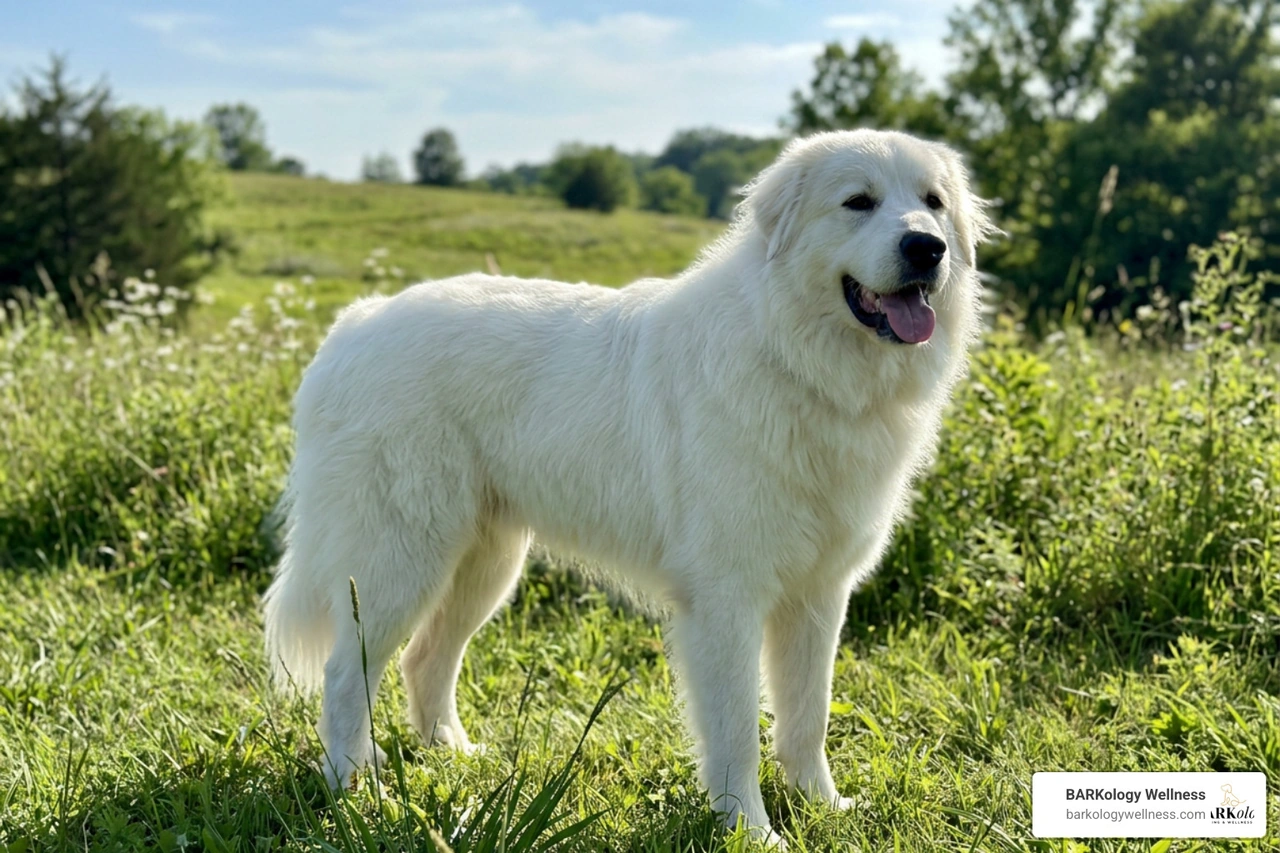
Grooming a Great Pyrenees is undoubtedly a commitment, but sharing your life with one of these gentle, majestic giants is worth every minute of coat maintenance. By building a toolkit with the best dog brush for Great Pyrenees, starting with a high-quality long-pin slicker, an undercoat rake, and a steel comb, you can easily manage the "Pyr blizzard" and keep your dog's coat healthy, clean, and beautiful.
Home grooming is also a wonderful opportunity to bond with your dog and inspect their skin for any unusual lumps, bumps, or pests. However, managing a giant breed's double coat can sometimes feel overwhelming, especially during heavy seasonal blowouts or in our hot, humid Tampa FL climate.
That is where we come in. At BARKology South Tampa, we offer luxury dog grooming and wellness services designed to blend advanced grooming science with pampering care. Our serene, stress-free environment in South Tampa FL is designed to make even the largest dogs feel like royalty. Whether your Pyr needs a deep deshedding treatment, professional mat removal, or a refreshing bath to keep their white coat sparkling, we are here to help.
Ready to give your gentle giant the royal treatment? Book a Luxury Grooming Session with us today, and let us take care of the heavy lifting!