
Why Doggie Breath Is More Than Just a Nuisance
Finding what's best for dogs' teeth and breath doesn't have to be complicated, here's a quick look at the top options:
| Product Type | Best For | Example Products |
|---|---|---|
| Water Additives | Easy daily prevention | Oxyfresh, TropiClean, Dental Fresh |
| Dental Chews | Mechanical plaque scraping | Pedigree Dentastix, Minties, Greenies |
| Dental Powders | Microbiome support | Bright Bite, postbiotic-based formulas |
| Oral Sprays | Quick breath freshening | Arm & Hammer enzymatic spray |
| Professional Cleaning | Deep tartar removal | Vet or groomer-performed scaling |
Dog kisses are one of life's great joys, until the smell hits you. Bad breath in dogs is one of the most common complaints from pet parents, and it's rarely just about what your pup ate for lunch.
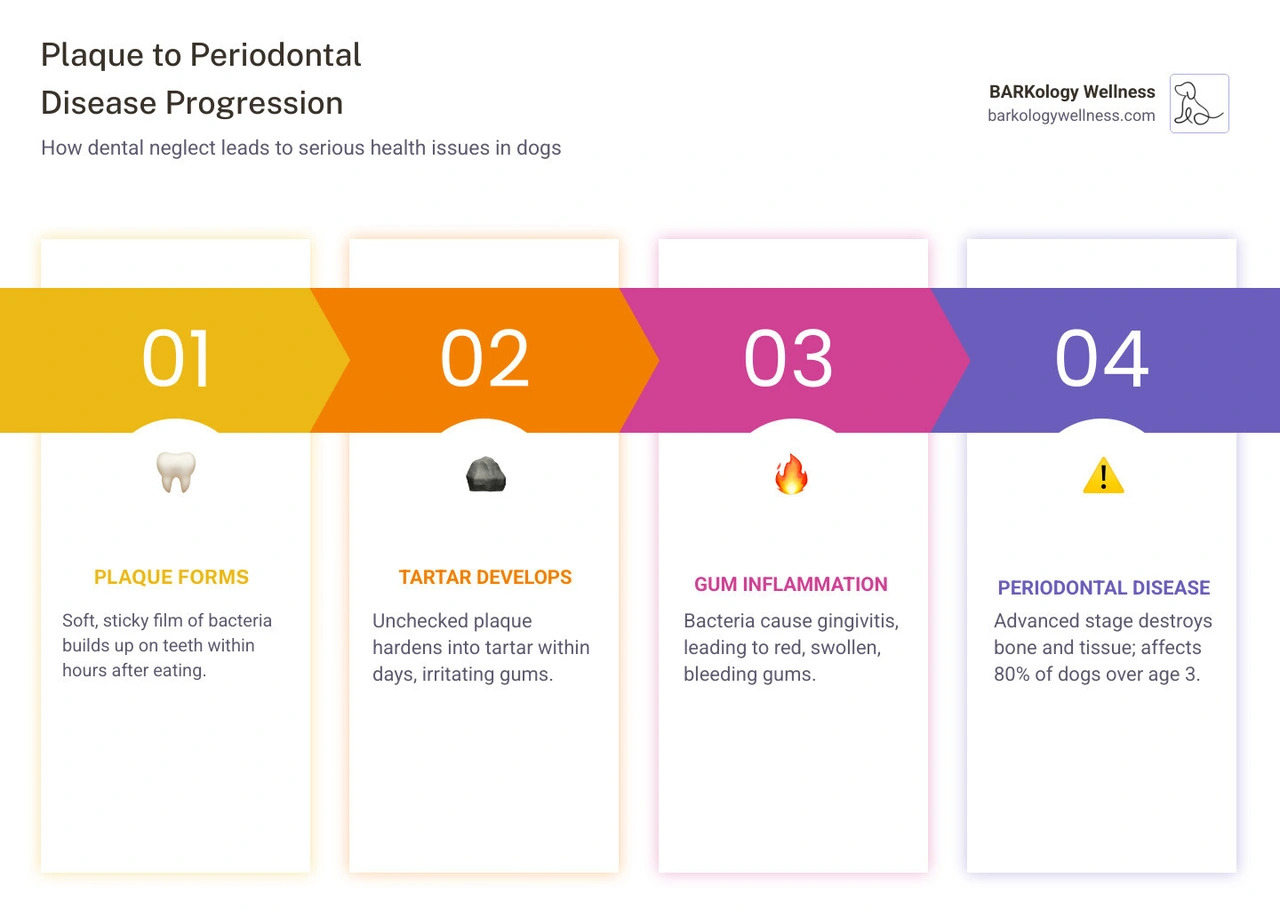
The real culprit is almost always plaque buildup. Left unchecked, plaque hardens into tartar, which triggers bacterial growth, gum inflammation, and eventually periodontal disease. In fact, 80% of dogs over age 3 already show signs of periodontal disease, largely because only about 2% of dog owners provide daily dental care.
And it goes deeper than just bad breath. Harmful oral bacteria can travel through the bloodstream and affect the heart, kidneys, and liver. That's why choosing the right dental products, and pairing them with professional care, genuinely matters for your dog's overall health.
I'm Nabilah Shamseddine, franchise entrepreneur and leader at BARKology Wellness, where I've spent years helping dog owners in Tampa find premium, health-focused care solutions, including what's truly best for dogs' teeth and breath. In this guide, I'll walk you through the top-rated products, what ingredients to look for, and how to build a routine that keeps your pup's smile healthy between professional cleanings.
Best for dogs teeth and breath terms you need:
Why Professional Care and Home Routines are Best for Dogs Teeth and Breath
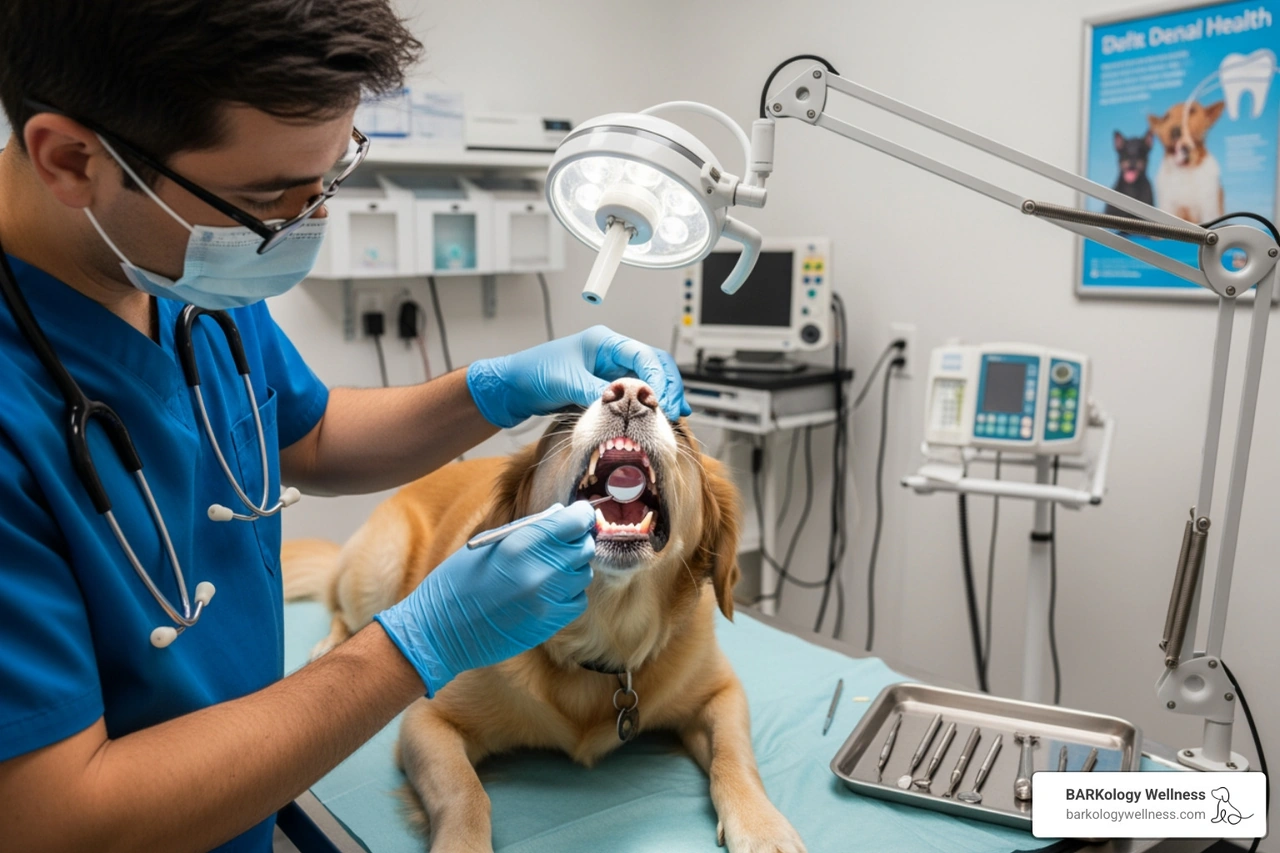
If we want the real answer to what is best for dogs teeth and breath, it is not one miracle product. It is a combination of professional dental care plus consistent home maintenance.
Dogs have 42 adult teeth, and their enamel is much thinner than ours. Research summarized in our source material notes that dogs may have 5 to 10 times less enamel than humans, which means their teeth can wear down or fracture more easily than many people realize. That is one reason we never recommend assuming a very hard chew is automatically a better dental tool.
The most common causes of bad breath and dental issues in dogs include:
- Plaque and tartar buildup
- Gingivitis and periodontal disease
- Food or debris stuck between teeth
- Eating garbage or stool
- Crowded teeth, especially in small breeds
- Broken or infected teeth
- Underlying illness, including kidney disease, liver disease, or diabetes
Plaque is the soft film of bacteria, saliva, and food debris that collects on teeth every day. Tartar is what happens when that plaque hardens with minerals from saliva. Once tartar forms, especially below the gumline, brushing and chews usually cannot remove it fully. That is where professional cleaning matters.
At BARKology Wellness in South Tampa, we always encourage dog owners to think of home dental products as support tools, not full substitutes for exams and deep cleanings. If your dog's mouth already smells like something crawled in there and gave up, that is a sign to step beyond breath fresheners and look at the underlying cause.
Professional care is important because it can help identify:
- Gum pockets and inflammation
- Tooth fractures
- Advanced tartar under the gumline
- Loose teeth
- Pain that dogs often hide surprisingly well
For a deeper look at causes and next steps, read our guide on bad breath in dogs. If your dog already has visible tartar or inflamed gums, our article on deep dental cleaning for dogs explains why deep cleaning is often necessary.
Home care still matters a lot. Even partial plaque disruption helps. Daily brushing is ideal, but several experts in the research agree that consistent care, even if not perfect, is better than doing nothing. Water additives, chews, sprays, and powders can all play a role in reducing bacteria, improving breath, and slowing plaque buildup between professional cleanings.
Top-Rated Solutions for Fresh Breath and Clean Teeth
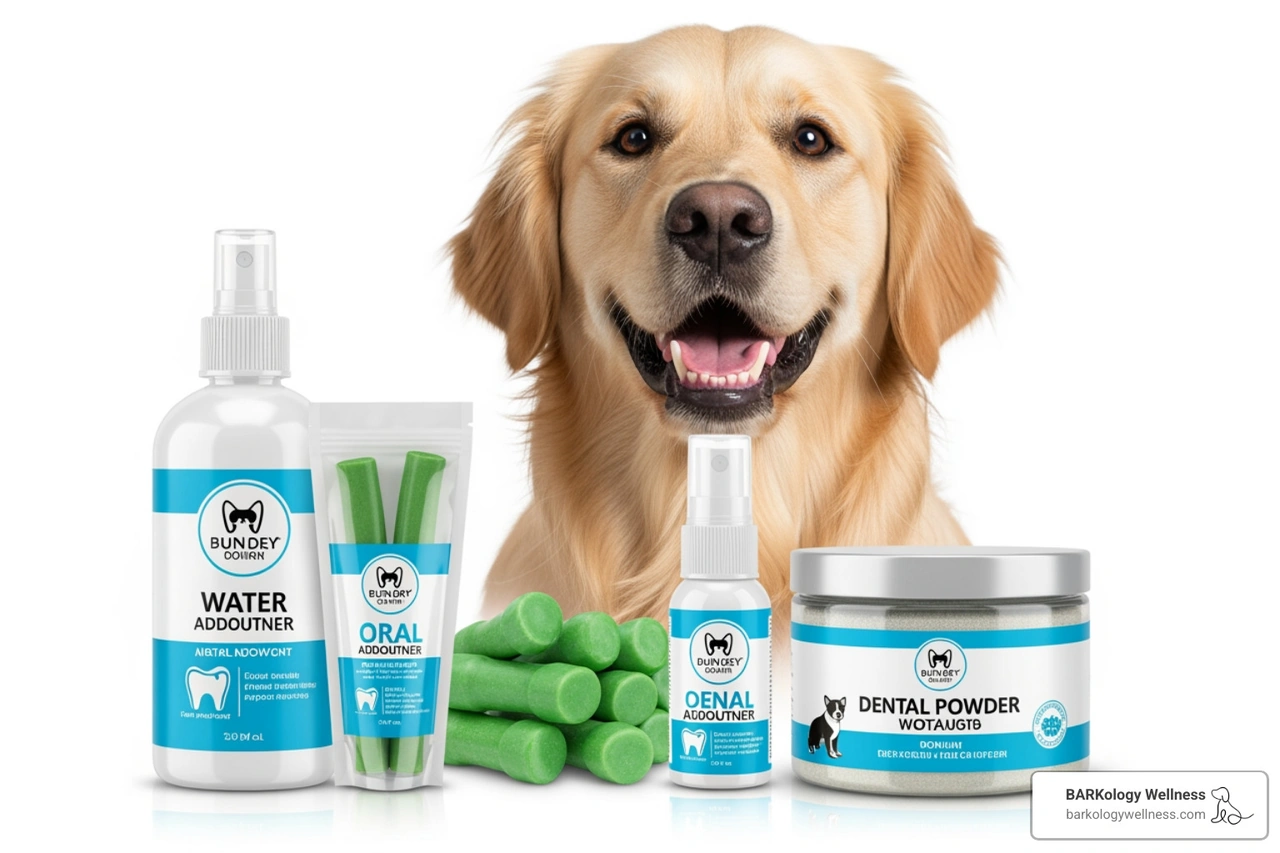
In May 2026, the dog dental market is packed with options. The main categories are water additives, dental chews, oral sprays, and dental powders. Each works a little differently.
Here are some of the most popular products based on ratings, reviews, and sales volume from the research:
- Oxyfresh Premium Pet Dental Care Solution: 35,794 ratings, 4.3 out of 5 stars, and more than 20,000 bought in the past month
- Minties Dental Chews for Dogs: 30,886 ratings, 4.5 out of 5 stars, and more than 10,000 bought in the past month
- TropiClean Fresh Breath Water Additive: 30,850 ratings with 4.3 out of 5 stars
- Pedigree Dentastix Large Breed Dog Treats: 65,261 ratings with 4.8 out of 5 stars and more than 10,000 bought in the past month
- Dental Fresh Advanced Plaque and Tartar Water Additive: 22,924 ratings with 4.3 out of 5 stars and more than 9,000 bought in the past month
- Nylabone Advanced Oral Care Pet Dental Water Additive: 21,176 ratings with 4.2 out of 5 stars
Below is the quick comparison most pet parents want.
| Product Type | How It Works | Best Use Case | Pros | Limits |
|---|---|---|---|---|
| Water additives | Mix into drinking water to reduce odor-causing bacteria | Dogs who hate brushing | Easy, low effort, daily use | Less mechanical cleaning |
| Dental chews | Scrape teeth through chewing action | Dogs who enjoy treats and chewing | Best plaque scraping at home | Calories, choking risk, size matters |
| Oral sprays | Coat teeth and gums with breath-freshening or enzymatic ingredients | Fast breath help | Convenient, portable | Usually weaker on tartar |
| Dental powders | Add to food for microbiome and breath support | Picky dogs or easy daily routines | No brushing needed, simple dosing | Not as strong for existing tartar |
Our roundup of standout options
- Oxyfresh Premium Pet Dental Care Solution
A very popular water additive for easy daily use. It is best for owners who want a no-fuss routine. Water additives like this can help with odor and bacterial load, but they work best when paired with a chew or brushing.
- TropiClean Fresh Breath Water Additive
Another top seller in the water-additive category. These formulas are often chosen for convenience and can help maintain fresher breath over time.
- Dental Fresh Advanced Plaque and Tartar Water Additive
This one is commonly used for dogs that need simple daily support. As with other additives, results depend on regular use and whether your dog keeps drinking their normal amount of water.
- Minties Dental Chews
Among the most widely reviewed dental chews. Chews like these work through texture and chewing friction, which can help reduce plaque while freshening breath.
- Pedigree Dentastix
One of the highest-rated options in the research. Dental chews often get strong customer feedback because they are easy to give and dogs usually think they are snacks, not oral care. A suspiciously delicious toothbrush, if you will.
- Arm & Hammer oral spray
Sprays are convenient for quick breath help and can fit into a broader routine. If you want more on this category, see our guide to dental spray for dogs.
- Bright Bite Dental Powder
A powder approach focused on oral microbiome support. The research points to clinically validated postbiotics and reported benefits in as little as 7 days for some dogs.
- Pupford Dental Chew
This chew stands out for dogs with sensitive stomachs. According to the product research, its postbiotic formula showed reduced bad-breath compounds within 7 to 14 days in a peer-reviewed study.
For readers researching additional product formats, these pages may also be helpful:
- Ark Naturals Brushless Toothpaste Extreme Clean Dog Dental Chews
- Woof - Bite n' Brush
- Purina DentaLife Large Breed Daily Oral Care Dog Chews
- Dental Chew for Dogs and Puppies
- Bright Bite Dental Powder
- Dental Hygiene Chews
Choosing the Best for Dogs Teeth and Breath Based on Size
Small dogs and large dogs do not shop the same dental aisle.
Small breeds are especially prone to dental disease because their teeth are often crowded into smaller jaws. That crowding traps plaque and food more easily. They may benefit from:
- Smaller, softer chews
- Daily water additives or powders
- More frequent professional dental attention
- Careful calorie control because even one chew can be a large percentage of daily intake
Large dogs may need:
- Larger chews sized for their jaws
- Durable but not rock-hard textures
- Products designed for extended chewing time
- Daily maintenance if they are heavy chewers or tartar-prone
Safety matters here. The wrong chew size can be a choking risk or may be swallowed too quickly. The wrong hardness can lead to cracked teeth. Many veterinary dental experts suggest the fingernail test: if you cannot press your nail into the chew at all, it may be too hard for regular dental use.
A few sizing examples from the research:
- Purina DentaLife large breed chews are intended for adult dogs over 40 pounds, with modified feeding for dogs 15 to 40 pounds
- Woof Bite n' Brush lists small for dogs 10 to 30 pounds and large for dogs 30 pounds and up
- Ark Naturals lists small for dogs over 10 pounds and large for dogs over 30 pounds
Key Ingredients that are Best for Dogs Teeth and Breath
When comparing products, we look beyond marketing words like "fresh" and "minty." The better question is: what ingredients or design features actually support oral health?
Here are the most useful things to look for:
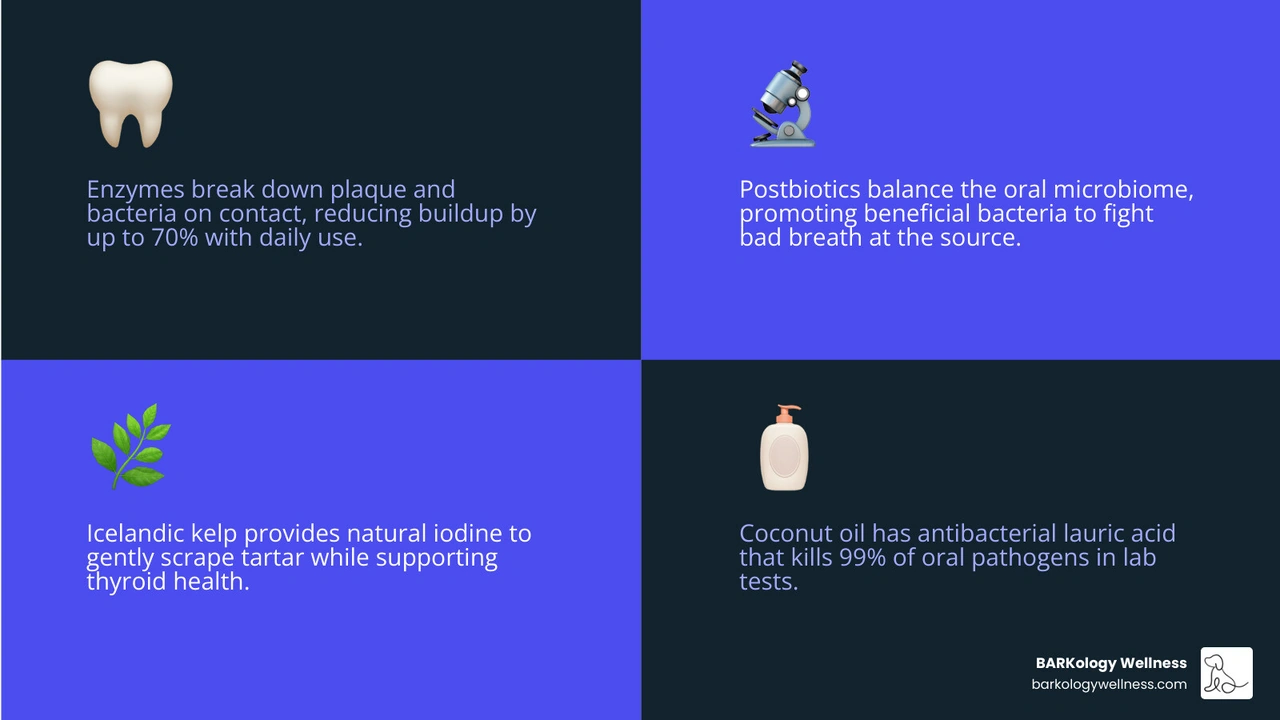
- Enzymes: Often used in sprays and toothpastes to help break down debris and bacteria
- Postbiotics: Included in some newer chews and powders to support a healthier oral microbiome
- Sodium polyphosphates: Used in some chews to help reduce tartar formation
- Kelp, including Icelandic kelp: Featured in some powders for gum and tooth support
- Peppermint and parsley: Mostly for breath improvement, though not enough alone for serious dental disease
- Coconut oil: Sometimes included for breath and oral support
- Textured chew surfaces: Ridges, grooves, and porous textures help scrape teeth mechanically
- VOHC seal: A strong sign the product has been independently evaluated for plaque or tartar claims
The VOHC seal is especially important if you want evidence-backed choices. Research in our source set notes that VOHC-accepted products have gone through trials for safety and effectiveness in reducing plaque and tartar. That does not make every non-VOHC product ineffective, but it is a useful filter.
For dogs with sensitive stomachs, simpler ingredient lists, grain-free options, or formulas made with digestive support may be worth considering. Always match the product to your dog's chewing style, age, food sensitivities, and dental condition.
How to Safely Introduce Dental Products to Your Dog
Even the best for dogs teeth and breath product can go wrong if introduced too fast or used incorrectly.
Here is the safest approach:
- Start with one product at a time
Do not add a chew, a water additive, a powder, and a spray all in the same weekend. If your dog gets diarrhea, refuses water, or seems uncomfortable, you will not know what caused it.
- Follow the age and size instructions
Some products are intended only for adult dogs or for puppies over a certain age. In the research:
- Ark Naturals was listed for dogs 12 weeks and older
- Dinovite was listed for dogs 6 months and older
- Purina DentaLife large breed was not for puppies under one year or dogs under 15 pounds
- Introduce water additives gradually
Some dogs notice a taste change and drink less at first. That is why a slow introduction helps. If water intake drops, stop and reassess.
- Supervise all chews
Always. Even if your dog has eaten a hundred dental chews before. Enthusiasm is not the same thing as caution.
- Use the fingernail test
If the chew is extremely hard, skip it. Dogs have thinner enamel than we do, and fractured teeth are expensive, painful, and very un-fun.
- Watch calories
Most dental chews count as treats and should fit within your dog's daily calorie budget. Some product guidance in the research says treats should stay under 10% of daily calories.
- Expect some trial and error
Some dogs love powders on food. Others act like you ruined their five-star dinner. Some accept sprays. Others react as though the bottle contains betrayal.
Brushless options can also help if your dog dislikes a toothbrush. For example, some products use textured chews or toothpaste-filled centers to combine chewing with oral-care ingredients.
Frequently Asked Questions about Dog Dental Health
Can dental chews replace professional veterinary cleanings?
No. Dental chews are supplements, not replacements.
Chews can help scrape plaque from tooth surfaces, and some clinically tested products can reduce tartar over time. But they cannot clean under the gumline, probe for periodontal pockets, take dental X-rays, or remove established tartar the way a veterinary dental procedure can.
That distinction matters because much of dental disease is hidden below the gumline. Professional veterinary cleanings generally involve scaling, polishing, and evaluation under anesthesia so the full mouth can be assessed thoroughly.
If you are in Tampa or South Tampa and your dog has heavy tartar, inflamed gums, bleeding, or loose teeth, it is time to seek local professional care rather than relying on a breath freshener alone. Home products are best thought of as between-cleaning maintenance.
How quickly will I see results in my dog's breath?
It depends on the product and the cause.
For mild odor caused by surface bacteria, some dogs show fresher breath within a few days. Research on postbiotic products suggests certain formulas may improve odor-causing compounds within 7 to 14 days. That time frame showed up repeatedly in the source material for both powders and chews built around oral microbiome support.
Water additives and sprays may seem faster because they freshen breath quickly, but if plaque and tartar are the real issue, the improvement may be temporary unless you address the buildup too.
If you want a broader overview of options for fresher breath, visit our fresh breath treatment page.
As a general rule:
- Sprays: fastest cosmetic improvement
- Water additives: steady maintenance with daily use
- Chews: good for ongoing plaque control
- Powders: often gradual, especially for microbiome support
- Professional cleaning: biggest difference when tartar is already established
What are the warning signs of serious dental disease?
Bad breath alone deserves attention, but some signs mean you should contact a veterinary professional promptly.
Watch for:
- Breath that smells fruity or sweet
- Breath that smells like ammonia or urine
- Extremely foul, rotten, or decaying odor
- Bleeding gums
- Swollen or very red gums
- Loose, broken, or discolored teeth
- Excess drooling
- Difficulty chewing
- Dropping food
- Loss of appetite
- Lethargy
- Weight loss
- Facial swelling
Those odors can point to more than dental buildup. Sweet breath may be linked with diabetes. Ammonia-like breath can be associated with kidney issues. A very foul odor can occur with advanced infection or tissue damage.
If your dog in Tampa is showing these signs, do not wait for a water additive to perform miracles. Get professional dental care and medical evaluation.
Conclusion
So, what is truly best for dogs teeth and breath? In our experience, it is a layered routine:
- Professional dental exams and cleanings when needed
- Daily or near-daily home care
- A product type your dog will actually accept
- Safe sizing and texture for your dog's breed, age, and chewing style
- Ingredients or claims that are backed by evidence, ideally including the VOHC seal
Water additives are great for convenience. Chews are usually the strongest option for mechanical plaque reduction. Sprays can help fast breath issues. Powders are promising for microbiome support. But none of them should replace professional attention when disease is already present.
At BARKology Wellness, we believe oral care should be part of whole-dog wellness, not an afterthought hidden behind a minty label. Our South Tampa approach blends luxury care with practical, health-focused support so dogs can feel good, smell better, and keep their tails wagging.
If you want to build a more complete wellness routine for your dog, explore more info about wellness services.