
Understanding the Root Causes of Skin Inflammation
Canine dermatitis home remedies can offer real, meaningful relief for your dog's itchy, inflamed skin, often using ingredients you already have in your kitchen.
Quick Answer: Best Home Remedies for Canine Dermatitis
| Remedy | How to Use | Best For |
|---|---|---|
| Colloidal oatmeal bath | Soak 10-15 min, 2-3x/week | General itching and inflammation |
| Diluted apple cider vinegar | 1:1 with water, spray on intact skin | Yeast overgrowth, pH imbalance |
| Coconut oil | Apply thin layer directly to skin | Dry patches, skin barrier support |
| Chamomile or green tea soak | Brew, cool, apply or soak | Hot, irritated skin patches |
| Aloe vera gel | Apply pure gel to affected area | Redness and minor irritation |
| Omega-3 supplements | Add fish oil to food (vet-dosed) | Long-term inflammation reduction |
| Plain sugar-free yogurt | Small amount added to meals | Gut health and yeast-related skin issues |
If you've ever watched your dog scratch relentlessly, chew at their paws, or rub their face against every surface in the house, you know how helpless it can feel. Canine dermatitis is one of the most common reasons dogs are uncomfortable, and it can stem from everything from seasonal pollen to what's in their food bowl.
The good news? Many mild to moderate cases respond well to simple, natural approaches before you ever need to call the vet.
This guide walks you through the most effective kitchen-based remedies, what actually causes the problem, and, just as importantly, when it's time to stop treating at home and get professional help.
I'm Nabilah Shamseddine, franchise entrepreneur and wellness leader behind BARKology Wellness, where a passion for premium, health-focused pet care informs everything we do, including helping dog owners understand practical options like canine dermatitis home remedies. Let's start with what's actually going on with your dog's skin.
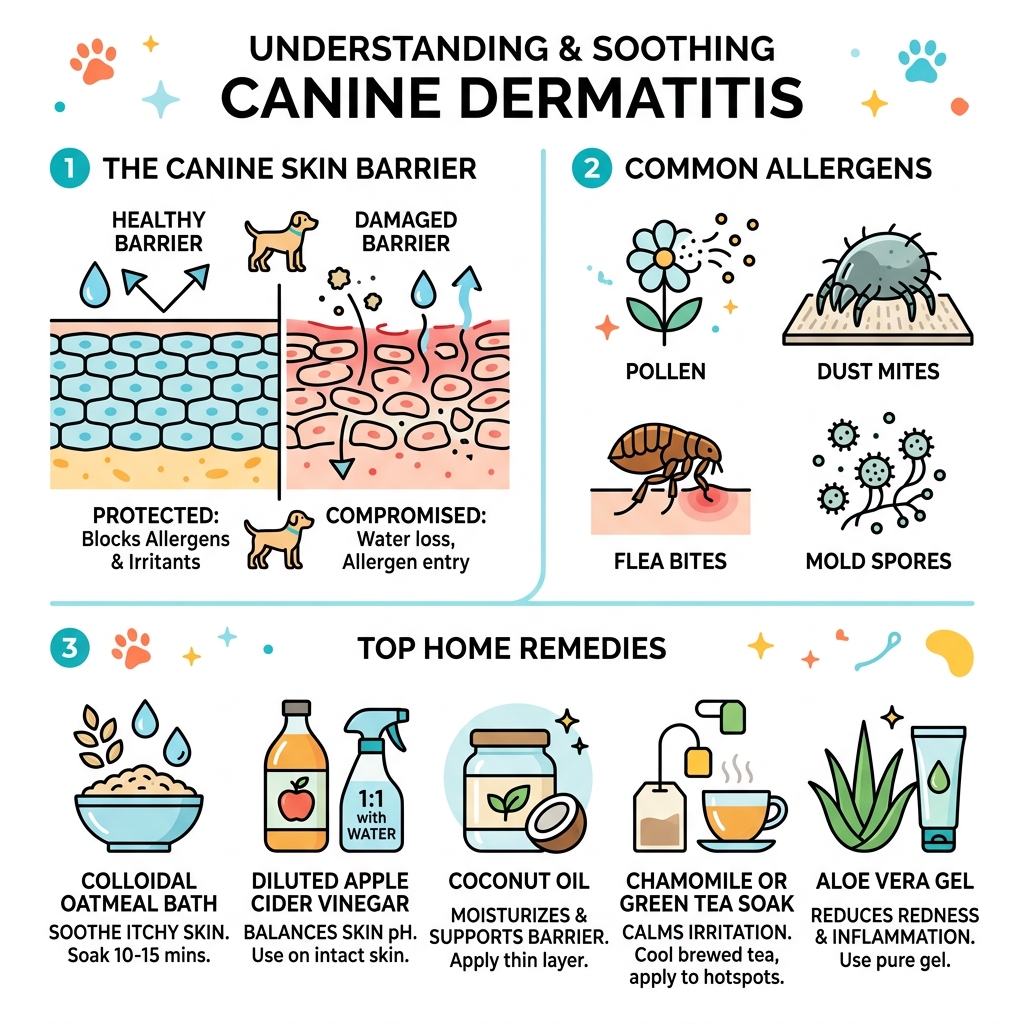
Dermatitis is a broad term that essentially means "inflammation of the skin." When your dog’s skin barrier, the protective outer layer, is compromised, it sends the immune system into overdrive. In our sunny South Tampa climate, environmental factors play a massive role in these flare-ups.
Common triggers include:
- Environmental Allergens: Pollen, grasses, and weeds are major culprits. Just as humans in Florida suffer from seasonal allergies, dogs experience "atopic dermatitis," where they absorb these allergens through their skin.
- Flea Saliva: Believe it or not, even a single flea bite can cause an intense allergic reaction in sensitive dogs. This is known as flea allergy dermatitis.
- Dust Mites and Mold: These microscopic hitchhikers live in carpets and bedding, feeding on skin flakes and triggering year-round itching.
- Contact Irritants: Harsh household cleaners, scented laundry detergents, or even certain lawn treatments can cause immediate redness upon contact.
- Microbial Overgrowth: When the skin is irritated, the natural balance of Staphylococcus bacteria and Malassezia yeast can get out of whack, leading to secondary infections that smell "musty" or "cheesy."
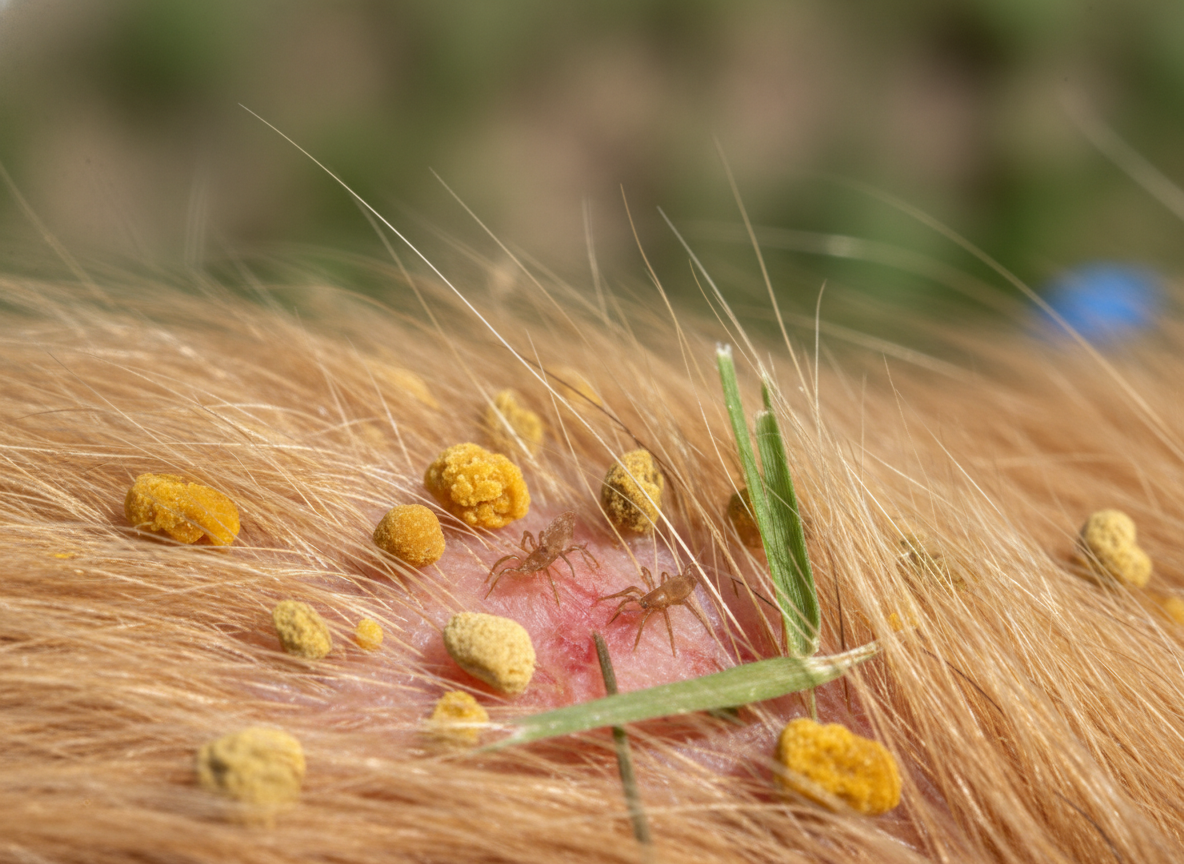
Knowing how to treat dog dermatitis at home starts with understanding that your dog's skin is their first line of defense. When that defense fails, we see the classic signs: red bellies, stained paws from constant licking, and thinning hair. Certain breeds, including Bulldogs, Retrievers, Boxers, and Frenchies, are genetically more prone to these issues, but any dog can suffer if the environment isn't managed.
Identifying Triggers for Canine Dermatitis Home Remedies
Before reaching for the oatmeal, we recommend playing detective. Symptom logging is a powerful tool. Note when the itching started, did it happen after a walk in the grass? Did you just wash their bedding with a new scented detergent?
To reduce the allergen load in your home, we suggest:
- Fragrance-Free Living: Switch to dye-free, scent-free laundry soaps for anything your dog touches.
- HEPA Vacuuming: Use a vacuum with a HEPA filter 2–3 times weekly to pull dust mites and pollen out of your rugs and upholstery.
- Wipe the Paws: After every walk, use a damp cloth to wipe your dog's paws and belly. This removes environmental triggers before they can settle into the skin.
For those looking for a more comprehensive approach to skin health, exploring more info about wellness services can help bridge the gap between home care and professional maintenance.
7 Proven Canine Dermatitis Home Remedies for Instant Relief
When your dog is in the middle of an "itch fit," you need solutions that work fast. These seven canine dermatitis home remedies utilize common household items to calm the storm.
1. Colloidal Oatmeal Baths
Oatmeal contains "avenanthramides," which are natural anti-inflammatory and anti-itch compounds. To make this at home, grind plain, unflavored oats into a fine powder using a blender. Mix it into lukewarm water until it looks like milk. Let your dog soak for 10–15 minutes. It’s the gold standard for 5 home remedies for your dog’s itchy skin because it moisturizes while it soothes.
2. Apple Cider Vinegar (ACV) Rinse
ACV is fantastic for restoring the skin's natural pH and discouraging yeast growth. Crucial rule: Never use ACV on open sores or raw skin, as it will sting. Mix one part raw, unfiltered ACV with one part water in a spray bottle. This is particularly effective for dogs who "smell like corn chips," a common sign of yeast overgrowth on the paws or belly.
3. Organic Coconut Oil
Rich in lauric acid, coconut oil has antibacterial and antifungal properties. It acts as a natural barrier balm. Massage a small amount into dry, crusty patches once or twice daily. Many owners notice softer skin within just a week of consistent use.
4. Chamomile and Green Tea Soaks
If your dog has "hot spots" or localized red patches, brew a strong pot of chamomile or green tea. Let it cool completely in the fridge. You can either use the tea bags directly as a compress or put the tea in a spray bottle. The tannins in the tea help "dry out" moist, irritated areas and reduce heat.
5. Pure Aloe Vera
If you have an aloe plant, the gel inside is a cooling miracle for minor burns and skin irritation. Ensure you are using 100% pure gel without added alcohols or fragrances. It provides immediate cooling relief for red, angry-looking skin.
6. Epsom Salt Soaks
For dogs that won't stop licking their paws, an Epsom salt soak can work wonders. Dissolve the salts in lukewarm water and let their paws soak for 5–10 minutes. This helps draw out toxins and reduces swelling in the "interdigital" spaces (between the toes).
7. Baking Soda Paste
For specific, itchy spots, mix baking soda with a tiny bit of water to create a thick paste. Apply it to the itchy area and leave it for 20 minutes before rinsing. It’s a great way to neutralize acids and stop the "itch-scratch cycle" in its tracks.
Comparison of Topical Remedy Application Methods
| Method | Best For | Frequency |
|---|---|---|
| Full Bath | Widespread itching / Full body relief | 1-2 times per week |
| Spray Bottle | Hard-to-reach areas / Belly / Legs | Daily as needed |
| Spot Paste | Hot spots / Insect bites | 2-3 times per day |
| Paw Soak | Constant foot chewing / Allergens | Daily after walks |
Application Tips for Canine Dermatitis Home Remedies
To get the most out of these treatments, keep these professional tips in mind:
- Temperature Matters: Always use lukewarm water. Hot water can actually increase inflammation and make the itching worse.
- The "Pat, Don't Rub" Rule: When drying your dog after a bath or soak, gently pat the skin with a soft towel. Rubbing can further damage the fragile skin barrier.
- Patch Testing: Before applying any new remedy (like coconut oil or ACV) to a large area, test it on a small, healthy patch of skin first and wait 24 hours to ensure there's no adverse reaction.
- Consistency: Natural remedies aren't "one and done." You'll likely need to repeat treatments for 3–7 days to see a significant shift in comfort.
If you’re finding the "at-home spa day" a bit overwhelming, you can always look into more info about grooming services to have the heavy lifting done by professionals who understand sensitive skin.
Long-Term Management Through Diet and Supplements
While topical remedies treat the "fire" on the outside, a dog's diet often manages the "fuel" on the inside. Many cases of dermatitis are actually home treatment for dog dermatitis that works naturally from the inside out.
The Power of Omega-3s
Fish oil, specifically from anchovies or sardines, is a powerhouse for skin health. These fats contain EPA and DHA, which help regulate the immune system's inflammatory response. It typically takes 4–8 weeks of daily supplementation to see the "glow" return to your dog's coat and the redness fade from their skin.
Probiotics and the Gut-Skin Axis
Recent science shows that a healthy gut often equals healthy skin. If your dog's microbiome is out of balance, yeast can flourish. Adding a high-quality, pet-specific probiotic or a tablespoon of plain, sugar-free yogurt to their meals can help crowd out the "bad" bacteria that contribute to skin issues.
Elimination Diets
If your dog itches year-round regardless of the season, a food sensitivity might be to blame. The most common food allergens are proteins like chicken, beef, or dairy. Under a vet's guidance, you might try a limited-ingredient diet or a novel protein (like venison or rabbit) for 8–12 weeks to see if the skin clears up.
Dietary Adjustments as Canine Dermatitis Home Remedies
- Quercetin: Often called "nature's Benadryl," this antioxidant found in certain fruits and vegetables can help suppress histamine release.
- Yeast-Reduction Diet: Yeast loves sugar and carbs. Switching to a high-protein, low-carbohydrate diet can "starve" the yeast cells that cause that classic doggy odor and itchy skin.
- Fresh Food: Many commercial kibbles contain fillers and dyes that act as hidden triggers. Fresh, whole-food diets often lead to a dramatic reduction in skin inflammation.
For those committed to a long-term health plan, checking out more info about memberships can provide the consistent support needed to keep a dog's skin in peak condition year-round.
When to Transition from Home Care to Veterinary Treatment
We love natural remedies, but we also know their limits. There is a point where "home care" becomes "delayed care," which can lead to your dog suffering longer than necessary.
Red Flags: When to Call the Vet
If you notice any of the following, it’s time to put down the coconut oil and pick up the phone:
- Open Wounds or Oozing: If your dog has scratched until they are bleeding or there is yellow/green discharge, a secondary bacterial infection has likely set in.
- Foul Odor: A strong, pungent smell usually indicates a severe yeast or bacterial overgrowth that requires medicated intervention.
- Lethargy or Loss of Appetite: If the skin issue is making your dog feel systemically "sick," it’s no longer just a surface problem.
- No Improvement: If you’ve been consistent with canine dermatitis home remedies for over a week and the itching is just as bad (or worse), you need a professional diagnosis.
Mild Symptoms vs. Veterinary Emergencies
| Feature | Mild (Home Care OK) | Emergency (See Vet) |
|---|---|---|
| Skin Color | Slight pinkness | Dark red, purple, or black |
| Texture | Dry or slightly flaky | Moist, "bumpy," or thick like elephant skin |
| Behavior | Occasional scratching | Constant chewing, can't sleep or play |
| Odor | Normal "dog" smell | Strong "yeasty" or "rotting" smell |
| Hair Loss | Small patches / thinning | Large bald spots with scabs |
Veterinarians have access to advanced tools like Apoquel or Cytopoint, which can stop the itch signal in the brain almost instantly. They may also suggest immunotherapy, which involves "allergy shots" to desensitize your dog to specific environmental triggers over time.
Frequently Asked Questions about Dog Skin Relief
How long do natural remedies take to show results?
For topical relief, like an oatmeal bath, you should see your dog relax almost immediately. However, for the skin to actually heal and the redness to disappear, expect a timeline of 3–7 days for mild cases. For internal changes like fish oil or diet shifts, it can take 4–8 weeks to see the full benefit. Consistency is the most important factor!
Can I use human allergy medications on my dog?
You may have heard of using Benadryl (Diphenhydramine) or Zyrtec (Cetirizine) for dogs. While these are often safe, never administer them without a vet's specific dosage instructions. Human versions sometimes contain decongestants or xylitol, both of which are toxic to dogs. Additionally, antihistamines only work for about 15-20% of dogs with skin allergies, they aren't the "magic bullet" they are for humans.
Is CBD oil safe for treating canine dermatitis?
Yes, many pet owners find CBD oil to be a helpful tool. All mammals have an endocannabinoid system (ECS) that helps regulate the immune response. CBD can help moderate the overreaction that causes dermatitis inflammation. It is non-intoxicating and can be used both topically (in balms) and orally (in tinctures). Always look for "broad-spectrum" or "full-spectrum" oils specifically formulated for pets.
Conclusion
At BARKology Wellness, we believe that a happy dog starts with healthy skin. Managing canine dermatitis home remedies is a journey of patience and observation. By combining the soothing power of kitchen staples like oatmeal and coconut oil with a high-quality diet and a clean environment, you can significantly improve your dog's quality of life.
Whether you're in South Tampa or the surrounding areas, preventative maintenance, like regular brushing to prevent matting and professional grooming to keep the skin barrier clean, is your best defense against future flare-ups.
Ready to give your dog the royal treatment they deserve? Start your dog's wellness journey today and let us help you keep that tail wagging and that skin glowing.