
When Your Dog Won't Stop Scratching: What You Need to Know About Canine Hot Spot Treatment
Canine hot spot treatment needs to start fast, these painful skin sores can grow from a small red patch to a raw, oozing wound the size of a pancake within a single day.
Here's a quick overview of how to treat a hot spot on your dog:
- Stop the scratching, place an Elizabethan (cone) collar on your dog immediately
- Clip the fur around the sore using electric clippers (never scissors)
- Clean the area gently with diluted chlorhexidine solution
- Apply a topical treatment such as 1% hydrocortisone spray or a veterinary antiseptic
- Keep it dry, no baths, no swimming until healed
- See a vet if the sore is more than 24 hours old, spreading, or showing signs of infection
One morning you notice a small red spot on your dog's hip. By evening, it's the size of your palm, raw, wet, and your dog won't leave it alone. That's how fast hot spots move.
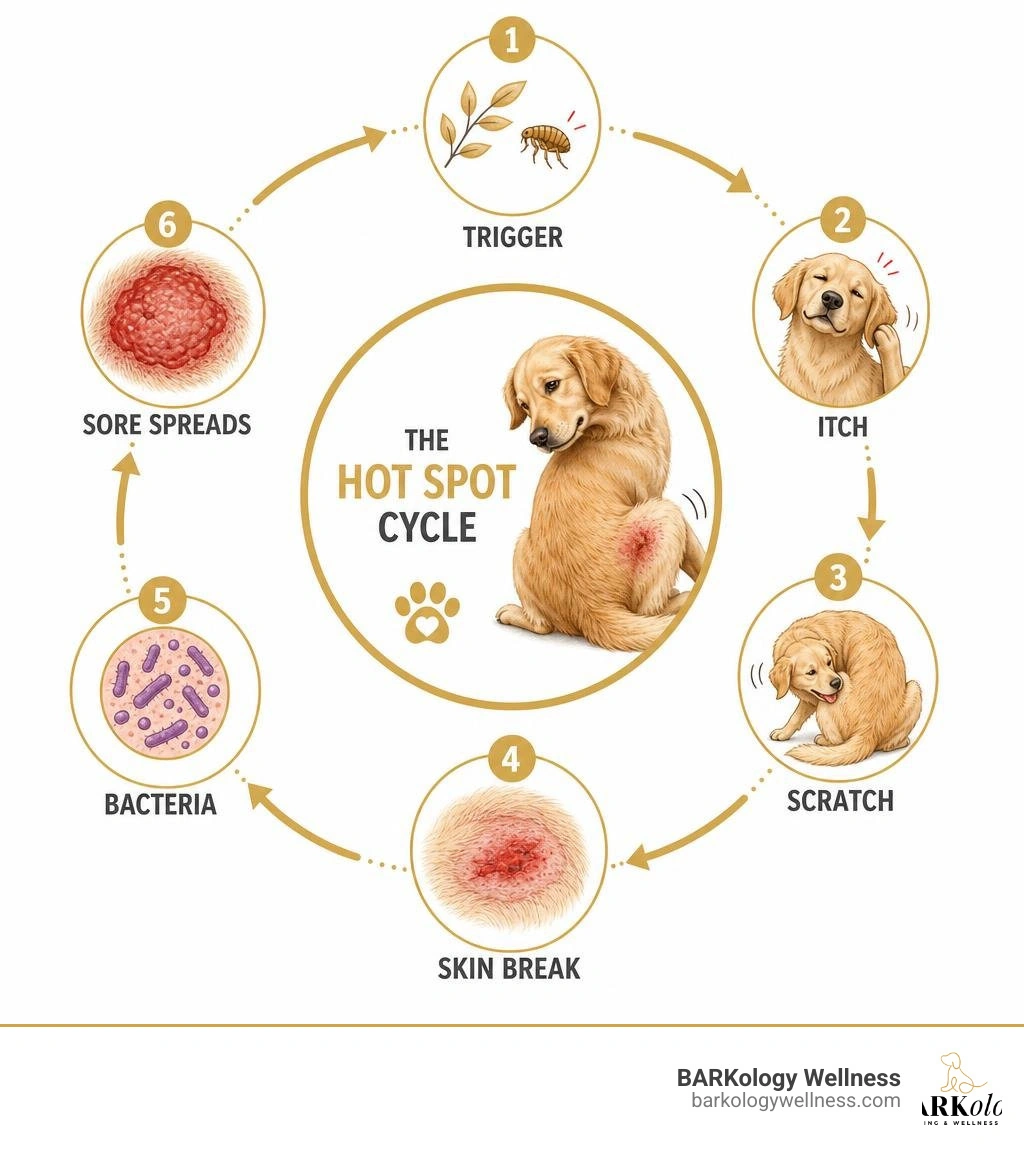
Hot spots, also called acute moist dermatitis or pyotraumatic dermatitis, are one of the most common skin conditions in dogs. They start with a simple itch, from a flea bite, moisture trapped in a thick coat, or an allergy flare, and then your dog makes it worse by licking and scratching. That self-trauma breaks the skin, bacteria move in, and the sore spreads rapidly. The itch-scratch-lick cycle keeps it growing until something breaks the loop.
The good news: with the right steps, most hot spots respond quickly to treatment.
I'm Nabilah Shamseddine, lead wellness operator at BARKology Wellness, where our team works daily with dog owners navigating skin and coat health challenges, including canine hot spot treatment, as part of our premium, health-first approach to pet care. In this guide, I'll walk you through everything you need to know to identify, treat, and prevent hot spots in your dog.
Canine hot spot treatment further reading:
What is a Canine Hot Spot and What Does It Look Like?
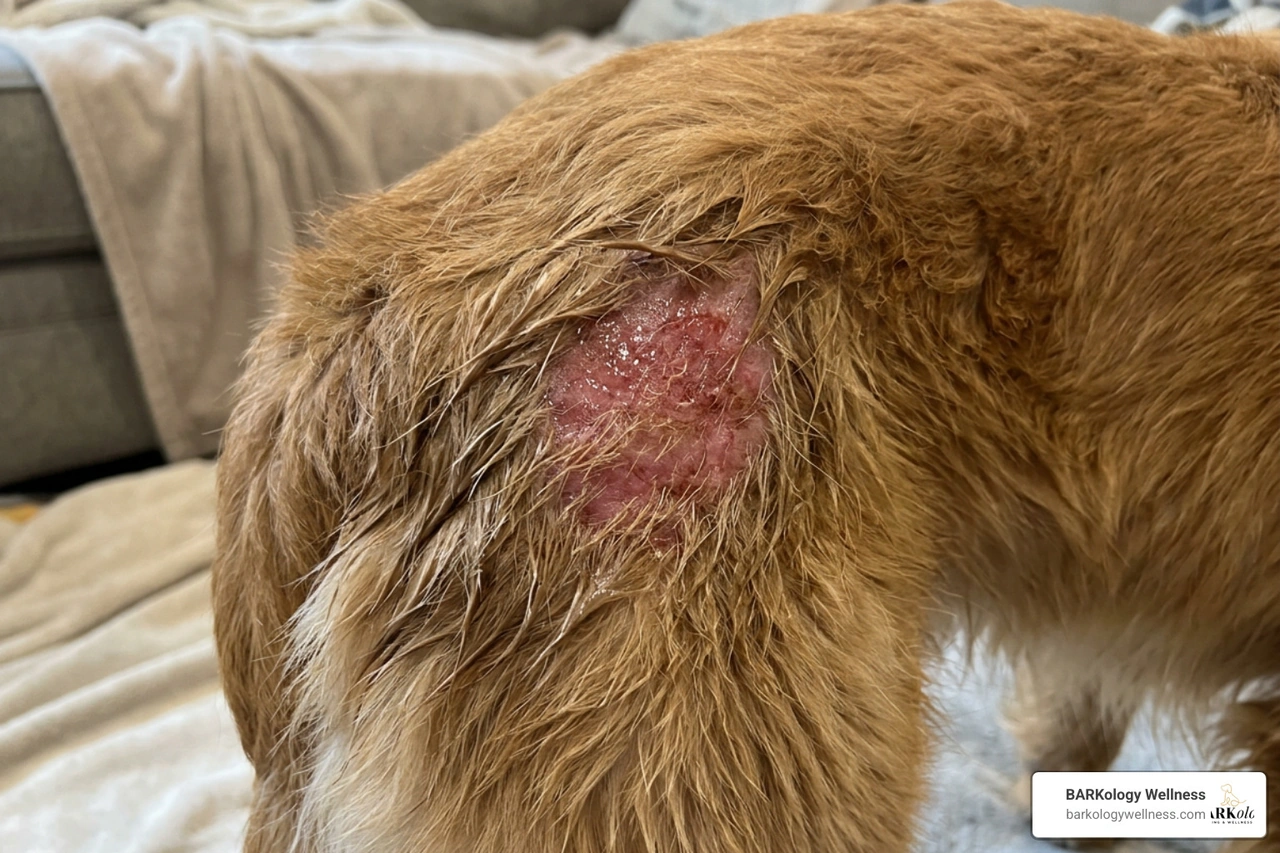
To understand how to tackle canine hot spot treatment, we must first recognize what we are dealing with. In veterinary medicine, a hot spot is formally known as acute moist dermatitis or pyotraumatic dermatitis. The name "hot spot" is incredibly literal: these lesions generate physical warmth due to intense local inflammation, and they feel hot to the touch.
At first glance, a budding hot spot might look like a simple insect bite or a minor patch of red skin. However, within hours, the dog’s relentless chewing, licking, and scratching will transform it. A classic hot spot is a well-defined, circular patch of skin that is:
- Bright red and highly inflamed
- Moist, raw, and actively oozing clear fluid, serum, or pus
- Devoid of hair, with the surrounding fur often matted, damp, and clumped together by discharge
- Extremely painful and itchy, causing the dog to react defensively if you try to touch the area
Because skin conditions can look remarkably similar to the untrained eye, it is vital to distinguish hot spots from other common canine dermatological issues like ringworm or mange. Treating a fungal infection with steroid creams meant for hot spots, for example, can actually make the infection worse.
Here is a quick reference table to help you identify what might be happening on your pup's skin:
| Characteristic | Hot Spots (Acute Moist Dermatitis) | Ringworm (Dermatophytosis) | Mange (Sarcoptic or Demodectic) |
|---|---|---|---|
| Appearance | Red, raw, moist, and shiny; often covered in a sticky discharge or crust. | Circular, dry, scaly patches; often presents with a raised red outer ring. | Dry, crusty skin with patchy hair loss; skin may become thickened or dark. |
| Speed of Onset | Rapid (develops and doubles in size within hours). | Slow and progressive (develops over weeks). | Gradual (worsens over weeks as mite populations grow). |
| Moisture Level | Highly wet, oozing, and sticky. | Dry and flaky. | Dry, greasy, or scaly (unless secondary infection occurs). |
| Itch Intensity | Extreme and localized; dog will chew constantly. | Mild to moderate. | Severe and generalized (especially sarcoptic mange). |
| Contagiousness | Non-contagious to other pets or humans. | Highly contagious (zoonotic fungal infection). | Sarcoptic is highly contagious; Demodectic is not. |
Root Causes and Breed Predispositions
Hot spots do not simply appear out of thin air. They are always secondary to an underlying issue that caused the initial itch. The dog scratches to relieve a minor irritation, breaks the skin barrier, introduces opportunistic bacteria (most commonly Staphylococcus pseudintermedius), and creates a self-perpetuating cycle of self-trauma.
The most common primary triggers include:
- Allergies: Environmental allergies (atopic dermatitis), food allergies, and flea allergy dermatitis are the leading causes of the initial itch. In places with high humidity and year-round pollen, like South Tampa, FL, allergies are an ongoing struggle for many dogs.
- Fleas and Parasites: A single flea bite on a sensitive dog can trigger a massive, localized itching reaction.
- Trapped Moisture: Swimming in the bay, playing in summer rain, or getting a bath without being dried completely can trap water close to the skin, especially in humid climates. This creates a perfect, warm breeding ground for bacteria.
- Ear Infections: If you notice a hot spot forming on your dog's cheek or neck, check their ears. Dogs scratching at a painful middle or external ear infection (otitis) will often tear up the skin on their face, creating a secondary hot spot.
- Anal Gland Issues: Dogs experiencing discomfort or impaction in their anal sacs will lick and chew at their hindquarters, frequently leading to hidden hot spots under the tail base or on the hips.
- Boredom or Stress: Licking can be a self-soothing mechanism. Dogs left alone for long periods may obsessively chew on their limbs, leading to open sores.
Which Breeds Are Most At Risk?
While any dog can develop a hot spot, certain breeds are highly predisposed due to their coat type and anatomy.
Double-coated and thick-coated breeds, such as Golden Retrievers, Labrador Retrievers, German Shepherds, Newfoundlands, Rottweilers, and Saint Bernards, are at the highest risk. Their dense undercoats trap moisture easily, making it incredibly difficult for the skin to dry naturally after a swim or a bath.
Additionally, dogs with drop ears (like Spaniels and Retrievers) or heavy skin folds (like English Bulldogs) are prone to retaining moisture and heat, which regularly triggers local skin infections. If your dog is constantly dealing with itchy skin, it is essential to manage the root cause. Learn more about itchy skin dog relief to stop the cycle before a hot spot can form.
Step-by-Step Canine Hot Spot Treatment at Home
If you catch a hot spot when it is still small (the size of a dime or quarter) and your dog is not in severe pain, you can initiate first aid at home. The primary goals of home treatment are to stop the self-trauma, dry out the lesion, and eliminate surface bacteria.
Follow these steps carefully to perform safe, effective canine hot spot treatment at home:
Step 1: Prevent Further Self-Trauma (Non-Negotiable)
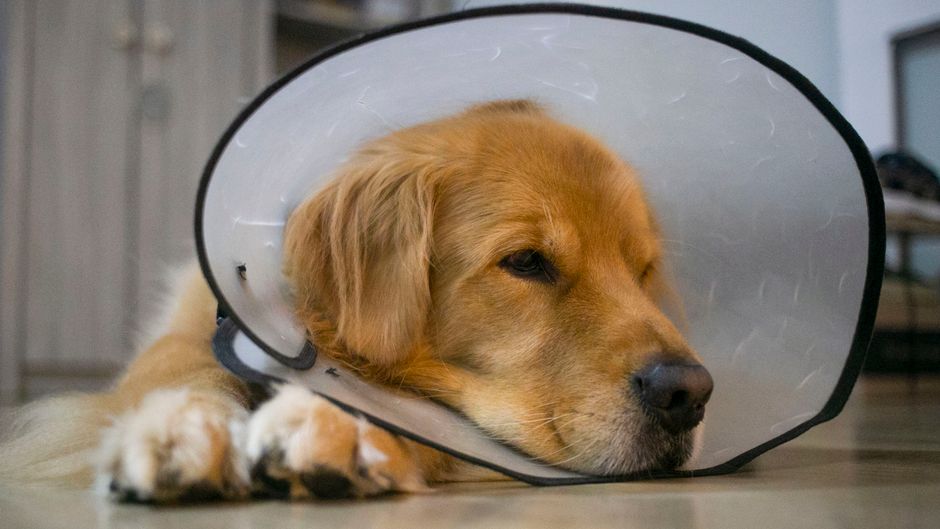
Before you do anything else, you must physically prevent your dog from reaching the sore. If they continue to lick or scratch, no treatment will work. Place an Elizabethan collar (E-collar), soft donut, or recovery suit on your dog immediately. This barrier must stay on 24/7 until the wound is fully dry and healing.
Step 2: Clip the Hair Around the Lesion
Moisture is the enemy of healing. You must expose the hot spot to the air so it can dry out.
- Use electric pet clippers to gently shave the fur over the hot spot and at least 1 to 2 inches into the healthy skin surrounding it.
- CRITICAL WARNING: Never use scissors to cut the hair. A dog's skin over a hot spot is highly inflamed, swollen, and easily cut. Scissors commonly cause severe accidental skin lacerations, turning a minor skin issue into a surgical emergency.
- If the area is too painful for your dog to tolerate clipping, stop immediately and seek veterinary care.
Step 3: Cleanse the Area
Gently clean the raw skin to remove dried discharge, crust, and bacteria.
- Use a mild, water-based antiseptic solution. The gold standard in veterinary care is chlorhexidine (diluted to 0.05% to 0.1%).
- Saturate a clean gauze pad or cotton ball with the solution and gently pat the wound. Do not scrub, as this will damage the delicate new tissue and cause immense pain.
- Pat the area completely dry with a clean, lint-free towel.
- DO NOT use hydrogen peroxide or rubbing alcohol. These harsh chemicals damage healthy skin cells, delay healing, and cause agonizing pain to your pet.
Step 4: Apply a Safe Topical Treatment
Once the wound is clean and dry, apply a soothing, drying agent.
- Apply a thin layer of 1% hydrocortisone spray or cream to reduce itching and inflammation, or use a veterinary-recommended wound spray like Vetericyn Plus.
- Avoid thick, heavy ointments (like Neosporin or petroleum jelly) over large areas. Ointments trap moisture and dirt, which can actually accelerate bacterial growth in a hot spot.
- Keep the dog distracted for 10 to 15 minutes after application to ensure the product absorbs and isn't immediately rubbed off on the carpet.
For more detailed guidance on first aid, you can read this comprehensive First Aid Guide from VCA Animal Hospitals. If you are looking for safe, high-quality topical options to keep in your pet's first-aid kit, discover effective hot spot treatment dog options that are formulated specifically for canine skin.
Veterinary Canine Hot Spot Treatment Protocols
While mild hot spots can sometimes be managed at home, veterinary intervention is frequently necessary, and always safer. If the hot spot is spreading rapidly, is larger than a small coin, or is causing your dog obvious distress, your veterinarian will implement a professional treatment protocol.
During a veterinary visit, your vet will likely perform the following:
- Professional Shaving and Cleaning: If the dog is in extreme pain, the vet may administer a mild, short-acting sedative. This allows them to clip the hair cleanly and thoroughly wash the wound without traumatizing your pet.
- Topical Antimicrobials: The vet may prescribe specialized prescription-strength topical sprays or creams containing a combination of antibiotics (to kill bacteria) and steroids (to instantly stop the itch).
- Oral Medications: For deeper skin infections (pyotraumatic folliculitis), topical treatments are not enough. Your vet will prescribe a course of oral antibiotics (typically for 2 to 3 weeks).
- Systemic Anti-itch Medications: To break the itch-scratch cycle immediately, your vet may administer an injection of a corticosteroid or prescribe oral steroids or oclacitinib (Apoquel) to provide rapid relief.
To understand the latest clinical research on managing these infections, check out the Clinical guidelines from Cornell University College of Veterinary Medicine. If your dog is prone to chronic skin flare-ups, you should also explore professional dog skin treatments designed to restore and protect the natural skin barrier.
Preventive Care and Long-Term Canine Hot Spot Treatment
The key to long-term canine hot spot treatment is preventing them from happening in the first place. Because hot spots are always secondary, managing the primary triggers is your best line of defense.
Here are the most effective preventive measures you can take:
- Maintain Year-Round Parasite Prevention: In warm, humid environments like Tampa, fleas thrive twelve months a year. A single bite can trigger a massive hot spot. Keep your dog on a strict, vet-recommended flea and tick preventative year-round.
- Thoroughly Dry After Water Exposure: If your dog loves swimming in the Gulf or playing in the backyard sprinkler, do not let them air-dry. Use a high-velocity pet dryer or a highly absorbent towel to dry them down to the skin, paying special attention to thick-coated areas, the neck, and behind the ears.
- Regular Grooming and De-shedding: Regular brushing removes dead undercoat and loose fur, which prevents painful matting. Mats trap moisture and dirt against the skin, creating the perfect microclimate for hot spots.
- Support Skin Health from the Inside Out: Supplement your dog's diet with high-quality omega-3 fatty acids (such as wild-caught fish oil) to reduce systemic inflammation and strengthen the skin barrier.
For more professional advice on coat maintenance, review these Grooming tips from the American Kennel Club. Additionally, bathing your dog with specialized products can make a massive difference. Try our anti-itching shampoo for dogs to keep their skin calm, clean, and free from the irritants that spark the itch-scratch cycle.
When to Seek Veterinary Care for Hot Spots
As a pet parent, it can be challenging to decide whether a skin issue warrants a trip to the clinic or if you can manage it at home. Because hot spots can escalate with terrifying speed, erring on the side of caution is always recommended.
You should schedule a veterinary visit immediately if you notice any of the following red flags:
- The lesion is larger than a silver dollar or is spreading rapidly despite home care.
- The hot spot is located near the eyes, ears, or muzzle, where home clipping and topical applications could be dangerous.
- Your dog is showing signs of severe pain, such as growling, whimpering, snapping, or pulling away when you get near the wound.
- There is a foul odor, deep swelling, or thick, colored pus coming from the area, indicating a deep tissue infection (pyoderma).
- The hot spot has been active for more than 24 hours without showing signs of drying out.
- Your dog is lethargic, has a fever, or refuses to eat.
If you are located in the Tampa area and your dog’s hot spot flares up late at night or over the weekend, do not wait for your regular clinic to open if your dog is in distress. You can seek immediate assistance at a 24/7 Emergency Vet in Tampa, FL to get your pup the pain relief and antibiotics they need right away.
Frequently Asked Questions About Hot Spots
Do dog hot spots heal on their own?
In very rare cases, an extremely small, superficial hot spot might heal on its own if you can successfully prevent your dog from touching it. If you immediately place a recovery cone on your dog, keep the area dry, and the underlying trigger (like a single flea) resolves, the skin may dry out and heal over 7 to 10 days.
However, the vast majority of hot spots will continue to spread rapidly without intervention. Because the underlying itch and bacterial colonization are still active, the dog will continue to traumatize the skin the second the cone is removed. Active treatment is always recommended to prevent a minor sore from becoming a massive infection.
Are hot spots contagious to other dogs or humans?
No, hot spots are not contagious. They are caused by opportunistic bacteria, primarily Staphylococcus pseudintermedius, that naturally reside on your dog's skin at all times.
A hot spot only develops when your dog's own self-trauma breaks the skin barrier, allowing these resident bacteria to multiply rapidly in the warm, damaged tissue. Because it is a localized infection driven by the individual dog's scratching and skin barrier disruption, it cannot be passed to other pets or to humans.
Can hot spots be dangerous or life-threatening to dogs?
While a simple hot spot is highly uncomfortable, it is extremely rare for one to be directly life-threatening to an otherwise healthy dog.
However, if left entirely untreated, a superficial hot spot can progress into a deep, systemic bacterial infection called pyotraumatic folliculitis and furunculosis. This deep tissue infection can enter the bloodstream, potentially leading to sepsis, which is a life-threatening medical emergency. Additionally, the severe pain and chronic stress of an untreated, spreading lesion can significantly compromise your dog’s immune system and overall well-being.
Conclusion
Managing canine hot spots requires a dual approach: treating the immediate, painful skin lesion and identifying the underlying trigger to prevent future flare-ups. In our warm, humid South Tampa climate, keeping your dog's skin dry, clean, and well-groomed is the ultimate defense against these rapidly spreading sores.
At BARKology Wellness in South Tampa, FL, we believe that luxury dog grooming is a vital component of preventive healthcare. Our professional team is trained to spot the early signs of skin irritation, matting, and ear issues before they can transform into painful hot spots. We provide a serene, low-stress environment where your pup receives tailored, royal treatment designed to support their skin and coat health.
Let us help you keep your dog's coat in pristine condition year-round. Book a professional grooming session with us today, or explore our membership options to make routine wellness care a seamless part of your dog's life.