
Why Your Dog's Dental Health Deserves More Than Just a Toothbrush
Deep dental cleaning for dogs is a comprehensive veterinary procedure performed under anesthesia that includes scaling, polishing, dental X-rays, and treatment of periodontal disease, going far beyond what at-home brushing can achieve.
What Deep Dental Cleaning Involves:
- Pre-anesthetic examination and bloodwork to ensure your dog is healthy enough for the procedure
- General anesthesia with intubation to protect the airway and allow thorough cleaning
- Full-mouth dental X-rays to identify hidden disease below the gumline
- Scaling to remove plaque and tartar above and below the gumline using ultrasonic and hand tools
- Polishing to smooth tooth surfaces and prevent future buildup
- Periodontal probing to assess gum health and measure pocket depths
- Treatment or extraction of diseased teeth if necessary
If your dog has bad breath, it's a warning sign. Bad breath is often the first symptom of periodontal disease, the most common dental condition in dogs. According to the American Veterinary Dental College, most pets have some form of gum disease by age three.
Many pet parents don't realize dental disease is the second most common health issue in dogs. Left untreated, it can cause painful infections, tooth loss, and damage to vital organs like the heart, kidneys, and liver. Bacteria from infected gums can spread throughout the body, causing systemic problems.
While daily brushing helps prevent plaque, it can't remove hardened tartar or treat existing disease. That's where a professional deep dental cleaning under anesthesia is necessary to address both visible and hidden problems.
As Nabilah Shamseddine, a multi-unit franchise entrepreneur leading Barkology Wellness, LLC, I've seen how premium, health-focused care transforms the lives of dogs and their devoted owners. Understanding the importance of deep dental cleaning for dogs is part of our commitment to wellness that goes beyond basic grooming to support your companion's long-term health.
Why Your Dog's Smile Matters: The Need for Professional Dental Care
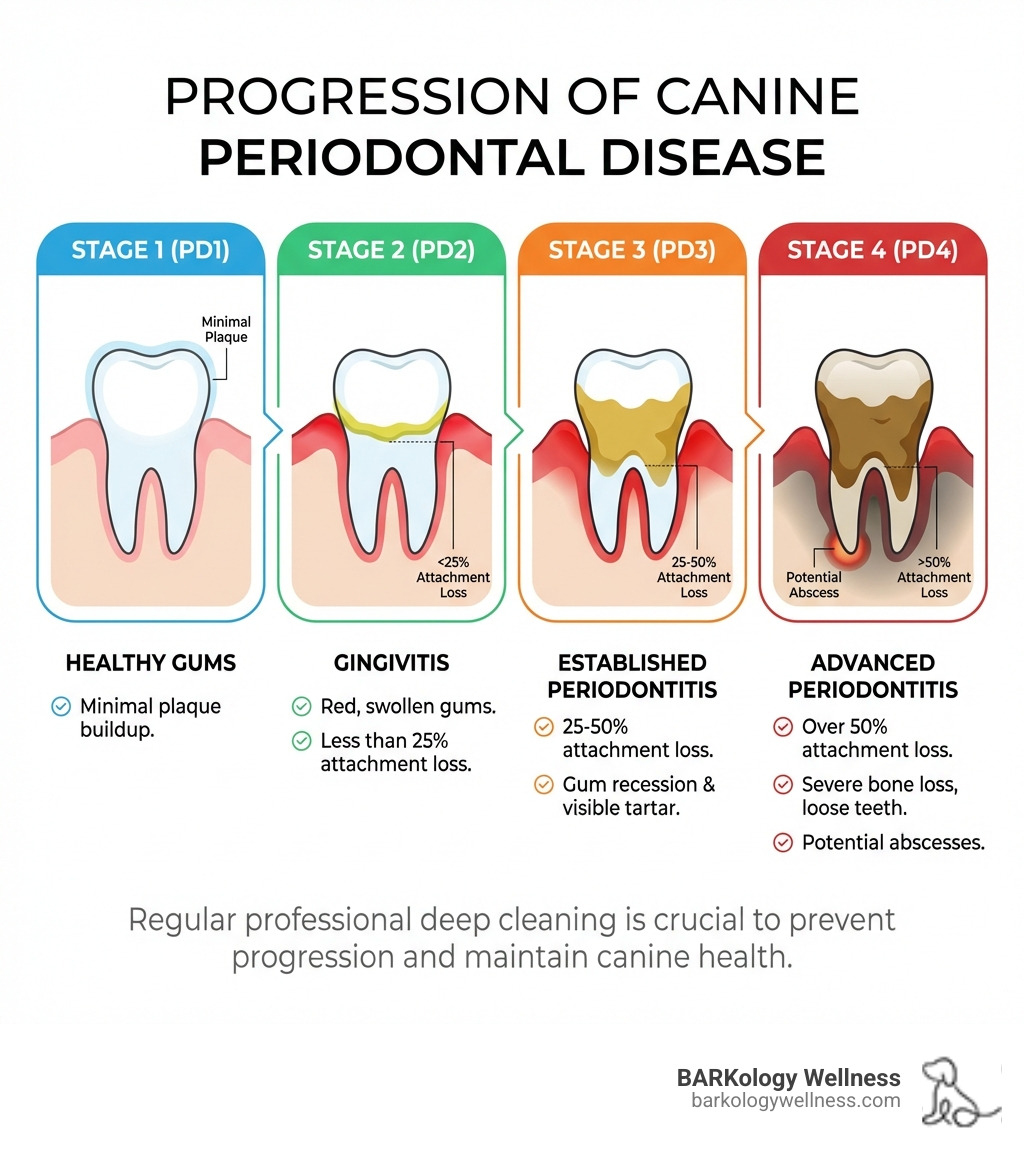
A healthy mouth is crucial for your dog's overall well-being. Periodontal disease is rampant, affecting most dogs by age three. It's more than just bad breath; it's a serious health concern. It begins with plaque, a sticky film of bacteria. If not removed, plaque hardens into tartar, which is difficult to remove at home and attracts more bacteria.
This buildup causes gingivitis (inflamed gums), which is reversible with professional care. If untreated, it progresses to irreversible periodontitis, damaging the tooth's supporting structures and leading to pain, tooth loss, and systemic health problems.
Recognizing the Silent Signs of Dental Distress
Dogs are masters at hiding pain, so regular at-home checks and professional veterinary examinations are crucial. Knowing what to look for can help you intervene sooner. Here are some signs of dental distress:
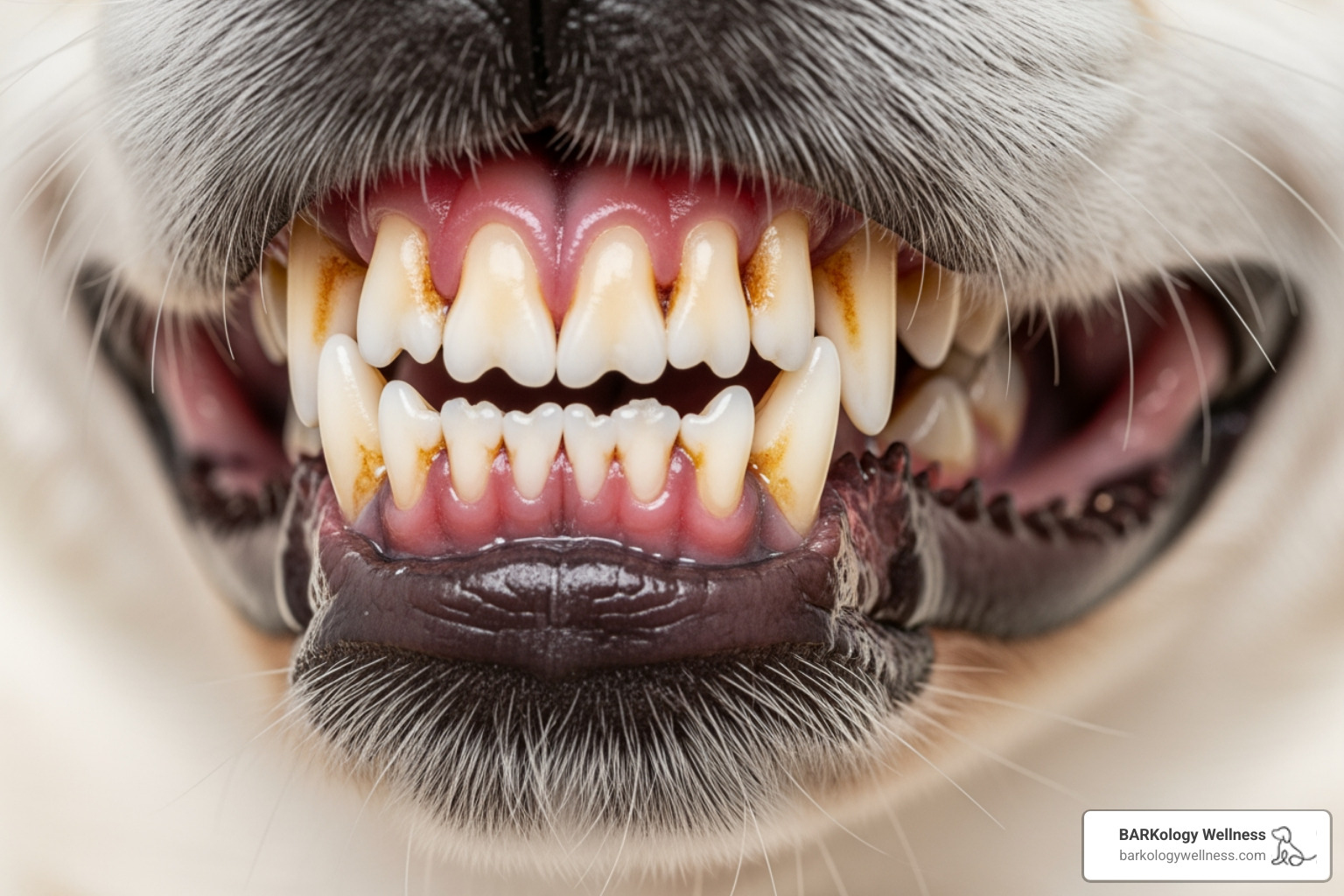
- Bad breath (halitosis): Consistently unpleasant breath is a primary sign of dental disease and is never normal.
- Yellow or brown tartar: Visible buildup on the teeth, especially near the gumline.
- Red, swollen, or bleeding gums: Healthy gums are pink. Redness, inflammation, or bleeding (on toys or in the food bowl) are signs of gum disease.
- Drooling: Excessive or bloody drool can signal oral pain.
- Difficulty chewing or dropping food: Hesitancy to eat, chewing on one side, or dropping food can indicate mouth pain.
- Pawing at the mouth: A clear sign of discomfort, often accompanied by rubbing their face on furniture.
- Loose or missing teeth: A sign of advanced periodontal disease weakening the tooth's support structures.
- Facial swelling: Swelling under the eye or on the jaw may indicate a tooth root abscess, which requires immediate vet care.
Understanding Periodontal Disease and Its Dangers
Periodontal disease is a progressive condition and the most common dental issue in dogs.
- Plaque Formation: A sticky film of bacteria constantly forms on teeth.
- Tartar (Calculus): Plaque hardens into tartar within 24-48 hours, creating a rough surface for more bacteria to stick. Tartar below the gumline is the most damaging.
- Gingivitis: Bacteria cause gum inflammation (red, swollen, bleeding gums). This stage is reversible with professional cleaning and home care.
- Periodontitis: Untreated gingivitis leads to irreversible periodontitis, destroying the tooth's supporting tissues. Pockets form between the gums and teeth, trapping bacteria and worsening the infection.
- Advanced Disease: Progressive bone loss leads to loose teeth, severe pain, and tooth loss. Infections can cause painful tooth root abscesses, sometimes visible as facial swelling.
The Systemic Link: How Dental Health Affects Overall Wellbeing
The dangers of periodontal disease extend beyond the mouth. Bacteria from infected gums can enter the bloodstream and travel to vital organs. This, combined with chronic inflammation, has serious health implications.
Studies link periodontal disease to systemic issues like heart disease, as bacteria can damage heart valves. The chronic inflammation also strains the kidneys and liver, which work overtime to fight infection, potentially causing long-term damage.
Neglected dental health diminishes a dog's quality of life. Chronic pain, difficulty eating, and systemic inflammation can make them lethargic and withdrawn. A clean mouth is fundamental to a happy, healthy dog.
What to Expect During a Deep Dental Cleaning for Dogs
A professional deep dental cleaning for dogs is a comprehensive procedure often called a COHAT – a Comprehensive Oral Health Assessment and Treatment. It's a multi-step process performed by veterinary professionals to thoroughly evaluate, clean, and treat your dog's oral health issues.
The Anesthesia Advantage: Safety and Thoroughness
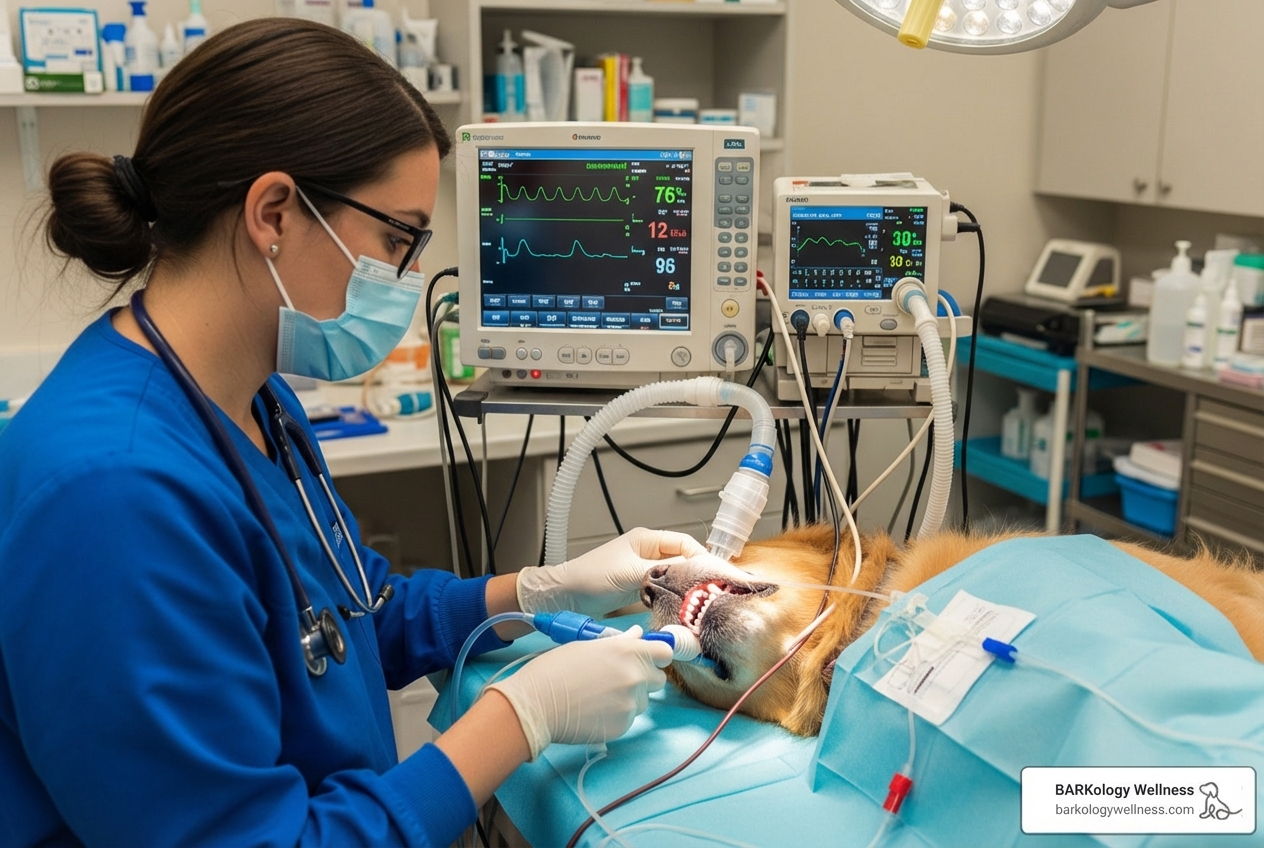
A common question is whether anesthesia is necessary for a dental cleaning. The answer is a resounding yes. It is non-negotiable for a safe, effective, and humane deep dental cleaning for dogs.
Here's why anesthesia is crucial:
- Pain and Stress Elimination: A thorough cleaning would be stressful and painful for an awake dog. Anesthesia ensures your pet is free from discomfort, fear, and anxiety.
- Airway Protection via Intubation: Anesthesia allows for intubation (placing a breathing tube), which protects your dog's airway from inhaling bacteria and water, preventing complications like pneumonia.
- Allows for Cleaning Below the Gumline: The most critical cleaning happens below the gumline, where periodontal disease resides. This area cannot be properly accessed on an awake animal.
- Enables Accurate Diagnostics: Dogs won't stay still for essential diagnostics like full-mouth X-rays and periodontal probing. Anesthesia allows for a precise examination to find hidden problems like root fractures or bone loss.
- AAHA Guidelines on Anesthesia Safety: We follow strict AAHA guidelines. While any anesthesia has risks, they are very low with modern protocols, pre-anesthetic evaluations, and close monitoring. The benefits of a thorough cleaning far outweigh the minimal risks. You can learn more about anesthesia and dental cleaning guidelines.
A Step-by-Step Look at the Professional Cleaning Process
Here’s what typically happens during a deep dental cleaning for dogs:
- Pre-anesthetic Exam & Bloodwork: A physical exam and blood tests assess organ function to ensure your dog is a safe candidate for anesthesia and to customize the protocol.
- Anesthesia Monitoring: A dedicated technician continuously monitors vital signs (heart rate, blood pressure, etc.) to ensure your dog's safety and comfort.
- Full-Mouth Dental X-rays: This crucial step reveals what's happening below the gumline, where over 50% of the tooth resides. X-rays uncover hidden issues like root abscesses, bone loss, and fractures.
- Supra- and Subgingival Scaling: Using ultrasonic and hand tools, the veterinary team removes plaque and tartar from above and, most importantly, below the gumline to treat periodontal disease.
- Polishing: Polishing smooths the tooth surfaces, making it harder for new plaque to stick.
- Sulcus Irrigation: The area below the gumline is flushed to remove debris and bacteria.
- Periodontal Probing: Each tooth is measured with a probe to check for pockets that indicate periodontal disease.
- Charting: All findings are recorded on a dental chart, creating a detailed map of your dog's oral health.
- Extractions if Necessary: Severely diseased or painful teeth may need to be extracted. Your vet will discuss these findings with you.
While our primary focus at BARKology Wellness is on grooming and overall wellness, we understand that professional dental care is a vital component of your dog's health. We can guide you on the importance of these deep cleanings and how they fit into a holistic wellness plan for your pet. Learn more about our expert grooming services and how we contribute to your dog's health.
The Anesthesia-Free Myth: Why It's Not a Safe Alternative
We often get questions about "anesthesia-free dental cleanings." It's important to know these procedures are not recommended by the American Veterinary Medical Association (AVMA), AAHA, or the American Veterinary Dental College (AVDC).
While avoiding anesthesia seems appealing, non-anesthetic dentistry (NAD) is not an effective alternative for a deep dental cleaning for dogs. Here's why:
| Feature | Anesthetic Dental Cleaning | Non-Anesthetic Dental Cleaning |
|---|---|---|
| Thoroughness | Full mouth, including below the gumline; treats existing disease. | Cosmetic only; removes visible tartar on accessible surfaces; does not address disease below gumline. |
| Safety | Closely monitored anesthesia; controlled environment; protected airway; minimal risk of injury to pet or staff. | High stress for pet; risk of injury (lacerations, punctures) from sharp instruments; no airway protection. |
| Diagnostics | Full-mouth dental X-rays; periodontal probing; comprehensive oral exam to identify hidden issues. | No X-rays; no probing; cannot identify hidden disease or bone loss. |
| Pain/Stress | No pain or stress during procedure; pain managed post-operatively. | High stress and potential pain for the pet; can be traumatic. |
| Professional Endorsement | Recommended by all major veterinary organizations as the standard of care. | Not recommended by any major veterinary organizations; considered below the standard of care. |
Anesthesia-free cleanings are cosmetic, removing only visible tartar and leaving harmful bacteria below the gumline. This creates a false sense of security while the disease progresses. The risks of injury, stress, and aspiration are high. For a truly effective and safe deep dental cleaning for dogs, anesthesia is indispensable.
Keeping Teeth Pearly White: Aftercare and Prevention
A professional deep dental cleaning for dogs is a reset for your dog's oral health, but consistent aftercare and prevention are key to maintaining those results. We're here to guide you through keeping those pearly whites healthy for life.
Post-Operative Care After a Deep Dental Cleaning for Dogs
After a deep dental cleaning for dogs, especially with extractions, proper post-operative care is crucial for a smooth recovery.
- Grogginess Post-Anesthesia: Your dog may be groggy for 12-24 hours. Keep them in a quiet, comfortable space and monitor them.
- Pain Medication: Administer prescribed pain medication as directed to ensure your dog is comfortable and to aid recovery.
- Soft Food Diet: A soft food diet is needed for several days (or longer with extractions) to protect healing gums. Options include canned food, softened kibble, or a homemade mixture of cooked chicken and white rice.
- When to Resume Normal Diet and Chewing: Follow your vet's instructions. Without extractions, a normal diet can resume in a day or two. With extractions, soft food may be needed for at least two weeks, and hard chews should be avoided to allow healing.
- Monitoring for Complications: Contact your vet if you notice excessive bleeding, swelling, lethargy, loss of appetite, or persistent pain.
The Gold Standard: At-Home Dental Care Routines
The most effective way to maintain oral health between cleanings is daily at-home care, especially brushing.
- Daily Brushing is Best: Daily brushing removes plaque before it hardens into tartar.
- Choosing Dog-Specific Enzymatic Toothpaste: Never use human toothpaste (it's toxic to dogs). Use a dog-specific enzymatic toothpaste, which is safe to swallow and helps break down plaque.
- Selecting the Right Toothbrush: Use a dog-specific toothbrush, a finger brush, or a soft, child-sized toothbrush.
- Gradual Introduction Techniques: Introduce brushing slowly. Let them taste the toothpaste, then gently use the brush on their outer teeth. Use praise and treats. Patience is key! For more detailed guidance, check out how to brush your dog’s teeth at home.
Choosing the Right Dental Chews, Treats, and Diets
Beyond brushing, other products can support oral hygiene, but choose wisely.
- Mechanical Abrasion: Some dental chews and treats work by providing a mechanical abrasive action as your dog chews, helping to scrape off plaque.
- Veterinary Oral Health Council (VOHC): The gold standard for dental products is the Veterinary Oral Health Council (VOHC) seal of approval. This seal indicates that a product has met specific scientific criteria for effectiveness in retarding plaque and/or tartar accumulation. Always look for this seal! You can find a comprehensive list of VOHC accepted products for dogs.
- Water Additives: Certain water additives can help reduce plaque accumulation by creating an unfavorable environment for bacteria in the mouth. Discuss these with your vet to see if they're a good fit for your dog.
- Prescription Dental Diets: Some specialized prescription dental diets are formulated with unique kibble shapes and textures that provide a scrubbing action as your dog eats, or contain ingredients that help prevent plaque and tartar formation.
A word of caution: avoid extremely hard chews like antlers, hard nylon bones, or real bones (especially cooked ones). These can cause painful slab fractures of the teeth, leading to emergencies and costly extractions. Always prioritize safety and efficacy when choosing dental aids.
Frequently Asked Questions about Deep Dental Cleaning for Dogs
We know you have questions about your dog's dental health, and we're here to provide clear, expert answers.
How often do dogs need a professional dental cleaning?
Most adult dogs need a professional deep dental cleaning for dogs annually, but this frequency can vary significantly based on:
- Breed: Small breeds often need more frequent cleanings (every 6-12 months) due to crowded teeth and genetics.
- Age: Older dogs are at higher risk and may need more frequent cleanings to manage existing disease.
- Home Care Effectiveness: Consistent daily brushing at home may be able to extend the time between professional cleanings.
- Severity of Existing Disease: Dogs with existing periodontitis may need cleanings every 3-6 months to manage the condition.
Your veterinarian will assess your dog's oral health and recommend a personalized schedule.
What is the role of dental X-rays?
Dental X-rays are an essential diagnostic tool during a deep dental cleaning for dogs. Here's why:
- Reveals Disease Below the Gumline: Over 50% of a tooth’s structure is below the gumline, visible only on X-rays. What looks like a perfectly healthy tooth on the surface might be severely compromised underneath.
- Identifies Hidden Problems: X-rays allow us to identify hidden issues that are impossible to detect visually. These include:
- Painful root fractures
- Abscesses (pockets of infection) at the tooth root
- Bone loss surrounding the tooth
- Unerupted or impacted teeth
- Cysts or tumors in the jawbone
- Resorption lesions (especially common in cats, but can occur in dogs)
Without dental X-rays, many dental problems would go undiagnosed and untreated, leading to continued pain and disease progression. They are a non-negotiable part of a comprehensive deep dental cleaning for dogs.
Is a deep dental cleaning for dogs painful?
The deep dental cleaning for dogs procedure itself is not painful because it is performed under general anesthesia. Your dog will be unconscious and feel no discomfort.
After the procedure, it's normal for dogs to experience some mild discomfort, especially if extractions were performed. This post-operative pain is carefully managed with appropriate pain medication prescribed by your veterinarian to ensure a comfortable recovery.
It's vital to contrast this with the chronic, severe pain that untreated dental disease causes. A professional deep dental cleaning for dogs alleviates this chronic pain, drastically improving their quality of life.
Conclusion: A Lifetime of Healthy Smiles
We understand that the idea of a deep dental cleaning for dogs under anesthesia can seem daunting, but as we've explored, it's a critical component of their overall health and well-being. From understanding the silent signs of dental distress to recognizing the systemic impact of periodontal disease, we hope you now have a clearer picture of why professional dental care is so vital.
A professional cleaning isn't just about sparkling teeth; it's about preventing pain, warding off infections, and safeguarding your dog's heart, kidneys, and liver from potential harm. Combined with consistent at-home dental care, like daily brushing with dog-specific toothpaste and VOHC-approved dental chews, you're providing your best friend with the best defense against oral disease.
At BARKology Wellness, we believe a clean mouth means a happier, healthier dog. Our commitment to your dog's complete well-being extends to educating and empowering you to make informed decisions about their health. We're dedicated to helping your furry family members in Tampa, FL, and South Tampa, FL, live their best lives, full of bright smiles and boundless energy.
Ready to prioritize your dog's dental health and overall wellness? Explore our wellness memberships to keep your dog healthy from nose to tail.