
Why Your Dog's Dental Health Deserves Your Attention

Dental spray for dogs is a liquid oral care product designed to reduce plaque, tartar, and bad breath by mixing with your dog's saliva to coat teeth and gums. Here's what you need to know:
- Primary Function: Disrupts dental biofilm and reduces oral bacteria
- Application: Spray directly onto teeth and gums, typically 1-2 times daily
- Key Ingredients: Look for chlorhexidine, zinc chloride, or hydrolytic enzymes
- Effectiveness: Works best as a supplement to brushing, not a replacement
- Results Timeline: Noticeable breath improvement within days; tartar reduction in 4-6 weeks
- Safety Note: Always avoid products containing xylitol, which is toxic to dogs
We all love our pups, but have you noticed an unpleasant smell coming from your dog's mouth? That's often the first sign of a bigger problem.
By the time your pet is 3 years old, they will very likely have some early evidence of periodontal disease. This isn't just about bad breath, it's about your dog's overall health and happiness.
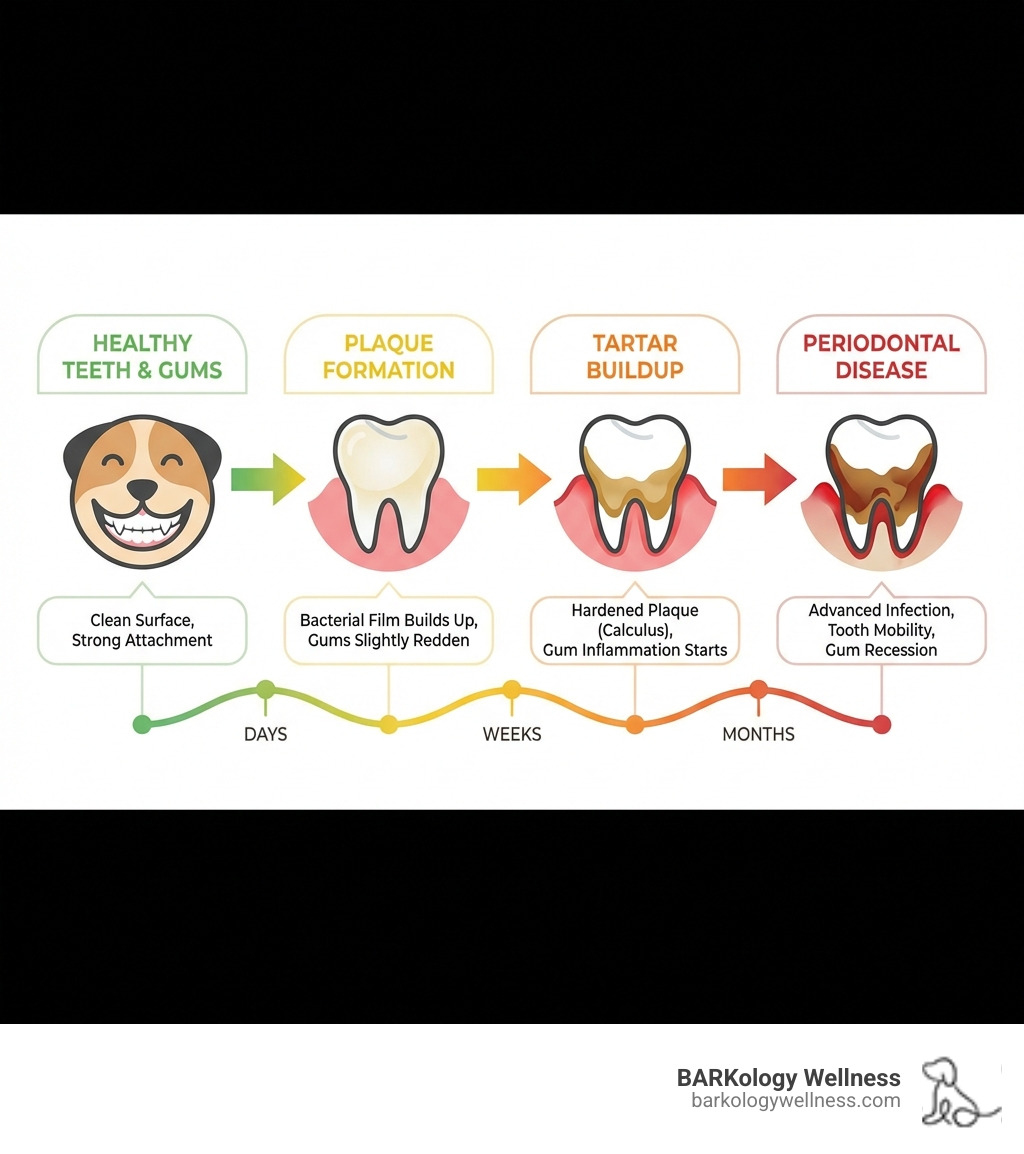
Periodontal disease is the most common dental condition in dogs. It starts with plaque, a transparent bacterial film that forms on teeth. If not removed, this plaque hardens into calculus (tartar), which can damage teeth below the gum line and even affect vital organs like the heart, kidneys, and liver.
The challenge? Many dogs resist having their teeth brushed. That's where dental sprays come in, they promise easier oral care with just a few quick sprays. But do they actually work?
As Nabilah Shamseddine, I've spent years in the wellness industry helping pet owners understand effective health solutions, including navigating the confusing world of dental spray for dogs and oral care products. Through my work at BARKology Wellness, I've seen which approaches truly make a difference in maintaining our dogs' dental health.
What is Dental Spray for Dogs and How Does It Work?
So, what exactly is a dental spray for dogs, and how does this seemingly magical mist tackle those stinky dog breaths and stubborn plaque? Simply put, dental sprays are liquid formulations designed to be applied directly into your dog's mouth to help improve their oral hygiene. They claim to prevent or break down plaque buildup, reduce oral bacteria, and freshen breath.
The primary mechanism behind most dental sprays involves them mixing with your dog's saliva. Once sprayed, your dog naturally licks and swallows, distributing the active ingredients throughout their mouth, coating the teeth and gums. This ensures that even hard-to-reach areas get some attention.
Different sprays use various technologies and active ingredients to achieve their goals:
- Biofilm Disruption: Many sprays, like those using Biotrate technology (found in Vetradent Dental Spray), are specifically intended to disrupt dental biofilm and reduce oral bacteria. Biofilm is essentially the sticky matrix where bacteria thrive and form plaque. By disrupting this, the spray makes it harder for plaque to adhere and mature into tartar.
- Enzymatic Action: Some sprays incorporate hydrolytic enzymes (like the Hydrolase in Kalzyme Dental Spray) that work at a microscopic level to break down the organic matrix of plaque. These enzymes can dissolve existing plaque and create an environment less conducive for bacteria to multiply.
- Protective Barriers: Certain formulations, such as Kalzyme Dental Spray with hyaluronate, aim to create a protective barrier on the gums and teeth. This barrier helps reduce the adhesion of bacteria, further preventing the formation of plaque and tartar.
- Antimicrobial Properties: Ingredients like chlorhexidine, which we'll discuss more below, have direct antimicrobial effects, killing bacteria responsible for bad breath and periodontal disease.
While the appeal of a quick spray is undeniable, it's crucial to understand that these sprays are generally intended as a supplement to a comprehensive dental care routine, not a standalone solution. They work to modify the oral environment, making it less hospitable for harmful bacteria and plaque, thus supporting healthier teeth and gums.
For a deeper dive into the science, you can check out this article on Scientific research on dental sprays from Cornell University.
The Science of Ingredients: What to Look For and Avoid
When choosing a dental spray for dogs, the ingredient list is your best friend. Just like with our own health products, not all ingredients are created equal, and some can even be harmful. Let's break down what you should seek out and what to steer clear of.
Beneficial Ingredients in a Dental Spray for Dogs
We want ingredients that actively contribute to oral health, fighting plaque, tartar, and bad breath. Here are some of the stars:
- Chlorhexidine: This is a powerful antimicrobial agent with scientific backing for canine dental health. It helps kill bacteria in the mouth that contribute to plaque and gingivitis. If you see this on the label, it's generally a good sign.
- Zinc Chloride: Found in products like Vetradent Dental Spray, zinc chloride works by disrupting dental biofilm and reducing oral bacteria. Zinc can also help neutralize volatile sulfur compounds, which are a major cause of bad breath.
- Trisodium Citrate: Also present in Vetradent, trisodium citrate contributes to disrupting biofilm, making it harder for plaque to form and adhere to tooth surfaces.
- Enzymes (e.g., Hydrolase): As seen in Kalzyme Dental Spray, hydrolytic enzymes actively break down plaque. They help to dissolve the sticky matrix that allows bacteria to cling to teeth, making it easier to remove and preventing further buildup.
- Hyaluronate: Also in Kalzyme, hyaluronate acts as a natural polymer and humectant, forming a protective barrier on the gums and teeth. This barrier can help reduce bacterial adhesion and soothe irritated gums.
- Glycerin: Kalzyme also includes glycerin, which aids in plaque dissolution and improves the barrier function of the oral tissues.
- Natural Extracts: Some sprays, like Belly Dog Dental Care Spray, use ingredients like peppermint, rosemary, and aloe vera, which can offer antiseptic properties and help freshen breath naturally. Grapefruit seed extract is another natural ingredient with antimicrobial potential.
When evaluating products, always keep an eye out for the VOHC Seal of Acceptance. The Veterinary Oral Health Council (VOHC) awards this seal to products that meet pre-set standards for reducing plaque and calculus in dogs and cats. While it's worth noting that VOHC trials are often company-funded, the seal still provides a good starting point for identifying potentially effective products.
Ingredients to Avoid in Pet Products
Just as important as knowing what to look for is knowing what to avoid. Some ingredients common in human products or even present in some pet products can be detrimental to your dog's health:
- Xylitol Toxicity: This is a non-negotiable. Xylitol, a sugar alcohol found in many human products (gum, toothpaste, certain peanut butters), is extremely toxic to dogs. Even small amounts can cause a rapid and life-threatening drop in blood sugar (hypoglycemia) and liver failure. Always ensure any pet dental product is explicitly xylitol-free.
- Alcohol Content: While some products like Leba III list Ethyl alcohol (25%) as an ingredient, many newer formulations, such as Vetradent, pride themselves on being alcohol-free. Alcohol can be irritating to oral tissues and may not be necessary for efficacy. We generally prefer alcohol-free options for our furry friends to avoid potential irritation or discomfort.
- Menthol, Eugenol, and Thymol: These ingredients are common in human dental hygiene products for their refreshing or antiseptic qualities. However, for dogs, they can have an unpleasant taste. This can make administering the spray a battle rather than a beneficial routine, and some dogs might react negatively to the strong flavors.
- Artificial Flavors and Colors: While not directly toxic in small amounts, artificial additives offer no health benefits and can sometimes cause sensitivities in pets. We always lean towards products with natural or minimal flavoring.
Choosing the right dental spray for dogs means being an informed consumer. Always read the label carefully, and when in doubt, consult with your veterinarian.
Comparing Sprays to Brushing and Other Methods
The world of canine dental care offers a buffet of options, from tried-and-true brushing to innovative sprays. But how does a dental spray for dogs stack up against other popular methods? Each tool has its place, and often, the most effective approach is a combination.
The golden standard for pet dental care remains daily tooth brushing. The mechanical action of bristles physically removes plaque and food debris from the tooth surface before it can harden into calculus. Think of it like scrubbing a dirty dish – direct friction is incredibly effective. For our dogs, daily brushing is best; weekly is acceptable if daily isn't feasible, but consistency is key.
Here's how dental sprays compare to other common dental care products:
| Dental Care Method | Primary Mechanism | Pros | Cons | Best Used As |
|---|---|---|---|---|
| Dental Sprays | Chemical/enzymatic action, biofilm disruption | Easy to administer, freshens breath, reaches all areas via saliva | Not a substitute for brushing, varying efficacy, dog may dislike taste | Adjunctive care to brushing, for dogs resisting brushing |
| Dental Chews | Mechanical abrasion, specific ingredients | Satisfies chewing instinct, some have VOHC seal, fun for dogs | Can be high in calories, some dogs swallow whole, not all are equally effective | Adjunctive care, reward, light plaque control |
| Water Additives | Chemical action in drinking water | Passive, easy to use, continuous exposure to active ingredients | Dog may refuse water, less direct impact on existing plaque, dilution can reduce efficacy | Adjunctive care, for general breath freshness |
| Manual Brushing | Mechanical removal of plaque and food debris | Most effective for plaque/tartar removal, reaches gum line | Many dogs resist, requires time and technique, can be challenging for owners | Primary method of home dental care |
| Professional Cleaning | Full dental scaling, polishing, extractions under anesthesia | Removes all plaque/tartar, addresses sub-gingival issues, veterinary oversight | Requires anesthesia, more costly, typically annual or as needed | Essential foundation for all home care, addresses advanced disease |
Mechanical Action vs. Chemical/Enzymatic Action: Brushing provides mechanical friction, which is paramount for removing plaque. Dental sprays, chews, and water additives primarily work through chemical or enzymatic means. While these methods are excellent at inhibiting plaque formation, disrupting biofilm, or softening existing calculus, they generally cannot replace the physical scrubbing action of a toothbrush.
Therefore, we at BARKology Wellness emphasize that dental spray for dogs (and chews, water additives) are most effective when used as adjunctive care. This means they work in conjunction with or to complement brushing and regular professional veterinary dental cleanings. If your dog resists brushing, a dental spray can be a valuable tool to help maintain oral hygiene between brushing sessions or as a stepping stone to eventually tolerate brushing.
An effective dental care strategy for your dog should always begin with a veterinary examination and professional treatment to address any existing issues. From there, a multi-faceted home care routine, possibly including a good dental spray for dogs, can help maintain that sparkling smile. You can learn more about our comprehensive approach to wellness, including dental health, on our More info about wellness services page.
How to Use Dental Sprays for Maximum Efficacy
Using a dental spray for dogs isn't rocket science, but there are definitely best practices to ensure you're getting the most bang for your buck (and your dog's oral health). Proper administration is key, as is understanding the subtle nuances of how these products work.
Proper Administration of Dental Spray for Dogs
The goal is to get the active ingredients where they need to be: on your dog's teeth and gums. Different products might have slightly different instructions, but here's a general guide:
- Preparation: Make sure your dog is calm and relaxed. A positive association with dental care makes everything easier!
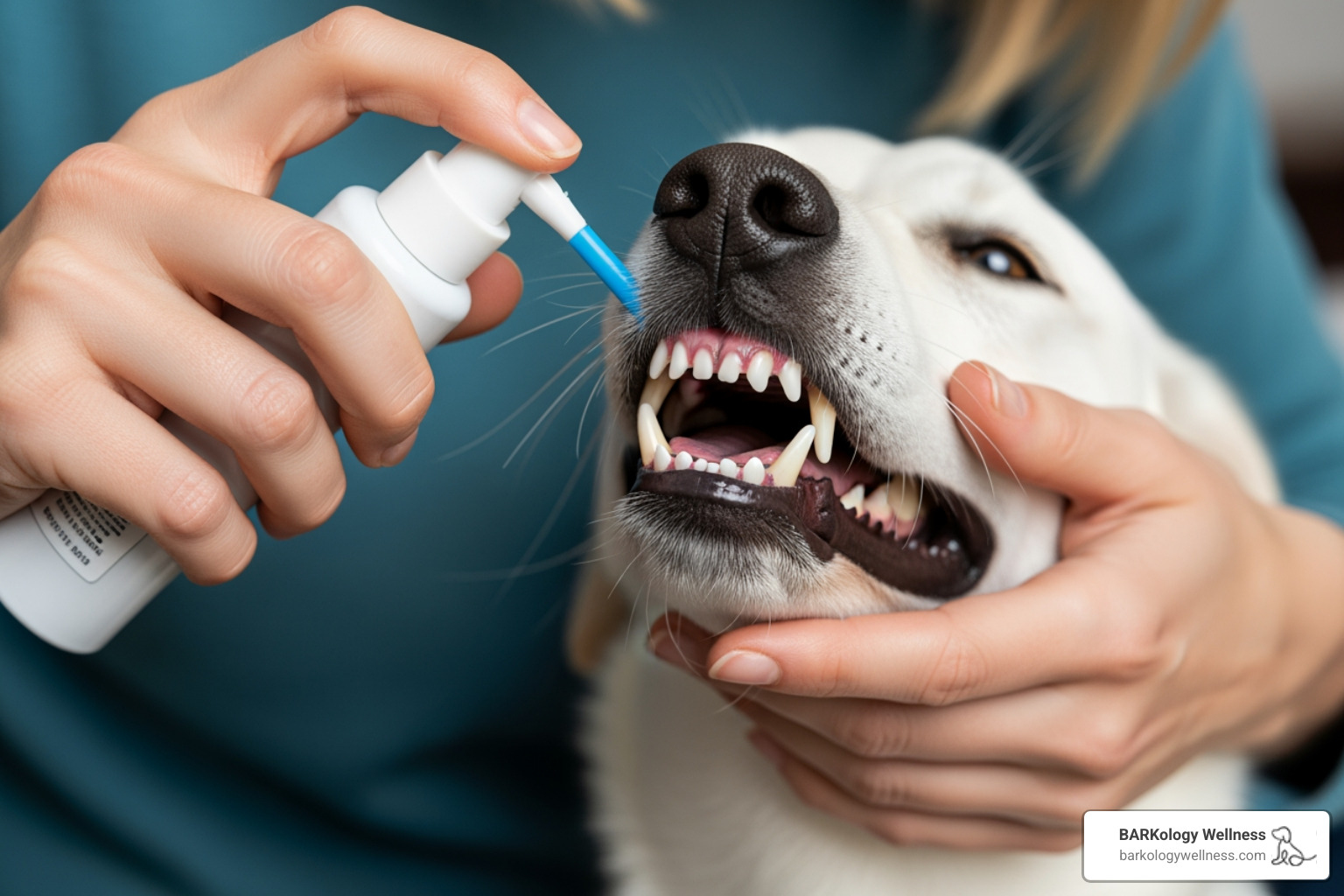
- Lifting Lips: Gently lift your dog's upper lip to expose their teeth and gums. This allows for direct application. For some dogs, spraying directly onto the tongue area is also effective, as it will mix with saliva and distribute throughout the mouth.
- Direct Contact: Spray directly onto the exposed teeth and gums on each side of the mouth. Aim for optimal contact, ensuring the spray creates a thin layer. Many sprays are designed to then spread further as your dog licks and swallows.
- Dosage by Weight: Always follow the manufacturer's instructions for dosage, as it often varies by your dog's size.
- For instance, Vetradent Dental Spray recommends one spray on each side for dogs under 20 lb, and two sprays on each side for dogs over 20 lb.
- Kalzyme Dental Spray suggests 1-2 sprays for small dogs (<10 kg), 2 sprays for medium-sized dogs (10-25 kg), and 2-3 sprays for large dogs (>25 kg).
- Leba III advises one spray for pets under 22 kg (50 lb) and two sprays for those over 22 kg (50 lb).
- Frequency: Most initial treatment protocols recommend twice daily application (morning and night). Consistency is crucial for achieving positive results, so try to stick to a regular schedule.
- Consistency is King: Whether it's once or twice a day, adhering to the recommended frequency will yield much better outcomes than sporadic use.
The 30-Minute Rule for Best Results
This is a really important tip that many owners overlook! For most dental spray for dogs products, maximizing their efficacy means observing a "30-minute rule":
- No Food or Water Before/After: We recommend giving your dog no water, food, or anything that could dilute the spray for 30 minutes before and 30 minutes after treatment.
- Why it Works: This allows the active ingredients in the spray to fully coat the teeth and gums and begin their work without being immediately washed away or diluted by food particles or liquids. It gives the spray time to adhere, disrupt biofilm, or allow enzymes to act.
- Maintenance Schedule: Once your dog's teeth are cleaner, you might transition to a maintenance schedule. For example, Leba III suggests 2-3 times a week for young pets as prevention, and once daily for adult pets. Kalzyme recommends 1 spray per mouth side 2-3 times per week for maintenance. If you notice tartar returning, simply increase the frequency again.
The goal is to make this a positive experience for your dog. A calm environment and perhaps a treat after the 30-minute waiting period can help reinforce good behavior.
At BARKology Wellness, we understand that every dog is unique, and sometimes a professional touch is needed to complement home care. Our grooming services in Tampa, FL, and South Tampa, FL, can include dental assessments and support for your dog's oral hygiene journey. Explore our More info about grooming services to see how we can help.
Frequently Asked Questions about Dog Dental Care
We get a lot of questions about dog dental care, especially concerning dental spray for dogs. It's a topic that often leaves pet parents wondering about effectiveness, safety, and how it fits into their dog's overall health routine. Let's tackle some of the most common queries.
Can dental sprays replace manual brushing?
This is perhaps the most common question we hear, and the answer is a resounding no. While dental sprays are a fantastic tool, they do not eliminate the need for brushing your dog's teeth.
Here's why:
- Mechanical Friction is Key: Daily tooth brushing provides the essential mechanical action needed to physically remove plaque and food debris from the tooth surface and along the gum line. Sprays work chemically or enzymatically to inhibit plaque or soften tartar, but they don't provide the physical scrubbing that dislodges stubborn buildup.
- Most Effective Method: The Veterinary Oral Health Council (VOHC) and veterinary professionals consistently state that daily tooth brushing is the most effective way to maintain our pets’ oral health and minimize the progression of periodontal disease.
- Supplemental Tool: Think of a dental spray for dogs as a helpful supplemental tool. It's excellent for freshening breath, disrupting biofilm, and reducing bacteria, especially in areas brushing might miss or for dogs who strongly resist brushing. It can be a great adjunct to your brushing routine, used either immediately before or after brushing, or on days when brushing isn't possible.
So, while a dental spray can certainly help improve your dog's oral hygiene, it's not a magic bullet that lets you skip the toothbrush entirely.
Are there any side effects or safety concerns?
The vast majority of dental spray for dogs products are designed with your pet's safety in mind. However, just like with any product, there are potential side effects and safety concerns to be aware of:
- Xylitol Toxicity: As we mentioned earlier, this is the biggest concern. Xylitol is highly toxic to dogs, causing life-threatening hypoglycemia and liver damage. Always check labels to ensure the product is 100% xylitol-free.
- Hypersensitivity or Allergic Reactions: While rare, any ingredient can potentially cause an allergic reaction or hypersensitivity in some dogs. If you notice any signs of irritation, redness, swelling, or discomfort in your dog's mouth after using a spray, discontinue use immediately and consult your veterinarian.
- Gum Irritation: Some ingredients, especially if highly concentrated or if your dog has particularly sensitive gums, could cause mild irritation. Products that are alcohol-free (like Vetradent Dental Spray) are often preferred to minimize this risk.
- Unpleasant Taste: While not a safety concern, ingredients like menthol, eugenol, or thymol can have a strong or unpleasant taste for dogs, making them reluctant to accept the spray. This can make consistent application challenging.
- Ingestion: While sprays are designed to be ingested in small amounts, ensure your dog isn't trying to drink directly from the bottle or consume large quantities, which could potentially cause an upset stomach.
Always read the product label thoroughly for specific warnings and contraindications. If your dog has pre-existing health conditions or is on medication, it's always best to consult your veterinarian before introducing any new dental product.
How long does it take to see results?
The timeline for seeing results from a dental spray for dogs can vary depending on the product, the severity of your dog's existing dental issues, and your consistency in application.
- Bad Breath: Often, improvements in bad breath are the first noticeable change. Many owners report fresher breath within a few days of consistent use. This is because the sprays are actively targeting the bacteria that cause halitosis.
- Plaque and Tartar Reduction: For actual reduction in plaque and softening of tartar, it generally takes longer. Products like Leba III suggest noticeable improvement in 4 to 6 weeks of twice-daily application. Kalzyme also indicates a standard treatment duration of 2-4 weeks to see significant changes.
- Biofilm Control: The ongoing disruption of dental biofilm and reduction of oral bacteria is a continuous process. Consistent daily or twice-daily use is key to maintaining these benefits over the long term.
These are general timelines. Severe tartar buildup, especially below the gum line, often requires professional veterinary dental cleaning. Dental sprays are fantastic for maintenance and prevention, but they usually can't magically melt away years of hardened calculus. Patience and consistency are your best allies!
Conclusion
Navigating canine dental care can feel overwhelming, but understanding the role of a dental spray for dogs is a great step towards proactive pet health. We've learned that these sprays are innovative tools, designed to disrupt biofilm, reduce bacteria, and freshen breath through various ingenious mechanisms, from enzymatic action to protective barriers. They offer a convenient way to boost your dog's oral hygiene, especially for those pups who turn their noses up at a toothbrush.
However, the key takeaway remains: dental sprays are a powerful supplement, not a replacement, for the mechanical cleaning action of brushing. They work best as part of a comprehensive dental health plan that ideally includes regular brushing, a healthy diet, and, crucially, routine veterinary dental check-ups and professional cleanings.
At BARKology Wellness in Tampa, FL, and South Tampa, FL, we believe in a holistic approach to your dog's health and happiness. Good dental hygiene isn't just about a pretty smile; it's fundamental to preventing serious health issues like periodontal disease, which can impact vital organs. By choosing the right dental spray for dogs, one free of harmful ingredients like xylitol and packed with beneficial compounds, and integrating it into a consistent routine, you're investing in your dog's long-term well-being.
Your veterinarian is your best partner in crafting this plan, guiding you through product choices and recommending professional cleanings when necessary. Together, we can ensure your beloved companion enjoys a lifetime of fresh breath, healthy teeth, and boundless joy.
For those who seek the very best in pampering and preventive care for their furry family members, we invite you to explore our membership options. Join our BARKology membership for royal treatment and let us help you provide your dog with a life of optimal health and happiness, from nose to tail, and yes, even to those pearly whites!