
Why the Right Deshedding Brush for Dog Owners Can Change Everything
Finding the best deshedding brush for dog owners comes down to a few top-performing tools. Here are the strongest options to consider:
| Brush | Best For | Shedding Reduction |
|---|---|---|
| FURminator | Short & long-haired double coats | Up to 90% |
| FureverBrush | Double-coated breeds | Up to 95% |
| Tangle Teezer | Double coats, wrist-friendly use | Not specified |
| Untangler PRO | Thick, curly, or doodle coats | Not specified |
| SleekEZ | General shedding management | Not specified |
If you have a heavy shedder at home, you already know the struggle. Fur on the couch. Fur on your clothes. Fur in places fur has no business being.
The good news? The right deshedding brush makes a significant difference. Many top tools claim to reduce loose hair by up to 90–95% with regular use, meaning less vacuuming, less lint-rolling, and a healthier coat for your dog.
This guide breaks down exactly which brush works best, and why.
I'm Nabilah Shamseddine, founder of BARKology Wellness, and through years of building premium pet wellness experiences, I've seen how the right deshedding brush for dog care transforms both coat health and a dog's overall comfort. In this roundup, I'll walk you through the best options so you can make a confident, informed choice.
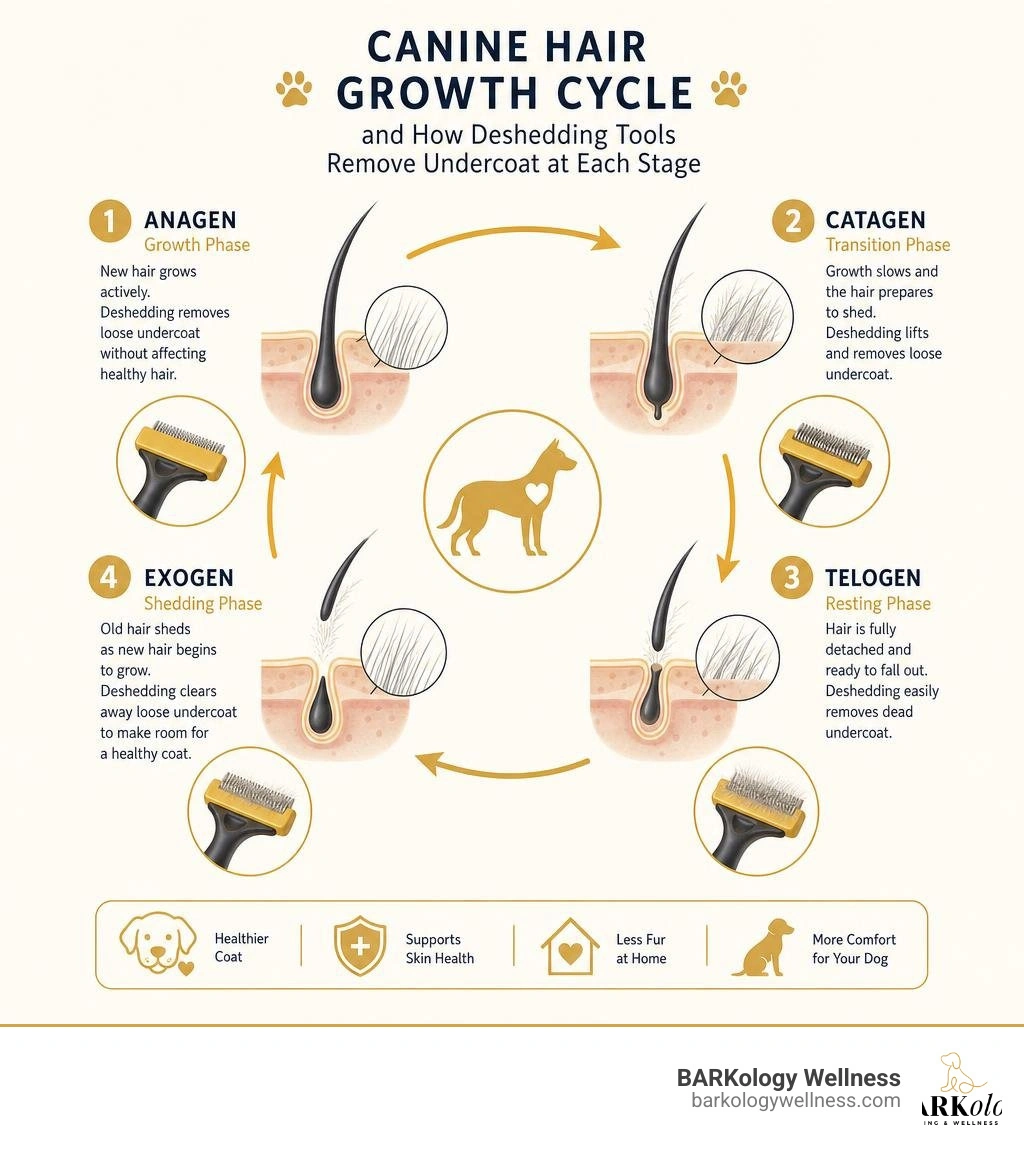
Glossary for deshedding brush for dog:
What is a Deshedding Brush for Dogs and How Does It Work?
To understand how a deshedding brush for dog grooming works, we first have to look at what is happening beneath your pup's topcoat. Many breeds possess a dual-layered coat consisting of a harsh outer topcoat and a soft, dense undercoat. The undercoat acts as natural insulation, keeping your dog warm in the winter and cool in the summer.
However, as hair follicles go through their natural growth cycles, the undercoat constantly sheds. If this loose hair isn't removed, it becomes trapped beneath the topcoat, forming painful mats and clumps. Standard brushes merely skim the surface of the topcoat, leaving the trapped undercoat untouched.
A true deshedding brush is engineered to reach deep past the outer guard hairs to gently grab and pull away the dead, loose undercoat hair before it ends up on your rugs. Beyond hair removal, the physical motion of deshedding provides essential skin stimulation. By gently massaging the skin, these brushes increase blood circulation, which helps distribute your dog's natural sebum oils across the skin and coat. This process is a cornerstone of proper Dog Coat Care and routine Dog Brushing, leaving your pet's coat with a healthy, natural shine.
The Difference Between Regular Brushing and Deshedding
It is common to confuse daily brushing with a dedicated deshedding session, but the two practices serve entirely different purposes.
- Regular Brushing: Tools like a slicker brush, pin brush, or a standard metal comb are designed for daily detangling and smoothing. They work primarily on the topcoat to remove surface dirt, prevent minor tangles, and keep the coat looking neat.
- Deshedding: A specialized undercoat rake or deshedding blade is designed to bypass the topcoat entirely. These tools use precisely spaced teeth or unique blade edges to grab the dead undercoat without cutting or damaging the healthy outer guard hairs.
Attempting to manage a heavy shedder with only a pin brush is like trying to rake autumn leaves with a haircomb, you will work twice as hard and still leave the bulk of the debris behind. For dogs with thick undercoats, integrating a true Dog Deshedding tool into your routine is the only way to manage the shed cycle effectively.
Choosing the Right Deshedding Brush for Dog Breeds with Double Coats
Double-coated breeds experience intense seasonal shedding, often referred to as "blowing coat." During these times (typically spring and autumn), the undercoat sheds in massive clumps. Breeds such as German Shepherds, Huskies, Great Pyrenees, and Retrievers require specialized tools that can handle this volume of fur.
When you Deshed Golden Retriever coats, for instance, you are dealing with feathering around the legs and a dense, water-resistant undercoat. Using a tool designed for short hair will not penetrate deeply enough, while an overly aggressive blade can damage their beautiful guard hairs.
If you are starting early with a young pup, it is crucial to use the Best Brush for Golden Retriever Puppy care. Puppies do not have a fully developed double coat until they are about one year old. Introducing them to grooming with a gentle, soft-pinned brush prepares them for the heavier deshedding tools they will need as adults.
Key Features to Look For in a Deshedding Brush for Dog
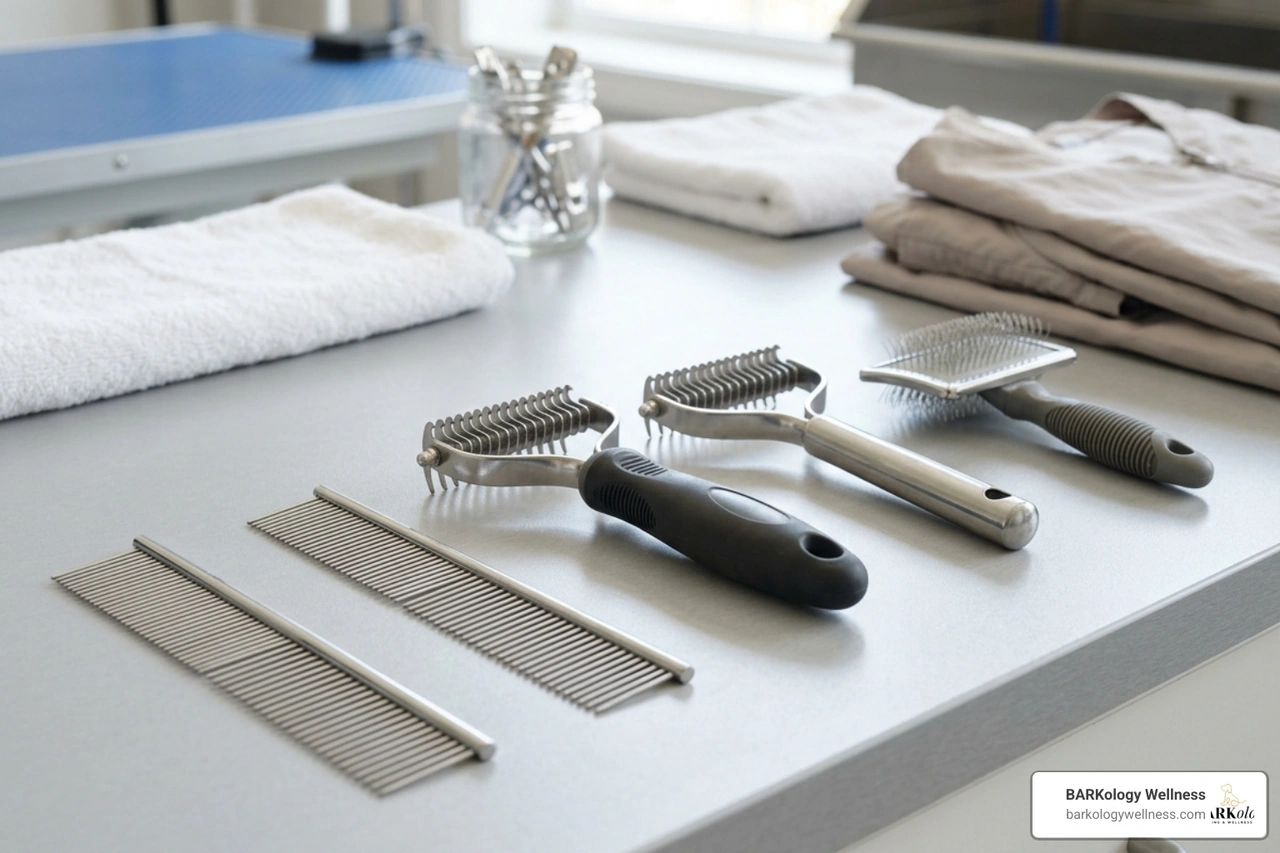
When shopping for the perfect grooming tool, it is easy to get overwhelmed by the sheer volume of options available. Consulting lists like the Amazon Best Sellers: Best Dog Shedding Tools reveals that the most popular and highly rated tools share several critical features.
First and foremost is the material. High-quality tools utilize stainless steel teeth or blades. Stainless steel is durable, hygienic, easy to clean, and resists rust over years of use. Another non-negotiable feature is an ergonomic handle. Because deshedding a large dog can take 15 to 20 minutes of continuous motion, a comfortable grip is essential to prevent hand fatigue and wrist strain. Finally, look for built-in skin guards or rounded teeth that prevent the metal edges from digging into your dog's sensitive skin.
Blade and Pin Design
The business end of the brush determines how comfortable the experience will be for your dog.
- Fixed Teeth & Stainless Steel Edges: These are highly efficient at stripping out loose undercoat but require a gentle hand. If pulled too quickly or with too much pressure, they can snag on minor tangles.
- Dual-Sided Blades: Many modern deshedding tools feature a dual-sided head. One side has fewer, wider-spaced blades to break up tough mats, while the other side has finer, closely spaced teeth to strip out the loose undercoat.
- Rotating Pins: For dogs with sensitive skin or coats prone to twisting, tools utilizing rotating pins are a game-changer. These pins spin 360 degrees as they glide through the coat, drastically reducing friction. The Deshedding Comb for Thick Wavy Curly Coats | Rotating Pins Improve Dog Comfort Remove Undercoat Easier Grooming - UNTANGLER Products is a prime example of how rotating pin technology can gently detangle and deshed thick double coats without painful pulling.
Ergonomics and Ease of Cleaning
Grooming should not be a chore that leaves your wrists aching. A palm-friendly grip, such as the one featured on the De-shedding Dog Grooming Brush | Tangle Teezer – Tangle Teezer US, fits naturally into the contours of your hand. This design allows you to use the strength of your whole hand rather than placing all the pressure on your wrist.
Additionally, consider how easy the tool is to clean. Some deshedding brushes feature a hair ejector button (often called a self-cleaning mechanism) that slides a plastic shield down the teeth, instantly pushing the collected fur off the blade. This saves you from constantly picking clumps of hair out of the metal teeth during your grooming sessions.
Top Deshedding Brush Options Compared
To help you find the absolute best tool for your home, let us take a closer look at the market's leading designs. Whether you need a heavy-duty undercoat stripper or a gentle detangling tool, there is a specialized option for every coat type.
For those looking for a versatile, dual-action tool, The Original FureverBrush® - Pro Grooming Tool – NuewayPets offers a dual-sided design featuring a 9-blade side for clearing out tough mats and a 17-blade side for deep undercoat deshedding. It is highly favored by owners of heavy-shedding double-coated breeds for its ability to reduce household shedding by up to 95%.
Heavy-Duty Undercoat Rakes and Deshedding Blades
For maximum hair removal on heavy-shedding breeds, heavy-duty stainless steel edges are the industry standard. The FURminator Dog XL Short Hair » FURminator is engineered specifically for giant breeds with short coats, featuring a curved stainless steel edge that conforms to your dog's natural shape. It glides safely over the skin thanks to built-in skin guards, while the FURejector button makes cleaning the tool effortless.
If you are looking for localized options or comparing top retail brands, checking out the selection of the Best Brushes for Short Hair Dogs Shedding - Target can yield excellent daily maintenance options that keep short-haired shedders looking sharp between professional spa visits.
Gentle Rotating Pin and Detangling Brushes
If your dog has a sensitive coat, curly hair, or is highly anxious during grooming sessions, a gentle rotating pin brush is the perfect alternative. The Untangler PRO Brush Rotating Pins Gently Deshed Undercoat, Reduce Pulling & Calm Pets - UNTANGLER Products utilizes 40 independently rotating stainless steel pins. Because the pins spin as you brush, they virtually eliminate the painful pulling and tugging associated with fixed-pin brushes. This sensory-friendly design helps keep dogs calm and relaxed, turning a stressful grooming chore into a soothing, bonding massage.
How to Safely and Effectively Use a Deshedding Brush
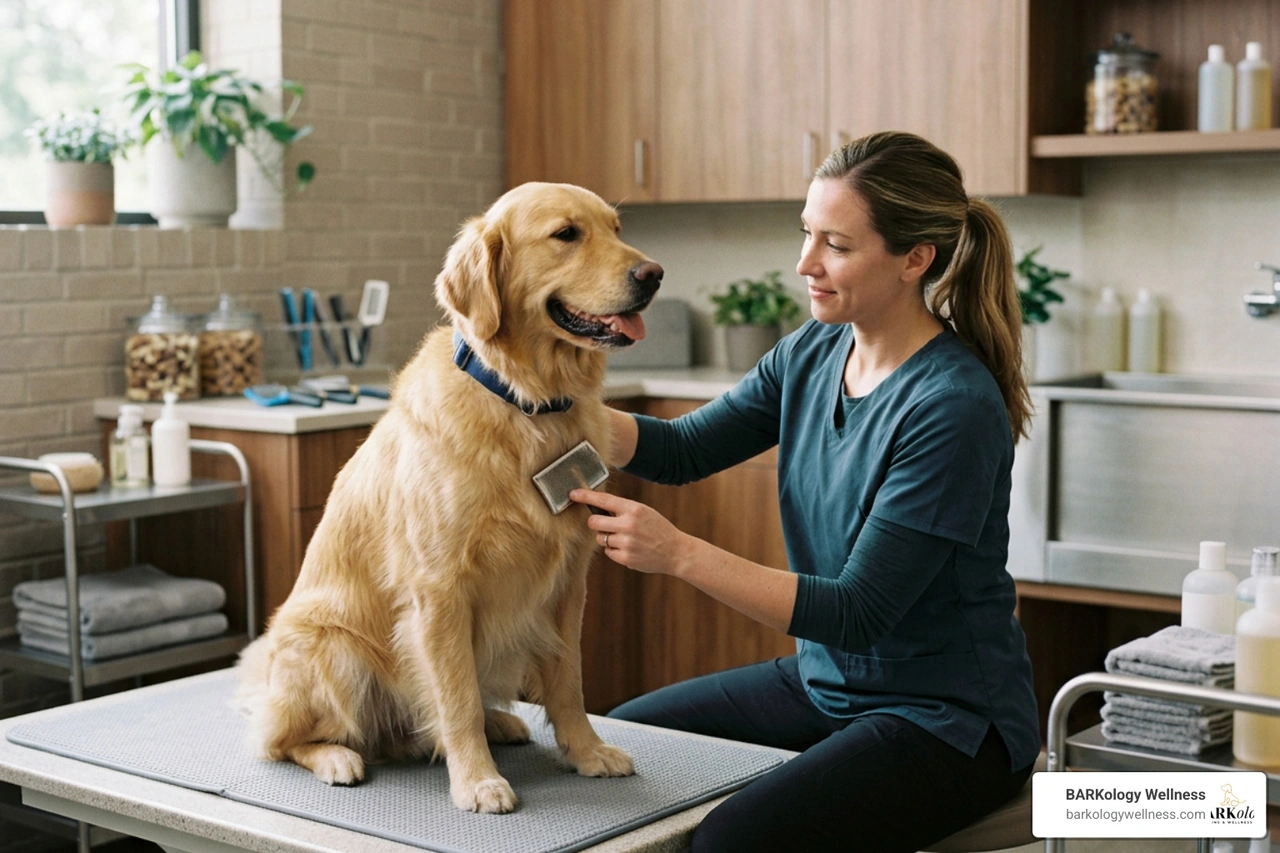
Using a deshedding tool requires proper technique to ensure your dog remains comfortable and safe. Always start with a completely dry coat, as wet hair is more fragile and prone to stretching and breaking.
- Inspect the Skin: Before you begin, perform a quick physical inspection of your dog's body. Look for any sores, cuts, bruises, hot spots, or skin irritations. Avoid brushing over these areas entirely.
- Remove Mats and Tangles: Never pull a heavy-duty deshedding tool directly through a mat or tangle. Use a dematting rake or a slicker brush to gently work out any knots first.
- Follow the Hair Growth: Always brush in the natural direction of hair growth. Use long, gentle strokes, starting from your dog’s head and working your way back toward the tail.
- Avoid Excessive Pressure: Let the weight of the tool do the work. The stainless steel teeth are designed to catch loose hair naturally; pressing down too hard can cause "brush burn" or skin irritation.
- Be Extra Gentle in Sensitive Areas: Take extreme care around highly sensitive zones, including the belly, chest, legs, genitals, and anus.
How Often Should You Use a Deshedding Brush for Dog Maintenance?
Deshedding is not a daily task. For most double-coated breeds, using a deshedding tool once or twice a week for 10 to 20 minutes is more than enough to keep shedding under control. During seasonal "blowouts" in the spring and fall, you may need to increase this to every other day.
Over-grooming can strip away healthy guard hairs and irritate your dog's skin, leading to bald patches or hot spots. For a comprehensive approach to managing heavy shedding seasons, combining your home routine with a professional Dog Deshedding Treatment ensures that the deep layers of the undercoat are thoroughly and safely cleared out.
Cleaning and Caring for Your Grooming Tools
To keep your deshedding tools performing at their best, regular maintenance is key:
- Remove Hair Immediately: Clear the hair from the teeth after every use.
- Wash Gently: If product buildup or dirt accumulates on the blades, wash the tool with warm water and a mild soap.
- Dry Completely: Dry the metal teeth thoroughly with a towel to prevent rust.
- Store Safely: Use the provided edge guard or store the brush in a secure place where the teeth will not be bent or damaged. Never leave your tools where they can be dropped on hard surfaces.
Frequently Asked Questions About Dog Deshedding
Can you use a deshedding brush on wet hair?
No, it is highly recommended to use deshedding tools only on a completely dry coat. Wet hair stretches and is far more susceptible to breakage. Additionally, wet undercoat hair clumps together, making it much harder for the metal teeth to slide through smoothly, which can lead to painful pulling.
Will a deshedding tool cut or damage my dog's topcoat?
When used correctly, high-quality deshedding tools will not cut or damage the healthy outer guard hairs. These tools are designed to slide past the topcoat and catch only the loose, dead undercoat. However, using excessive pressure, dragging the tool at an improper angle, or over-brushing the same spot can damage the topcoat and irritate the skin.
What should I do if my dog dislikes being brushed?
If your dog is anxious, start with very short sessions (just 1 to 2 minutes) and pair the brush with high-value treats and positive reinforcement. Let them sniff the brush first. Focus on areas they enjoy being scratched, like the chest or shoulders, before moving to more sensitive areas. Using a sensory-friendly tool with rotating pins can also help, as it minimizes the pulling sensation that often causes dogs to dislike grooming.
Conclusion
Managing a heavy shedder does not have to mean surrendering your home to endless layers of loose fur. By choosing the right deshedding brush for dog care and establishing a consistent, gentle grooming routine, you can keep your carpets clean and your pup incredibly comfortable.
While home maintenance is essential, nothing compares to the deep, therapeutic clean of a professional touch. At BARKology Wellness, located in the heart of South Tampa, FL, we offer luxury dog grooming and wellness services designed to pamper your pet while keeping their coat in peak health. Our serene, stress-free environment ensures your dog receives royal treatment tailored specifically to their unique coat needs.
Ready to give your dog the ultimate pampering experience? Book a Professional Grooming Session with us at BARKology Wellness today, or explore our flexible BARKology Wellness Memberships to keep your companion looking and feeling their best all year round! Visit our homepage at BARKology Wellness to learn more about our science-backed wellness philosophy.