
Understanding Root Causes: Allergies vs. Pain, Infection, and Anxiety
Before starting any dog allergies licking paws treatment, you must understand why your dog is focused on their feet. While environmental allergens like pollen, grass, dust mites, and mold spores are the primary cause of canine atopic dermatitis, they aren't the only triggers.
Food sensitivities, contact irritants like fertilizer or winter de-icing salts, joint pain, and emotional distress can all lead to persistent paw gnawing.
To help narrow down what you are dealing with, look for these key distinctions:
- Environmental Allergies: Typically affect all four paws symmetrically, often worsening seasonally (especially during warm Tampa weather). You will usually notice itchy ears, a red belly, or frequent face rubbing alongside paw licking.
- Pain or Injury: Licking is usually confined to a single paw or joint. Look closely for hidden foxtails, thorns, cracked nail beds, pad burns from hot asphalt, or carpal (wrist) arthritis.
- Anxiety and Stress: Licking often happens at night, during periods of boredom, or when left alone. The dog licks obsessively even when the skin shows no initial redness or swelling.
Identifying Food Allergies and Elimination Diets
Did you know that dogs have a massive concentration of histamine-releasing mast cells in their footpads? When a dog ingests an allergen, these mast cells react, making the paws itchy. While only about 1% to 2% of dogs suffer from true food allergies, those who do frequently target their paws.
The top dietary culprits are chicken, beef, dairy, eggs, wheat, and soy. Contrary to popular belief, blood, saliva, and hair testing for dog food allergies are scientifically invalid. The absolute gold standard for diagnosing a food allergy is a strict 8-to-12-week elimination diet using a novel protein (like kangaroo or alligator) or a prescription hydrolyzed protein diet. Proper dog skin care during this phase requires absolute compliance, no flavored heartworm pills, table scraps, or commercial treats can be given.
Recognizing Secondary Yeast and Bacterial Infections
The natural structure of a dog's foot, thin skin between webbed toes combined with sweat glands, creates a greenhouse effect when wet. Saliva contains porphyrins, which oxidize upon contact with air, staining light-colored fur a rust-red or deep pink color.
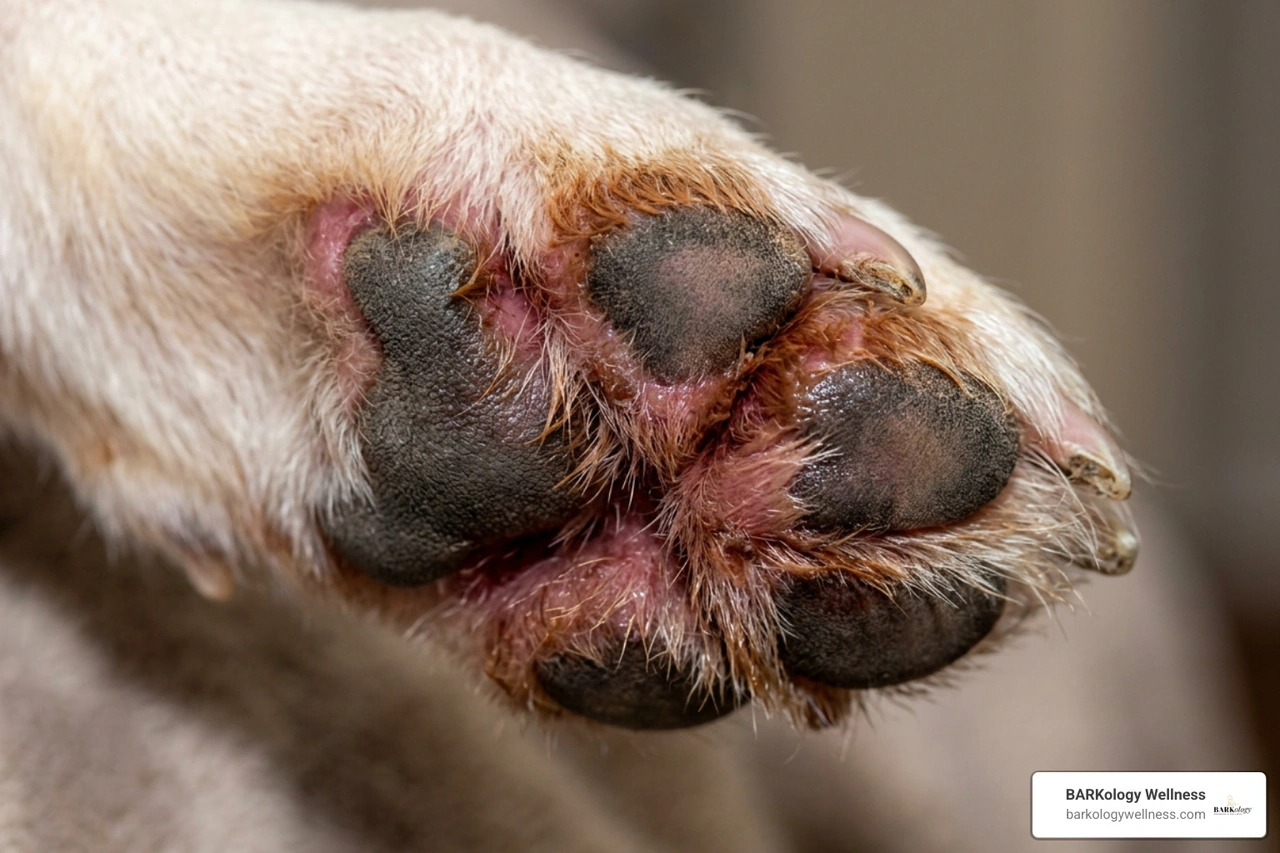
When chronic licking breaks down the skin's natural moisture barrier, opportunistic microflora take over:
- Yeast Overgrowth (Malassezia dermatitis): Characterized by a distinct "corn-chip" or "Frito feet" smell, greasy red skin between the toes, and thick dark accumulation in the nail beds.
- Bacterial Infection (Staph Pyoderma): Displays yellow pus-filled bumps, severe localized swelling, crusting, and moist lesions requiring targeted hot spot treatment dog care alongside antibiotics.
Lick Granuloma and Behavioral Paw Licking
If a dog licks a single spot continuously, the constant physical trauma breaks the skin, causing a raised, hardened, hairless ulcer known as an acral lick granuloma. Once a lick granuloma forms, a vicious cycle begins: the damaged tissue becomes infected and itchy, driving the dog to lick even harder.
While pain or local irritation usually starts a lick granuloma, anxiety and boredom frequently keep it going. Dogs release endorphins when licking, making it a self-soothing ritual. Addressing a lick granuloma requires a two-pronged approach: blocking physical access with protective cones or wraps, while simultaneously increasing daily mental stimulation, enrichment toys, and physical exercise to redirect nervous energy.
Step-by-Step Dog Allergies Licking Paws Treatment at Home
When implementing a dog allergies licking paws treatment plan, immediate home hygiene is your first line of defense. Rinsing your dog's paws in cool water immediately after outdoor trips washes away ground-level pollen and lawn chemicals before they penetrate the skin.
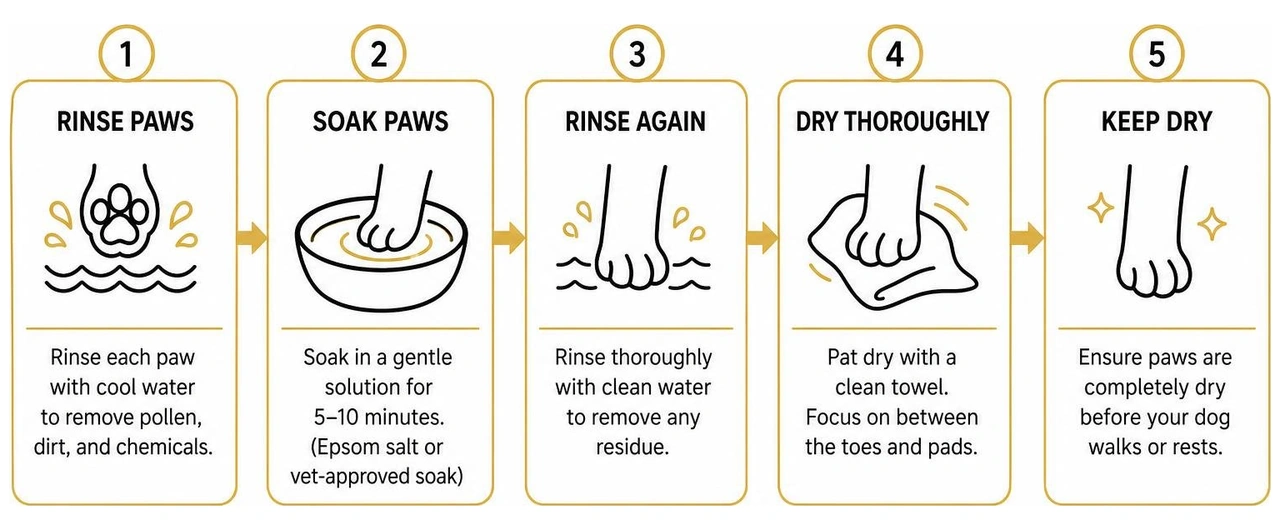
Always use gentle canine dermatitis home remedies and ensure the interdigital spaces between the toes are dried thoroughly with a clean towel. Leaving moisture trapped between pads creates an ideal breeding ground for yeast.
| Home Remedy | Best Used For | Method | Caution / Notes |
|---|---|---|---|
| Epsom Salt Soak | Swelling, surface inflammation, soothing raw skin | 1/2 cup dissolved in warm water; soak paws for 5–10 minutes | Do not let your dog drink the water (laxative effect) |
| Colloidal Oatmeal | Intense itching, dry skin, widespread skin irritation | Lukewarm foot bath or shampoo lather for 10 minutes | Ensure paws are fully dried afterward |
| Cool Chamomile Compress | Localized hot spots, mild allergic flare-ups | Steep tea bags, cool in fridge, press to paws for 5 minutes | Completely safe if ingested by the dog |
| Post-Walk Water Wipe | Daily pollen, dust, and chemical removal | Wipe or submerge paws immediately upon indoor entry | Focus between toes; dry pad surfaces completely |
Home Remedies for Dog Allergies Licking Paws Treatment
To give your pet fast relief without harsh chemicals, routine dog paw care is essential:
- Epsom Salt Soaks: Epsom salt uses osmotic pressure to draw out built-up tissue fluid, soothe raw skin, and pull out microscopic debris like grass awns. Fill a shallow basin with lukewarm water and 1/2 cup of Epsom salts, soaking all four feet for 5 to 10 minutes.
- Colloidal Oatmeal Baths: Oatmeal contains natural avenanthramides, which exhibit potent anti-inflammatory and anti-itch properties. Soaking itchy paws in a lukewarm colloidal bath calms reactive tissue instantly.
- Protective Footwear: Applying breathable dog booties during outdoor walks keeps physical allergens from directly touching the paw pads.
Dietary Adjustments and Anti-Inflammatory Supplements
Healing itchy skin starts from the inside out. Incorporating high-quality omega-3 fatty acids (specifically EPA and DHA from wild-caught sardine or anchovy oil) builds a stronger lipid barrier in your dog's skin.
It takes roughly 6 to 8 weeks of daily fish oil supplementation for these anti-inflammatory fatty acids to fully integrate into skin cells. Pair omega-3s with a dedicated dry skin treatment protocol or transition your dog to a hypoallergenic novel protein or hydrolyzed diet to systematically eliminate internal inflammation.
Veterinary Care and Prescription Dog Allergies Licking Paws Treatment
When home strategies aren't enough, professional veterinary intervention is required. Your veterinarian will perform a thorough skin scraping and skin cytology, taking a piece of clear tape or a glass slide pressed against the paw, to check for bacteria and yeast under a microscope.
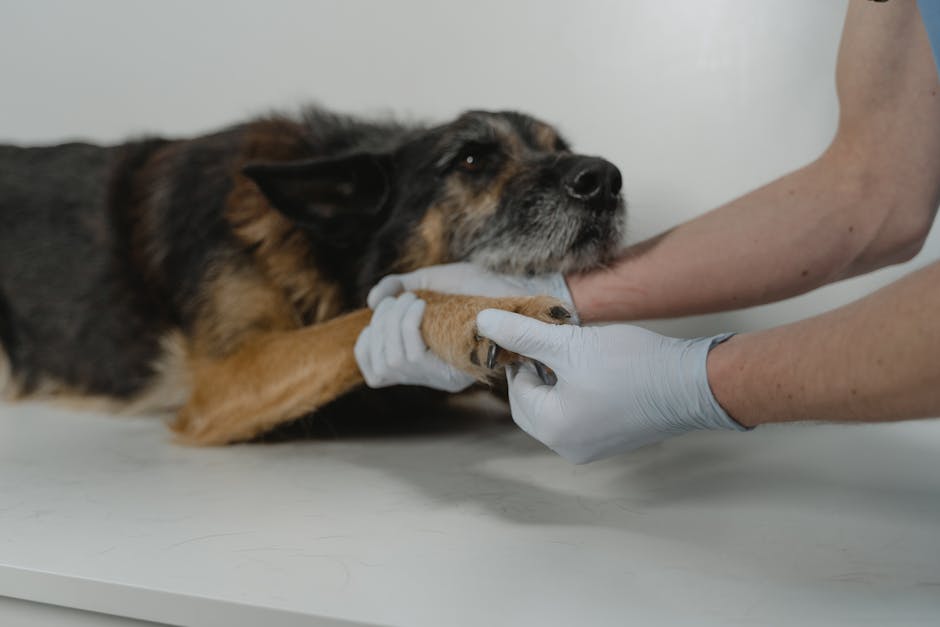
Following the 2023 AAHA Management Guidelines for allergic skin disease, your vet will tailor a treatment plan to break the itch cycle while treating any active secondary infections. For expert guidance on medical management, explore current allergy medications for dogs.
Prescription Options for Dog Allergies Licking Paws Treatment
Modern veterinary dermatology offers highly effective targeted therapies to control severe paw itching:
- Apoquel (Oclacitinib): A fast-acting daily oral medication that targets JAK enzymes to block itch signals at the cellular level, providing relief in as little as 4 hours.
- Cytopoint (Lokivetmab): An injectable monoclonal antibody that mimics your dog's natural immune system, targeting and neutralizing the specific IL-31 protein responsible for sending itch signals to the brain. One injection lasts 4 to 8 weeks.
- Targeted Immunotherapy (Allergy Shots/Drops): Formulated after intradermal skin testing, immunotherapy exposes your dog to micro-doses of specific environmental allergens to retrain the immune system long-term.
- Medicated Topicals: Prescription shampoos and wipes containing chlorhexidine and ketoconazole treat active yeast and bacterial overgrowth directly. Learn more about choosing an effective anti-itching medication for dogs.
When to Seek Immediate Veterinary Evaluation
While mild itching can be managed with routine wipes and soaks, certain warning signs require immediate medical attention.
Contact your veterinarian immediately if you notice yellow or green pus discharge, extreme single-paw swelling, active bleeding skin, severe heat radiating from the foot, or sudden limping. These symptoms point to deep-tissue infections, foreign bodies, or painful abscesses requiring prescription systemic antibiotics and pain relief. For additional guidance, review the best treatment for dog skin irritation.
Long-Term Prevention Strategies for Sensitive Dog Paws
Preventing allergic paw flare-ups requires a consistent home routine. Inspect your dog's footpads, nail beds, and webbing every week to catch minor redness before it turns into a severe infection.

Here is a daily and weekly checklist to keep sensitive paws healthy year-round:
- Post-Walk Routine: Wipe all four paws with a damp microfiber cloth or antiseptic pet wipe as soon as your dog comes inside.
- Indoor Environment: Run high-efficiency HEPA air purifiers inside your home to reduce airborne pollen, dust mites, and mold spores. Vacuum carpets and wash dog bedding weekly in hot water.
- Grooming Maintenance: Keep interdigital fur trimmed short. Excess fur between pad spaces traps moisture, seeds, mud, and environmental triggers, increasing infection risk. Routine hypoallergenic dog grooming keeps sensitive feet clean and dry.
Frequently Asked Questions About Dog Paw Allergies
How can I tell if my dog's paw licking is caused by allergies or anxiety?
Allergy-related paw licking usually affects all four feet symmetrically and is accompanied by physical symptoms like red skin, rust-colored fur staining, ear itching, or seasonal flare-ups. Anxiety-driven licking often targets a single front paw or wrist, occurs during quiet times or bedtime, and worsens during stressful events like thunderstorms or owner absence.
What is the fastest way to relieve itchy dog paws at home?
The fastest home relief is a 5-minute cool water rinse or Epsom salt soak, followed by thorough towel drying between every toe. Removing physical environmental allergens eliminates contact triggers immediately, while cool temperatures help constrict surface blood vessels to calm local itching.
Can food allergies cause my dog to lick all four paws?
Yes! Food allergies can trigger symmetric itching across all four paws. When a dog reacts to a protein source, immune responses trigger histamine release in footpads, ears, and groin areas. Food allergies are often accompanied by subtle digestive clues, such as soft stools, chronic gas, or frequent bowel movements.
Conclusion
Managing dog allergies licking paws treatment takes patience, consistency, and a clear understanding of your pet's unique triggers. By pairing daily preventive care, like post-walk paw wipes and omega-3 supplements, with targeted veterinary therapies, you can break the frustrating itch-lick cycle for good.
At BARKology Wellness, we treat your pet like royalty while prioritizing their health and comfort. If your dog is struggling with sensitive skin, foot redness, or seasonal allergies, explore our customized BARKology South Tampa Wellness Services today to schedule a calming, soothing spa experience designed to leave your dog refreshed, relaxed, and happy!