
Why Bad Dog Breath Is More Than Just a Minor Annoyance
Finding the right dog breath freshener can make a real difference, both for your pup's health and for those close-up cuddle moments you actually want to enjoy.
The best dog breath fresheners at a glance:
| Type | Best For | How It Works |
|---|---|---|
| Water additive | Effortless daily care | Added to drinking water; fights plaque and bacteria |
| Dental spray | Quick, targeted relief | Sprayed directly onto teeth and gums |
| Dental chew | Dogs who love treats | Chewing action cleans teeth; ingredients freshen breath |
| Dental powder | Picky or brush-resistant dogs | Sprinkled on food; works from within |
Here's the thing most pet owners don't realize: bad dog breath usually isn't random. It's often the first visible sign that something is going on inside your dog's mouth, or even their body.
80% of dogs show signs of oral disease by age 3. That's not a small number. And once plaque hardens into tartar, it opens the door to periodontal disease, pain, tooth loss, and even systemic health problems.
The good news? Today's breath fresheners go far beyond masking odor. The best ones actively target the bacteria and plaque causing the problem in the first place.
I'm Nabilah Shamseddine, and through my work leading BARKology Wellness I've seen how overlooked oral health is in a dog's overall wellness routine, and how the right dog breath freshener can be a simple but powerful first step. Below, I'll walk you through the most effective options so you can find the right fit for your pup.
Basic dog breath freshener glossary:
Understanding the Root Causes of Halitosis in Dogs
When our dogs yawn or come in for a sloppy kiss, we expect a little bit of "dog breath." However, a truly foul, room-clearing odor is not normal. To find the right cure, we first have to understand what causes Bad Breath in Dogs.
Plaque, Tartar, and Periodontal Disease
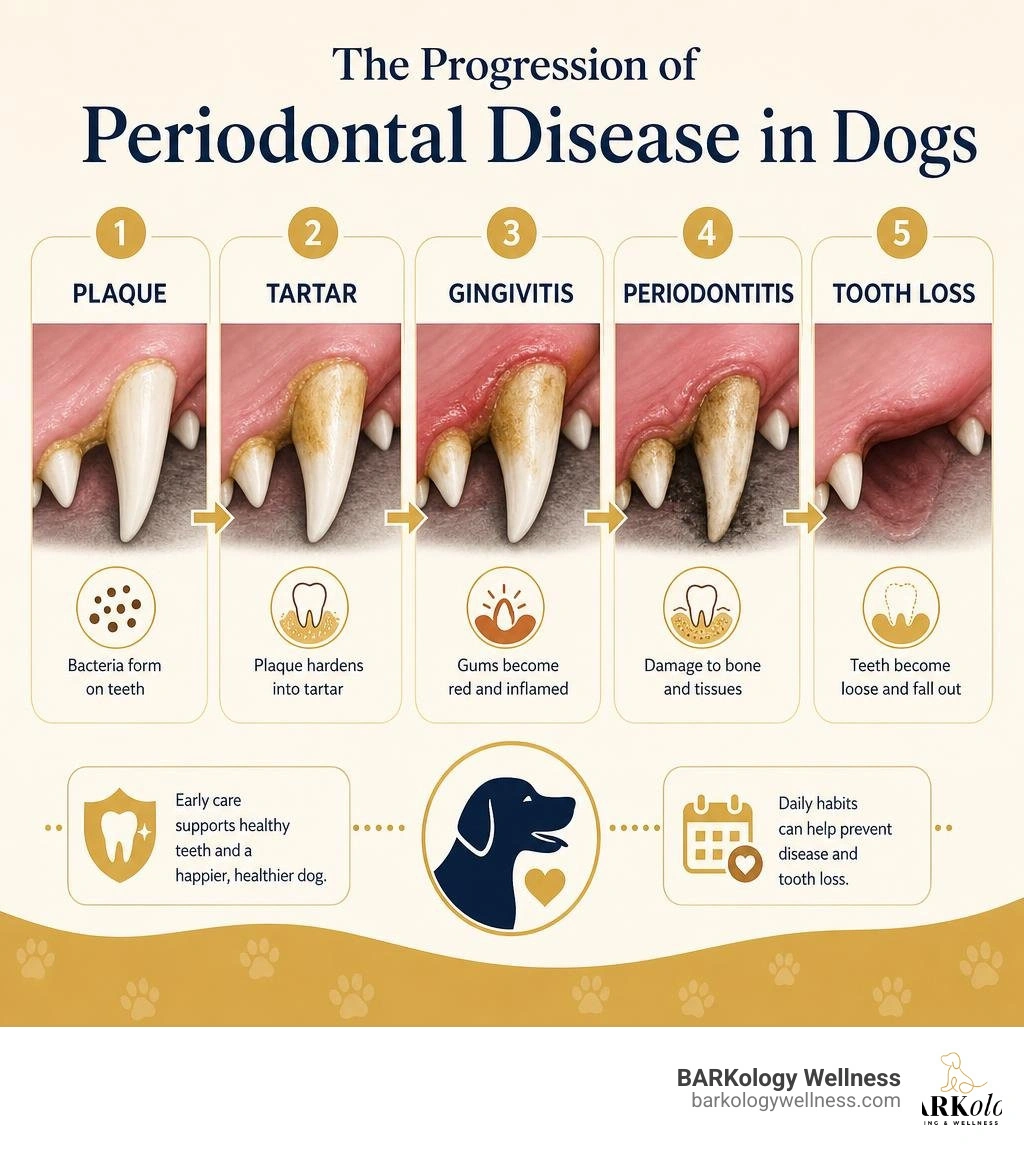
The primary culprit behind bad dog breath is the exact same one that affects humans: bacteria. Every time your dog eats, food particles mix with saliva to form a sticky film called plaque. If plaque is not removed, it combines with minerals in your dog's saliva and hardens into tartar within 24 to 36 hours.
Once tartar forms, it provides a rough surface where even more bacteria can attach and multiply. This bacteria leads to periodontal disease, an inflammatory condition that damages the gums, the bone supporting the teeth, and the teeth themselves. Flat-faced breeds (like French Bulldogs, Boston Terriers, and Pugs) are especially prone to early periodontal disease because their teeth are crowded closely together, creating perfect hiding spots for bacteria.
Dietary Choices and Scavenging
Sometimes, bad breath is simply a reflection of what your dog has put in their mouth. Dogs are natural scavengers. Whether they’ve been rummaging through the kitchen garbage or engaging in coprophagia (the scientific term for eating feces), dietary indiscretion will rapidly ruin their breath. While behavioral training is the ultimate fix for scavenging, a high-quality freshener can help neutralize the lingering odors.
Underlying Systemic Health Concerns
In some cases, bad breath is a warning sign of a much more serious internal health issue. If your dog's breath has a distinct, unusual smell, it's time to pay close attention:
- Sweet or Fruity Breath: This can be a classic sign of canine diabetes. When the body cannot properly process sugar, it breaks down fat for fuel, producing ketones that give the breath a sweet, acetone-like aroma.
- Urine-Like or Musty Breath: If your dog's breath smells like urine or ammonia, it could point to kidney disease. When the kidneys fail to filter waste products from the bloodstream, those toxins build up and can be smelled on the breath.
- Extremely Foul or Decaying Odor: Accompanied by vomiting, yellowing of the eyes or gums (jaundice), and a loss of appetite, an incredibly foul smell can indicate liver disease.
If your dog exhibits any of these distinct odors, or if their bad breath is accompanied by lethargy, weight loss, or excessive drooling, bypass the retail shelf and schedule a veterinary visit immediately.
Choosing the Right Dog Breath Freshener for Your Pup
Finding the best oral care product comes down to understanding your dog's personality and your own daily routine. If you buy a product that requires a struggle every night, you won't use it consistently, and consistency is the absolute key to success.
To help you find the Best for Dogs Teeth and Breath, let’s compare the four primary types of over-the-counter breath fresheners.
| Product Type | Ease of Application | Primary Benefit | Best For |
|---|---|---|---|
| Water Additives | Extremely Easy (Pour & Forget) | Continuous plaque reduction with every drink | Busy pet parents and dogs who hate having their mouths touched |
| Dental Sprays | Easy (Quick spritz) | Instant odor neutralization and targeted bacteria control | Pups who tolerate quick mouth handling; fast touch-ups |
| Dental Chews | Very Easy (Treat-style) | Mechanical scraping of plaque combined with fresh ingredients | Dogs who love treats and need a daily chewing outlet |
| Dental Powders | Very Easy (Sprinkle on food) | Systemic or enzyme-based plaque control from the inside out | Picky eaters and multi-dog households at mealtime |
The Convenience of a Water Additive Dog Breath Solution
For the ultimate "hands-off" approach, water additives are incredibly popular. You simply add a recommended dosage (usually a tablespoon or capful per 16 ounces of fresh water) directly to your dog's water bowl every day.
These formulas typically rely on ingredients like stabilized chlorine dioxide or natural enzymes. Instead of just masking the smell with heavy artificial perfumes, they work by breaking down the volatile sulfur compounds (VSCs) produced by oral bacteria. They also help weaken the biofilm of plaque, making it harder for tartar to build up on the teeth.
Using a water additive like the highly-rated Amazon.com : TropiClean Fresh Breath Water Additive for Dogs ... is an effortless way to ensure your dog receives oral care with every single lap of water. Owners love that it requires zero brushing or mouth wrestling. However, because it is diluted in water, it works gradually over several weeks rather than providing an instant blast of minty freshness.
Quick Relief with a Targeted Dog Breath Freshener Spray
When you need immediate results, perhaps right before a long car ride or a snuggle session, a Dental Spray for Dogs is your best friend. Sprays are designed to be applied directly onto your dog's teeth and gums.
Most dental sprays use advanced enzyme technology or mild antiseptic ingredients to kill odor-causing bacteria on contact. For example, the Beaphar Fresh Breath Anti-Plaque Mouth Spray for Dogs and Cats, 150ml - Beaphar utilizes a triple enzyme action (protease, glucose oxidase, and glucoamylase) along with sodium tripolyphosphate to target plaque and prevent tartar from binding to the enamel.
Another popular option is the PynkLily Dental Spray™, which boasts a 100% natural, tasteless, and odorless formula. It uses a gentle, vet-approved hypochlorous acid solution to cleanse the mouth and support healthy gums without stressful brushing.
Sprays are highly effective because they deliver active ingredients directly to the source of the odor. The only challenge is that some dogs are startled by the "hiss" of a spray bottle, requiring a bit of patience and positive reinforcement during the training phase.
Choosing a Dog Breath Freshener Chew or Powder
If your dog turns into a running back trying to dodge a spray bottle, dental powders and soft chews offer a delicious, stress-free alternative.
Dental Powders
Dental powders are formulated to be sprinkled directly onto your dog's dry kibble or wet food once a day. They often work systemically. For instance, the Wonder Paws Fresh Breath Dental Powder features Icelandic kelp (Ascophyllum nodosum), which is absorbed into the dog's system and excreted through their saliva to naturally soften plaque and tartar. Powders are highly palatable, and most dogs will happily gobble them down without realizing they are receiving a dental treatment.
Soft Chews and Microbiome Support
Other advanced formulations tackle bad breath by focusing on the gut-mouth connection. It is a scientific fact that an imbalanced digestive system can cause foul gases to travel up the esophagus, resulting in stinky breath.
Supplements like CLEAN BREATH – Native Pet use a unique triple-biotic approach (prebiotics, probiotics, and postbiotics) combined with brown algae and zinc to balance both the oral and gut microbiomes. Similarly, Fresh Breathies Dental Health Chews - Dog Breath Treats – Pup Labs feature a premium mushroom blend, yucca, spirulina, and parsley to support gut health and reduce overall body and breath odors.
If you are looking for a daily treat that does double duty, Dog Dental Chews & Natural Breath Fresheners | Omni – Omni Pet Limited offers cold-pressed soft chews packed with plaque-digesting enzymes and chlorophyll-rich peppermint. For general browsing of chew options, you can also explore a variety of Dog Breath Freshener Treats - Target to find a flavor and texture your dog loves.
Key Ingredients and Safety Considerations

When reading the label of a dog breath freshener, it is important to know which ingredients are beneficial and which ones should be avoided.
Safe and Effective Ingredients
- Ascophyllum Nodosum (Icelandic Kelp): A natural seaweed clinically proven to reduce plaque and tartar by keeping bacteria from sticking to the teeth.
- Zinc (such as Zinc Gluconate): Binds to volatile sulfur compounds in the mouth, neutralizing bad odors instantly.
- Enzymes (Protease, Glucose Oxidase): Actively break down the organic proteins that make up plaque.
- Peppermint and Curly Parsley: Excellent natural sources of chlorophyll that provide a clean, fresh scent while supporting digestion.
- Sodium Hexametaphosphate: A safe mineral that binds calcium in the saliva, preventing it from turning plaque into hard tartar.
Crucial Safety Warnings
Never use human toothpaste or mouthwash on your dog. Human dental products often contain xylitol, an artificial sweetener that is extremely toxic to dogs and can cause rapid, life-threatening hypoglycemia and liver failure. Additionally, avoid dog breath products that contain high amounts of alcohol, artificial dyes, or harsh chemical preservatives. Always opt for alcohol-free, vet-approved formulas to keep your pet safe.
Building a Complete Dental Routine Without the Struggle
While a high-quality dog breath freshener is an incredible tool, it works best when integrated into a comprehensive, multi-step dental routine.
- Introduce Gentle Brushing: Even if you can't manage a full brushing session, try to Brush Small Dog Teeth using a soft finger brush and a tasty, poultry-flavored enzymatic toothpaste a few times a week. Focus on the outside of the upper teeth, where plaque accumulates fastest.
- Use Dental Wipes: If your dog absolutely refuses a toothbrush, dental wipes are a fantastic middle ground. You simply wrap the textured wipe around your finger and rub it over their teeth to physically wipe away plaque before it hardens.
- Schedule Professional Cleanings: No home care routine can completely remove hard, calcified tartar. Just like humans need to see a dental hygienist, dogs require a Deep Dental Cleaning for Dogs performed by a veterinary professional to scale away tartar beneath the gumline.
Frequently Asked Questions About Dog Breath

How quickly do dog breath fresheners work?
It depends on the product type. Sprays and mint-infused chews offer immediate, temporary relief within minutes. However, systemically active products like water additives, dental powders, and probiotic chews require consistent daily use for about 3 to 6 weeks to show a noticeable, long-term reduction in plaque and chronic bad breath.
Are water additives safe for daily use?
Yes, high-quality, vet-formulated water additives are completely safe for daily, long-term use. Always follow the manufacturer's dosage instructions based on the volume of water, and ensure your dog always has access to a secondary bowl of plain, fresh water if they are picky about changes to their drinking water.
Can a breath freshener replace professional veterinary dental cleanings?
No. While breath fresheners are excellent for daily maintenance and slowing down plaque buildup, they cannot remove hard tartar that has already bonded to the teeth. To truly prevent periodontal disease and address deep-seated oral issues, a professional Fresh Breath Treatment and veterinary cleaning are essential.
Conclusion
Curing bad dog breath doesn't have to be a daily battle. By choosing the right dog breath freshener, whether it's an effortless water additive, a quick dental spray, or a delicious daily chew, you can easily keep your dog's mouth fresh and healthy.
At BARKology Wellness in South Tampa, FL, we believe that dental hygiene is a vital pillar of your dog's overall happiness. We invite you to pamper your pup with our luxury grooming and wellness services designed to keep them healthy from nose to tail. To make oral care and overall wellness a seamless part of your dog's lifestyle, explore our BARKology Wellness Memberships today!