
Why a Healthy Coat Matters More Than Just Looks

Dog coat care isn't just about keeping your pup looking picture-perfect, it's a direct window into their overall health and well-being. A shiny, well-maintained coat signals proper nutrition, good hydration, and the absence of underlying health issues, while a dull or patchy coat often indicates problems that need attention.
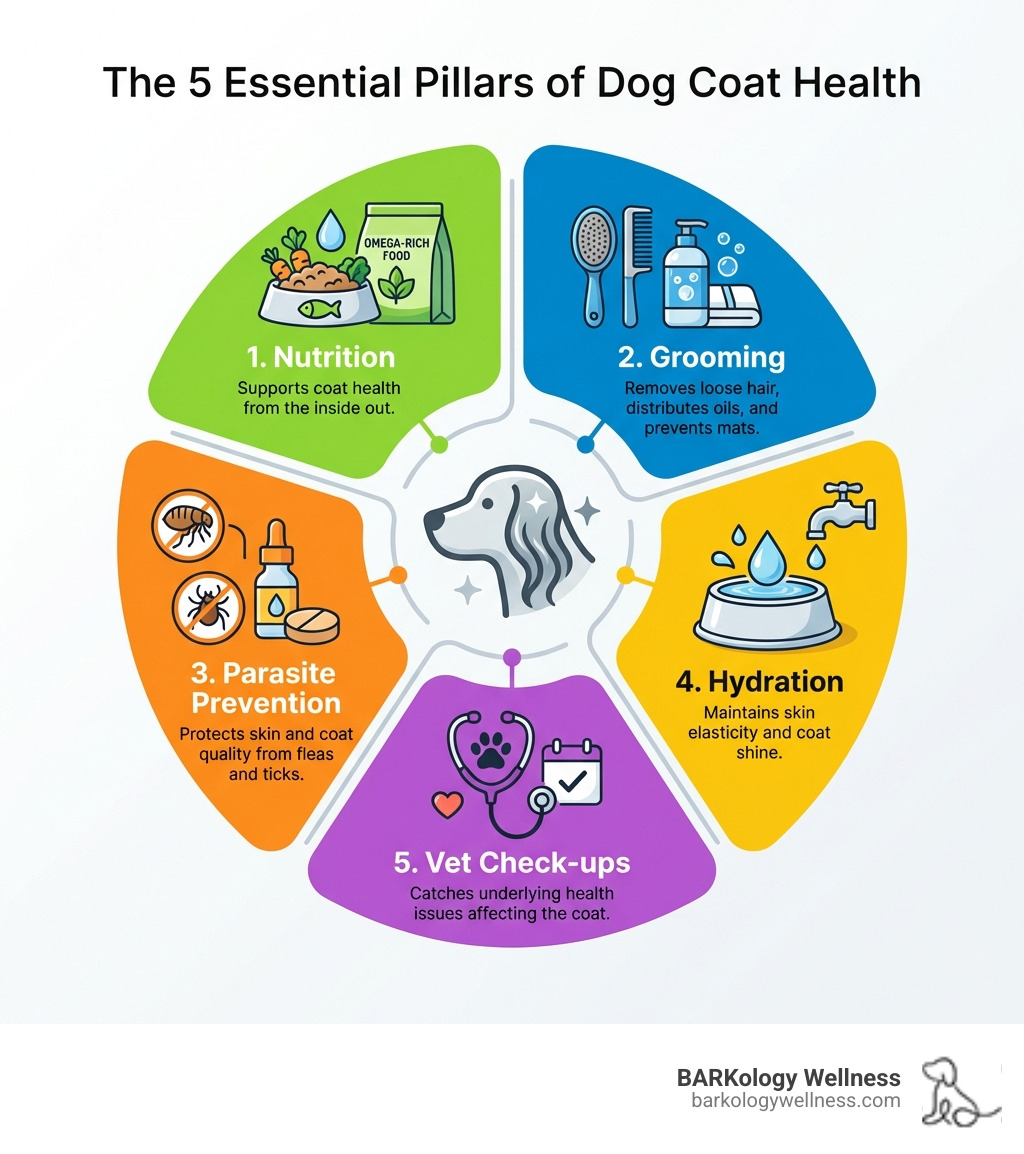
Quick Answer: The 5 Essential Pillars of Dog Coat Care
- Regular Grooming - Brushing removes loose hair, distributes natural oils, and prevents painful mats
- Proper Nutrition - High-quality food rich in omega fatty acids supports coat health from the inside out
- Parasite Prevention - Fleas and ticks wreak havoc on skin and coat quality
- Adequate Hydration - Fresh, clean water maintains skin elasticity and coat shine
- Veterinary Check-ups - Regular exams catch underlying health conditions that affect coat appearance
Your dog's coat does far more than you might realize. It acts as their first line of defense against scratches, UV rays, and temperature extremes. In cold weather, a healthy coat provides crucial insulation. In hot weather, it helps regulate body temperature and prevents sunburn. The coat also serves as a sensory organ, with each hair follicle connected to nerve endings that help your dog steer their world.
But here's what many pet owners miss: coat health reflects internal health. According to research, a dull or matted coat can signal poor nutrition, dehydration, or underlying conditions like hypothyroidism or Cushing's disease. That's why understanding your dog's specific coat type and its unique needs isn't optional, it's essential.
I'm Nabilah Shamseddine, founder of BARKology Wellness in South Tampa, where we've helped hundreds of dogs achieve optimal health through personalized dog coat care and comprehensive wellness services. My background in building community-driven wellness brands has shown me that when we treat coat care as part of a complete health strategy, not just a cosmetic service, dogs truly thrive.
Decoding Your Dog's Fur: A Guide to Coat Types
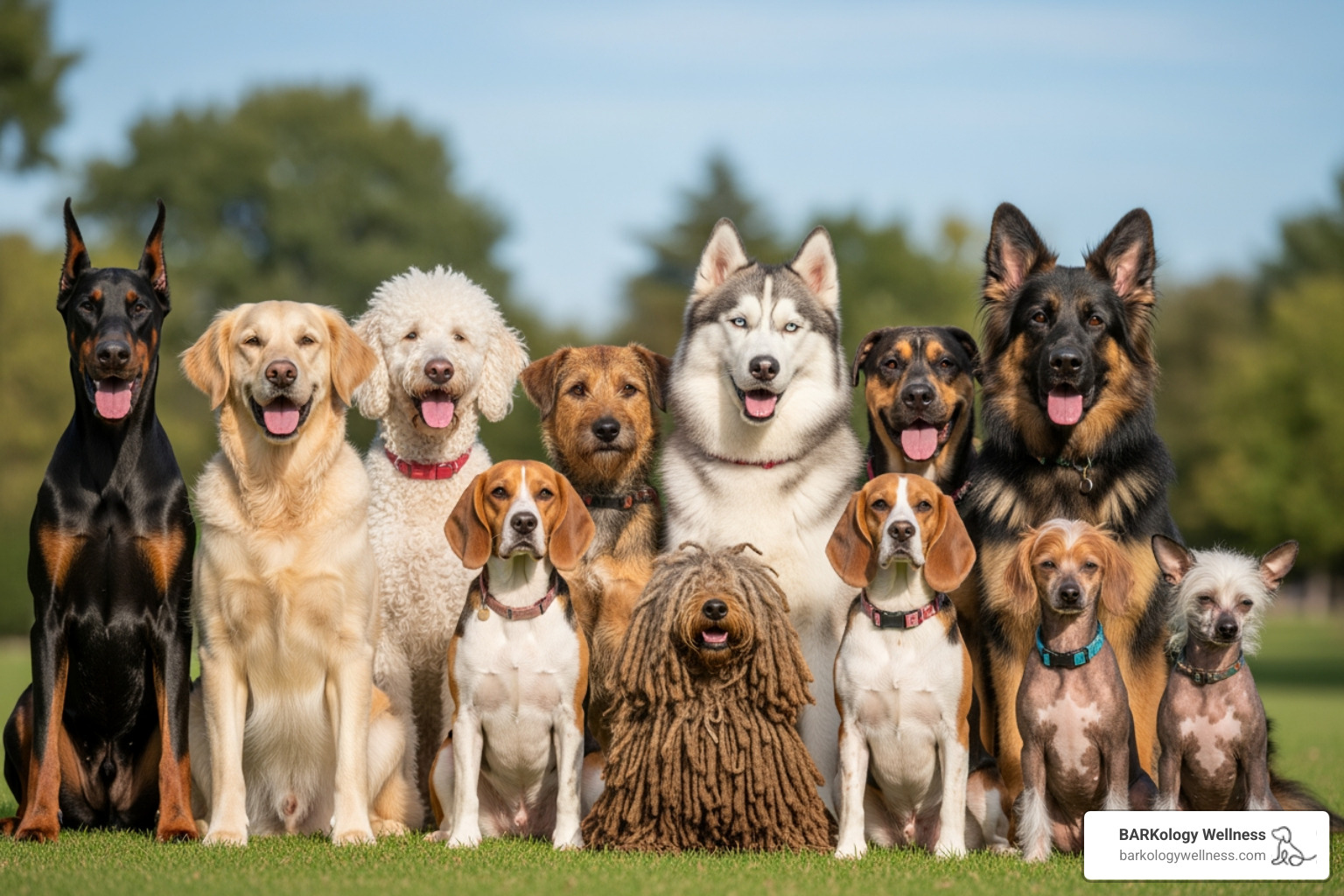
Just like humans, dogs come in an astonishing variety of shapes, sizes, and, you guessed it, coats! Each coat type is a marvel of natural selection and selective breeding, designed to protect your dog in different environments and for various purposes. Understanding these differences is the first step in providing optimal dog coat care.
The diversity in dog coats is largely determined by genetics. Specific genes control everything from hair length and texture to the presence of an undercoat and shedding tendencies. For instance, the FGF5 gene primarily dictates hair length, while KRT71 influences curly hair. The RSPO2 gene is responsible for "furnishings" (the longer hair on a dog's face and legs), and MC5R plays a role in shedding. This genetic blueprint explains why a sleek Greyhound has vastly different grooming needs than a fluffy Poodle. You can learn more about these fascinating genetic factors in this AKC article on how a dog’s coat length and type is inherited.
Different coat types mean different grooming requirements. For example, dogs bred for icy conditions, like Huskies, developed dense double coats for insulation. In contrast, dogs from hot, dry climates often have short, smooth coats. Our approach to dog coat care must respect these breed-specific adaptations.
Here's a quick overview of common coat types and their general grooming needs:
| Coat Type | Grooming Frequency | Shedding Level | Recommended Tools |
|---|---|---|---|
| Smooth/Short | Weekly brushing | Year-round, low-medium | Short bristle brushes, grooming gloves, rubber curry |
| Double | Daily/several times a week | Seasonal, heavy | Undercoat rake, slicker brush, de-shedding tools |
| Long | Daily brushing | Moderate | Slicker brush, detangling comb, pin brush |
| Curly | Several times a week | Low (trapped hair) | Slicker brush, metal comb, clippers/scissors |
| Wire | Weekly brushing | Low | Stripping knife (for hand-stripping), slicker brush |
| Hairless | Daily skin care | None | Soft cloth, sunscreen, moisturizer |
Smooth/Short Coats
Dogs with smooth or short coats, like Beagles, Boxers, Dalmatians, Greyhounds, and Chihuahuas, often appear low-maintenance. Their fur lies close to the body, and they typically lack a dense undercoat. While they might not get matted, they do shed year-round, typically at a low to medium level.
For these pups, dog coat care involves weekly brushing with a short bristle brush, grooming glove, or rubber curry brush. This helps remove loose hair, stimulate skin circulation, and distribute natural oils, keeping their coat shiny. Bathing can be done as needed, typically once every 4-6 weeks, or when they get particularly dirty from a romp in the Tampa Bay sunshine.
Double Coats
Breeds such as Siberian Huskies, German Shepherds, and Golden Retrievers boast a double coat, consisting of a soft, dense undercoat and a longer, coarser topcoat. This combination provides superior insulation against both cold and heat, acting like a natural thermostat. It also offers excellent protection from the elements.
The downside? Double-coated dogs are known for "blowing their coat" during seasonal changes, resulting in heavy shedding twice a year. During these periods, daily brushing with an undercoat rake and slicker brush is crucial to remove dead hair and prevent matting. Outside of shedding season, brushing several times a week is still recommended. Bathing can help loosen the undercoat during shedding, but ensure thorough rinsing and drying to prevent skin issues.
Long Coats
Long-coated breeds, including Afghan Hounds, Maltese, Shih Tzus, and Great Pyrenees, are undeniably beautiful, but their luxurious locks demand significant dog coat care. Their flowing fur is highly prone to tangles, knots, and painful mats, especially around friction points like behind the ears, under the legs, and in the groin area.
Daily brushing with a slicker brush and a detangling comb is essential to keep their coats free of mats and debris. Many long-haired dogs also benefit from regular professional grooming to maintain length, trim problem areas, and address any developing mats. Without diligent care, long coats can quickly become unmanageable and uncomfortable for your pup.
Curly & Wire Coats
Poodles, Bichon Frises, and Portuguese Water Dogs represent curly coats, while breeds like the Border Terrier and Airedale Terrier have wiry coats. Curly coats are often low-shedding (the shed hair gets trapped in the curls), but this makes them highly susceptible to matting. Wire coats are coarse and repel dirt and debris, making them quite functional.
For curly-coated dogs, regular brushing with a slicker brush and metal comb, along with professional trimming every 4-8 weeks, is vital to prevent mats and maintain their characteristic look. Wire-coated breeds often benefit from a technique called "hand-stripping," which removes dead outer coat hairs to maintain texture and color, rather than clipping which softens the coat. Regular weekly brushing with a slicker brush is also important for wire coats.
Hairless
While not having a coat in the traditional sense, hairless breeds like the Chinese Crested and Xoloitzcuintli still require specialized dog coat care, or rather, skin care! Their exposed skin is vulnerable to sunburn, dryness, and environmental irritants.
Daily skin care for these dogs involves applying dog-safe sunscreen when outdoors, moisturizing lotions to prevent dryness, and regular bathing to keep their skin clean. Their skin can be prone to acne or blackheads, so a gentle cleansing routine is key. Despite their lack of fur, these breeds are not maintenance-free!
Essential Dog Coat Care Routines and Best Practices
Establishing a consistent dog coat care routine is more than just a chore; it's an opportunity for bonding and a crucial part of your dog's overall wellness. When we approach grooming with patience and positive reinforcement, it becomes an enjoyable experience for both of us. Think of it as a pampering session at our BARKology Wellness spa in South Tampa, but right in your home!
The Basics of At-Home Dog Coat Care: Brushing and Bathing
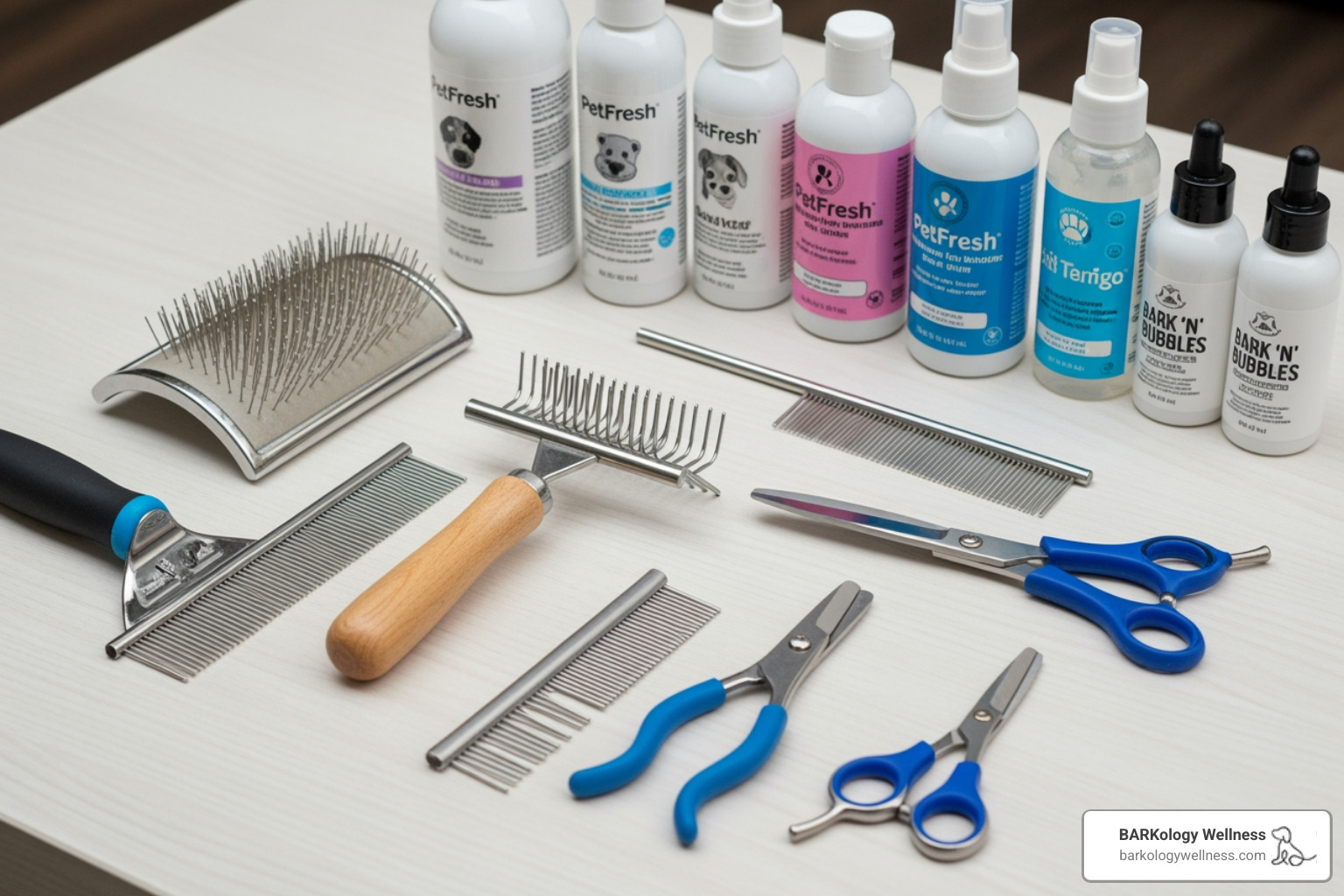
Brushing: This is perhaps the most fundamental aspect of at-home dog coat care. Regular brushing does wonders: it removes loose hair, dirt, and debris, preventing tangles and mats. It also stimulates the skin, encouraging blood flow, and distributes natural oils throughout the coat, resulting in a healthy shine. The frequency depends entirely on your dog's coat type, as detailed in our table above. For long-haired or double-coated breeds, daily brushing is often necessary. For short-haired dogs, a weekly session might suffice.
Choosing the right tool is key. For example, a slicker brush works wonders on curly coats, while an undercoat rake is indispensable for double-coated breeds during shedding season. Short bristle brushes or grooming gloves are perfect for smooth coats. If you're unsure, ask your groomer or veterinarian for recommendations custom to your dog.
Bathing: How often should you bathe your dog? The general rule is "as needed" or about once or twice a month. Over-bathing can strip your dog's skin of its natural oils, leading to dryness, irritation, and a dull coat. This is why we always use dog-specific shampoos, as human shampoos (even baby shampoo) are too harsh for a dog's skin pH and thickness. A hypoallergenic shampoo without added perfumes is often a great choice for regular use.
When bathing, always use warm water for your dog's comfort. Dilute shampoo for thick coats to ensure it penetrates evenly and rinses out completely. And speaking of rinsing – rinse, rinse, rinse! Any shampoo residue left behind can cause skin irritation. After shampoo, a dog-specific conditioner can help restore moisture and minimize dandruff.
For a truly luxurious and thorough clean, consider our professional grooming services. Our BARKology Bath and Boston Bath services are designed to address specific coat needs, ensuring your dog leaves feeling fresh and pampered. You can find more info about our grooming services on our website.
The Role of Nutrition and Supplements
We often say, "You are what you eat," and the same goes for our furry friends! A dog's diet plays a monumental role in the health and appearance of their skin and coat. A vibrant, shiny coat is a strong indicator of good internal health, while a dull, dry, or excessively shedding coat can signal nutritional deficiencies.
High-Quality Diet: The foundation of a healthy coat starts with a balanced, high-quality dog food. Look for foods that list real meat as the primary ingredient and avoid excessive fillers. Poor nutrition can directly lead to dull, matted coats.
Omega-3 & Omega-6 Fatty Acids: These are the superheroes of coat health! Omega fatty acids are essential for maintaining healthy skin and a lustrous coat, supporting skin elasticity and reducing excessive shedding. You'll often find them in ingredients like fish oil, salmon oil, and flaxseed meal. Many pet parents notice a shinier coat and healthier skin when their dog's diet is rich in these essential fats.
Hydration: Don't underestimate the power of water! Adequate hydration is crucial for skin elasticity and overall coat health. Always ensure your dog has access to fresh, clean water.
Vitamins and Minerals: Beyond omegas, a complete diet provides essential vitamins and minerals like Vitamin E, biotin, and zinc, all of which contribute to skin and coat vitality. If you're unsure if your pet is getting the right balance, a multivitamin for dogs might be a good discussion to have with your vet.
Supplements: While a good diet is paramount, supplements can offer an extra boost. Fish oil and omega supplements are popular choices to ensure adequate intake of beneficial fatty acids. For dogs with seasonal or environmental allergies that manifest as itchy skin, allergy supplements containing ingredients like krill meal, botanical antioxidants, and probiotics can be incredibly helpful. We also offer specialized wellness services and products to support your dog's internal health, which directly impacts their external glow. Explore more info about our wellness services to see how we can tailor a plan for your pup.
Seasonal Coat Care Adjustments
Just like we change our wardrobes with the seasons, our dogs' coats also require adjustments throughout the year.
Winter Protection: For double-coated breeds, their dense fur is their natural winter coat, providing excellent insulation. Avoid shaving these breeds in winter, as it compromises their ability to stay warm. Regular brushing helps maintain the insulating quality of their undercoat.
Summer Care: As the Tampa heat rises, owners of long-haired dogs often wonder about shaving their pups. While a shorter cut can increase comfort, it's crucial to leave at least 1 inch (2.5 cm) of hair to prevent sunburn and sun damage to the skin. A "summer cut" should be a trim, not a shave-down to the skin. Hairless breeds, of course, need diligent sunscreen application.
Spring and Fall Shedding: These are peak shedding seasons for many breeds, especially double-coated dogs. During these times, expect to increase your brushing frequency dramatically. De-shedding tools and professional de-shedding treatments can help manage the deluge of loose fur, keeping your home cleaner and your dog more comfortable. Bathe them more frequently during these periods to help loosen dead hair.
Troubleshooting Common Coat Problems
A dog's coat is often the first place we notice signs of trouble. It acts as an early warning system, telling us if something might be amiss internally. If you observe persistent changes in your dog's coat, such as excessive shedding, dryness, oiliness, or dullness, it's always wise to consult your veterinarian. These could be indicators of underlying health issues that require medical attention.
Managing Shedding, Matting, and Dullness
Shedding: All dogs shed, it's a natural process for them to get rid of old or damaged hair. The MC5R gene, for example, is linked to shedding tendencies. However, excessive shedding can be a cause for concern. It might indicate a poor diet, allergies, stress, or more serious health conditions like hormonal imbalances. Regular brushing is our best defense against normal shedding, helping to remove loose hair before it ends up on your furniture. For heavy seasonal shedders, an undercoat rake or de-shedding tool can be a game-changer.
Matting: These painful tangles occur when fur becomes tightly knotted, trapping dead hair close to the skin. Mats can pull on the skin, cause irritation, restrict air circulation, and even hide skin infections or parasites. They commonly form in areas of friction, like behind the ears, under the collar, or in the armpits. Prevention is key: daily brushing with appropriate tools and a dog-safe detangling spray can prevent mats from forming. If you encounter a mat, try to gently work it out with your fingers and a comb. Never use scissors to cut out mats, as it's incredibly easy to accidentally cut your dog's skin. For severe or extensive matting, always seek professional help from a skilled groomer.
Dullness: A lackluster coat that lacks shine can be a sign that something is off. Common culprits include poor nutrition, dehydration, or inadequate grooming. Ensure your dog is on a high-quality diet rich in omega fatty acids and always has plenty of fresh water. Consistent brushing will distribute natural oils and improve circulation, contributing to a healthy sheen. If dietary and grooming adjustments don't restore the coat's luster, consult your vet to rule out underlying health issues like Cushing's disease, hypothyroidism, or diabetes.
Parasites, Allergies, and Skin Irritations
Parasites: Fleas and ticks are more than just an annoyance; they can cause intense itching, skin irritation, and even transmit diseases. A dog's fur is the perfect transport for these unwelcome guests, and their bites can lead to hot spots (localized inflamed skin lesions) or allergic reactions. Year-round flea and tick prevention is crucial for your dog's comfort and coat health. Talk to your vet about the best available flea and tick preventatives for your unique pet.
Allergies and Skin Irritations: Many dogs suffer from allergies, seasonal, environmental, or food-related, which often manifest as itchy, irritated skin, excessive licking, or hot spots. If your dog is constantly scratching or has red, inflamed patches, it's time for a vet visit to identify the cause. To soothe itchy skin, oatmeal baths can provide temporary relief, and products containing aloe vera or essential fatty acids can help. For seasonal allergies, high-quality allergy supplements formulated with ingredients like omega-3s, quercetin, and probiotics can support their immune system and promote healthy histamine levels.
Frequently Asked Questions about Dog Coat Care
How often should I bathe my dog?
The ideal bathing frequency varies significantly based on your dog's coat type, lifestyle, and any underlying skin conditions. As a general rule, bathing your dog once or twice a month is often just right. Over-bathing can be detrimental, stripping the skin of its natural oils and leading to dryness and irritation.
However, some situations call for more frequent baths:
- Dirty Dogs: If your dog loves rolling in mud or exploring the beaches of South Tampa, a bath after their adventures is perfectly fine.
- Puppies: Young puppies who are still learning house-training may need more frequent baths if they soil themselves.
- Allergies/Skin Conditions: Dogs with certain allergies or skin conditions might require more frequent medicated baths, as prescribed by a veterinarian.
- Non-Shedding Breeds: Breeds with continuously growing hair (like Poodles) often benefit from a bath every 6-8 weeks to prevent matting.
Always pay attention to your dog's skin and coat. If it looks greasy, smells unpleasant, or feels dry, it might be time for a bath.
Can I use human shampoo on my dog?
No, absolutely not! This is a common misconception that can lead to significant skin problems for your dog. Human skin and dog skin have different pH levels. Human shampoos, even "baby" shampoos, are formulated for human pH and can be too acidic or alkaline for a dog's skin.
Using human shampoo on your dog can:
- Strip their skin of natural protective oils.
- Cause dryness, itching, and irritation.
- Disrupt their skin's natural barrier, making them more susceptible to infections.
Always use a shampoo specifically formulated for dogs. Look for hypoallergenic options, especially if your dog has sensitive skin, and avoid those with strong perfumes or harsh chemicals.
What's the best way to deal with severe mats?
Dealing with severe mats requires extreme caution and, often, professional help. Our top advice: never use scissors to cut out mats. It's incredibly easy to accidentally cut your dog's skin, which is often very thin and pulled taut underneath a mat, leading to painful injuries and emergency vet visits.
For minor tangles, gentle brushing with a detangling spray and a comb can work. However, for severe, tight mats:
- Use Clippers: A professional groomer will use electric clippers with a safety blade to carefully shave underneath the mat, removing it safely without harming the skin. This is the safest method.
- Seek Professional Help: If your dog has extensive or severe matting, especially close to the skin, please bring them to a professional groomer. Our skilled team at BARKology Wellness in South Tampa has the expertise and specialized tools to safely and comfortably remove mats, preventing pain and potential skin issues for your beloved companion. Attempting to remove severe mats at home can be very distressing for your dog and risky for their safety.
Conclusion: A Lifelong Commitment to Your Dog's Well-being
Caring for your dog's coat is a multifaceted journey, intertwining genetics, nutrition, diligent grooming, and proactive health measures. It's a testament to our love and commitment to their well-being, reflecting not just their outer beauty but their inner vitality.
We've explored the fascinating variety of dog coat types, understood how each demands unique attention, and highlighted the essential routines that keep them healthy and happy. From the daily brush strokes that prevent painful mats to the nourishing diet that promotes a radiant shine, every aspect of dog coat care contributes to a longer, more comfortable life for our canine companions.
At BARKology Wellness, we believe in a holistic approach to pet care. Our luxury dog grooming and wellness services in South Tampa are designed to blend science with pampering, providing a serene environment where your dog's health and happiness are our top priority. We offer custom, royal treatment, because we know your dog deserves nothing less.
Consistency is key. By integrating these practices into your daily life and seeking professional guidance when needed, you're not just maintaining a coat; you're nurturing a vibrant, healthy life. For ongoing, comprehensive dog coat care and wellness support, we invite you to explore our memberships for ongoing care. Let's work together to ensure your dog shines from the inside out!