
Why Your Dog's Ears Need Your Attention
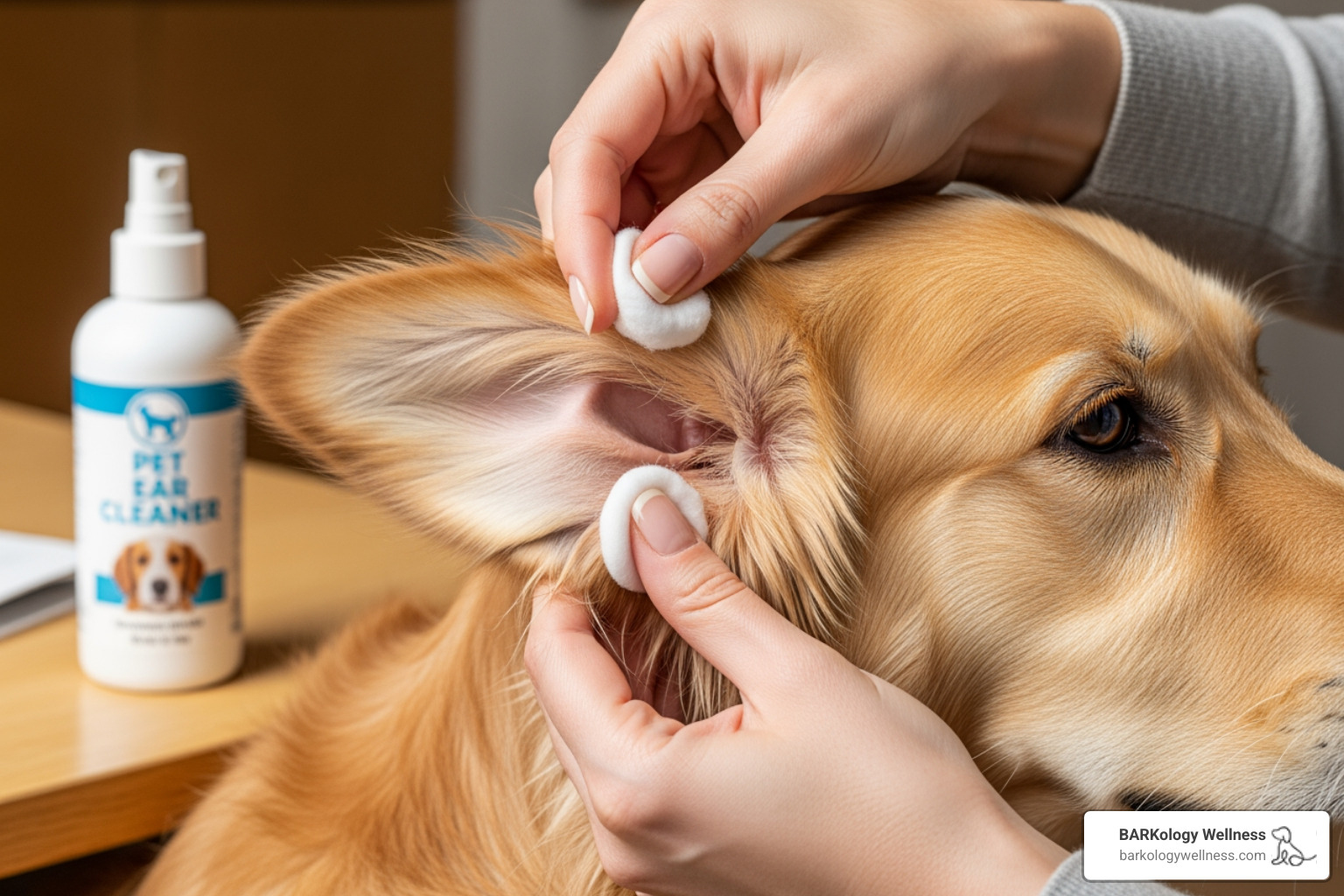
Dog ear cleaning is an essential part of your pet's health routine that many owners overlook. Here's what you need to know:
Quick Guide to Dog Ear Cleaning:
- Check monthly for dirt, odor, or redness
- Use vet-approved ear cleaner (never alcohol or hydrogen peroxide)
- Fill the ear canal with solution and massage the base for 20-30 seconds
- Let your dog shake their head to expel debris
- Wipe the outer ear with cotton balls or gauze (never Q-tips)
- Clean only when needed - over-cleaning can cause irritation
Dogs seem to really love having their ears rubbed, but if their ears are abnormally sensitive, it could be a sign that they need to be cleaned. The unique L-shaped structure of your dog's ear canal makes it harder for debris to exit naturally, which is why regular checks and proper cleaning are so important for preventing painful infections.
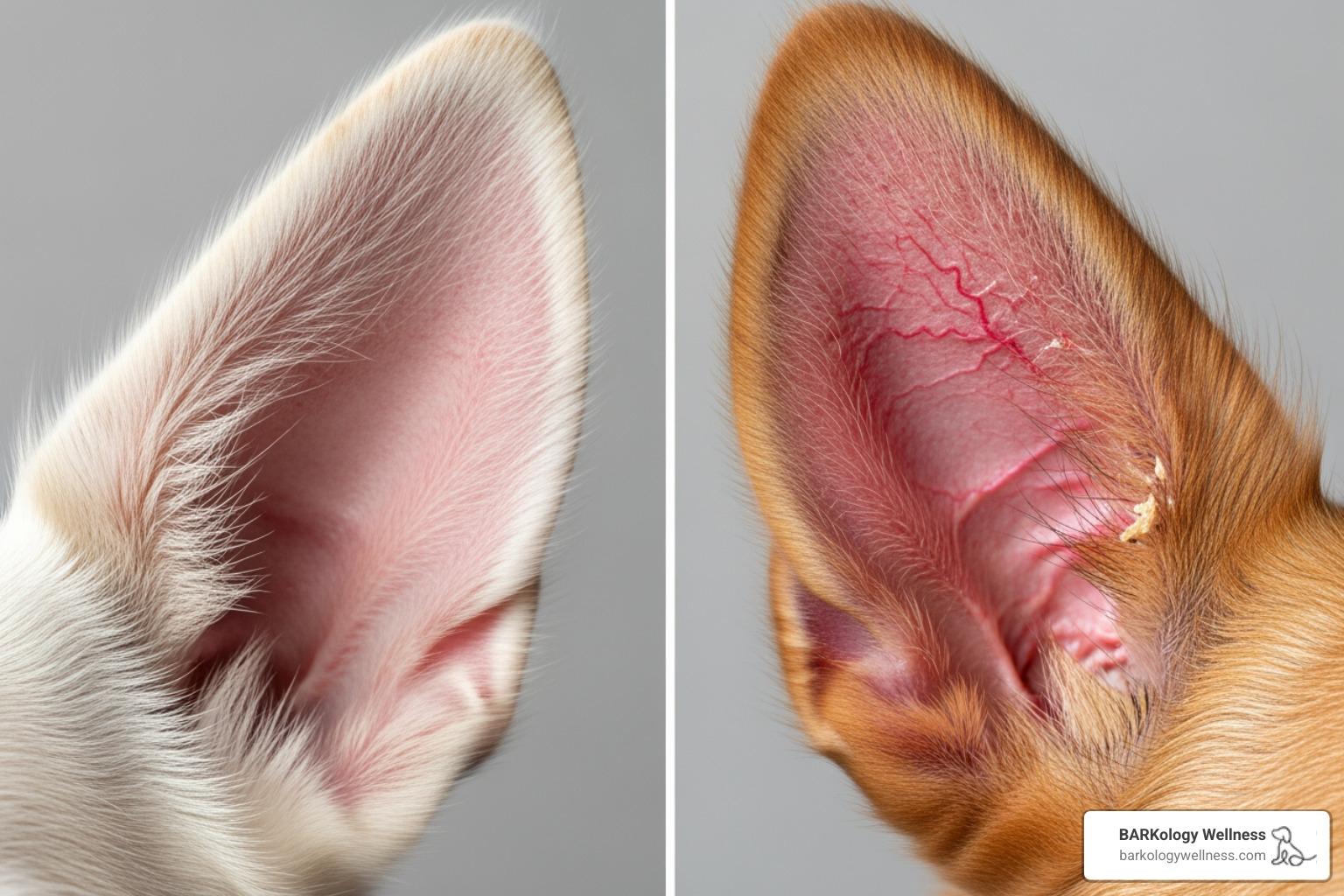
Healthy ears are pink, odorless, and free of discharge. If you notice redness, swelling, a foul smell, or your dog shaking their head more than usual, it's time to take action. Some dogs may never need frequent cleanings, while others, especially those with long, floppy ears or dogs who love to swim, require more regular care.
I'm Nabilah Shamseddine, a multi-unit franchise entrepreneur and leader at Barkology Wellness, where I focus on premium client experiences and strategic wellness solutions, including comprehensive dog ear cleaning protocols. Through my work in the wellness and fitness industry, I've seen how proactive care lifts both pet health and owner peace of mind.
Why Clean Ears are Happy Ears: The Importance of Canine Ear Health
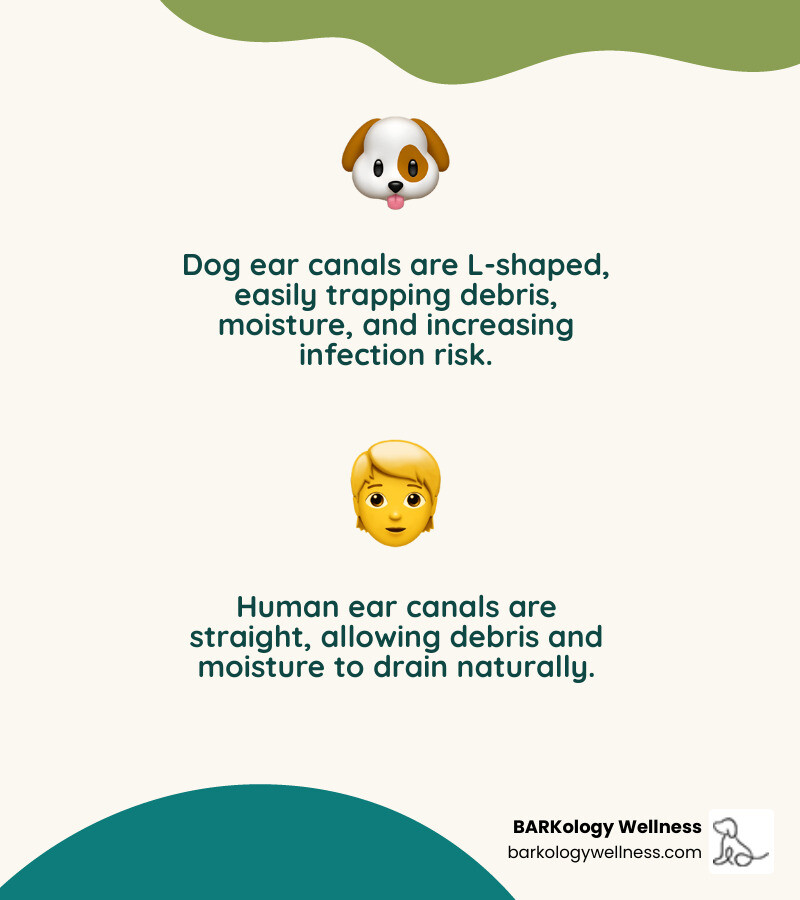
At Barkology Wellness, we know that a clean ear is a happy ear! Understanding why dog ear cleaning is so important starts with a little anatomy lesson. Unlike our straight ear canals, a dog's ear canal is shaped like an "L," with a vertical canal leading down to a horizontal one. This unique structure, while useful for hearing, unfortunately creates a perfect environment for moisture, wax, and debris to get trapped deep inside. It's like a cul-de-sac for gunk!
This anatomical design is a major reason why ear infections with bacteria or yeast are a commonly treated medical problem in dogs. In fact, the structure of a dog's ear canal makes dogs more likely than humans to get ear infections. When debris accumulates, it can block airflow, create warmth, and encourage the growth of unwelcome bacteria and yeast. If left unchecked, these can lead to painful and chronic ear infections, causing significant discomfort for our furry friends.
Certain breeds are particularly susceptible to ear problems due to their ear conformation. Dogs with long, floppy ears, such as Basset Hounds and Cocker Spaniels, are among those with the highest risk of getting ear infections. Their ears cover the ear canal, further reducing air circulation and trapping moisture. Even dogs who love to swim or spend a lot of time outdoors can be more prone to issues, as moisture and dirt easily find their way into the ear canal.
So, how do we know when our dog's ears need attention? Their ears often give us clear signals! We should look for signs that their ears need cleaning, which can include:
- Odor: A foul, yeasty, or otherwise unpleasant smell emanating from the ear. Healthy ears should have little to no scent.
- Discharge: Excessive earwax, or discharge that is yellow, brown, or even bloody. This could indicate an infection or other issue.
- Redness or Swelling: The skin inside the ear flap and canal appears inflamed or puffy.
- Head Shaking: More frequent or vigorous head shaking than usual.
- Scratching: Persistent scratching or pawing at their ears or face.
- Pain or Discomfort: Whimpering, yelping, or pulling away when their ears are touched.
Regularly checking our dog's ears, even when they seem fine, is a crucial part of proactive wellness. By understanding the unique challenges our dogs face with their ear health, we can take the necessary steps to keep them comfortable and happy.
Gearing Up: Essential Supplies and Solutions
Before we dive into the dog ear cleaning process, gather all the necessary supplies. Having everything ready not only makes the task smoother but also helps to keep your dog calm and focused. We want this to be a positive experience for them!
Here’s what we'll need:
- Dog Ear Cleaning Solution: This is the most crucial item, and we'll discuss selecting the right one below.
- Cotton Balls or Gauze: These are perfect for wiping away debris from the outer ear. We emphasize using these over cotton swabs.
- Clean, Dry Towel: Essential for catching any splashes or excess solution, and for drying your dog's ear after cleaning. It can also be draped over your dog's head and neck to protect you from inevitable head shakes.
- High-Value Treats: Positive reinforcement is key! Rewarding your dog throughout and after the cleaning process will help them associate it with good things.
- Optional: An Assistant: If your dog is particularly wiggly or nervous, having an extra set of hands to gently hold and reassure them can be a game-changer.
Choosing the Right Dog Ear Cleaning Solution
When it comes to selecting a dog ear cleaning solution, quality and safety are paramount. We can't stress this enough: always use a cleaner that's approved specifically for dogs. There are many solutions available, but not all are created equal.
It's vital to avoid certain ingredients that can be harmful or irritating to your dog's delicate ear tissues. These include:
- Alcohol: While it might seem like a good disinfectant, alcohol can be very drying and irritating, especially if your dog's ears are already inflamed or sensitive.
- Hydrogen Peroxide: Similar to alcohol, hydrogen peroxide can cause irritation and even damage the sensitive cells in the middle ear, particularly if the eardrum is compromised.
- Essential Oils: Many essential oils are not safe for dogs and can cause adverse reactions, ranging from skin irritation to systemic toxicity.
These household items will not efficiently clean your dog’s ears and may lead to ear infections or damage to their ear canal. As experts in pet wellness, we advocate for veterinary dog ear cleaning solutions as the safest choice. Your veterinarian can help you choose the most appropriate cleaner, especially if your dog has an ear infection, excessive waxy buildup, or specific sensitivities. Some cleaners are formulated for general maintenance, while others might have properties to help break down wax or address specific microbial concerns. You can learn more about why vet-approved solutions are best for your dog's ear health by consulting resources like PetMD's guide on keeping dog ears clean.
The Dangers of DIY: Why Homemade Solutions Can Be Harmful
We understand the appeal of homemade solutions – they often seem like a cost-effective or "natural" alternative. However, when it comes to dog ear cleaning, the risks of using homemade remedies far outweigh any perceived benefits.
Many DIY recipes found online can contain harmful or irritating ingredients. As mentioned, substances like vinegar, alcohol, or undiluted essential oils can cause severe irritation, inflammation, and even chemical burns in your dog's sensitive ear canal. The pH balance of a dog's ear is delicate, and homemade solutions often disrupt this balance, creating an environment ripe for bacterial or yeast overgrowth, leading to more infections rather than preventing them.
Furthermore, many homemade solutions simply don’t do a good job. They might not effectively break down wax, remove debris, or possess the necessary antimicrobial properties to prevent infection. Ineffective cleaning can give a false sense of security, allowing underlying problems to worsen unnoticed.
At Barkology Wellness, we always recommend consulting with your veterinarian to select a commercially prepared, vet-approved ear cleaner. These products have been scientifically formulated to be safe, effective, and specifically designed for canine ear anatomy and physiology. Trust us, your dog's ear health is too important to risk with unproven homemade concoctions.
A Step-by-Step Guide to Dog Ear Cleaning
Performing dog ear cleaning doesn't have to be a struggle. With the right approach, patience, and positive reinforcement, it can become a routine part of your dog's grooming that they tolerate, or even enjoy!
Preparation
Before you begin, set the stage for success:
- Choose a Calm Environment: Pick a quiet time and place where your dog feels relaxed. A bathroom, kitchen, or even outdoors can work, as long as it's easy to clean up any splashes.
- Gather Supplies: Have your ear cleaning solution, cotton balls or gauze, towel, and plenty of high-value treats within arm's reach.
- Positive Association: If your dog is new to ear cleaning, start by simply touching their ears gently, praising them, and giving treats. Gradually introduce the supplies, letting them sniff and associate them with positive experiences. This builds trust and reduces anxiety.
The Proper Technique for Safe Dog Ear Cleaning
Now, let's walk through the steps for effective and safe dog ear cleaning:
Step 1: Position Your DogDepending on your dog's size and temperament, you might have them sit, lie down, or stand. For smaller dogs, placing them on your lap or a table can be helpful. For larger dogs, positioning them between your legs can provide gentle restraint. If your dog is particularly anxious, an assistant can help by gently holding and distracting them with treats.
Step 2: Fill the Ear CanalGently grasp your dog's ear flap and pull it straight up to expose and straighten the ear canal. Hold the ear cleaning solution bottle slightly above the ear canal opening. Squeeze a generous amount of the solution into the ear canal until it's full. Be careful not to touch the ear with the bottle tip to avoid contamination.
Step 3: Massage the Base of the EarOnce the solution is in, keep the ear flap held up and gently massage the base of your dog's ear for about 20-30 seconds. You should hear a satisfying "squishing" sound as the solution works its way through the ear canal, breaking up wax and debris. This massage helps the cleaner reach all the nooks and crannies of that L-shaped canal.
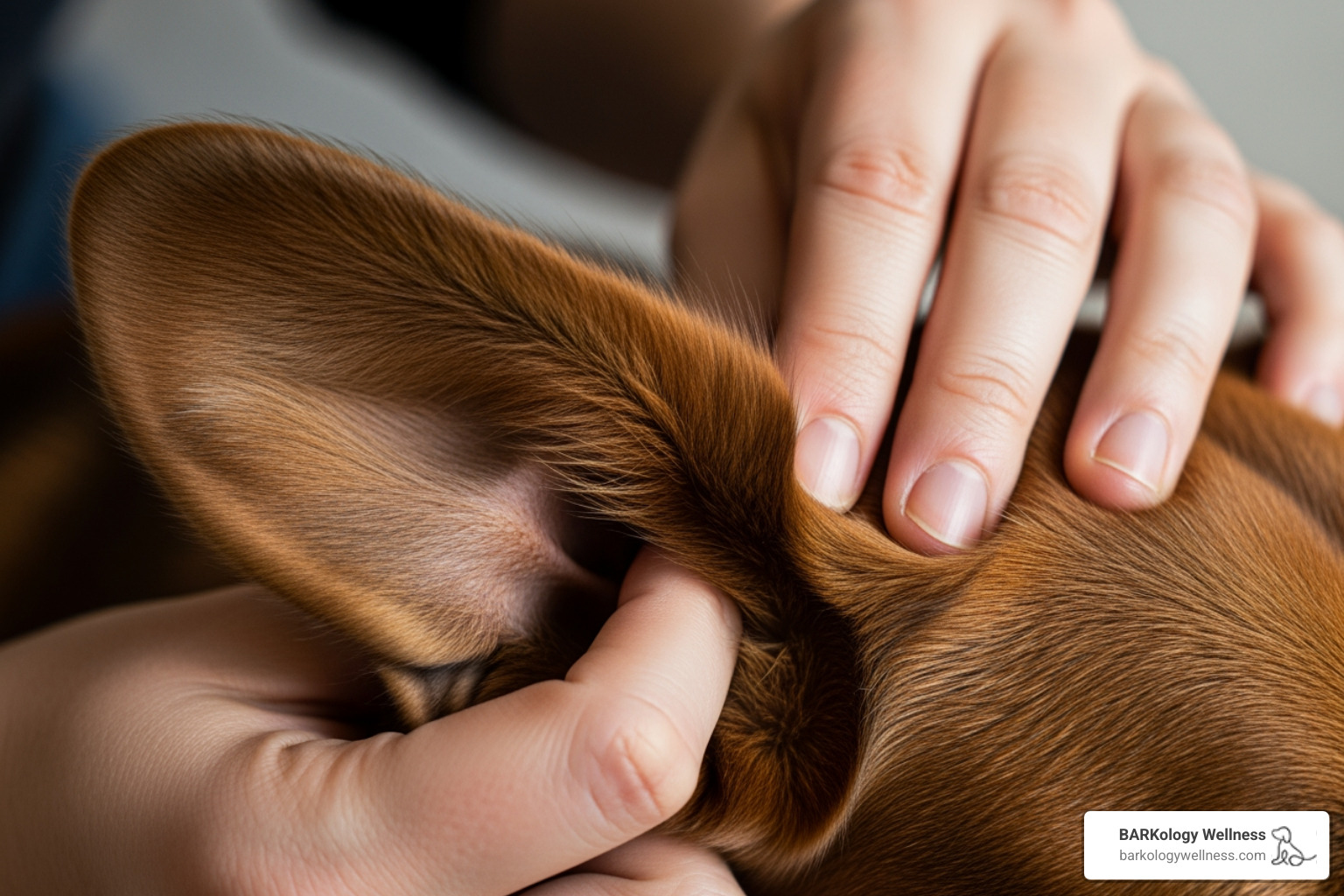
Step 4: Let Them ShakeAfter massaging, release the ear flap and allow your dog to shake their head. This is a natural and important step, as it helps dislodge and expel the loosened debris and excess solution. Be ready with your towel to protect yourself and your surroundings from the inevitable spray!
Step 5: Wipe the Outer EarOnce the shaking subsides, take a clean cotton ball or piece of gauze. Gently wipe away any visible debris, wax, and solution from the inner ear flap and the outer opening of the ear canal. Only go as far as your finger can comfortably reach into the ear – never force anything deeper. Repeat with fresh cotton or gauze until no more dirt or debris comes out.
Step 6: Reward!Always end the session on a positive note! Offer your dog plenty of praise, petting, and those high-value treats. This reinforces that ear cleaning is a positive experience, making future sessions much easier.
Consistency is key. If your dog is prone to dirty ears, regular cleaning will make the process quicker and less stressful for both of you. For more detailed insights on proper technique, including visual aids, you can refer to valuable resources like Cornell University's guide on how to clean your dog's ears.
Common Mistakes to Avoid
Even with the best intentions, it's easy to make mistakes during dog ear cleaning. Knowing what to avoid can prevent irritation, injury, and worsening of ear problems:
- Over-cleaning: While important, it's possible to overdo it. As our research shows, over-cleaning your dog's ears can lead to infection and irritation. If your dog's ears are healthy and clean, introducing cleaner could actually cause more harm than good by disrupting the natural balance. Follow your vet's recommendations for frequency.
- Using Cotton Swabs (Q-tips): This is a cardinal sin of ear cleaning! Cotton swabs can push wax and debris deeper into the ear canal, creating blockages and making infections worse. They also pose a significant risk of puncturing the eardrum or causing trauma to the delicate ear canal lining. Stick to cotton balls or gauze for the outer ear only.
- Cleaning a Painful Ear: If your dog shows signs of pain, tenderness, or extreme discomfort when you try to touch or clean their ear, stop immediately. Cleaning an already inflamed or infected ear can cause more pain and potentially push infection deeper. This is a clear signal to consult your veterinarian.
- Not Using Enough Solution: A common mistake is using only a small amount of cleaner, which won't effectively flush out the deep parts of the L-shaped canal. You need enough solution to fill the canal and allow for proper massage and loosening of debris.
- Forgetting the Reward: Skipping the treats and praise can turn ear cleaning into a negative, fear-inducing experience for your dog. A positive association is vital for long-term cooperation.
- Using Harsh or Improper Solutions: As discussed earlier, alcohol, hydrogen peroxide, and homemade concoctions can cause more harm than good. Always use vet-approved, dog-specific ear cleaners.
By being mindful of these common pitfalls, we can ensure that our dog ear cleaning efforts are beneficial and contribute positively to our dog's overall health and comfort.
When to Call the Vet: Recognizing Ear Infections and Other Issues
While routine dog ear cleaning is a vital part of preventative care, it's equally important to know when a situation moves beyond home care and requires professional veterinary attention. Sometimes, what looks like routine dirt might actually be a symptom of an underlying infection or other health issue.
Signs of a Potential Ear Infection
How do we know if our dog has an ear infection? We've already touched on some general signs, but let's dig deeper into what specifically indicates an infection, which warrants a visit to your veterinarian:
- Foul Odor: A strong, unpleasant smell that's distinctly different from normal ear odor. This is often one of the first and most obvious signs.
- Excessive Discharge: Not just a little wax, but a significant amount of discharge that might be yellow, brown, black, or even bloody. The consistency can range from waxy to pus-like.
- Redness and Swelling: The ear flap and visible parts of the ear canal appear very red, inflamed, or swollen.
- Pain or Tenderness: Your dog yelps, growls, or pulls away aggressively when their ear is touched. They might also hold their head at an unusual angle.
- Head Tilting: Persistently tilting their head to one side, usually the affected side.
- Loss of Balance or Circling: In severe cases, an inner ear infection can affect balance, causing your dog to stumble, walk in circles, or appear disoriented.
- Frequent Head Shaking and Scratching: While some head shaking is normal after cleaning, persistent, vigorous head shaking or incessant scratching at the ears indicates significant discomfort.
If you observe any of these signs, it's crucial to contact your veterinarian promptly. These symptoms can indicate various conditions, including bacterial or yeast infections, ear mites, or even foreign objects. For a comprehensive understanding of ear infections, including their causes and treatments, the Merck Veterinary Manual offers an overview of otitis externa.
When Professional Help is Necessary
There are several scenarios where we should always consult a veterinarian about our dog's ear health:
- Suspected Infection: As detailed above, any signs of a potential ear infection mean it's time for a vet visit. Attempting to clean an infected ear without proper diagnosis and medication can worsen the condition or push the infection deeper.
- Chronic or Recurrent Issues: If your dog frequently gets ear infections, there's likely an underlying cause that needs to be identified and managed by a vet, such as allergies (canine atopy or food allergies), hormonal imbalances, or breed-specific predispositions.
- Pain During Cleaning: If your dog is in pain during a routine cleaning, stop immediately and contact your vet. This could indicate an infection, injury, or even a ruptured eardrum, which needs professional assessment.
- Foreign Objects: If you suspect a foreign object (like a grass awn or foxtail) is lodged in your dog's ear canal, do not attempt to remove it yourself. This requires veterinary expertise to avoid further damage.
- Ruptured Eardrum Signs: Certain ear cleaners and medications can be toxic to the middle ear if the eardrum is ruptured. Only a veterinarian can perform an otoscopic examination to confirm the eardrum's integrity before any treatment.
- Ineffective Home Cleaning: If your regular dog ear cleaning routine isn't keeping their ears healthy, or if you're consistently seeing excessive debris, it's a sign that professional intervention or a different approach is needed.
- Deep Cleaning Under Sedation: In severe cases of chronic infection or significant debris buildup, your veterinarian may recommend a deep cleaning under sedation or anesthesia to thoroughly clear the ear canal and allow for proper examination and treatment.
At Barkology Wellness in Tampa and South Tampa, our team is dedicated to your pet's holistic health. We offer comprehensive wellness services that include ear health assessments and guidance. If you have any concerns about your dog's ears, we encourage you to reach out and explore more info about our wellness services. We're here to help you keep those ears in tip-top shape!
Frequently Asked Questions about Dog Ear Care
We often receive questions from pet parents about the best practices for dog ear cleaning. Here are some of the most common inquiries we address:
How often should I clean my dog's ears?
The frequency of dog ear cleaning is not a one-size-fits-all answer; it really depends on your individual dog! Our research shows that some dogs may never need to have their ears cleaned if they naturally stay healthy and clean. Introducing cleaner into a clean and healthy ear canal could actually cause more harm than good by disrupting its natural ecosystem.
However, many dogs do benefit from regular cleaning. Factors that influence how often you should clean include:
- Breed: Dogs with long, floppy ears (like Basset Hounds and Cocker Spaniels) or those with hairy ear canals are more prone to infections and may need more frequent cleaning.
- Lifestyle: If your dog loves to swim, frequent ear cleaning after water exposure is essential to prevent moisture-related infections. Dogs who spend a lot of time in dirty environments might also need more attention.
- Allergies or Past Infections: Dogs with a history of allergies or recurrent ear infections may require a more consistent cleaning schedule, often recommended by a veterinarian.
- Individual Wax Production: Some dogs naturally produce more earwax than others.
Our best advice is to check your dog's ears monthly as part of their regular grooming routine. If you notice signs of dirt, excess wax, or a mild odor, then it's time for a cleaning. If their ears look and smell clean, you can probably hold off. Over-cleaning your dog’s ears can lead to infection and irritation, so moderation and observation are key!
Can I use cotton swabs (Q-tips) to clean my dog's ears?
Absolutely not! We strongly advise against using cotton swabs (Q-tips) for dog ear cleaning. While they might seem convenient, they pose several significant risks:
- Pushing Debris Deeper: The primary danger is that cotton swabs often push wax, dirt, and debris further down into the L-shaped ear canal, compacting it and creating blockages. This can worsen existing problems or even lead to new infections.
- Eardrum Damage: It's very easy to accidentally insert a cotton swab too deeply and puncture or damage your dog's delicate eardrum, leading to severe pain and potential hearing loss.
- Irritation and Trauma: The ear canal lining is very sensitive. Cotton swabs can cause micro-abrasions, leading to irritation, inflammation, and making the ear more susceptible to infection.
Instead of cotton swabs, we recommend using soft cotton balls or gauze pads. These are much safer for wiping the outer ear flap and the visible parts of the ear canal. Always remember to only go as far as your finger can comfortably reach.
What's the difference between ear mites and a yeast infection?
Both ear mites and yeast infections can cause discomfort and similar symptoms, but they are distinct issues requiring different treatments. A veterinarian can accurately diagnose the problem, but here's a general overview:
- Ear Mites: These are tiny, highly contagious parasites that live in the ear canal. They cause intense itching and produce a characteristic dark, crumbly discharge that often resembles coffee grounds. Your dog will likely scratch their ears incessantly and shake their head vigorously. Ear mites are common in puppies and often spread quickly between pets.
- Yeast Infection: Yeast infections (often caused by Malassezia pachydermatis) are typically secondary to an underlying issue like allergies, moisture, or bacterial infections. They often present with a greasy, smelly discharge that can be brown or black, accompanied by a distinct, often sweet or 'yeasty' odor. The ear might also appear red and inflamed, and your dog will likely scratch and shake their head.
While these descriptions can help you differentiate, a definitive diagnosis requires a veterinarian to examine the ear with an otoscope and possibly take a swab for microscopic analysis. Never attempt to treat either condition at home without veterinary guidance, as incorrect treatment can prolong suffering or worsen the issue.
Conclusion
Mastering dog ear cleaning is a fundamental aspect of responsible pet ownership. By understanding the unique anatomy of our dogs' ears, recognizing the signs that indicate a need for cleaning, and employing proper techniques with vet-approved solutions, we can significantly contribute to their comfort and overall health. Proactive care, regular checks, and knowing when to seek professional help are your best tools in preventing painful ear infections and ensuring your canine companion lives a happy, healthy life.
At Barkology Wellness in Tampa and South Tampa, we believe in blending science with pampering care to provide custom wellness solutions for every dog. From routine grooming to specialized care, our goal is to support your pet's health and happiness in a serene environment. If you're looking for expert assistance with dog ear cleaning or other grooming needs, we invite you to experience the Barkology difference. Explore our grooming services and find how we prioritize your dog's well-being. You can also learn more about our comprehensive approach to pet care through our membership options.