
The Biological Science Behind Your Dog Skin and Coat
To keep your pup looking and feeling their best, it helps to understand what is happening beneath all that fur. A dog's dog skin and coat structure is intricate, acting as a biological shield against bacteria, seasonal elements, and physical injury.
Unlike human skin, which features 10 to 15 epidermal cell layers, a dog's epidermal layer is surprisingly delicate, typically only 3 to 5 cell layers thick. This thin structure makes dogs much more vulnerable to barrier disruption, environmental irritants, and surface inflammation.
The canine skin barrier relies on a continuous cellular turnover cycle. Every 21 to 28 days, your dog's skin completely renews its outer cellular layers. During this process, old skin cells shed off and freshly formed keratinocytes replace them. This rapid turnover requires a steady stream of internal nutrients to maintain physical barrier function, regulate thermoregulation, and prevent trans-epidermal water loss. To dive deeper into these biological mechanisms, explore the detailed Canine Skin & Coat Framework: Barrier Biology Map – La Petite Labs.
Dermal Layer Anatomy and Antimicrobial Protection
Below the thin epidermis lies the structural dermis, a rich matrix of collagen, elastin, and specialized blood vessels. Hair follicles, sebaceous glands, and nerve receptors reside here. Sebaceous glands produce sebum, a natural oily substance that coats individual hair shafts and lubricates the skin surface.
Sebum does more than add shine; it creates a vital antimicrobial barrier. Combined with specialized skin lipids, sebum maintains the delicate pH balance of canine skin. While human skin is naturally acidic (pH 4.5 to 5.5), canine skin is much closer to neutral or slightly alkaline (pH 6.2 to 7.4). This distinct pH difference explains why using human products on pets disrupts their natural skin flora, making them prone to bacterial and yeast overgrowth.
How Coat Vitality Reflects Overall Systemic Health
Because the skin and coat account for 10% to 15% of a dog's body weight, maintaining it demands significant metabolic energy. Internal organs like the liver and kidneys process nutrients and clear waste products; if a dog digests low-quality or inefficient food, these organs work harder, leaving fewer active resources to support dermal renewal.
Systemic health issues often show up first in the coat. Conditions like hypothyroidism, adrenal stress, or internal parasites cause hair growth to slow down or stall, leading to patchy, dull, or overly greasy coats. When you notice persistent structural changes in fur texture, addressing underlying internal wellness is just as critical as topical care. Learn how to spot early signs with our guide on Dog Skin Care.
Essential Nutrition for Dermal Barrier Support
When it comes to building a vibrant, soft coat, nutrition does the heavy lifting. Up to 35% of a dog's daily dietary protein intake is dedicated strictly to renewing their skin cells and growing coat hair.
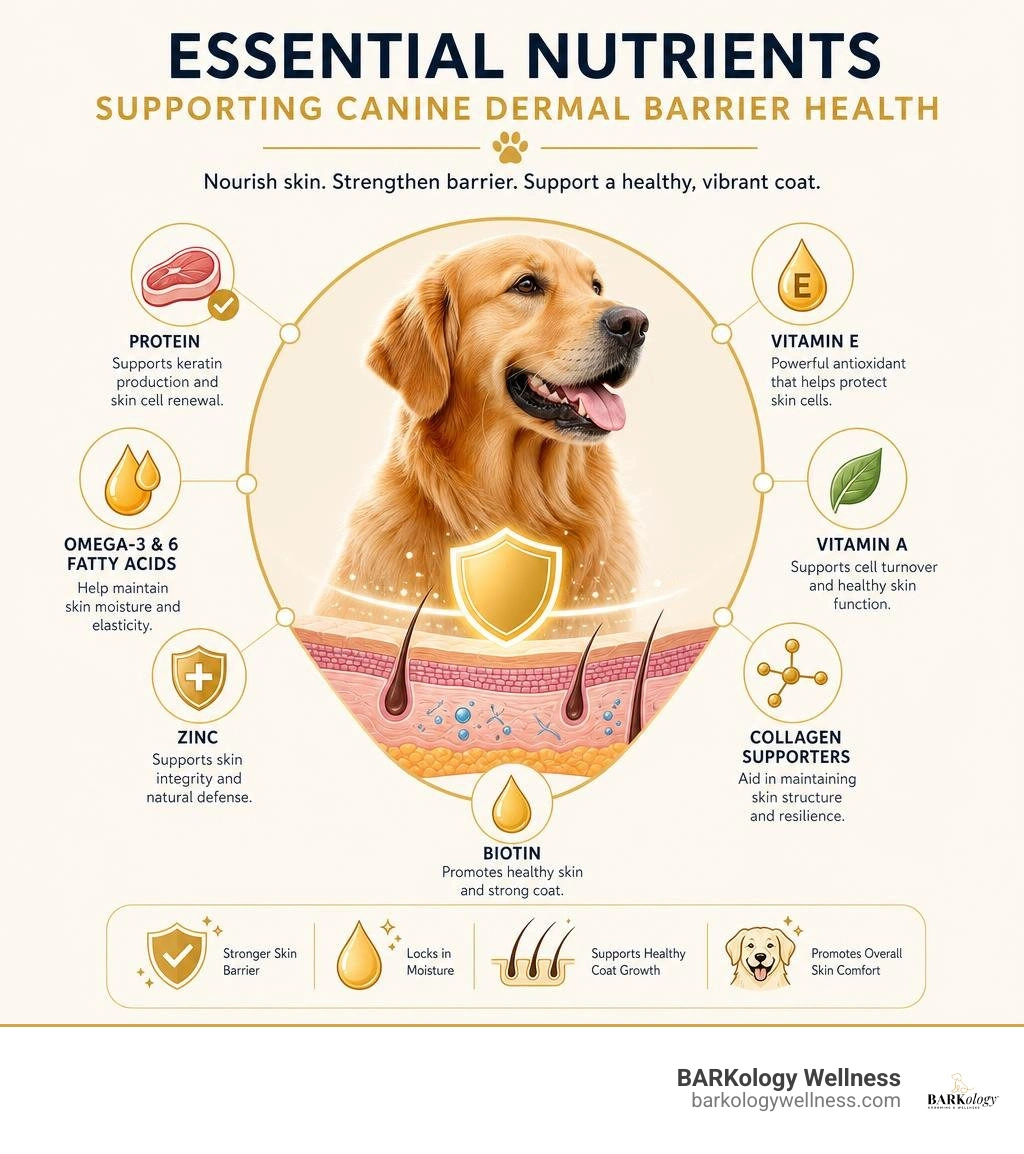
Hair is almost entirely composed of structural protein (keratin). If a diet lacks sufficient digestible protein, hair follicles transition into a resting phase, resulting in hair thinning, brittle strands, and slow regrowth after clipping. For a full breakdown of nutritional basics, read The Importance of Your Pet's Skin and Coat and the Role of Diet | VCA Animal Hospitals.
Key Nutrients for Dog Skin and Coat Vitality
To maintain a healthy barrier, your dog's diet must contain specific essential macronutrients and micronutrients:
- Omega-3 Fatty Acids (EPA and DHA): Sourced primarily from cold-water marine sources like wild Alaskan salmon oil, EPA and DHA calm systemic inflammation and reinforce cell membrane flexibility.
- Omega-6 Fatty Acids (Linoleic Acid): Crucial for preventing dry, scaly skin by reinforcing the lipid matrix that traps moisture inside dermal tissue.
- Zinc Proteinate: Essential for cellular division and protein synthesis. A lack of zinc leads to crusting, scaling, and skin thickening around pads and joints.
- Biotin and B-Vitamins: Act as enzymatic cofactors during keratin production, helping strengthen hair shafts and minimize excess shedding.
Discover more about tailoring your dog's diet for shine by reviewing our Dog Coat Care resource.
Expected Timelines for Dog Skin and Coat Restoration
Nutritional changes do not fix dry skin overnight. Because cellular turnover and hair growth take time, improvements happen in predictable phases:
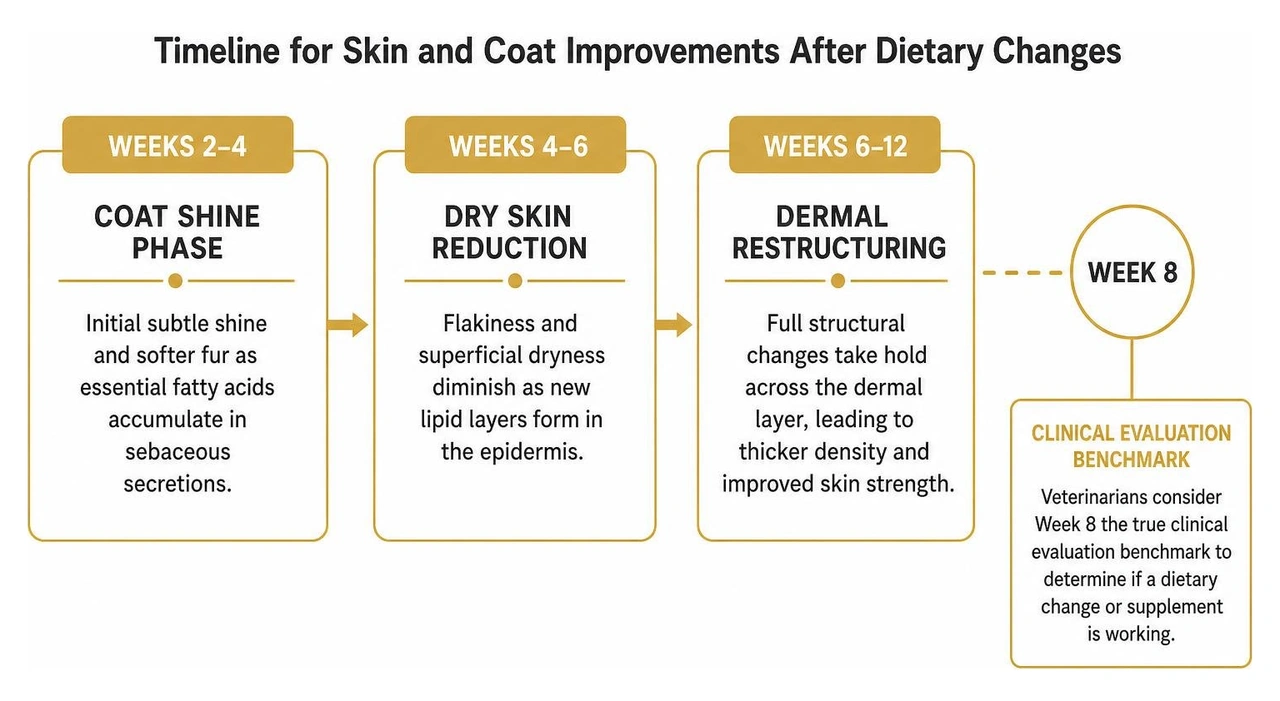
- Weeks 2–4 (Coat Shine Phase): Most pet owners notice initial subtle shine and softer fur as daily essential fatty acids accumulate in sebaceous secretions.
- Weeks 4–6 (Dry Skin Reduction): Flakiness and superficial dryness diminish as new lipid layers form in the epidermis.
- Weeks 6–12 (Dermal Restructuring): Full structural changes take hold across the dermal layer, leading to thicker density and improved skin strength.
Veterinarians consider Week 8 the true clinical evaluation benchmark to determine if a dietary change or supplement is working. If your dog suffers from persistent dryness, explore our dedicated options for Dry Skin Treatment.
Identifying Causes and Signs of Canine Skin Conditions
Detecting early signs of irritation keeps small skin issues from escalating into painful secondary infections.
Common visual and behavioral warning signs include:
- Persistent scratching, biting, or licking (especially around the paws, tail base, and stomach)
- White dander or dry flakiness scattered through the coat
- Dull, coarse, or brittle fur that pulls away easily
- Red, angry patches of skin or acute "hot spots" that feel warm to the touch
- A sour or musty odor coming from the skin folds, ears, or coat
If your dog is exhibiting these discomforts, check out our guide on Itchy Skin Dog Relief.
Environmental, Parasitic, and Dietary Causes
When skin problems pop up, they usually stem from three primary categories:
- Parasites: Flea allergy dermatitis is an intense reaction to flea saliva; a single bite can trigger relentless scratching across the hindquarters.
- Environmental Allergens: Tree, grass, and weed pollens, alongside indoor dust mites, can cause seasonal itching and paw licking.
- Dietary Hypersensitivities: True food allergies involve an immune reaction, most often to common protein sources like chicken or beef. Utilizing novelty protein elimination diets helps isolate sensitivities, while prebiotics strengthen the gut-skin connection to soothe systemic inflammation.
When to Seek Veterinary Care for Non-Nutritional Conditions
While diet resolves many coat concerns, nutrition alone cannot fix every issue. You should schedule a veterinary visit when facing:
- Hormonal Imbalances: Hypothyroidism or Cushing's disease, which present as symmetrical hair loss without itching.
- Genetic Absorption Defects: Zinc-responsive dermatosis, common in Arctic breeds like Huskies, where the gut fails to absorb dietary zinc properly.
- Secondary Infections: Deep bacterial pyoderma or yeast dermatitis, which require prescription topical or systemic medications.
Read more about clinical care steps in our overview of Dog Skin Treatments.
Grooming Routines and Care Practices for a Shiny Coat
A solid nutritional foundation needs proper physical coat management. Regular brushing removes loose dead hair, clears trapped dirt, and evenly distributes natural sebum along the entire hair shaft. For expert tips on routine coat maintenance, consult Coat and Skin Appearance in the Healthy Dog | VCA Animal Hospitals.
Bathing Frequency and Shampoo pH Balance
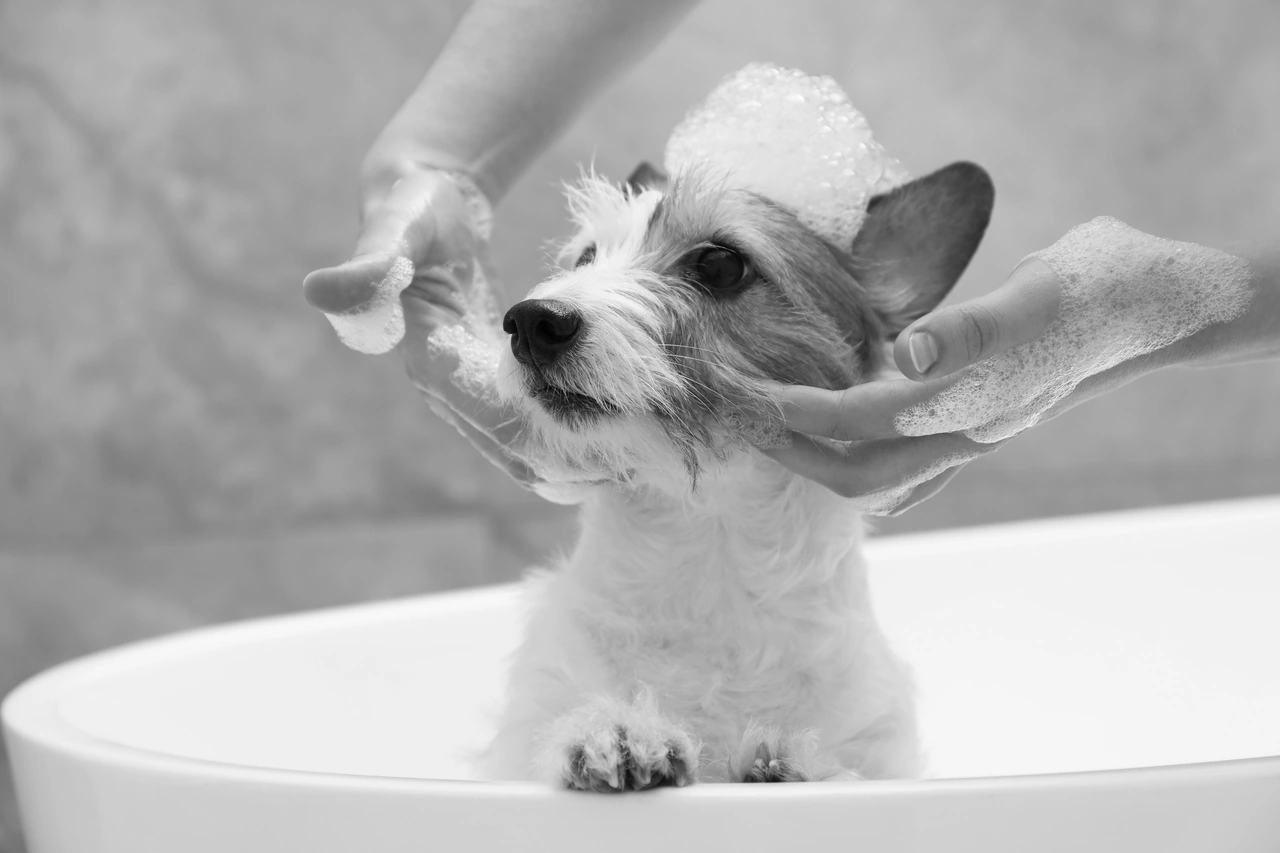
Because canine skin is thin and has a neutral pH, bathing your dog with human soap or dish detergent strips away natural protective oils, causing severe rebound dryness.
Always select soap-free, pH-balanced canine shampoos formulated with soothing aloe vera or colloidal oatmeal. Follow up with a dedicated pet conditioner to seal moisture into the hair shaft. For healthy dogs without specific medical needs, a gentle bath every 6 to 8 weeks keeps the coat fresh without over-stripping skin lipids. Review optimal washing techniques in our guide to Dog Fur Care.
Deshedding Tools and Hair Growth Cycles
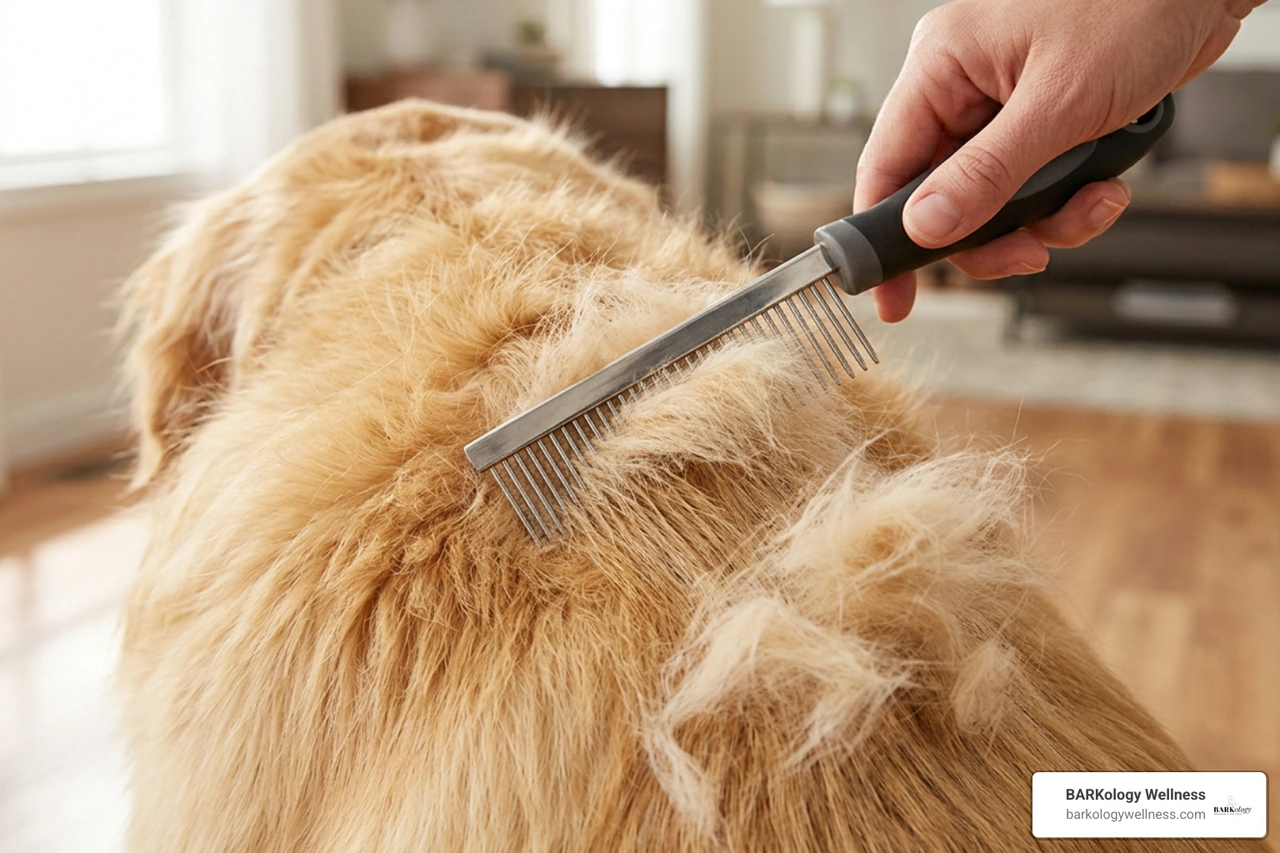
Understanding your dog's coat type helps you choose the right grooming routine:
| Coat Type | Characteristics | Key Grooming Approach | Bathing Frequency |
|---|---|---|---|
| Double-Coated (e.g., Huskies, Golden Retrievers) | Dense soft undercoat beneath a protective guard coat | Undercoat rakes, deshedding tools; never shave | Peak seasonal shedding (spring/fall) & when dirty |
| Non-Shedding / Single-Coated (e.g., Poodles, Shih Tzus) | Hair grows continuously with a prolonged growth phase | Regular trimming, daily slicker brushing to prevent mats | Every 6 to 8 weeks |
| Short Smooth Coat (e.g., Boxers, Beagles) | Short hair shedding light, continuous amounts year-round | Rubber curry brushes to collect loose hair | As needed when dirty or smelly |
Indoor heating and artificial lighting disrupt natural photoperiod triggers, causing many indoor pets to shed moderately year-round rather than just twice a year.
Frequently Asked Questions About Dog Skin Care
What is the fastest way to stop a dog from itching?
For immediate localized relief, apply a dog-safe topical barrier balm or soothing spray directly to the irritated spot. This calms surface heat while daily essential fatty acid supplements work to regulate long-term inflammation from the inside out.
Can I use human lotion or shampoo on my dog?
No. Human skin has an acidic pH level, whereas canine skin is much closer to neutral. Human lotions and shampoos disrupt a dog's delicate skin barrier and may contain ingredients that are toxic when licked during self-grooming.
How long does it take to see results from dietary skin supplements?
While initial coat shine and softness usually appear within 2 to 4 weeks, noticeable dry skin relief takes about 4 to 6 weeks. Full dermal barrier restoration requires 6 to 12 weeks of consistent daily use.
Conclusion
Achieving a radiant, soft coat and healthy skin requires an inside-out approach. Combining high-quality protein, essential omega fatty acids, and gentle, pH-balanced grooming practices preserves your dog's natural skin barrier and prevents discomfort before it starts.
At BARKology Wellness in South Tampa, FL, we combine evidence-based dermal science with luxurious, pampering care. Whether your dog needs a gentle deshedding bath, tailored skin treatments, or a calming groom in a tranquil setting, our team is dedicated to their comfort and health.
Explore tailored grooming and wellness services at BARKology Wellness today to help your pup put their best paw forward!