
Why Dog Skin Health Matters More Than You Think

Dog skin treatments address issues from mild irritation to serious infections. Your dog's constant scratching isn't just an annoyance; it's a signal that something is wrong. Left untreated, minor irritations can become painful infections and chronic health problems.
Most Common Dog Skin Treatments:
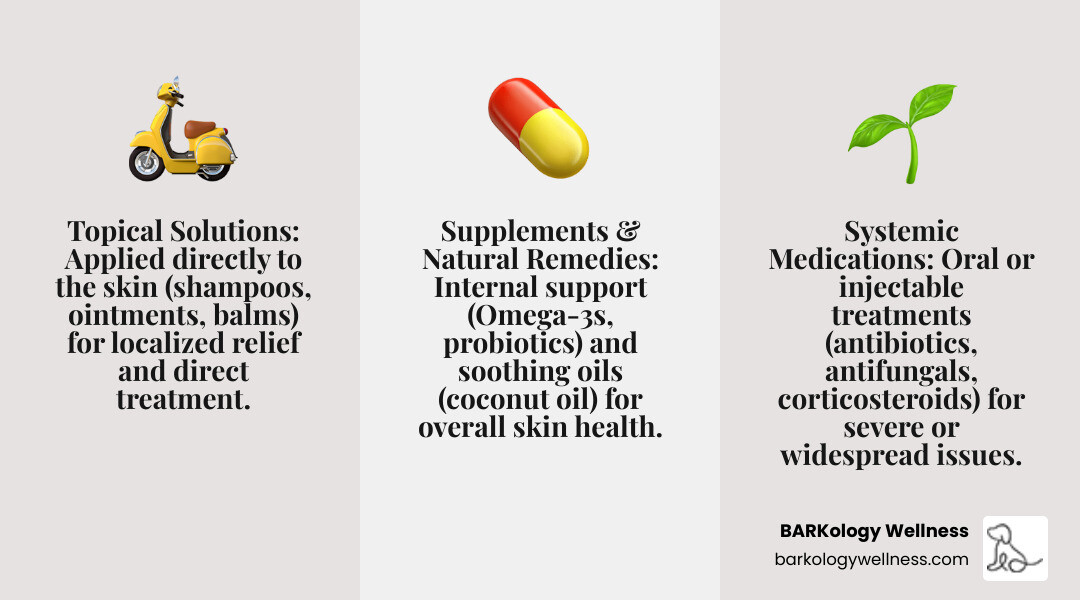
- Topical Solutions - Medicated shampoos, ointments, and balms applied directly to the skin.
- Systemic Medications - Vet-prescribed antibiotics, antifungals, and corticosteroids for severe cases.
- Supplements - Omega-3 fatty acids, probiotics, and skin-supporting nutrients.
- Natural Remedies - Coconut oil and oatmeal baths for mild irritation.
When to See a Vet:
- Persistent scratching for more than a few days
- Hair loss or bald patches
- Open sores, bleeding, or oozing
- Foul odor from the skin
- Signs of infection (redness, swelling, warmth)
This guide will help you understand the causes of skin issues and the treatments that work, from at-home remedies to professional interventions. As Nabilah Shamseddine, founder of BARKology Wellness, I've seen how proper skin care transforms a dog's quality of life. Educated pet parents make the best decisions for their companions.
Understanding the Root Causes of Dog Skin Disorders
A healthy coat often reflects a dog's overall well-being, and skin is one of the first places we notice problems. Understanding the underlying causes of skin disorders is the first step toward effective dog skin treatments.

Allergies
Allergies are a leading cause of skin problems in dogs, manifesting as intense itching, redness, and inflammation.
- Environmental Allergens (Atopic Dermatitis): The most common allergies are to pollen, dust mites, and mold. This condition, known as atopic dermatitis, is a chronic inflammatory disease where dogs show allergic reactions in their skin, often with seasonal flare-ups.
- Food Sensitivities/Allergies: Less common than environmental allergies, food allergies cause chronic itching and recurrent ear or skin infections. Common culprits include proteins like beef, dairy, or chicken. Diagnosis requires an elimination diet under veterinary guidance.
- Insect Bite Allergies: Flea Allergy Dermatitis (FAD) is a severe allergic reaction to flea saliva. A single bite can cause intense itching and hot spots.
Parasites
Parasites are a major cause of canine skin issues.
- Fleas: These pests cause itching and can lead to FAD. Regular prevention is crucial, especially in warm climates like Tampa, FL.
- Mites: Different mites cause conditions known as mange.
- Sarcoptic Mange (Scabies): Caused by Sarcoptes scabiei mites, this condition is extremely itchy and highly contagious to other dogs.
- Demodectic Mange (Demodicosis): Caused by Demodex canis mites that overpopulate due to a compromised immune system. It typically causes patchy hair loss without severe itching and is not contagious.
- Ticks: Tick bites can cause localized skin irritation and inflammation.
Infections
When the skin barrier is compromised, it becomes vulnerable to secondary infections.
- Bacterial Skin Infections (Pyoderma): Often secondary to allergies, pyoderma appears as pustules, crusts, and hair loss. Hot spots (acute moist dermatitis) are a common form of localized bacterial infection.
- Fungal Infections (Yeast and Ringworm):
- Yeast Infections: Caused by Malassezia, these affect warm, moist areas like ears and paws, causing itching, redness, and a musty odor.
- Ringworm: A contagious fungal infection (dermatophytosis) that causes circular patches of hair loss.
Other Causes
- Hormonal Imbalances: Conditions like hypothyroidism or Cushing's disease can cause hair loss, dry skin, and secondary infections.
- Genetic Predisposition: Breeds like Bulldogs, Retrievers, Poodles, and German Shepherds are more prone to allergies and other skin issues.
- Dry Skin: Can be caused by environmental factors, nutritional deficiencies, or underlying health problems.
Early identification of the cause is key. Consult your veterinarian for any persistent skin issues to get an accurate diagnosis and treatment plan.
Topical Solutions: Shampoos, Ointments, and Balms
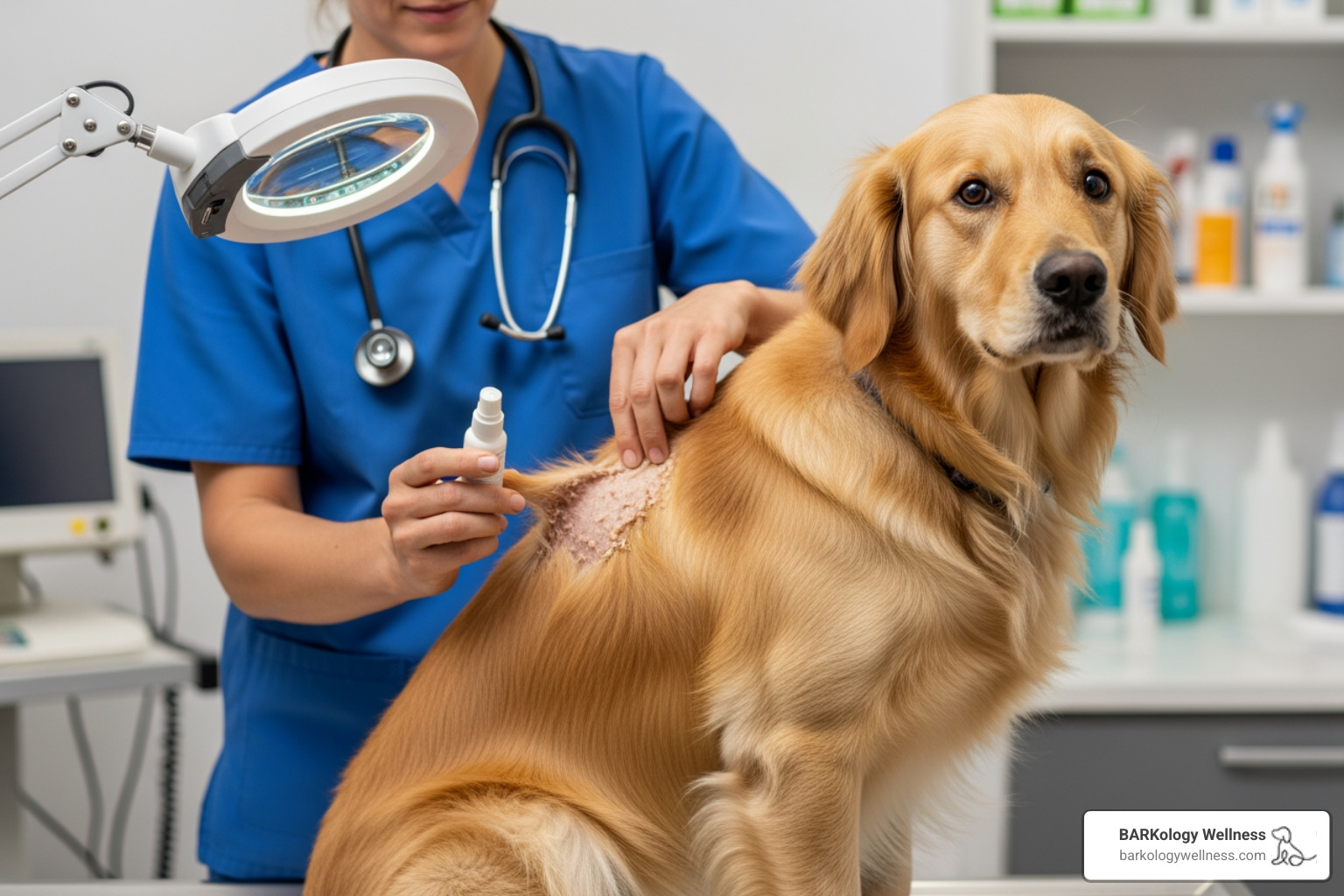
Topical treatments are a cornerstone of dog skin treatments, offering direct relief by targeting specific skin issues. They can be a primary treatment for mild conditions or used with systemic medications for more severe cases.
Different Types of Topical Treatments
- Medicated Shampoos: Contain active ingredients like chlorhexidine (antibacterial), ketoconazole (antifungal), or hydrocortisone (anti-itch) to treat specific problems.
- Antifungal Ointments/Creams: Applied to localized fungal infections like yeast or ringworm.
- Antibacterial Sprays/Gels: Ideal for localized bacterial infections or hot spots. Products like Forticept Blue Butter are used for wound care and yeast infections.
- Soothing Balms/Lotions: Moisturize dry skin and promote healing with ingredients like coconut oil, shea butter, and aloe vera. Natural Dog Company's Skin Soother Balm is one example.
- Hot Spot Treatments: Sprays, wipes, or balms designed to dry the lesion, reduce inflammation, and prevent infection.
- Medicated Wipes and Mousse: A convenient alternative to full baths for treating localized areas like skin folds or paws. Chewy and Douxo S3 offer various medicated wipes and mousses.
- Dips: Concentrated solutions, less common now, used for parasitic infestations.
How to Use Medicated Shampoos Effectively
For medicated shampoos to work, proper application is key.
- Pre-Wash: Use a gentle cleansing shampoo first to remove dirt and oil, allowing the medicated shampoo to better penetrate the skin.
- Dilute if Needed: Follow instructions for dilution to ensure even distribution and prevent irritation.
- Apply Thoroughly: Massage the shampoo into the entire coat, making sure it reaches the skin, including areas like armpits, belly, and between the toes.
- Crucial Contact Time: This is the most important step. Leave the shampoo on for the recommended time, usually 10 to 15 minutes, for the active ingredients to work.
- Rinse Thoroughly: Rinse with cool or lukewarm water until the coat is completely free of residue to prevent irritation. Hot water can worsen itching.
- Towel Dry: Gently towel dry your dog. Avoid hot blow dryers, which can irritate the skin.
- Frequency: Follow your veterinarian's instructions for bathing frequency.
For more details, the Merck Veterinary Manual and Veterinary Partner are excellent resources.
How to Prevent Your Dog from Licking Off Topical Medications
It's crucial to stop your dog from licking off medication, which can be ineffective or harmful if ingested.
- E-Collars (Cones): The classic Elizabethan collar is highly effective. Modern soft or inflatable options are more comfortable. You can find recovery cones at retailers like Chewy: recovery cone.
- Recovery Suits: These full-body shirts provide a comfortable barrier over medicated areas on the torso.
- Distraction: Immediately after application, offer a high-value chew, play a game, or go for a walk to divert their attention.
- Bitter-Tasting Sprays: Apply a non-toxic, bitter-tasting spray (like bitter apple) around the treated area, not on it, to deter licking.
- Fast-Absorbing Formulas: Ask your vet for gels or light lotions that absorb quickly.
- Bandaging (with Caution): Only use a light bandage for small areas with veterinary approval, as improper bandaging can trap moisture and worsen infections.
- Supervision: Watch your dog for at least 15-30 minutes after application to intervene if they start licking.
When to Consider Systemic and Professional Dog Skin Treatments
While topical solutions are helpful, some skin conditions require a deeper, systemic approach. When a problem is severe, widespread, or rooted in an internal issue, professional dog skin treatments from a veterinarian are essential.
Veterinary Diagnosis is Key
An accurate diagnosis is the first and most critical step. As the Merck Veterinary Manual notes, successful treatment requires identifying the underlying cause. Veterinarians in Tampa, FL, use various diagnostic tests:
- Skin Scrapes and Cytology: To check for mites, bacteria, and yeast.
- Fungal Cultures: To diagnose ringworm.
- Bloodwork: To rule out systemic diseases like thyroid or Cushing's disease.
- Allergy Testing: Blood tests or intradermal skin tests to pinpoint environmental allergens.
- Food Trials: An 8-week elimination diet using a novel or hydrolyzed protein diet (e.g., from Royal Canin Veterinary Diet or Hill's Prescription Diet) is the standard for diagnosing food allergies.
- Biopsies: For suspicious growths or chronic, unresponsive conditions.
Systemic Medications
These drugs work throughout the body to address the underlying cause or manage symptoms.
- Antibiotics: For bacterial infections (pyoderma).
- Antifungals: For widespread yeast or ringworm infections.
- Corticosteroids: Potent anti-inflammatories that rapidly reduce itching but require careful management due to side effects.
- Antihistamines: May help some dogs with mild allergies, but always consult a vet for proper dosage.
- Immunomodulators: Newer medications like oclacitinib (Apoquel) and lokivetmab (Cytopoint) specifically target the itch pathway in allergic dogs. Apoquel is an oral tablet that blocks itch signals, while Cytopoint is an injectable antibody that neutralizes a key itch protein. As discussed by Royal Canin Academy, these are crucial for managing chronic conditions.
- Antiparasitics: Oral or topical medications to treat parasites like mites.
Choosing the Right Systemic Dog Skin Treatments
There is no one-size-fits-all solution. A veterinarian will work with you to:
- Identify the Underlying Cause: The foundation of any effective treatment plan.
- Prescribe Appropriate Medications: Select the safest and most effective drugs for your dog's specific diagnosis.
- Monitor for Side Effects: Schedule follow-ups to monitor your dog's response and adjust treatment as needed.
- Develop a Long-Term Management Plan: For chronic conditions like allergies, the goal is to establish a sustainable plan to prevent future flare-ups.
When to Seek Veterinary Advice
Delaying professional care can lead to more complicated and expensive treatments. Contact your veterinarian in Tampa, FL, if you observe:
- Persistent Itching: Scratching, licking, or chewing that lasts more than a few days.
- Hair Loss: Any localized or widespread alopecia.
- Open Sores or Oozing: Clear signs of infection or severe irritation. Hot spots older than 24 hours or worsening need vet attention.
- Foul Odor: A strong, musty smell often indicates a bacterial or yeast infection.
- Changes in Behavior: Lethargy, loss of appetite, or signs of pain.
- Worsening Symptoms: Any skin condition that is spreading or not responding to treatment.
- Suspicious Growths: Any new lumps, bumps, or skin discolorations.
- Ear Problems: Recurrent infections or persistent head shaking. As noted by UrgentVet, severe ear itching requires a vet assessment.
Nourishing from Within: Supplements and Natural Remedies
Supporting your dog's skin from the inside out is a key part of comprehensive dog skin treatments. Nutritional supplements can bolster the skin barrier and reduce inflammation, while natural remedies can offer relief for mild irritation.
Skin and Coat Supplements
Look for supplements with key ingredients known for their dermatological benefits.
- Key Ingredients to Look For:
- Omega-3 Fatty Acids: Powerful anti-inflammatories (see below).
- Biotin: A B vitamin essential for healthy skin and coat.
- Vitamin E: An antioxidant that supports skin health.
- Zinc: Crucial for immune function and skin repair.
- Probiotics: Support gut health, which is linked to the immune system and can impact skin conditions. Googipet Dog Allergy Chews are one example.
- Bee Pollen & Colostrum: Ingredients believed to support immune function.
- Flax Oil: A source of omega fatty acids.
Products like Zesty Paws Wild Alaskan Salmon Oil and Pet Naturals Skin and Coat chews often combine these ingredients.
The Role of Omega-3 Fatty Acids in Dog Skin Health
Omega-3s are superstars for skin and coat health and are often recommended as part of a holistic approach to dog skin treatments.
- Anti-inflammatory Properties: EPA and DHA, the key omega-3s, have a powerful anti-inflammatory action that reduces the itching and redness associated with allergies.
- Strengthening the Skin Barrier: Omega-3s help the skin retain moisture and protect against environmental irritants and allergens.
- Fish Oil Sources: The best sources of EPA and DHA are marine-derived oils like fish oil or salmon oil. Look for high-quality products like Zesty Paws Wild Alaskan Salmon Oil or Nordic Naturals Omega-3 Pet.
Natural Dog Skin Treatments for Mild Irritation
For mild issues, several natural remedies can provide soothing relief.
- Coconut Oil: Applied topically, virgin coconut oil can moisturize dry patches and cracked paws. Raw Paws Virgin Organic Coconut Oil is marketed for this purpose. A small amount in food may also help, but consult your vet first. As noted by UrgentVet, never put coconut oil in a dog's ears.
- Oatmeal Baths: Colloidal oatmeal has anti-inflammatory properties that can soothe itchy, irritated skin. Use a pre-made oatmeal shampoo or add finely ground plain oatmeal to a lukewarm bath.
- Aloe Vera: Pure aloe vera gel (without alcohol) can be applied to minor irritations for its soothing properties.
- Baking Soda: A paste of baking soda and water can be applied to itchy spots, or a small amount can be added to bathwater.
- Apple Cider Vinegar (Diluted): A 50:50 mix of ACV and water can be sprayed on affected areas for its antiseptic properties. Never apply to open wounds, as it will sting.
These natural options are best for mild irritations. For persistent or severe conditions, veterinary advice is essential.
Frequently Asked Questions about Dog Skin Health
Here are answers to some of the most common questions we hear from pet parents.
How often should I bathe my dog with a skin condition?
Bathing frequency depends on the condition, its severity, and the shampoo used.
- Follow Vet's Advice: Always adhere to your veterinarian's prescribed bathing schedule.
- Condition Severity: Acute infections may require more frequent bathing (e.g., 2-3 times a week) initially, decreasing as the skin heals.
- Medicated Shampoo Instructions: Follow the product label for contact time and frequency to ensure effectiveness.
- Over-Bathing Risks: Excessive bathing can strip natural oils and cause dryness. Use vet-recommended shampoos and rinse thoroughly.
- Maintenance: For chronic allergies, regular baths (e.g., every 1-2 weeks) with a hypoallergenic shampoo can help manage symptoms.
Can I use human skin products on my dog?
No, you should not use human skin products on your dog. There are several critical reasons why:
- pH Differences: Human skin is more acidic than dog skin. Human products can disrupt a dog's natural skin barrier, leading to dryness and infection.
- Potential Toxicity: Many ingredients in human products (certain essential oils, zinc oxide) are toxic to dogs if licked off and ingested.
- Irritation Risk: Fragrances and chemicals in human products can irritate a dog's sensitive skin.
Always use products specifically formulated for dogs. The UrgentVet blog also advises against using human creams on dogs without consulting a vet.
Are certain dog breeds more prone to skin issues?
Yes, many breeds have genetic predispositions to skin problems due to factors like coat type, skin folds, and immune system traits.
Breeds commonly prone to skin issues include:
- Bulldogs (English and French): Prone to skin fold dermatitis and allergies.
- Retrievers (Golden and Labrador): Highly susceptible to environmental allergies (atopic dermatitis) and hot spots.
- German Shepherds: Prone to allergies and bacterial skin infections.
- Terriers (especially West Highland White Terriers): Notorious for severe allergies and dry skin.
- Cocker Spaniels: Often suffer from ear infections and oily skin (seborrhea).
- Poodles: Can be prone to allergies and sebaceous adenitis.
- Shar Peis: Their skin folds make them susceptible to infections.
Understanding your dog's breed predispositions allows for more proactive care. Sources like Greencross Vets offer more insight into breed-specific concerns.
Conclusion: A Proactive Approach to Your Dog's Skin Health
Navigating dog skin treatments is manageable with a proactive approach. We've covered the causes of skin disorders, the use of topical and systemic treatments, and the benefits of nutritional support. The most important takeaway is that early and accurate diagnosis is paramount. Persistent itching, hair loss, or other skin changes are signals to seek veterinary advice.
At BARKology Wellness, we blend science with pampering care to offer a royal treatment for your dog's skin and well-being. Our luxury grooming and wellness services in Tampa, FL, and South Tampa, FL, are custom to each dog's unique needs. We prioritize your dog's health and happiness, providing custom care that addresses current issues and promotes long-term skin vitality.
Find how our personalized approach can make a difference for your dog's skin health.
- Explore our memberships for ongoing care.
- Learn more about our grooming services.
- Dig into our holistic wellness offerings.
- Visit our main site at https://barkologywellness.com.