
Why Your Dog's Dry Skin Deserves Your Attention
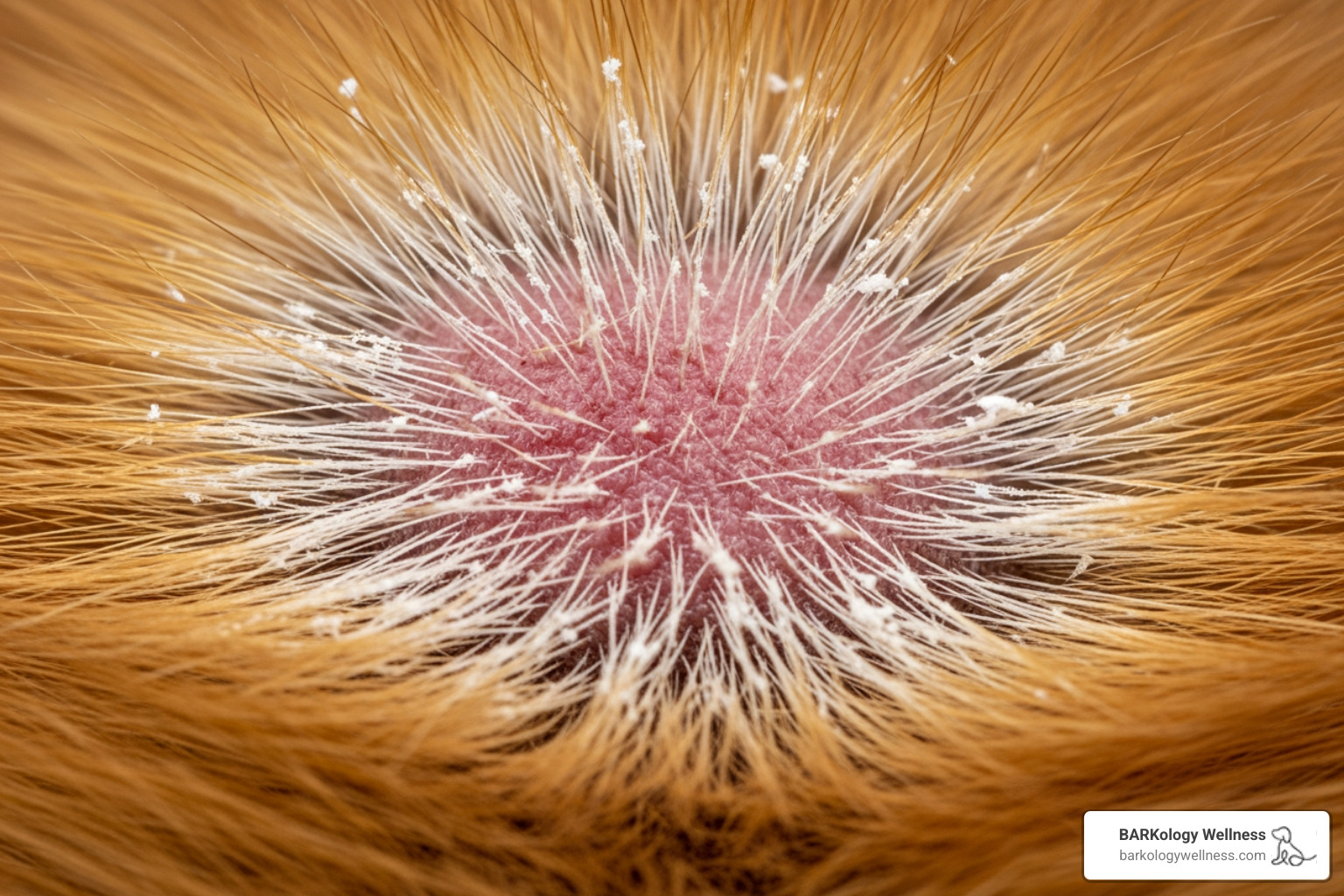
Dry skin dog issues are more common than you might think. If your furry companion is scratching constantly, leaving white flakes on your furniture, or developing red, irritated patches, they're likely dealing with dry skin.
Quick Guide to Treating Dry Skin on Dogs:
- Identify the symptoms - Look for itching, dandruff, redness, scabs, or hair loss
- Check the environment - Dry air from heating or AC can be a major culprit
- Review their diet - Many dogs need more omega fatty acids than standard food provides
- Try gentle remedies - Oatmeal baths and proper moisturizing shampoos can help
- See your vet - Persistent issues may signal allergies, parasites, or underlying conditions like hypothyroidism or Cushing's disease
Just like us, our furry friends can experience uncomfortable, dry skin during the winter months - but the causes go far beyond just cold weather. What appears as simple "dry skin" can actually be a symptom of everything from seasonal allergies and poor nutrition to serious medical conditions. Flea allergy dermatitis is the most common skin disorder in dogs in the U.S., and many seemingly minor skin issues can indicate larger health concerns that need attention.
The good news? Most cases of dry skin are treatable once you understand what's causing them. Whether it's adjusting your grooming routine, switching to a better diet, managing environmental factors, or seeking veterinary care for underlying conditions, there are effective solutions available.
This guide will walk you through recognizing the signs of dry skin, understanding what's causing your dog's discomfort, and finding the right treatment approach - from simple home remedies to professional care.
As Nabilah Shamseddine, a multi-unit franchise entrepreneur and business leader at BARKology Wellness, I've seen countless dogs transform from itchy and uncomfortable to happy and healthy through proper skin care. My experience building wellness brands has shown me that addressing dry skin dog issues requires both understanding the root cause and providing consistent, quality care that goes beyond basic grooming.
Spotting the Signs: How to Tell if Your Dog Has Dry Skin
When your dog's skin isn't happy, they usually let you know. Spotting the signs of a dry skin dog early is crucial for providing timely relief and preventing more serious issues.
Here are common signs and symptoms of dry skin in dogs:
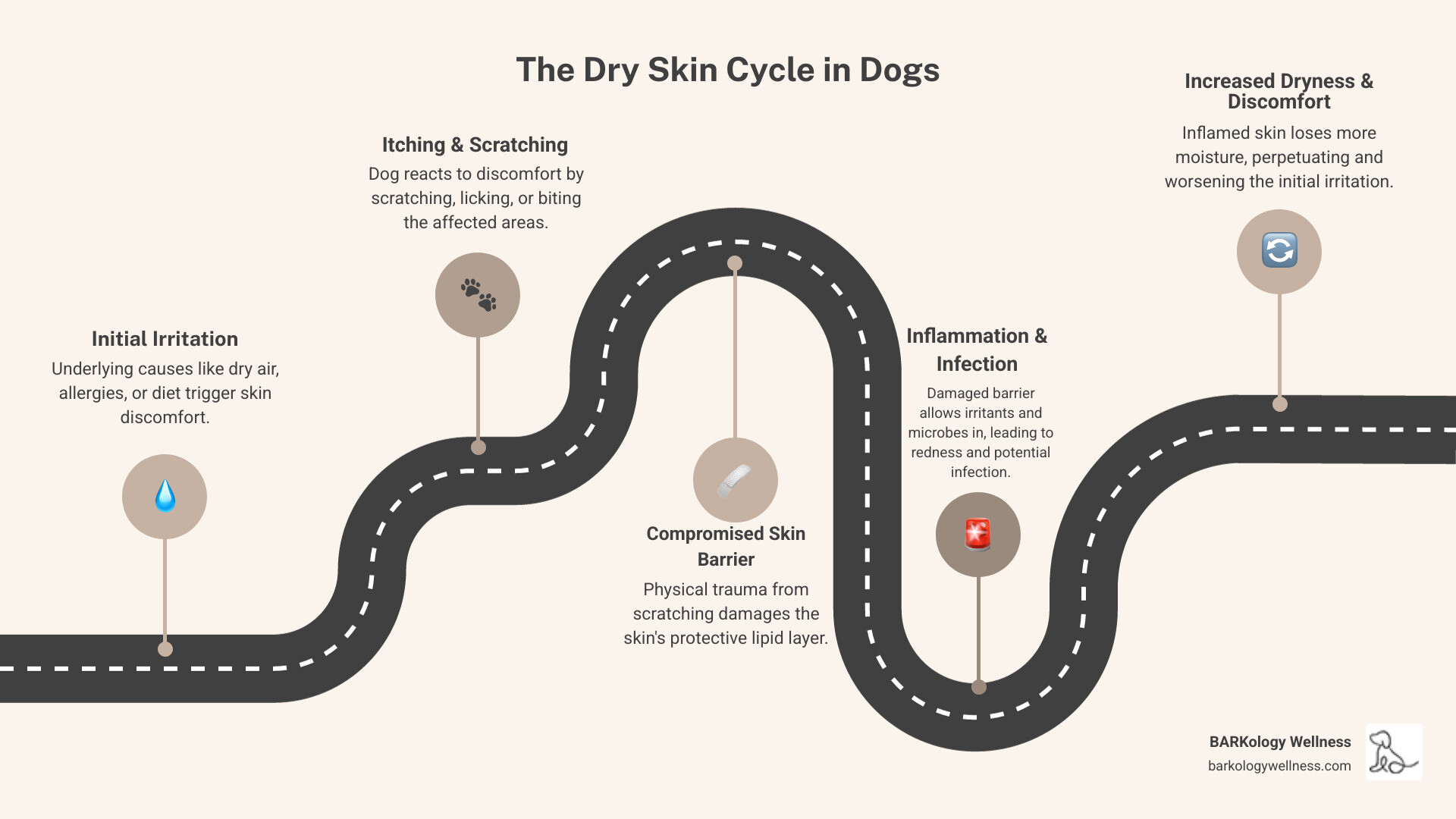
- Itchiness (Pruritus): If your dog is scratching, licking, or biting themselves more than usual, especially in specific spots, it's a strong indicator of skin irritation.
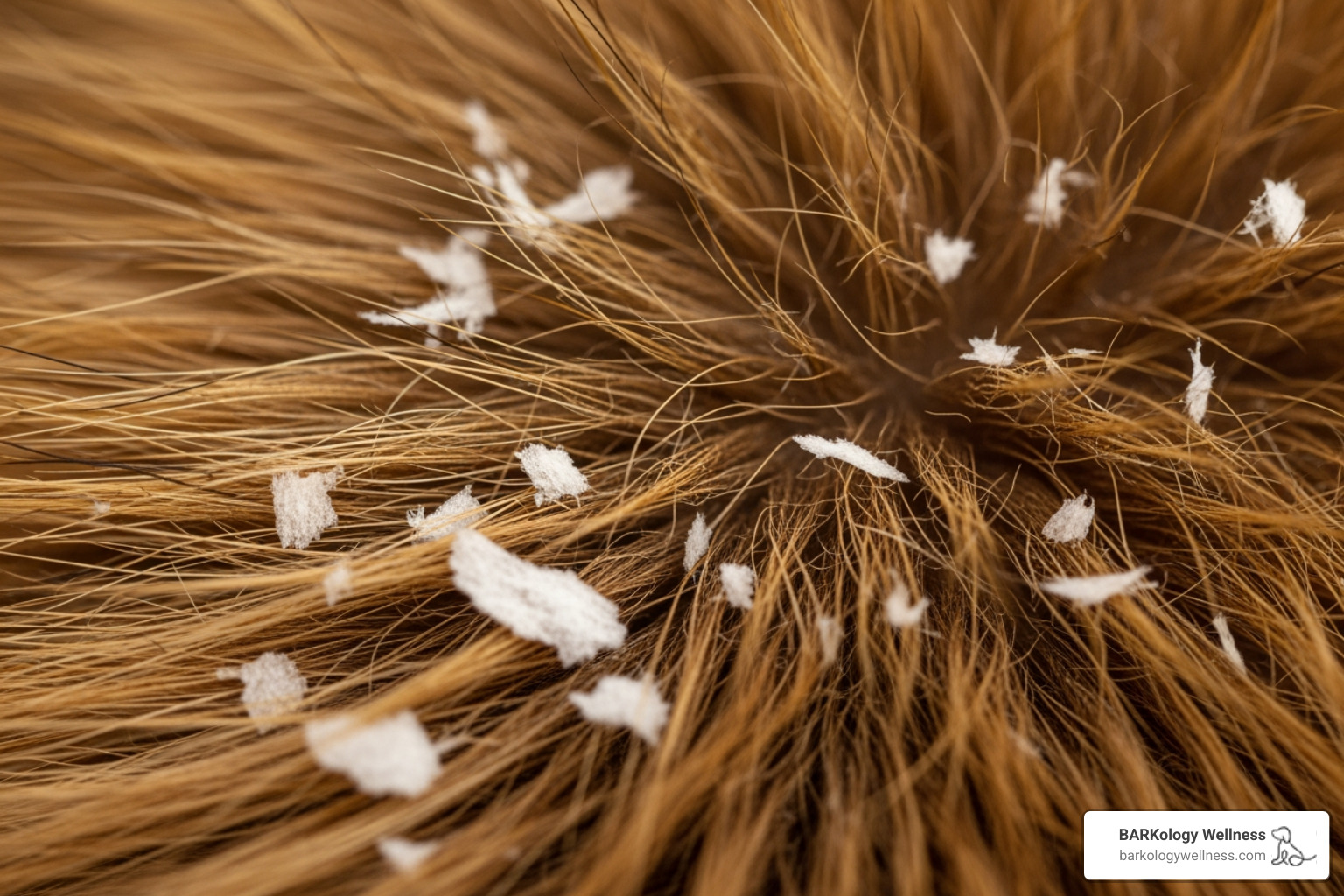
- Dandruff or Flaking Skin: You might notice small white flakes clinging to their fur, particularly along their back or near the tail. This can be more visible when you pet or brush them.
- Redness and Inflammation: Irritated skin often appears red, especially in areas where your dog has been scratching or licking.
- Scabs or Sores: Persistent scratching or biting can break the skin, leading to scabs or open sores that can allow bacteria in.
- Hair Loss (Alopecia): Excessive scratching can cause thinning hair or bald spots.
- Unpleasant Odor: A musty, yeasty, or otherwise unpleasant smell can indicate a bacterial or fungal infection secondary to dry skin.
- Increased Oiliness: Sometimes dry skin leads to increased oil production as the body tries to compensate, resulting in a greasy feel to the coat and skin.
You can find more details on these common signs of dry skin on dogs at the AKC website.
Uncovering the Culprits: Common Causes of a Dry Skin Dog
Understanding why your dog has dry skin can be like detective work. Dry skin is rarely just a cosmetic issue; it's often a symptom of something deeper, from environmental irritants to health conditions.
Environmental and Seasonal Factors
Here in Tampa, Florida, environmental factors still play a significant role in your dog's skin health, even without harsh winters.
- Dry Air: Dry air from a "cold front" or constantly running air conditioning can strip moisture from your dog's skin.
- Winter Weather: Any drop in temperature combined with lower humidity can contribute to dry skin.
- Indoor Heating and Air Conditioning: Both heating and air conditioning systems remove moisture from the air, creating an arid environment indoors that can exacerbate dry skin.
- Low Humidity: Naturally lower humidity at certain times of year can be a constant challenge for your dog's skin.
- Using a Humidifier: To combat dry indoor air, especially if you notice your dog's skin becoming flaky, we often recommend purchasing a humidifier to add moisture back into the air.
Allergies and Parasites
These are incredibly common causes of skin issues in dogs, often leading to intense itching and secondary dry skin.
- Flea Allergy Dermatitis: This is the single most common skin disorder in dogs in the U.S. It's an allergic reaction to flea saliva, and even a single flea bite can cause intense, widespread itch and dry, flaky skin.
- Food Allergies: Dogs can develop allergies to certain ingredients in their diet. Common culprits include beef, chicken, dairy, soy, corn, and wheat.
- Environmental Allergens: Pollen, dust mites, mold, and grasses can trigger allergic reactions (atopy) in sensitive dogs, leading to seasonal or year-round dry, itchy skin.
- Parasites like Demodex mites: These microscopic critters can cause various forms of mange, leading to dry, flaky skin, hair loss, and irritation. You can learn more about the Demodex mite.
- Canine Scabies: Also known as sarcoptic mange, this highly contagious condition is caused by Sarcoptes scabiei mites. It results in intense itching, redness, scabs, and dry, crusty skin. Details on canine scabies are available from Cornell.
- Cheyletiellosis ("Walking Dandruff"): These mites live on the skin surface and cause flaky, dry skin that can resemble dandruff. You can find more information on cheyletiellosis from VCA Hospitals.
Diet and Nutrition's Role
What goes into your dog's bowl directly impacts the health of their skin and coat.
- Nutritional Deficiencies: A lack of certain vitamins, minerals, or fats can compromise the skin's barrier function, leading to dryness and irritation.
- Lack of Essential Fatty Acids (Omega-3, Omega-6): These "good fats" are crucial for the skin's moisture barrier. Many commercial dog foods don't provide enough for optimal skin health, especially for dogs prone to dryness.
- Importance of a Complete and Balanced Diet: Your dog needs a complete and balanced diet that includes the right balance of proteins, fats, carbohydrates, vitamins, and minerals.
- Dehydration: Dogs need plenty of water to keep their skin hydrated from the inside out. Ensure fresh, clean water is always available.
Underlying Health Conditions
Sometimes, a dry skin dog is a warning sign for more serious internal issues. These conditions require veterinary diagnosis and management.
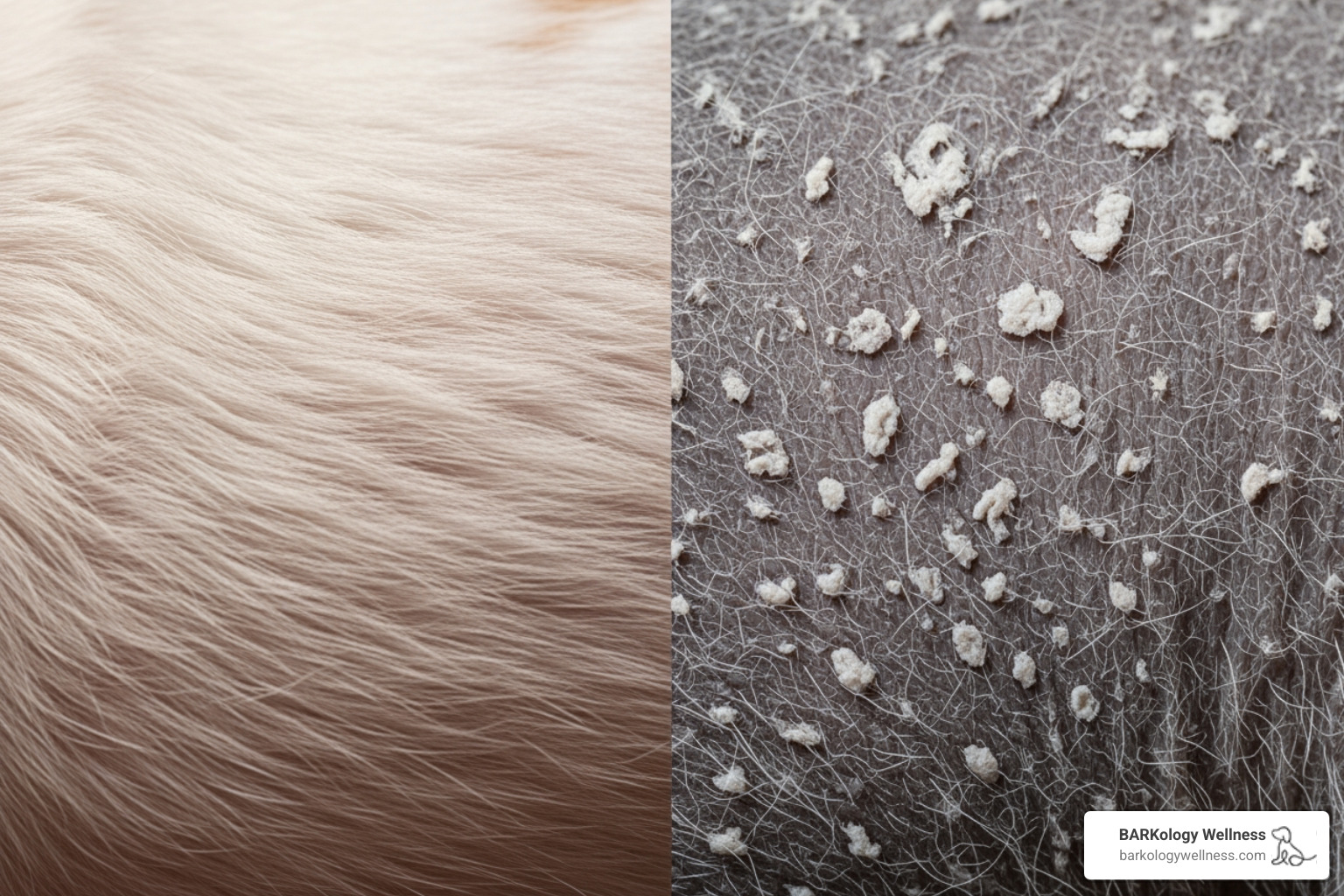
- Hypothyroidism: When a dog's thyroid gland doesn't produce enough hormones, it can lead to dry, flaky, or crusty skin, hair loss, and a dull coat.
- Cushing’s Disease (Hyperadrenocorticism): This endocrine disorder results from the overproduction of cortisol. Symptoms can include thin, dry skin, hyperpigmentation, hair loss, and increased susceptibility to skin infections. You can learn more about how Cushing's disease and hypothyroidism can cause dry skin.
- Bacterial and Fungal Infections: These can be primary issues or secondary complications arising from skin irritation caused by allergies or parasites.
- Autoimmune Diseases: In some cases, a dog's immune system can mistakenly attack its own skin cells, leading to various skin conditions, including dry skin. For more information, refer to Autoimmune diseases.
- Sebaceous Adenitis (SA): This inflammatory dermatosis destroys the sebaceous glands, which are responsible for producing the skin's natural oils. This leads to extremely dry, scaly skin, often with hair loss.
Soothing Solutions: How to Treat Your Dog's Dry Skin
Once we've identified the potential causes, the next step is finding effective ways to treat your dry skin dog and bring them relief. Treatment often involves a mix of home care, veterinary guidance, and smart grooming practices.
Effective Home Remedies for a Dry Skin Dog
For mild cases or as supportive care, several home remedies can help soothe your dog's dry, itchy skin. Always consult your veterinarian before trying new treatments, especially if your dog has open sores or a suspected infection.
Here are some helpful home remedies:
- Oatmeal Baths: Oatmeal has natural anti-inflammatory and soothing properties. To prepare an oatmeal bath, grind 1/3 to 1 cup of plain, uncooked oats (depending on your dog's size) into a fine powder. Mix it into warm bathwater until it looks milky. Let your dog soak for 10-15 minutes, then rinse thoroughly.
- Coconut Oil: This versatile oil can be a natural moisturizer. Warm a small amount in your hands and gently massage it onto dry patches of skin. Coconut oil also possesses antibacterial, antiviral, and antifungal properties.
- Vitamin E Oil: An antioxidant that can be applied directly to small dry patches to help nourish and protect the skin. Discuss oral use with your vet first.
- Olive Oil: A moisturizing oil that can be beneficial as an additive to your dog's daily meals. Adding a small amount per day (with your veterinarian's guidance) can help support skin and coat health.
- Plain, Unsweetened Yogurt: If your dog's dry skin is linked to an unbalanced gut microbiome, probiotics like those found in plain, unsweetened yogurt can help. Yogurt is a probiotic that can support GI health, which in turn can positively impact skin health.
- Apple Cider Vinegar Rinse: For yeast-related itch, a diluted apple cider vinegar solution can be helpful. Mix a 50/50 solution of apple cider vinegar and water and apply it to affected areas with a spray bottle or cotton ball. Never apply to raw or scratched skin, as it will sting.
- Chamomile or Green Tea Bath: Both chamomile and green tea can help soothe irritated skin. Brew a few tea bags, let the tea cool, and then apply it to hot spots or itchy areas, or add cooled tea to your dog's bathwater.
Top 5 Soothing Home Ingredients for Dry Dog Skin:
- Oatmeal
- Coconut Oil
- Olive Oil
- Vitamin E Oil
- Chamomile/Green Tea
Grooming Practices and Professional Care
Grooming plays a significant role in managing and preventing a dry skin dog.
- Proper Bathing Frequency: Excessive bathing, especially with harsh soaps, can strip natural oils and worsen dry skin. Many dogs do well with bathing every two to four weeks with a mild, moisturizing shampoo, unless your vet advises otherwise.
- Using Moisturizing, Dog-Safe Shampoos: Always choose shampoos specifically formulated for dogs. Human shampoos have a different pH level and can be too harsh. Look for shampoos with moisturizing ingredients like oatmeal, aloe vera, or ceramides. Your veterinarian can recommend a suitable shampoo.
- Regular Brushing: Brushing your dog regularly removes loose fur, stimulates blood circulation to the skin, and helps distribute natural oils.
- Avoiding Harsh Soaps: Steer clear of any harsh cleansers or detergents when bathing your dog.
- Professional Grooming Services: At BARKology Wellness in Tampa and South Tampa, our professional grooming services are designed with your dog's skin health in mind. We use premium, dog-safe products and techniques custom to your dog's specific coat and skin needs. Our groomers are skilled at identifying potential skin issues and can offer specialized moisturizing treatments. We also offer a range of dog skin moisturizers and treatments in our boutique to continue that pampering at home.
When to Involve Your Veterinarian
While home remedies and good grooming can help, it's crucial to know when to seek professional veterinary care.
- Persistent Itching: If your dog's itching doesn't subside with home care or seems to be getting worse.
- Open Sores or Bleeding: Any broken skin, scabs that aren't healing, or bleeding needs medical attention.
- Strong Odor: An unusual or strong odor often signals a bacterial or fungal infection.
- Diagnostic Tests: If the cause of the dry skin isn't obvious, your veterinarian may recommend:
- Skin scrapes
- Flea combing
- Cultures
- Blood work
- Skin biopsy
- Prescription Treatments: Depending on the diagnosis, your vet might prescribe antibiotics, antifungals, antiparasitic medications, or anti-inflammatory drugs.
- Supplements Recommended by Your Veterinarian: For ongoing support, your vet might suggest specific supplements, such as those rich in Omega-3 and Omega-6 fatty acids, or a specialized supplement like Purina Pro Plan Veterinary Diets Skin Care Soft Chew Supplement.
A Proactive Approach: Preventing Dry Skin in Your Dog
Prevention is always better than cure, especially when it comes to keeping your dry skin dog happy and healthy. By implementing a few proactive strategies, you can reduce the chances of your dog developing dry, itchy skin.
- High-Quality Diet: Feeding a high-quality, balanced diet provides essential nutrients for overall health, including skin and coat.
- Omega Fatty Acid Supplements: Many dogs benefit from additional Omega-3 and Omega-6 fatty acids beyond what's in their food. Always discuss supplements with your veterinarian.
- Year-Round Flea and Tick Preventives: Since flea allergy dermatitis is so common, year-round prevention is important, even here in sunny Florida. Stay up-to-date on preventatives to protect your dog from these parasites.
- Regular Grooming and Brushing: Consistent grooming helps remove dead hair and skin cells, distributes natural oils, and stimulates circulation.
- Maintaining a Healthy Home Environment: Use a humidifier during dry periods (especially when the AC is running constantly) to add moisture to the air. Keep your home clean to reduce environmental allergens like dust.
- Routine Vet Check-ups: Regular veterinary visits allow potential skin issues to be caught early and underlying conditions to be addressed before they become severe.
At BARKology Wellness in Tampa and South Tampa, we offer wellness plans for proactive care that integrate nutrition advice, grooming schedules, and health monitoring to help keep your dog's skin and coat in top condition.
Frequently Asked Questions about Dry Skin on Dogs
When should I consult a veterinarian about my dog's dry skin?
We recommend consulting a veterinarian about your dry skin dog if:
- Home remedies don't work: If you've tried appropriate home care for a few days to a week and haven't seen improvement.
- Symptoms worsen or spread: If the dry patches are getting larger, more inflamed, or new symptoms appear.
- Your dog is in significant discomfort: If your dog is scratching relentlessly, losing sleep, or showing signs of pain.
- You suspect an underlying illness: Dry skin can be a symptom of conditions like allergies, parasites, or hormonal imbalances.
Are there specific breeds more prone to a dry skin dog?
Yes. Some dog breeds have genetic predispositions that make them more susceptible to dry skin and other dermatological conditions.
- Hairless Breeds: Breeds like the Xoloitzcuintli and the Chinese Crested are particularly prone to various skin conditions due to their lack of protective fur.
- Nordic Breeds: Breeds such as Siberian Huskies and Alaskan Malamutes can be prone to a condition called zinc-responsive dermatosis, which leads to dry, crusty skin, often around the eyes, mouth, and pressure points.
- Breeds Prone to Ichthyosis: This group of genetic skin disorders causes excessive scaling and flaking. Breeds like Golden Retrievers, Jack Russell Terriers, Cairn Terriers, and West Highland White Terriers are among those where congenital lamellar ichthyosis has been reported.
- Other Breeds: Sebaceous adenitis, which leads to very dry skin, is best described in the Standard Poodle and Akita.
Can I use human shampoo or lotion on my dog?
No, we strongly advise against using human shampoo or lotion on your dog.
- pH Differences: Human shampoos are formulated for a more acidic pH, while a dog's skin is more alkaline. Using human products can disrupt your dog's skin barrier.
- Harsh Chemicals: Many human products contain detergents, fragrances, and dyes that can be irritating or even toxic to dogs.
- Can Strip Natural Oils: Human shampoos can strip your dog's natural oils, which are essential for maintaining skin hydration and a healthy coat.
Always choose dog-specific products formulated for canine skin.
Conclusion
Dealing with a dry skin dog can be frustrating for both you and your beloved companion, but it's often manageable with the right approach. The key is to be observant, proactive, and willing to seek professional guidance when needed.
We've covered the common signs and symptoms, explored major causes such as environmental factors, allergies, parasites, diet, and underlying health conditions, and outlined soothing solutions from home remedies to grooming practices and veterinary care.
A holistic approach focusing on identifying the cause, treating the symptoms, and prioritizing prevention is your best strategy. This includes providing a high-quality diet, ensuring adequate hydration, using appropriate grooming techniques and products, maintaining a healthy home environment, and staying on top of year-round parasite prevention.
At BARKology Wellness in Tampa and South Tampa, our professional grooming services and wellness checks can be a key part of your dog's skin health regimen. We blend science with pampering care, offering custom, royal treatment in a serene environment to support each dog's health and happiness.
Don't let dry skin diminish your dog's quality of life. Explore our comprehensive wellness and grooming memberships to help keep your dog happy and healthy from nose to tail.