
Why Dog Ear Care Matters More Than You Think
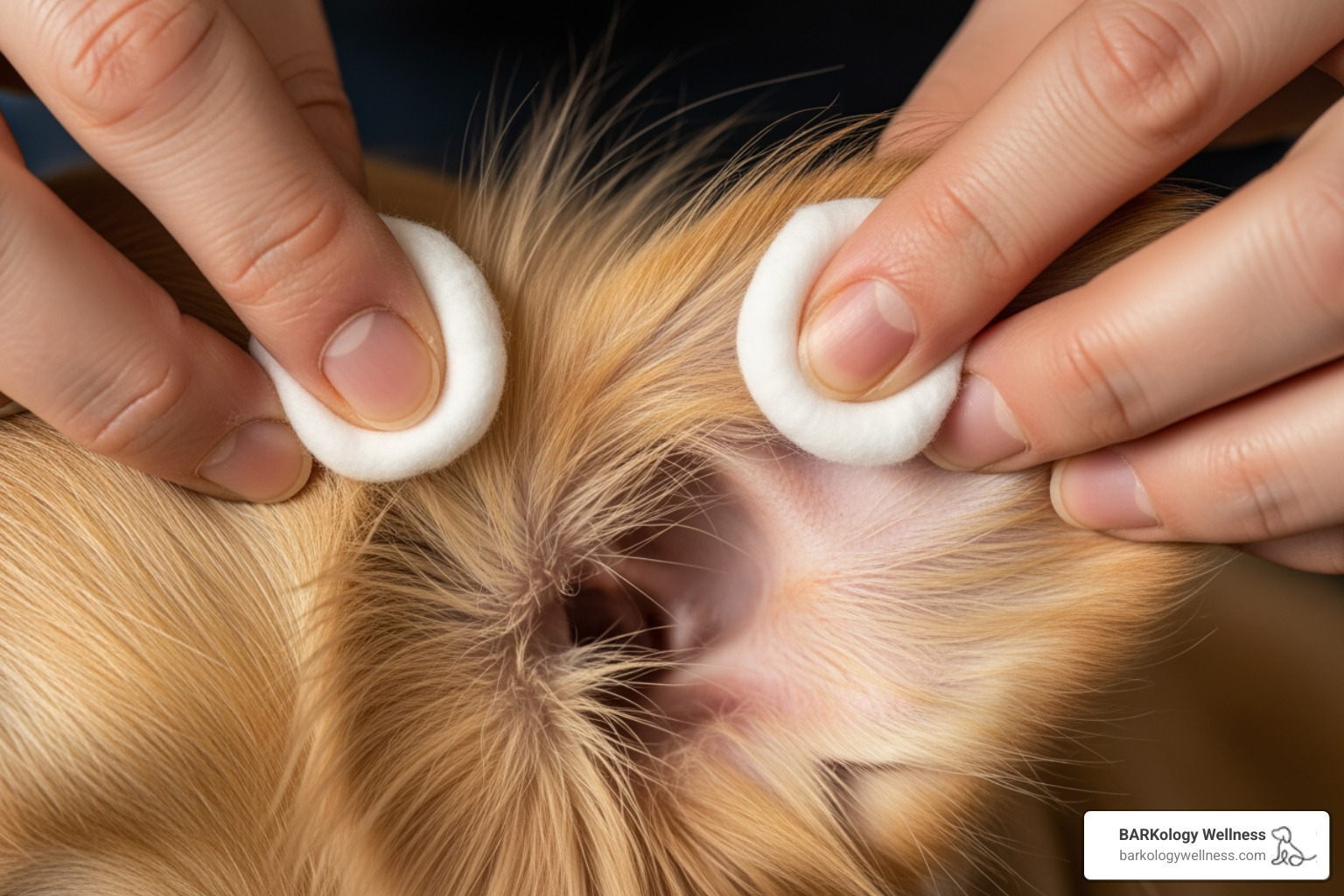
Ear cleaning for dogs is an essential part of keeping your furry friend healthy and comfortable. Here's a quick overview:
Quick Guide to Dog Ear Cleaning:
- When to clean: Only when you see debris or your vet recommends it.
- What to use: Vet-approved ear cleaner and cotton balls or gauze (never Q-tips).
- How to clean: Fill the ear canal with solution, massage the base, let your dog shake, then gently wipe the outer ear.
- Red flags: Stop if you see redness, swelling, discharge, or pain, and call your vet.
Signs Your Dog Needs Veterinary Care:
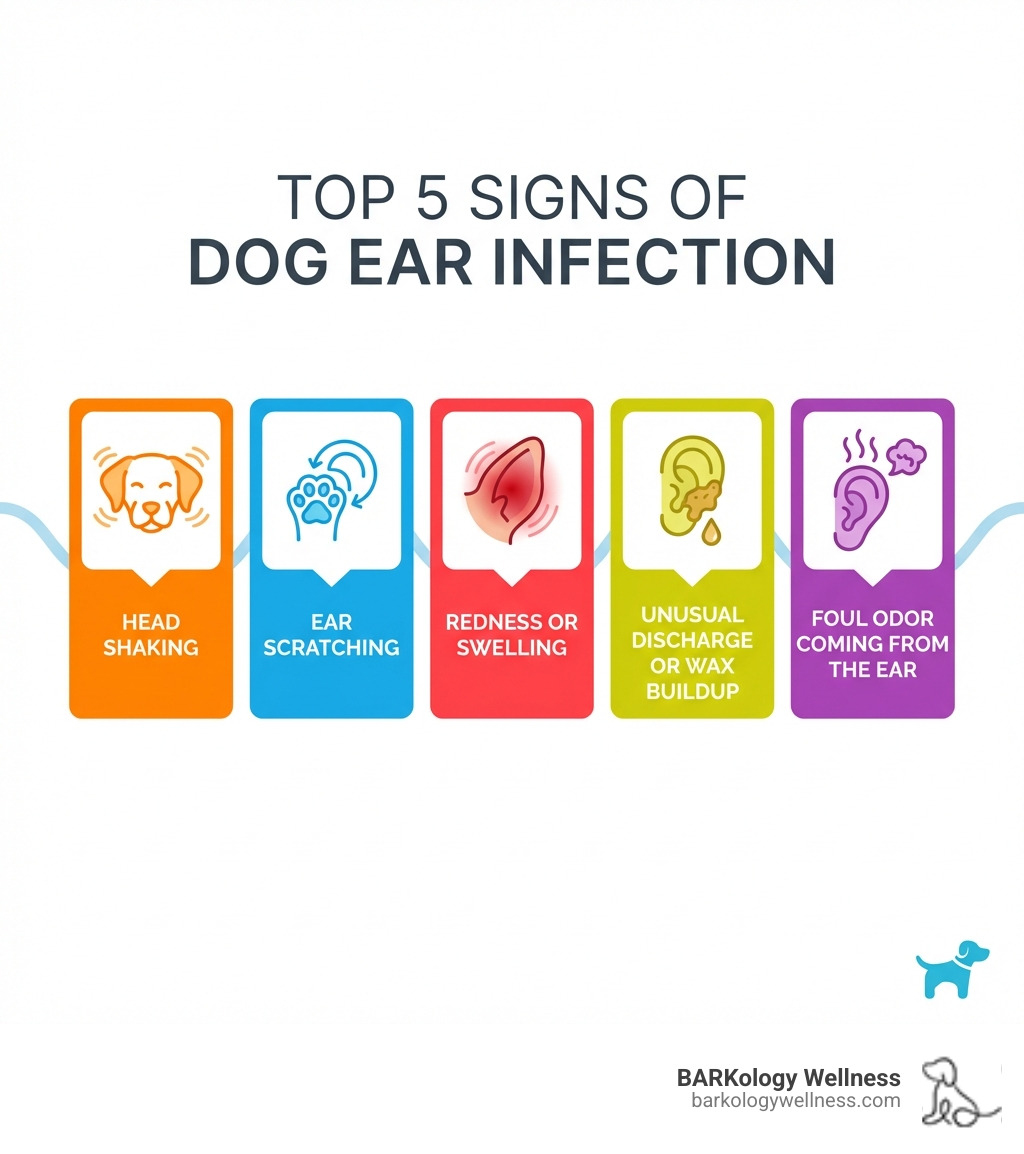
- Persistent head shaking or scratching
- Foul odor or discharge
- Redness, swelling, or visible pain
- Dark debris that looks like coffee grounds (a sign of ear mites)
A dog's L-shaped ear canal easily traps debris and moisture, making ear infections one of the most common health problems veterinarians treat. Fortunately, many ear issues are preventable with proper care.
This guide will show you how to keep your dog's ears clean, spot problems early, perform safe at-home cleanings, and recognize when to see a professional.
As Nabilah Shamseddine of BARKology Wellness, I've seen how proactive care, like proper ear cleaning for dogs, transforms pet health. Our premium grooming and wellness services are built on this principle.
Why Ear Health is Crucial for Your Canine
At BARKology Wellness, your dog's comfort and well-being are our top priorities. An often-overlooked aspect of their health is ear care. A dog's L-shaped ear canal acts as a natural trap for debris, moisture, and microorganisms. This trapped material, especially in a warm, moist environment, creates a perfect breeding ground for bacteria and yeast, which is why ear infections are so common in dogs. This environment can also attract ear mites, which cause intense discomfort. Regular and appropriate ear cleaning for dogs is a crucial preventative measure against these painful issues. To learn more about our wellness approach, explore More info about our wellness services.
How Ear Anatomy & Breed Affect Cleaning Needs
Some dogs are more prone to ear problems due to their anatomy or lifestyle. Floppy-eared breeds, like Cocker Spaniels and Basset Hounds, have ears that cover the canal and reduce airflow. This traps moisture and heat, creating a damp environment where bacteria and yeast thrive.
Similarly, breeds with a lot of hair in or around their ear canals, such as Poodles, can experience trapped wax and debris, which blocks airflow and prevents the ear from self-cleaning.
Dogs that love to swim are also at higher risk. Water can get trapped in their ears, leading to irritation and infection. For these pups, more frequent ear checks and the use of drying solutions after swimming are often recommended.
These factors, reduced airflow, trapped moisture, and debris, all increase the risk of ear infections, making consistent ear cleaning for dogs a vital part of their care.
The Importance of Routine Checks
Routine checks of your dog's ears are a simple way to manage their ear health proactively. A healthy ear should be pink inside, free of strong odors, and have only a minimal amount of light brown wax. It should not look red or swollen.
Making ear checks a regular habit helps you catch problems early, before they become painful infections. Early detection often means simpler treatment and less discomfort for your dog.
These checks are also a great opportunity to get your dog comfortable with having their ears handled. Gently touch your dog's ears during petting sessions and reward them with praise and treats. This makes future cleanings or vet exams much less stressful for everyone.
Spotting the Signs: When to Clean and When to Worry
Knowing when to perform ear cleaning for dogs and when to seek professional help is critical. While some signs indicate a routine clean is needed, others are red flags for infection or a more serious issue.
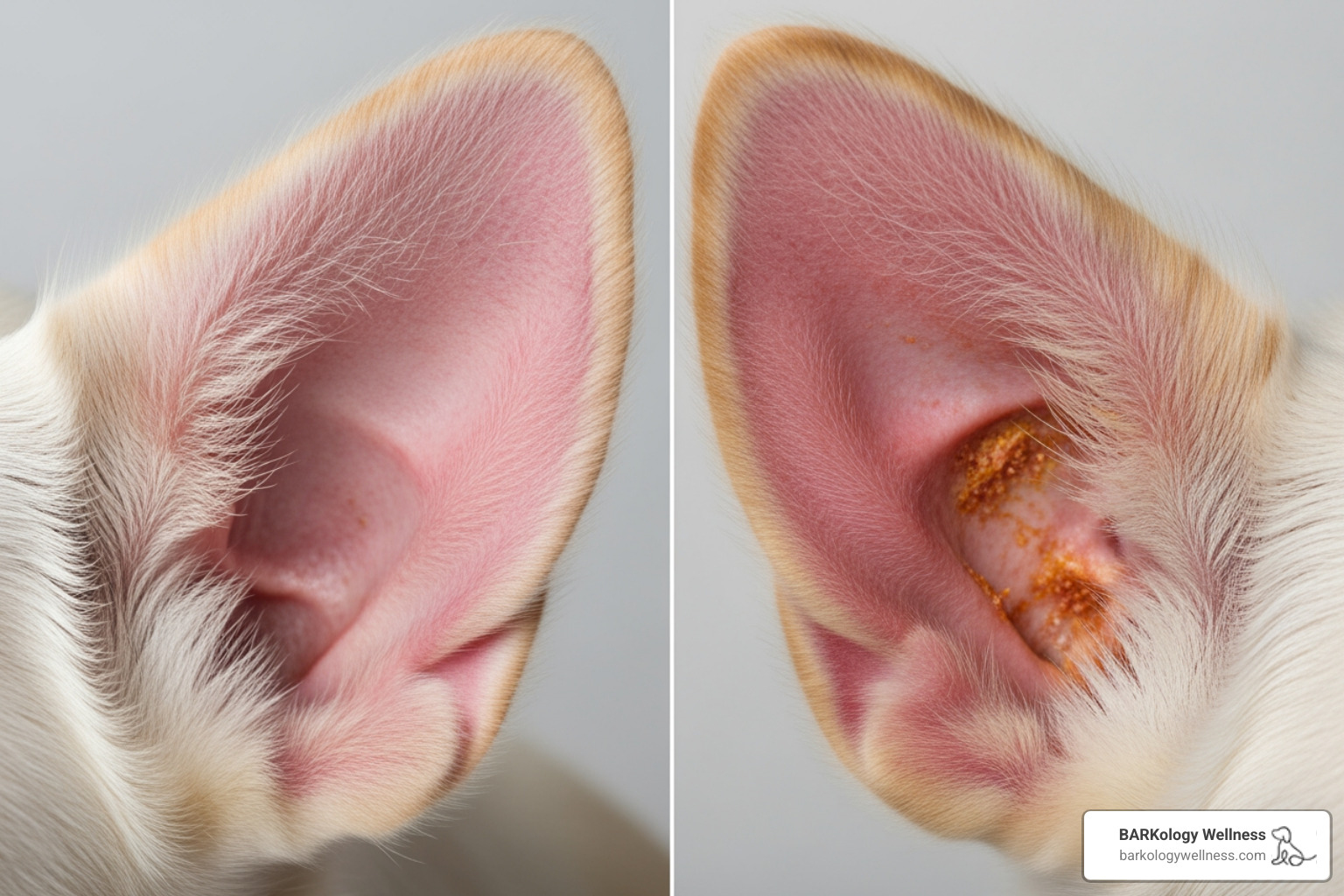
A healthy ear is pink, odorless, and has minimal wax. When problems arise, your dog's behavior and physical symptoms will change. Signs of an ear infection in dogs include:
- Head shaking: Frequent and vigorous head shaking.
- Ear scratching: Persistent scratching or rubbing the head on furniture.
- Odor: A foul or yeasty smell from the ear canal is a strong indicator of an infection.
- Discharge: Any unusual discharge, whether it's dark, waxy, yellow, or green.
- Redness: The inside of the ear flap and canal appearing redder than usual.
- Swelling: Visible puffiness around the ear opening.
- Pain or sensitivity: Yelping, pulling away, or showing aggression when the ear is touched.
Normal Debris vs. Signs of Infection
It's important to distinguish between normal debris and a cause for concern. A small amount of light brown wax or a little dirt is normal and can be addressed with routine ear cleaning for dogs.
However, you should be concerned if you see the following:
- Dark, smelly discharge: Often associated with yeast infections.
- Yellow or green pus: A clear sign of a bacterial infection.
- "Coffee grounds" appearance: This classic sign usually indicates ear mites, especially with intense itching.
- Yeasty smell: A distinct sweet or bread-like odor signals yeast overgrowth.
If you see these alarming signs, consult your veterinarian immediately instead of cleaning the ear yourself. Cleaning an infected ear can cause more harm and push debris deeper.
What Different Symptoms Might Mean
Specific symptoms can offer clues about the underlying problem:
- Bacterial infections: Often present with yellow/green pus, a foul odor, and pain.
- Yeast infections: Typically characterized by dark, waxy discharge and a yeasty smell.
- Allergies: Dogs with environmental or food allergies are prone to recurrent ear infections. If your dog has chronic ear problems, allergies are a likely suspect.
- Foreign objects: A sudden onset of pain and head shaking might indicate something like a grass seed is in the ear canal. This requires immediate vet attention.
- Ear mites: Intense itching and dark, crumbly "coffee ground" discharge are classic signs, especially in puppies.
Understanding these differences helps you know when at-home ear cleaning for dogs is appropriate and when to call your vet. Always err on the side of caution.
Your At-Home Guide to Ear Cleaning for Dogs
When your vet gives you the green light for at-home ear cleaning for dogs, being prepared can make it a positive bonding experience. Gather your supplies and choose a calm, easily cleanable area. Have high-value treats ready to reward your dog and build a positive association with ear handling.
Essential Supplies for Ear Cleaning for Dogs
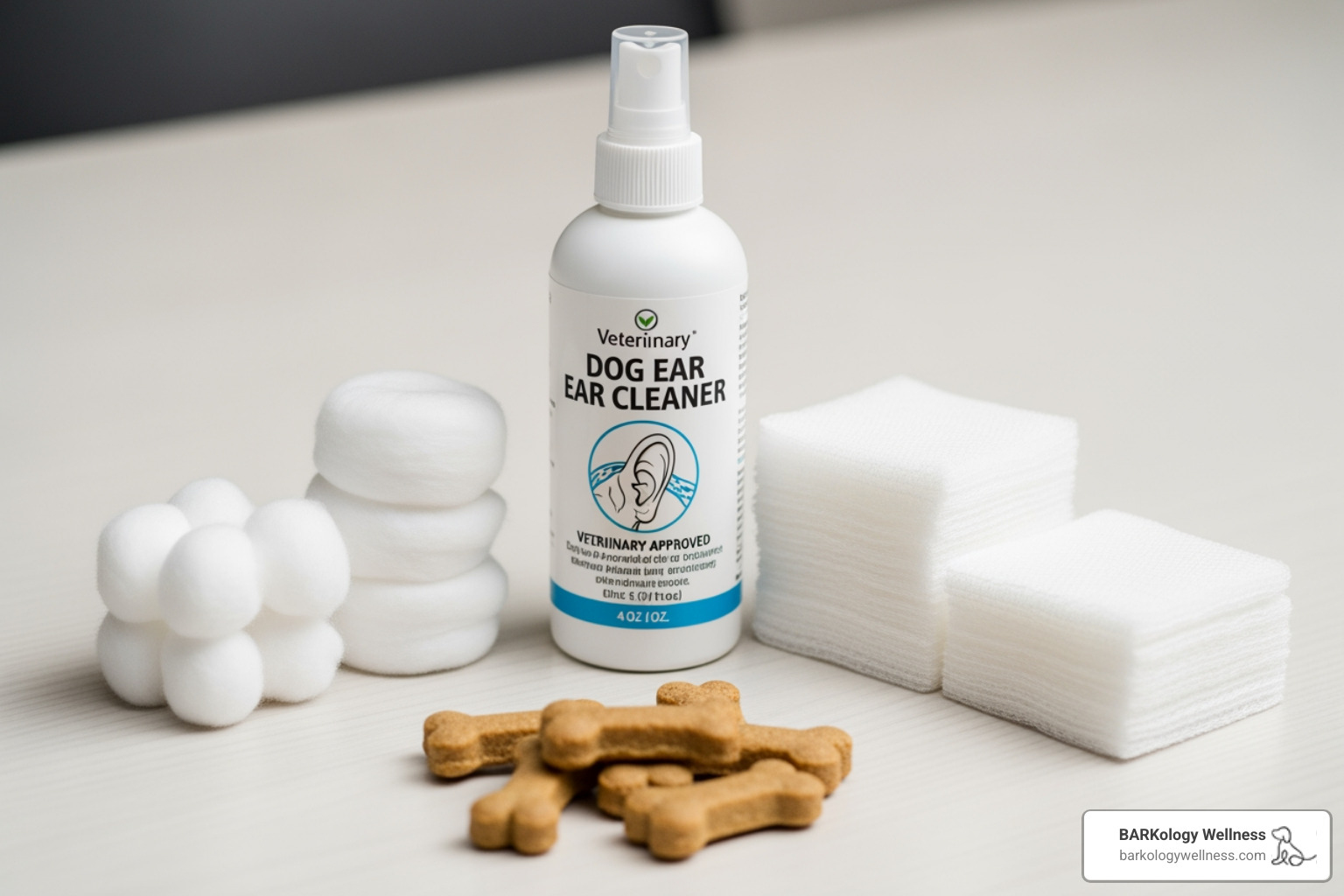
For a safe and effective cleaning, you'll need a few key items:
- Vet-approved cleaning solution: Always use a cleaner specifically formulated for dogs and recommended by your vet. These are pH-balanced to break down wax without causing irritation.
- Cotton balls or gauze pads: Use these to wipe away loosened debris from the visible parts of the ear.
- Towel: Helpful for managing any mess from head shaking.
- Treats: High-value treats are essential for positive reinforcement.
What to avoid:
- Cotton-tipped swabs (Q-tips): Never use Q-tips inside the ear canal. They push debris deeper and risk puncturing the eardrum.
- Alcohol or Hydrogen peroxide: These are too harsh for a dog's sensitive ear canal and can cause significant irritation.
If you're unsure about a cleaner, call your vet in Tampa or South Tampa for guidance.
The Correct Procedure for Ear Cleaning for Dogs
Once you and your dog are ready, follow this step-by-step guide. Stay calm and be gentle.
- Position your dog: Hold a small dog in your lap or kneel beside a larger dog.
- Hold the ear flap: Gently pull the ear flap up and back to help straighten the L-shaped canal.
- Fill the canal: Squeeze enough vet-approved cleaning solution into the ear to fill the canal. Avoid touching the bottle tip to the ear to prevent contamination.
- Massage the base: Gently massage the base of the ear for about 20-30 seconds. You should hear a squishing sound as the solution breaks up debris.
- Let them shake: Stand back and let your dog shake their head. This helps expel the cleaner and debris.
- Wipe the outer ear: Use a cotton ball or gauze to gently wipe away visible debris from the inner ear flap and upper canal. Only go as far as your finger can comfortably reach.
- Praise and treat: Reward your dog with praise and high-value treats.
- Repeat for the other ear.
If your dog shows pain, stop immediately and contact your vet. For a visual guide, see How to Clean Your Dog’s Ears .
Common Mistakes to Avoid
To ensure ear cleaning for dogs is safe and effective, avoid these pitfalls:
- Using Q-tips or pushing debris deeper: This can cause impaction or injury.
- Using harsh chemicals: Stick to vet-approved solutions only.
- Cleaning a painful or infected ear: If the ear is red, swollen, or painful, see a vet. Cleaning could worsen the condition.
- Not using enough solution: The canal needs to be filled for the cleaner to work properly.
- Contaminating the bottle tip: If the tip touches the ear, clean it with alcohol before recapping to prevent spreading bacteria.
Finding the Right Rhythm: How Often to Clean
One of the most common questions we hear at BARKology Wellness is, "How often should I clean my dog's ears?" There is no one-size-fits-all answer. The ideal frequency for ear cleaning for dogs depends on your dog's breed, lifestyle, and any underlying health conditions.
Always consult your veterinarian. They can assess your dog's specific needs and provide a personalized recommendation for a cleaning schedule and appropriate products.
Establishing a Routine for Your Dog
Based on your vet's advice, you can establish a routine that works for your dog:
- Dogs prone to infections: Dogs with a history of ear infections, allergies, or floppy ears may need weekly or bi-weekly cleaning to prevent buildup of debris, bacteria, and yeast.
- Dogs with healthy ears: For dogs with naturally clean ears, cleaning should be done only on an "as-needed" basis when you notice debris or a mild odor. Over-cleaning can cause irritation.
- Post-swim or bath cleaning: If your dog swims or gets frequent baths, it's good practice to clean and dry their ears afterward to prevent infections caused by trapped water.
The goal is to maintain a healthy balance, not to constantly interfere with the ear's natural state.
Can You Over-Clean a Dog's Ears?
Yes, you can absolutely over-clean a dog's ears. Too much ear cleaning for dogs can cause more problems than it solves.
Over-cleaning can be detrimental because it can:
- Cause irritation: The delicate skin inside the ear can become red and inflamed.
- Strip natural oils: Ears produce a protective layer of wax and oils. Over-cleaning removes this layer, leaving the ear vulnerable.
- Create a moist environment: Ironically, excessive cleaning can introduce too much moisture, creating a breeding ground for bacteria and yeast.
This is why following your veterinarian's guidance on frequency is so important. When in doubt, check with a professional.
When to Call the Professionals
While at-home ear cleaning for dogs is a valuable skill, it's crucial to recognize when to seek professional veterinary help. Attempting to treat a serious ear issue at home can worsen the problem and cause your dog unnecessary pain.
If you notice severe pain, bleeding, a persistent foul odor, or if your dog's ear issues don't improve with home care, it's time to make an appointment with your veterinarian in Tampa or South Tampa. Chronic or recurring ear problems also warrant a vet visit, as they often point to an underlying condition.
Signs That Require a Veterinary Visit
These red flags should prompt an immediate call to your veterinarian, as they may indicate a serious problem:
- Suspected ruptured eardrum: Extreme pain, sudden hearing loss, or watery/bloody discharge requires an otoscopic exam by a vet.
- Foreign body in the ear: Sudden, violent head shaking or pawing at the ear could mean an object like a grass seed is lodged inside. Do not try to remove it yourself.
- Neurological signs: A persistent head tilt, loss of balance, or unusual eye movements are emergencies that could be linked to a severe inner ear infection.
- When at-home cleaning isn't enough: If symptoms persist, worsen, or recur quickly despite proper cleaning, a deeper issue is likely at play.
At BARKology Wellness, our expert grooming is part of a holistic wellness approach. For professional assistance, see More info about our grooming services.
Professional Cleaning and Diagnosis
When you visit the vet, they will perform a thorough otoscopic examination to look deep into the ear canal. This is crucial for identifying foreign bodies, assessing inflammation, and checking the eardrum.
For severe cases, a deep cleaning under sedation may be recommended to flush the canal completely. More importantly, your vet will work to diagnose underlying causes like:
- Allergies: Environmental and food allergies are a very common cause of recurrent ear infections.
- Hormonal imbalances: Certain endocrine disorders can predispose dogs to ear problems.
- Structural issues: Anatomical abnormalities in the ear canal can also be a factor.
Once a diagnosis is made, your vet can prescribe the proper medication (e.g., ear drops, oral antibiotics) and provide instructions for a comprehensive treatment plan.
Frequently Asked Questions about Dog Ear Care
Here are answers to some of the most common questions we receive about ear cleaning for dogs.
Can I use Q-tips to get the deep gunk out of my dog's ears?
No. Never use Q-tips or cotton-tipped swabs inside your dog's ear canal. A dog's L-shaped canal means Q-tips will only push debris deeper, risking a blockage, infection, or even a perforated eardrum. Stick to soft cotton balls or gauze for the visible parts of the outer ear, going only as far as your finger can safely reach.
What if my dog absolutely hates having their ears cleaned?
It's common for dogs to be apprehensive about ear cleaning. Here's what to do:
- Start slow and build trust: Begin by simply touching their ears gently, rewarding them with high-value treats and praise. Gradually make it a positive experience.
- Use positive reinforcement: Plenty of high-value treats and praise during and after the process will help your dog associate ear handling with good things.
- Seek professional help: If your dog shows pain, aggression, or extreme anxiety, stop immediately and consult your vet, as this could indicate an infection. A professional groomer or vet tech can also perform the cleaning safely and gently.
Patience and positive reinforcement are far more effective than force.
Is it safe to use hydrogen peroxide or a vinegar/water mix?
We strongly advise against using homemade solutions like hydrogen peroxide, alcohol, or a vinegar/water mix for ear cleaning for dogs. These substances can be detrimental:
- Hydrogen peroxide and alcohol: These are too harsh and can irritate the delicate skin in the ear canal, especially if it's already inflamed.
- Vinegar: Diluted vinegar can be too acidic, causing stinging and irritation.
Always use a gentle, vet-approved ear cleaner specifically formulated for dogs. Your veterinarian in Tampa or South Tampa can recommend the best product for your dog.
A Clean Ear is a Happy Ear
Clean, healthy ears are fundamental to your dog's overall well-being. Proactive care prevents pain, saves you from stressful vet visits, and contributes to a happier, more comfortable life for your furry companion.
Remember these key takeaways:
- Know the signs: Differentiate between normal debris and red flags of infection like odor, discharge, redness, or pain.
- Clean correctly and only when needed: Use only vet-approved solutions and gentle techniques. Avoid Q-tips and never over-clean.
- When in doubt, consult a professional: Your veterinarian is your best resource for diagnosing and treating ear problems. If you suspect an infection or see signs of pain, make an appointment.
At BARKology Wellness, we are dedicated to providing exceptional care that blends science with pampering. We believe a clean ear is a happy ear, and a happy dog makes for a happy home.
To prioritize your dog's health and happiness, we invite you to Explore our wellness memberships and see how BARKology Wellness in Tampa and South Tampa can support your dog's journey to optimal health.