What Is External Gland Expression, and Why Does It Matter for Your Dog?
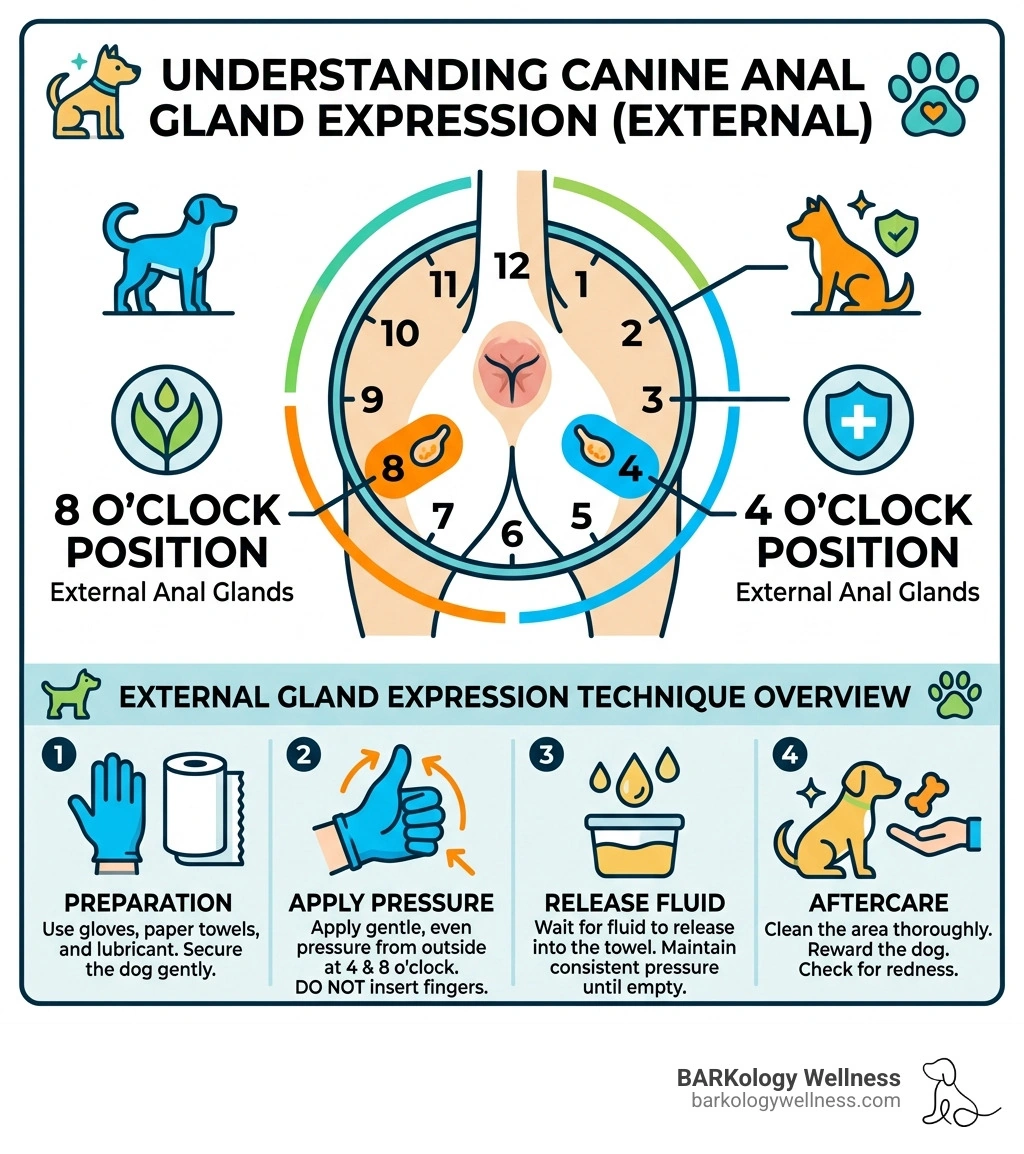
External gland expression is the manual process of emptying a dog's anal sacs by applying gentle pressure from outside the body, at the 4 o'clock and 8 o'clock positions around the anus.
Here's what you need to know at a glance:
| Question | Quick Answer |
|---|---|
| What are anal glands? | Small sacs on either side of your dog's anus that produce a fishy-smelling fluid |
| What does expression mean? | Manually emptying those sacs when they don't drain on their own |
| How do you do it externally? | Gentle pinching pressure at the 4 and 8 o'clock positions, no finger insertion |
| Who needs it? | Dogs that don't naturally empty their glands during defecation |
| When is it urgent? | Scooting, licking, foul odor, swelling, or visible discomfort |
Most dogs naturally empty their anal glands every time they poop. But for many dogs, especially smaller breeds, that doesn't always happen. Fluid builds up, glands become impacted, and your dog starts scooting across your rug or filling the room with a smell you can't quite place but definitely don't like.
Left unaddressed, impacted glands can progress to infection, abscess, and even rupture. That's a lot of pain, and a lot of expense, that's entirely preventable.
I'm Nabilah Shamseddine, founder of BARKology Wellness, and understanding external gland expression is a core part of the premium, health-first care philosophy I've built into every service we offer. In the sections below, I'll walk you through everything you need to know to keep your dog comfortable, healthy, and gland-problem-free.
Discover more about External gland expression:
Understanding the Anatomy of Canine Anal Sacs
To understand why external gland expression is necessary, we first have to look at the "equipment" involved. While we commonly call them "anal glands," the technically correct term used by veterinary professionals is actually "anal sacs."
These sacs are two small pouches located just inside the anal opening. If you imagine your dog’s rear end as a clock face, these sacs sit at roughly the 4 o'clock and 8 o'clock positions. They are lined with sebaceous and apocrine glands, which are types of exocrine glands, that produce a very distinct, oily, and often "fishy" smelling fluid.
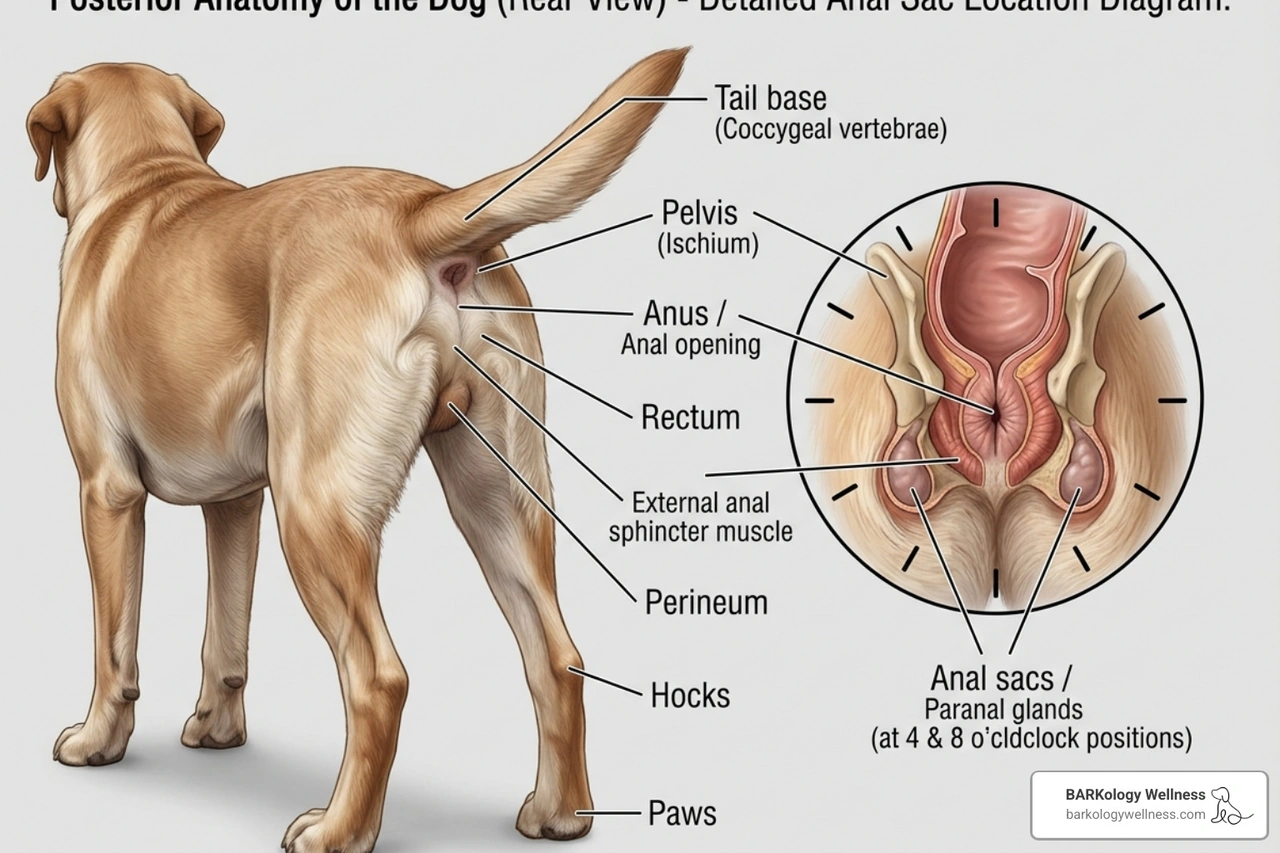
In the wild, this fluid served a vital purpose: territorial identification. Every time a dog would defecate, the firm stool would press against these sacs, squeezing out a small amount of fluid. This acted like a "scent-based business card," telling every other dog who had been there, their health status, and even their mood. While our domesticated pups in South Tampa don't exactly need to mark their territory against wolves anymore, their bodies still produce this fluid.
When things are working correctly, the glands empty naturally during bowel movements. However, if the fluid becomes too thick or if the dog’s stool is consistently soft, the sacs fail to empty. This leads to a buildup of fluid that can become uncomfortable, itchy, and eventually infected.
Recognizing the Signs Your Dog Needs External Gland Expression
How do you know when your dog's "scent markers" are becoming a problem? Dogs are quite expressive when it comes to posterior discomfort, though their methods can be a bit... messy for our home decor.
The most common sign, and the one most owners recognize immediately, is "scooting." This is when a dog sits down and drags their hind end across the floor or carpet. While it might look funny in a viral video, it’s actually a sign that the glands are full and the dog is trying to find manual relief from the pressure.
Other signs include:
- Excessive Licking or Biting: You may notice your dog constantly cleaning their rear end or even biting at the base of their tail.
- A Foul "Fishy" Odor: If you suddenly catch a whiff of something that smells like old seafood, it’s a high probability that a gland has leaked or is overfull.
- Tail Chasing: Sometimes, the irritation is so localized that the dog chases their tail in an attempt to reach the source of the itch.
- Straining: If your dog seems to be having a hard time pooping or spends a long time in the "squat" position without much success, full glands might be the culprit.
- Visible Inflammation: In more advanced cases, the area around the anus may look red, swollen, or puffy. According to ScienceDirect, exocrine glands like these can become quite inflamed when the duct is blocked.
If you see these behavioral changes, it is time to consider an external gland expression or a visit to a professional.
External vs. Internal Expression: Which Is Right for Your Pup?
When it comes to emptying these sacs, there are two primary methods: external and internal. It’s important to understand the difference, as one is much more suitable for home care than the other.
| Feature | External Expression | Internal Expression |
|---|---|---|
| Technique | Squeezing from the outside using a cloth or paper towel. | Inserting a gloved, lubricated finger into the rectum to palpate and empty the sac. |
| Who performs it? | Pet owners (with training), groomers, or vet techs. | Almost exclusively veterinarians or highly trained vet technicians. |
| Effectiveness | Good for routine maintenance and thin fluid. | More thorough; necessary for thick, "pasty," or impacted fluid. |
| Safety Level | High for DIY if done gently. | Requires professional knowledge of anatomy to avoid injury. |
| Comfort | Generally less invasive for the dog. | Can be more uncomfortable but provides instant relief for deep impactions. |
At BARKology Wellness, we include external gland expression as part of our premium grooming services because it is a safe, effective way to maintain hygiene for most dogs. However, if a dog's glands are severely impacted or the fluid has hardened into a "gritty" consistency, an internal expression by a vet may be required to fully clear the blockage.
Step-by-Step Guide to Safe External Gland Expression at Home
If you are a brave soul and want to try this at home, preparation is everything. This is a "stinky" job, so you'll want to have everything ready before you even touch the tail.
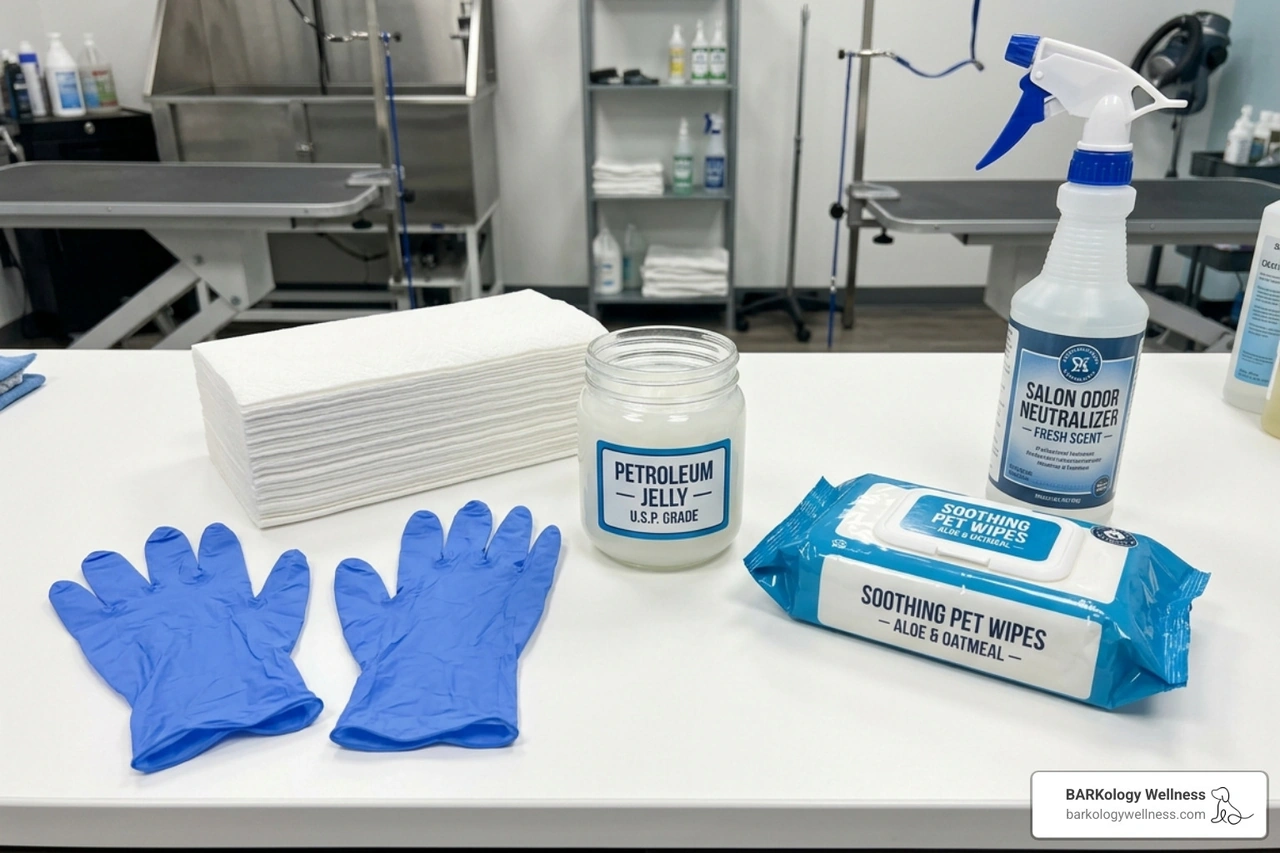
Preparing Your Supplies for External gland expression
- Disposable Medical Gloves: This is non-negotiable. The smell of anal gland fluid is incredibly persistent and difficult to wash off skin.
- Paper Towels or Gauze: You'll need something to catch the fluid as it’s released.
- Petroleum Jelly or Lubricant: Even for external expression, a little dab on your gloved fingers can prevent skin irritation.
- Pet Wipes and Deodorizing Spray: To clean up the area afterward.
- High-Value Treats: To keep your pup happy and distracted.
- A Helper: It is much easier (and safer) to have one person hold and distract the dog while the other performs the expression.
How to Perform External gland expression Safely
- Positioning: Place your dog on a solid, easy-to-clean surface. For small dogs, a table works well; for large dogs, the floor or a bathtub is best. Have your helper stand at the dog's head, offering treats or a lick mat.
- The Tail Lift: Gently but firmly lift the tail to expose the anal area.
- Locate the Glands: Put on your gloves and apply a small amount of lubricant. Feel for two small, grape-like lumps at the 4 o'clock and 8 o'clock positions. If they are full, they will feel firm and puffy.
- The Squeeze: Place a paper towel over the anus to catch the spray. Using your thumb and forefinger, apply a gentle, inward and upward "pinching" pressure on the glands. Think of it like "milking" the fluid toward the opening.
- Observe the Fluid: The fluid should be brownish or tan and have a liquid consistency. If it comes out easily, you’ve been successful.
- Clean Up: Use pet wipes and a deodorizing spray to clean the area thoroughly. Dispose of all materials in a sealed trash bag immediately.
Pro Tip: Never squeeze too hard. If the fluid doesn't release with gentle pressure, the gland may be too impacted for home care. Stop immediately and call your vet.
Prevention and Long-Term Anal Gland Health
While external gland expression provides immediate relief, the goal for any pet owner in South Tampa should be to help their dog express themselves naturally.
The number one way to prevent gland issues is through dietary fiber. Firm, bulky stools are the natural "squeegee" for anal sacs. Adding a tablespoon of plain canned pumpkin (not pie filling!) to your dog’s meals can provide the necessary fiber to bulk up their stool.
Other preventive measures include:
- Weight Management: Overweight dogs often have extra tissue around the anal area that prevents the sacs from emptying properly during defecation.
- Regular Exercise: Movement helps stimulate the digestive tract and maintain regular bowel movements.
- Quality Supplements: Products containing beet pulp, flaxseed, or psyllium husk can help maintain gland health. ScienceDirect notes that healthy exocrine function is often tied to overall systemic health and proper hydration.
Frequently Asked Questions about External Gland Expression
How often should my dog have their glands expressed?
There is no "one size fits all" answer. Some dogs go their entire lives without ever needing manual expression. However, smaller breeds like Cavalier King Charles Spaniels, Shih Tzus, and Poodles are more prone to issues. For these dogs, a monthly routine, often coinciding with their grooming appointment, is standard. If your dog is scooting between appointments, they may need more frequent attention.
Does external gland expression hurt the dog?
When done correctly, it should not be painful. Your dog might feel a strange pressure sensation or mild discomfort, much like you might feel if a doctor was pressing on a bruise, but it shouldn't result in yelping or snapping. If your dog acts in extreme pain, it usually means there is an underlying infection or abscess that needs medical treatment.
When should I stop and call a veterinarian?
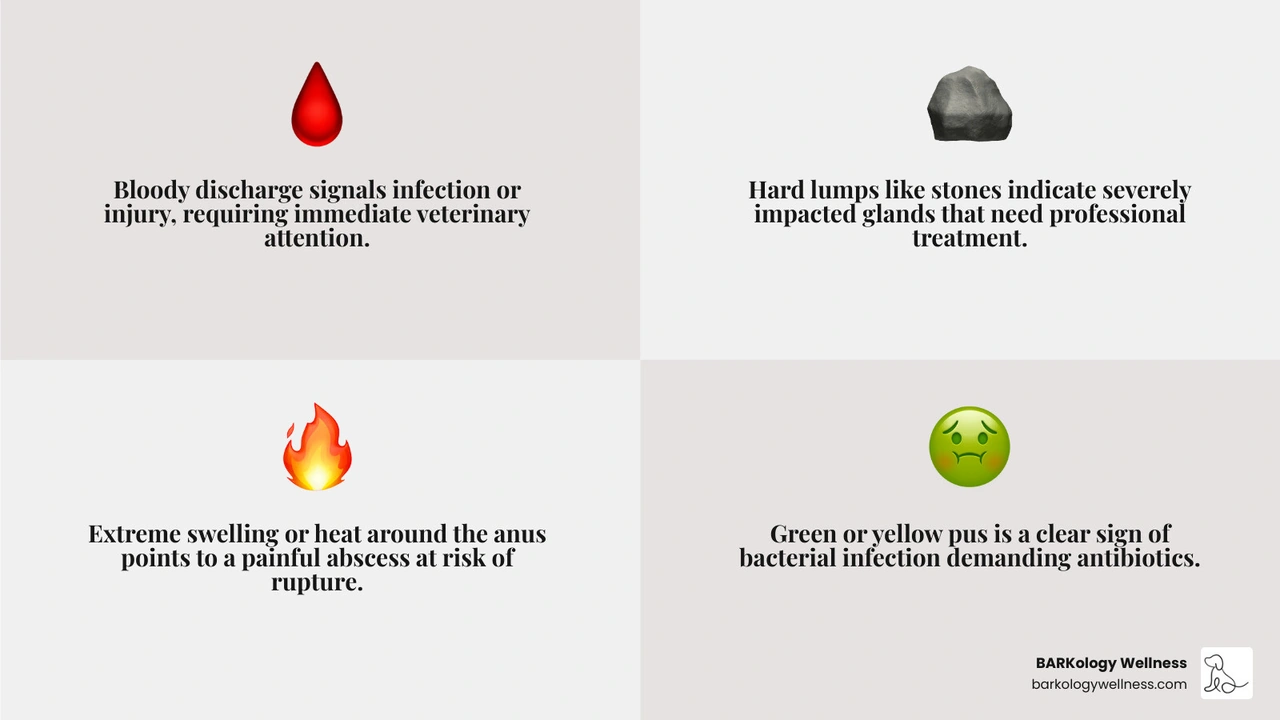
You should put down the paper towels and call a vet if you notice:
- Bloody Discharge: Any sign of blood in the fluid is a red flag for infection or injury.
- Hard Lumps: If the glands feel like hard stones rather than grapes, they are severely impacted.
- Extreme Swelling or Heat: This indicates an abscess, which can be incredibly painful and may rupture if not treated with antibiotics.
- Pus: Green or yellow discharge is a clear sign of infection.
- Open Sores: If you see a hole or a "burst" area near the anus, the gland has likely ruptured.
As noted in StatPearls, exocrine glands are susceptible to various pathologies, and ignoring these clinical signs can lead to systemic illness.
Conclusion
At BARKology Wellness, we believe that "luxury" grooming isn't just about a pretty haircut; it's about the health and comfort of your furry family member. External gland expression is just one of the many ways we ensure your dog leaves our South Tampa salon feeling their absolute best.
Whether you choose to handle this task at home or prefer to leave the "fishy" business to the professionals, staying proactive is key. Don't wait until your dog is scooting across the living room to take action!
If you're looking for expert care in a serene, health-focused environment, we invite you to experience the BARKology difference. From our tailored grooming sessions to our comprehensive wellness approach, we treat every dog like royalty.
Join our wellness membership today to ensure your pup stays on a regular schedule for all their essential health needs, including those all-important gland expressions!