
The Truth About "Hypoallergenic" Dogs and Their Special Grooming Needs

Hypoallergenic dog grooming is specialized care for breeds that produce fewer allergens, but it's critical to understand: no dog is 100% allergen-free. These breeds require more frequent grooming than traditional dogs because their hair-like coats grow continuously, trap debris easily, and mat quickly without regular care. Key grooming needs include:
- Daily brushing to prevent painful matting and tangles
- Professional grooming every 4-6 weeks for trims and deep cleaning
- Specialized hypoallergenic shampoos to protect sensitive skin
- Regular bathing (monthly or bi-monthly) to reduce dander spread
- Line brushing techniques to thoroughly work through the coat from skin to tip
The term "hypoallergenic" can be misleading. According to the National Institutes of Health, 10% to 20% of the U.S. population is allergic to dogs, and allergies are caused by proteins found in dander, saliva, and urine, not just fur. While breeds like Poodles, Bichon Frises, and Schnauzers shed less and may produce less dander, they still create allergens. What sets them apart is their non-shedding, hair-like coats that require significant grooming commitment.
If you don't have the time or resources for regular grooming, these breeds may not be the right fit. Their coats resemble human hair more than traditional fur, growing continuously and requiring haircuts just like we do. Without proper care, their fur clumps and mats to the skin, causing health issues and genuine pain for your dog.
I'm Nabilah Shamseddine, and through my work leading franchise operations at BARKology Wellness, I've seen how proper hypoallergenic dog grooming transforms both pet health and owner peace of mind. Our approach combines professional expertise with education to help owners understand why these beautiful breeds need specialized care.
Understanding the Hypoallergenic Coat: Hair vs. Fur
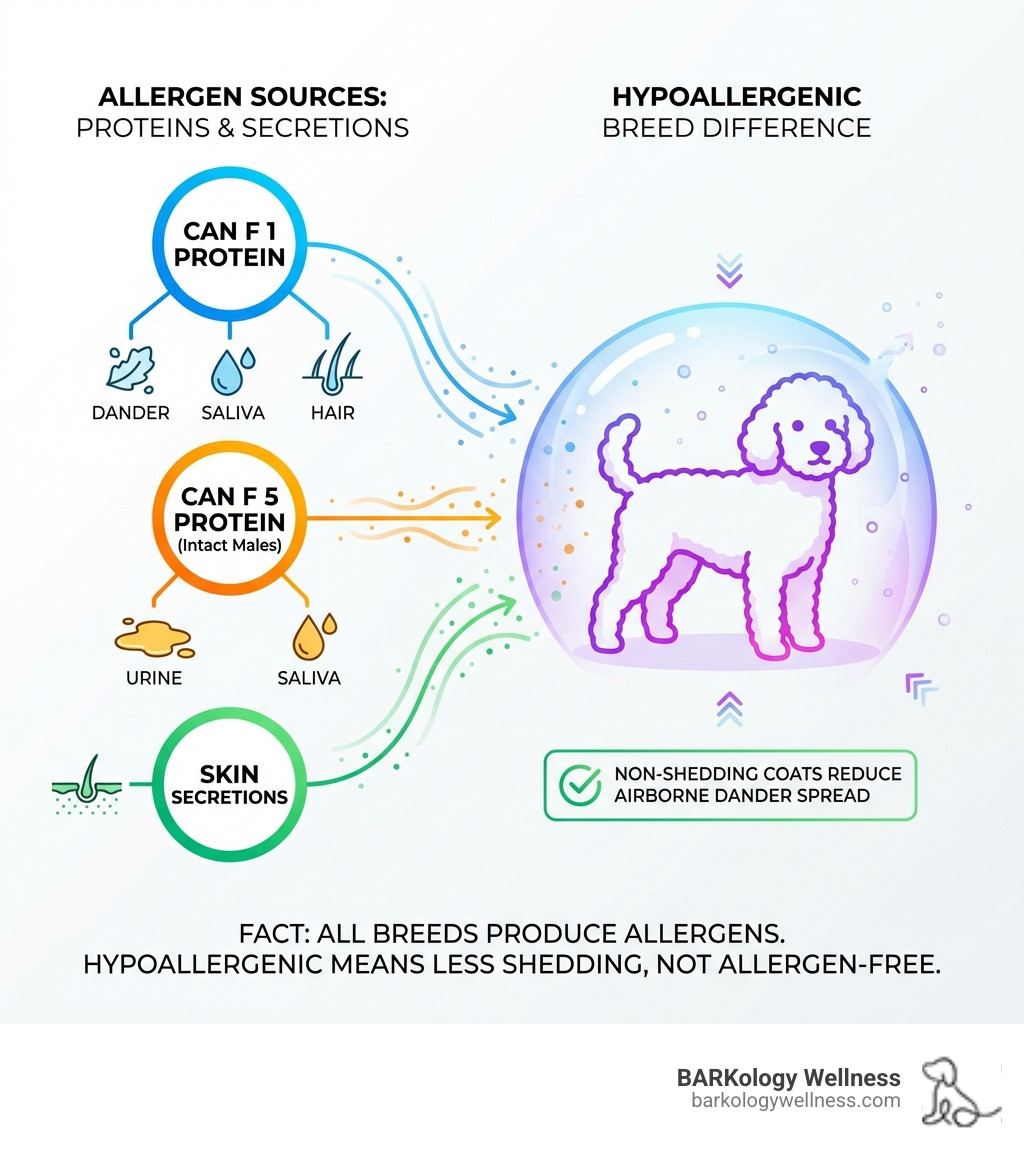
When we talk about "hypoallergenic" dogs, we're really talking about dogs that are less allergenic. This is a crucial distinction, as no dog is truly 100% allergen-free. The allergens that trigger reactions in sensitive individuals are primarily proteins found in a dog's saliva, urine, and skin secretions (dander), not solely their fur. The most common allergen is Can f 1, produced in the tongue and found in dander, hair, and saliva. Interestingly, there's also a male-specific allergen, Can f 5, produced in the prostate of intact male dogs and found in their urine and saliva. About 20-30% of dog-allergic individuals are sensitive to Can f 5, which means some people may tolerate female or neutered male dogs better.
The key difference with these breeds lies in their coats. Unlike traditional fur, which grows to a certain length and then sheds, the coats of hypoallergenic dog grooming candidates are more like human hair. This means they have a continuous growth cycle and shed significantly less. Less shedding translates to less dander being released into the environment, which is why they are often better tolerated by allergy sufferers. However, this hair-like texture also impacts grooming needs significantly. These coats are prone to trapping debris and can quickly become matted if not properly maintained.
As the American Academy of Allergy, Asthma & Immunology (AAAAI) points out, the idea of a truly hypoallergenic dog is a myth. Scientific studies have shown no consistent evidence that these breeds produce fewer allergens, and some have even been found to have similar or higher levels of Can f 1 compared to non-hypoallergenic breeds. The benefit primarily comes from their non-shedding nature, which reduces the spread of existing allergens.
What Makes a Dog Breed "Hypoallergenic"?
A dog breed is considered "hypoallergenic" not because it lacks allergens entirely, but because it's less allergenic. This distinction is vital for owners managing allergies. What makes these breeds stand out?
- Low-Shedding Coats: This is the primary characteristic. Breeds like Poodles, Bichon Frises, and Portuguese Water Dogs have coats that shed minimally. This means less loose hair and, consequently, less dander (the microscopic skin flakes that carry allergens) are dispersed into your home environment.
- Predictable Coats: Many hypoallergenic breeds have coats that are more uniform in texture and growth pattern, which helps in managing them.
- Less Dander Release: While all dogs produce dander, the non-shedding nature of these coats means that the dander tends to stay trapped within the coat rather than floating freely in the air or settling on surfaces. Regular grooming then removes this trapped dander.
Saliva and urine still contain allergens, regardless of the coat type. So, even with a "hypoallergenic" dog, a comprehensive allergy management strategy is necessary.
The Unique Challenge of Hypoallergenic Dog Grooming
The very characteristics that make these dogs suitable for allergy sufferers also create unique grooming challenges. Their continuously growing, often curly or wiry coats, demand diligent care:
- Matting Risk: Because their hair doesn't shed easily, dead hair and loose dander can quickly become entangled with live hair, forming painful mats. These mats pull on the skin, restricting movement and causing significant discomfort.
- Skin Irritation: Mats can also trap moisture and debris against the skin, leading to skin infections, hot spots, and general irritation.
- Need for Regular Trims: Just like human hair, a hypoallergenic dog's coat will continue to grow indefinitely. Regular trims and haircuts are essential to maintain a manageable length and prevent matting.
- Debris Trapping: Their dense coats can easily collect dirt, leaves, burrs, and other outdoor debris, which can contribute to matting and skin issues if not brushed out regularly.
- Pain from Neglect: Neglecting the grooming needs of a hypoallergenic dog can lead to severe matting, causing pain, skin problems, and even restricting blood flow. It's a serious welfare issue that we, at BARKology Wellness, see far too often.
The Ultimate Guide to Hypoallergenic Dog Grooming at Home
Taking care of a hypoallergenic dog's coat at home is a labor of love, but it's essential for their comfort and health. Regular at-home grooming complements professional services perfectly, helping to manage allergens and prevent painful mats.
Essential Tools and Brushing Techniques
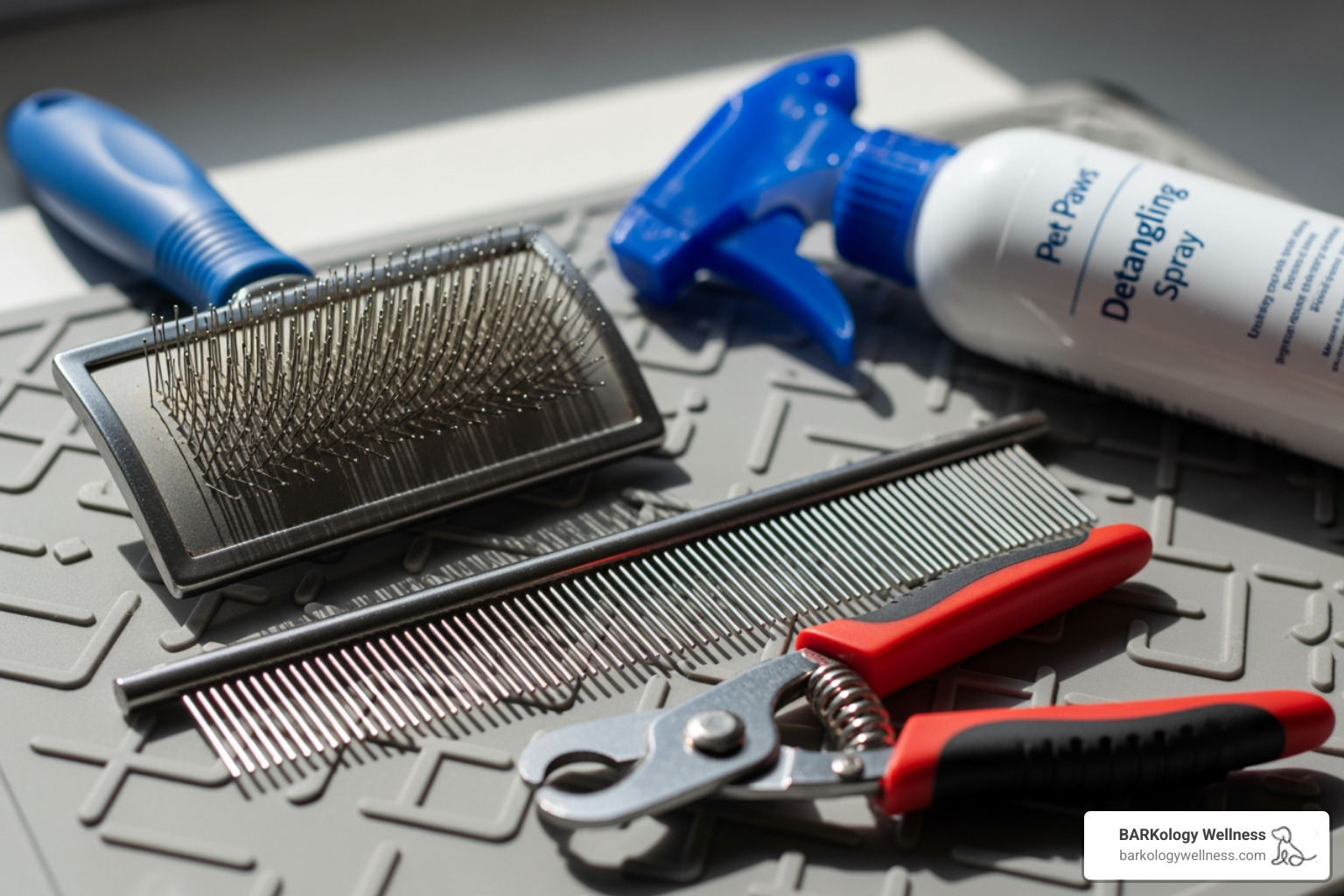
Having the right tools makes all the difference in keeping your hypoallergenic dog's coat in top condition. Here's what we recommend for your at-home grooming kit:
- Slicker Brush: This brush has fine, short wires packed closely together on a flat or curved surface. It's excellent for removing loose hair, detangling, and preventing mats.
- Steel Comb: A sturdy metal comb with both wide and narrow teeth is indispensable for checking for tangles and working through smaller knots.
- Detangler Spray: A good quality detangler spray can help loosen knots and make brushing easier and more comfortable for your dog.
- Pin Brush: Similar to a human hairbrush, a pin brush has widely spaced wire pins with rounded ends. It's great for longer coats and for finishing touches.
Brushing Techniques:The goal is to brush all the way down to the skin, not just the surface. This is where the "line brushing" method comes in handy.
- Section the Coat: Use your hand to part your dog's hair, exposing a small section of skin.
- Brush in Layers: Starting from the bottom of the section, brush downwards, working your way up to the part. Once that layer is tangle-free, drop another section of hair and repeat.
- Brush in the Direction of Growth: Always brush in the direction the fur grows to avoid irritation and discomfort.
- Check for Tangles: After brushing a section, use your steel comb to go through it. If the comb glides through easily, you've done a great job! If it snags, go back with your slicker brush and detangler spray.
We advise daily brushing for most hypoallergenic breeds, especially those with longer or curlier coats, to prevent mats from forming. It's a bonding experience, too!
Bathing, Shampoos, and Conditioners
Bathing is another critical component of hypoallergenic dog grooming, helping to wash away allergens and keep the coat clean.
- Bathing Frequency: While daily brushing is a must, bathing should be done less frequently. We generally recommend bathing your hypoallergenic dog once a month or every 4-6 weeks. Over-bathing can strip their skin of natural oils, leading to dryness and irritation.
- Hypoallergenic Shampoos: This is where product choice truly matters. Look for high-quality, specially formulated hypoallergenic dog shampoos. These are designed to be gentle on sensitive skin and can significantly ease irritation, itching, scratching, and dandruff caused by allergens. As the product listing page insight points out, some medicated shampoos can actually worsen allergies due to dyes or fragrances, making truly hypoallergenic options a safer bet.
- Ingredients to Look For/Avoid:
- Look for: Oatmeal-based formulas, aloe vera, and natural, gentle cleansers. These ingredients are soothing and moisturizing.
- Avoid: Shampoos with harsh chemicals, strong artificial fragrances, dyes, and parabens. Never use human shampoos on your dog, as they have a different pH level and can cause severe skin reactions.
- Leave-in Conditioners: After bathing, a leave-in conditioner can add moisture, prevent tangles, and make future brushing easier.
Tackling Tangles and Mats Safely
Mats are the archenemy of any hypoallergenic dog owner. They're not just unsightly; they're incredibly painful and can lead to serious health issues.
- Signs of Matted Fur: You'll notice clumps of fur, especially behind the ears, under the legs, on the belly, and around the tail. These clumps will feel dense and hard, often pulling tightly on the skin.
- Painful Pulling: When you try to brush a matted area, your dog will likely react with discomfort or pain because the mats are pulling on their skin.
- Dematting Tools: For small, loose tangles, a steel comb or a dematting rake can be used gently. Always use a detangler spray first. Carefully work from the outer edges of the mat inwards, trying to separate the hairs a few at a time.
- When NOT to Cut Mats: Never use scissors to cut out mats if you're not experienced. It's incredibly easy to accidentally cut your dog's skin, which is often pulled up into the mat. This can lead to serious injury and a costly vet visit.
- Shaving as a Last Resort: For severe, tight mats close to the skin, professional shaving is often the only humane solution. While it might not be the look you envisioned, it's the kindest option for your dog's well-being.
- Preventing Future Mats: The best way to address mats is to prevent them. This circles back to daily, thorough brushing. If knots persist, it means you need to brush more often or consider a shorter haircut.
Professional Grooming: When and Why to Call the Experts
While at-home care is vital, professional grooming for your hypoallergenic dog is non-negotiable. Think of it like this: you can trim your own bangs, but you go to a stylist for a proper haircut. It's the same for our furry friends, especially those with specialized coats.
Finding and Communicating with a Professional Groomer
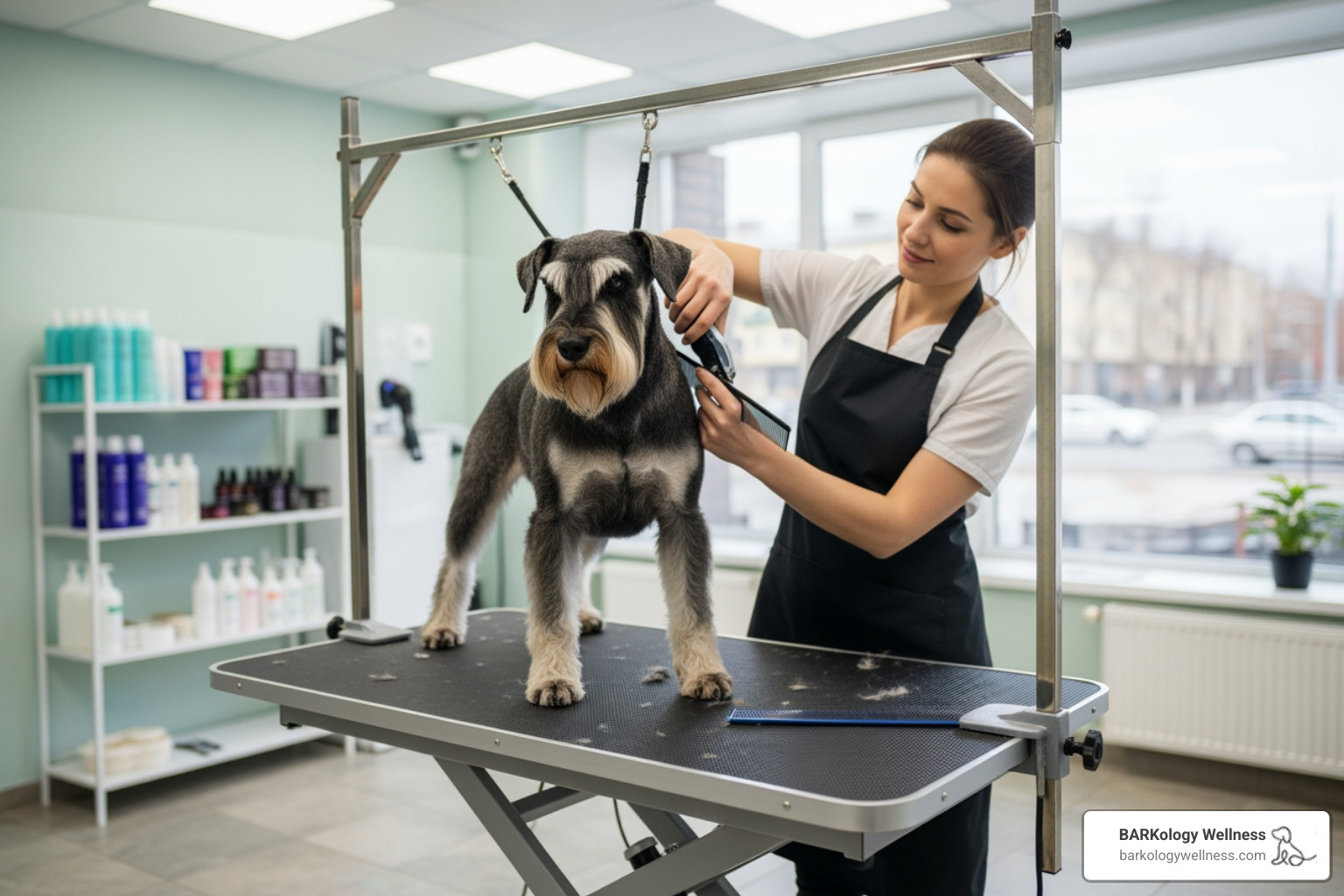
Choosing the right professional groomer is like finding a trusted partner in your dog's wellness journey.
- Finding a Groomer: Start by asking for recommendations from other hypoallergenic dog owners or your veterinarian in the Tampa area. Research online reviews and check out local grooming salons like BARKology Wellness in South Tampa.
- What to Look For:
- Salon Cleanliness: A clean salon is a sign of professionalism and good hygiene practices.
- Professionalism: Observe how the staff interacts with the dogs. Are they calm, patient, and knowledgeable?
- Safety Measures: A good groomer will use liftd grooming tables with appropriate restraints and follow strict safety protocols, as outlined by the AKC Grooming Standards. They should also be well-versed in pet first aid.
- Communicating Preferences: The first visit is crucial for establishing a good relationship.
- Discuss Trim Style and Length: Clearly explain how much hair you want trimmed and the style you prefer. Bring pictures if it helps!
- Address Concerns: Let your groomer know about any skin sensitivities, matting issues, or behavioral quirks your dog might have.
- Post-Grooming Inspection: When you pick up your dog, take a moment to inspect the cut. Is it even? Does it meet your preferences? Don't hesitate to politely discuss any adjustments or future preferences with your groomer. It can sometimes take one or two visits for the groomer to truly get to know you and your dog's needs.
At BARKology Wellness, we pride ourselves on our meticulous approach and open communication, ensuring each dog receives custom care in a serene environment.
At-Home vs. Professional Hypoallergenic Dog Grooming
The differences between at-home and professional grooming are significant, and understanding them helps you make informed decisions for your dog's care.
| Feature | At-Home Grooming | Professional Grooming |
|---|---|---|
| Skill Level | Basic maintenance, familiar with your dog's temperament. | Expert techniques, breed-specific knowledge, safe handling of tools. |
| Tools | Essential brushes, combs, detangler, shampoo. | Professional-grade clippers, shears, dryers, specialized baths, dematting tools. |
| Services | Brushing, basic bathing, minor detangling. | Full haircuts, thorough dematting, nail trims, ear cleaning, anal gland expression, specialized skin treatments. |
| Safety | Risk of nicks, cuts, razor burn if inexperienced. | Trained professionals minimize risks, adhere to safety standards. |
| Time Commitment | Daily/weekly routine, can be time-consuming for full baths/trims. | Saves owner time, groomer handles the entire process efficiently. |
| Cost | Initial tool purchase, ongoing product cost. | Regular service fees (typically every 4-8 weeks). |
| Consistency | Varies based on owner's time and expertise. | Consistent, high-quality results from trained specialists. |
| Difficult Dogs | Can be challenging for anxious or resistant dogs. | Experienced in handling various temperaments, often with specialized techniques. |
For complex tasks like full haircuts, thorough dematting, or nail grinding, a professional groomer is invaluable. They possess the expertise and specialized equipment to perform these tasks safely and effectively, ensuring your hypoallergenic dog always looks and feels their best.
Health, Safety, and Managing Allergies
Grooming is more than just aesthetics; it's a cornerstone of your dog's overall health and a powerful tool in managing human allergies.
Health Issues from Neglected Grooming
Neglecting the grooming needs of a hypoallergenic dog can lead to a cascade of painful and preventable health problems:
- Matted Fur Pain: This is the most immediate and agonizing consequence. Mats pull tightly on the skin, causing constant discomfort, bruising, and even tearing. Imagine constantly having your hair pulled – that's what matted fur feels like to your dog.
- Skin Infections: Mats trap moisture, dirt, and bacteria against the skin, creating a perfect breeding ground for infections. This can lead to painful skin conditions that require veterinary treatment.
- Parasites (Fleas, Ticks): Dense, matted fur makes it difficult to spot and remove parasites, allowing them to thrive and cause further irritation and potential disease transmission.
- Hot Spots: These are acute moist dermatitis lesions, often triggered by excessive licking or scratching due to irritation from mats or parasites. They can become infected quickly.
- Ear Infections: Many hypoallergenic breeds have floppy ears with hair that grows inside the ear canal. Without proper cleaning and plucking (if recommended by your vet), this can trap moisture and wax, leading to painful ear infections.
- Discomfort: Beyond specific conditions, a matted, dirty coat simply makes a dog uncomfortable, affecting their mood, mobility, and overall quality of life.
Grooming for Your Health: Reducing Allergens at Home
For owners with allergies, grooming is a critical part of a broader allergen management plan. Regular hypoallergenic dog grooming practices directly contribute to reducing allergen levels in your home, making life more comfortable for everyone.
- Reducing Dander Spread: The primary benefit of consistent grooming is the removal of dander, loose hair, and dried saliva before it can spread throughout your home. Brushing captures these allergens, and bathing washes them away.
- Air Purifiers: Technology can be a huge ally here. High-efficiency particulate air (HEPA) filters in air purifiers can trap airborne pet dander and other allergens, significantly improving indoor air quality. We recommend using them in main living areas and especially in bedrooms (even if your dog doesn't sleep there).
- Frequent Washing of Bedding: Wash your pet's bed often to remove accumulated dander and allergens. For your own bedding, regular washing is also key, especially if your dog has access to your bedroom.
- Keeping Dogs Off Furniture: While we love snuggles, limiting your dog's access to upholstered furniture and beds can help contain allergens.
- Vacuum-Assisted Grooming Tools: Innovative tools, like vacuum-assisted grooming attachments, can capture loose hair and dander directly as you brush, preventing it from becoming airborne. This is a game-changer for many allergy sufferers.
Safe Grooming Practices and Making it a Positive Experience
Grooming should be a positive experience for your dog, not a stressful one. Safety and comfort are paramount.
- Proper Tool Handling: Always use grooming tools correctly. Clippers should be introduced slowly, and groomers should be aware of sensitive areas and the risk of razor burn. When using scissors, always hold them parallel to the dog's body with tips pointed away, and ensure your dog is still.
- Avoiding Razor Burn, Nicks, and Cuts: These are common risks of improper grooming, especially with clippers. A professional groomer is trained to minimize these risks through proper technique and well-maintained, sharp equipment.
- Positive Reinforcement: Make grooming a positive experience from a young age. Use treats, praise, and gentle handling. Keep sessions short initially and gradually increase duration as your dog becomes more comfortable.
- Gentle Handling: Always be gentle but firm. Rough handling can lead to negative associations with grooming, making future sessions more difficult and stressful for your dog.
- Starting Young: Introducing grooming routines early in puppyhood helps your dog get accustomed to the process, making it less intimidating as they grow.
Common Hypoallergenic Breeds and Their Grooming Needs
While all hypoallergenic dog grooming shares fundamental principles, specific breeds have unique coat types that require custom care. Here are some of the most popular hypoallergenic breeds and their particular grooming demands. You can find a more comprehensive List of Hypoallergenic Dog Breeds from the AKC.
Poodles and Bichons: The Curly-Coated Challenge
Breeds like the Poodle (Standard, Miniature, Toy) and the Bichon Frise are iconic for their dense, curly, non-shedding coats. These beautiful curls are also notorious for matting.
- Daily Brushing Required: Their tight curls can quickly form mats if not brushed daily. We recommend a slicker brush to get through the curls, followed by a steel comb to ensure no tangles are left.
- Prone to Matting: The curly texture means shed hair gets trapped within the coat rather than falling out, leading to rapid mat formation.
- Professional Grooming Every 4-6 Weeks: Due to continuous growth and matting risk, professional grooming for a full haircut and bath is essential every 4 to 6 weeks.
- Tear Staining: Bichons, especially, are prone to tear staining around their eyes, which requires regular cleaning and sometimes specialized products.
Terriers and Schnauzers: Wiry Coats and Furnishings
Many terrier breeds, including the Miniature, Standard, and Giant Schnauzers, and the Soft Coated Wheaten Terrier, boast distinctive wiry or wavy coats.
- Regular Brushing of Beards/Legs: Schnauzers are famous for their "furnishings" – the longer hair on their face (beard and eyebrows) and legs. These areas are highly prone to matting and require daily brushing.
- Hand-Stripping vs. Clipping: Traditional Schnauzer grooming involves hand-stripping to maintain the wiry texture of the topcoat. However, many owners opt for clipping, which is easier but can soften the coat texture over time.
- Preventing Mats in Furnishings: The longer hair on their faces and legs needs constant attention to prevent food, dirt, and moisture from causing tangles and mats.
Silky and Wavy Coats: Maltese and Wheaten Terriers
Breeds like the Maltese and Soft Coated Wheaten Terrier have long, flowing, silky, or wavy coats that, while beautiful, require significant upkeep.
- Daily Combing to Prevent Tangles: Their fine hair can tangle easily, so daily combing is crucial to prevent knots and mats from forming. A pin brush and steel comb are your best friends here.
- Prone to Breakage: Their delicate hair can break if brushed too aggressively or if left tangled.
- Regular Trims Needed: While the Maltese is often kept long, regular trims are necessary to keep the coat healthy and manageable. Wheaten Terriers also benefit from regular shaping to maintain their distinctive look.
- Skin Sensitivity: Many dogs with fine, silky coats can have sensitive skin, making the choice of gentle, hypoallergenic shampoos even more important.
Conclusion: A Commitment to Wellness Through Grooming
Caring for a hypoallergenic dog is a rewarding experience, offering companionship to those who might otherwise be unable to share their homes with a canine friend. However, it's a commitment that extends beyond daily walks and cuddles. It's a commitment to consistent, specialized grooming that directly impacts their health, comfort, and your ability to manage allergies effectively.
At BARKology Wellness, we believe that grooming is more than just a service; it's an essential part of your dog's overall wellness journey and a profound way to show them love. From preventing painful mats to soothing sensitive skin and keeping allergens at bay, proactive grooming ensures a happy, healthy life for your furry family member.
We blend science with pampering care, offering luxury dog grooming and wellness services in South Tampa. Our expert team understands the unique needs of hypoallergenic coats and is dedicated to providing custom, royal treatment in a serene environment. We're here to support you in every step of your hypoallergenic dog grooming journey, ensuring peace of mind for you and optimal well-being for your beloved companion.
Explore our luxury grooming services and let us help your hypoallergenic dog thrive.