
Why Your Dog's Constant Scratching Demands Immediate Attention

Itchy skin dog relief starts with understanding that scratching, licking, and chewing aren't just annoying habits, they're your dog's way of telling you something's wrong. If your canine companion is suffering right now, here's what you need to know:
Quick Relief Options:
- Immediate soothing - Give a colloidal oatmeal bath to calm inflamed skin
- Topical relief - Apply coconut oil or aloe vera to dry, irritated areas
- Environmental control - Wash bedding, wipe paws after walks, and vacuum frequently
- Professional care - Consult your veterinarian if itching persists beyond a few days or worsens
You know the sounds all too well. The constant scratching that keeps us up at night. The rhythmic licking that never seems to stop. The chewing at paws until they're raw and red.
According to a 2023 Nationwide Survey on pet insurance data, allergic dermatitis has been the top reason dogs visit the vet for eleven consecutive years. That's not a coincidence, itchy skin affects millions of dogs, and the consequences go far beyond discomfort. Left untreated, excessive scratching leads to open wounds, bacterial infections, hair loss, and chronic inflammation that diminishes your dog's quality of life.
The good news? Relief is possible when you understand what's causing the itch and how to address it properly.
This guide walks you through everything from identifying common culprits like parasites, allergies, and infections to implementing effective at-home relief strategies and knowing when professional intervention is necessary. You'll learn which natural ingredients actually work, how diet impacts skin health, and what treatments veterinarians recommend for lasting relief.
As Nabilah Shamseddine, founder of BARKology Wellness, I've built my career around premium, health-focused care that addresses root causes rather than just symptoms, an approach that's especially crucial when seeking effective itchy skin dog relief for your beloved companion. My background in wellness entrepreneurship and community-driven health solutions has shown me that the best outcomes come from combining professional expertise with personalized, holistic care.
Uncovering the Culprit: Common Causes of Itchy Skin in Dogs
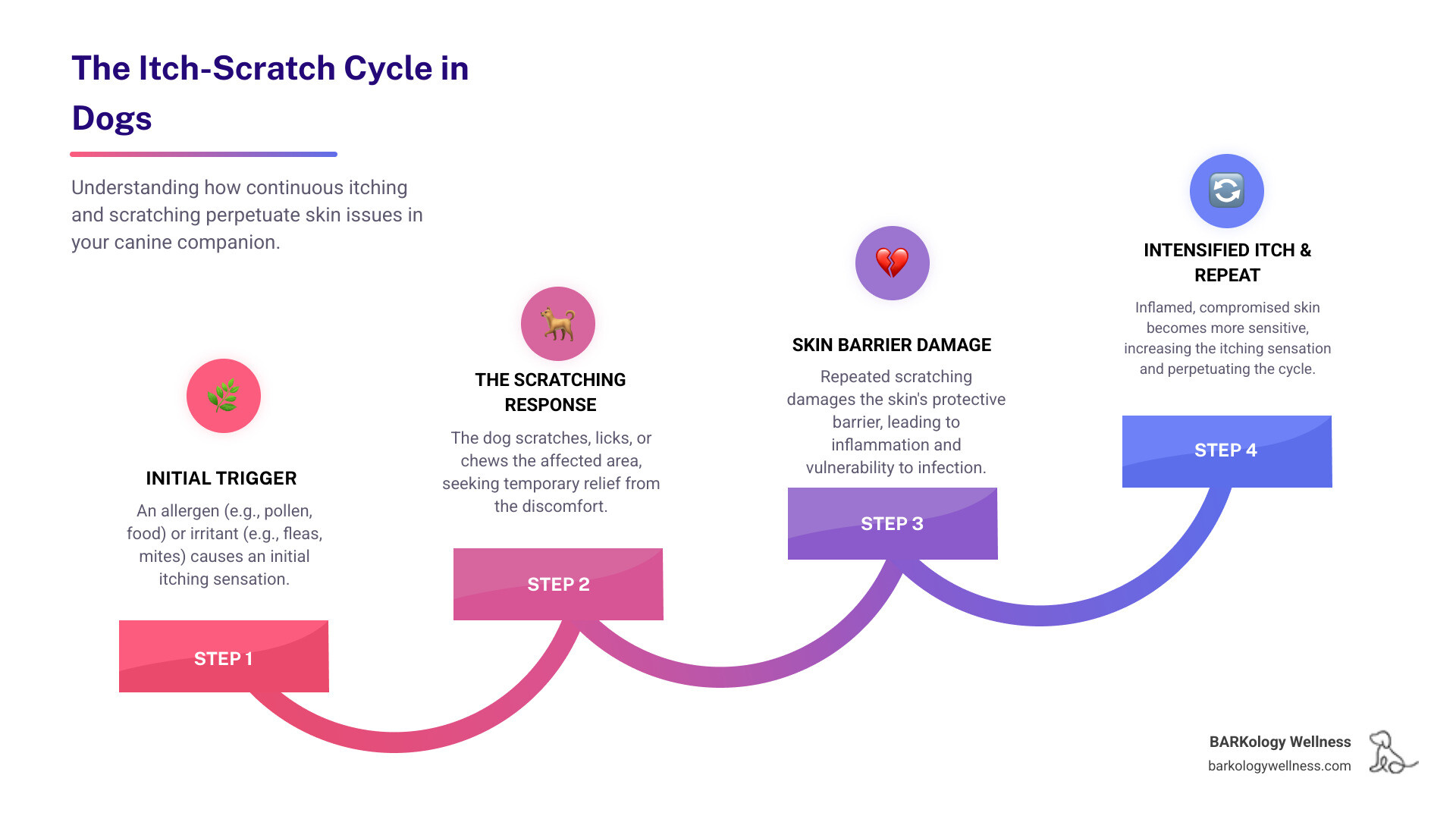
When your dog starts scratching more than usual, it’s a clear signal that something is amiss. Itching, medically known as pruritus, is a symptom, not a diagnosis. This unpleasant sensation compels your dog to scratch, lick, or chew, often leading to a frustrating cycle of discomfort. To provide effective itchy skin dog relief, we must first understand the root cause, which can range from tiny pests to environmental triggers and underlying health issues.
Parasites: The Unseen Pests
Parasites are a common cause of intense itching in dogs. These minuscule invaders can cause significant irritation and allergic reactions, even if you don't see them directly.
- Flea Allergy Dermatitis (FAD): This is the most common reason for intense itching. Many dogs are allergic to flea saliva, meaning a single bite can trigger a severe, widespread reaction. This leads to relentless scratching, especially around the hind legs and tail base. Consistent, year-round flea prevention is paramount.
- Mites (Scabies/Mange): These microscopic parasites burrow into the skin, causing intense itching and hair loss.
- Sarcoptic Mange (Scabies): This highly contagious mange can be transmitted to other animals and humans. Symptoms include severe itching, redness, scabs, and hair loss, often starting on the ears, elbows, and hocks.
- Demodectic Mange: This type is not contagious and is often linked to a genetic predisposition. It typically causes patchy hair loss and redness, with severe itching only developing if a secondary infection is present.
- Ticks: While less common for widespread itching, tick bites cause localized irritation and can transmit diseases. Regular checks after outdoor activities are essential.
The importance of year-round parasite prevention cannot be overstated, especially in sunny Tampa, FL, where pests are a year-round concern. It's a proactive step that can save your dog from immense discomfort.
Allergies: An Overactive Immune Response
Like us, dogs can suffer from allergies, where their immune system overreacts to harmless substances. In dogs, this reaction often concentrates in the skin, making itching a primary symptom.
- Environmental Allergies (Atopy): Common and often seasonal, these allergies are triggered by allergens like pollen, mold spores, and dust mites. Dogs can inhale these allergens or absorb them through their skin. Symptoms often include itchy paws, face, armpits, and belly, and can lead to recurrent ear infections.
- Food Allergies: A true food allergy is an immune response to specific proteins, commonly beef, chicken, or dairy. They can cause chronic, year-round itching, skin changes, and recurrent ear or rear-end issues. While only affecting 10-25% of dogs with allergic skin disease, they can be persistent.
- Contact Dermatitis: This less common allergy occurs when your dog's skin directly contacts an irritant, like certain plants, cleaning products, or fabrics. The itching and rash appear where the skin touched the substance.
Skin Infections and Other Conditions
Sometimes, itching is caused not by the primary trigger, but by secondary infections or other health problems.
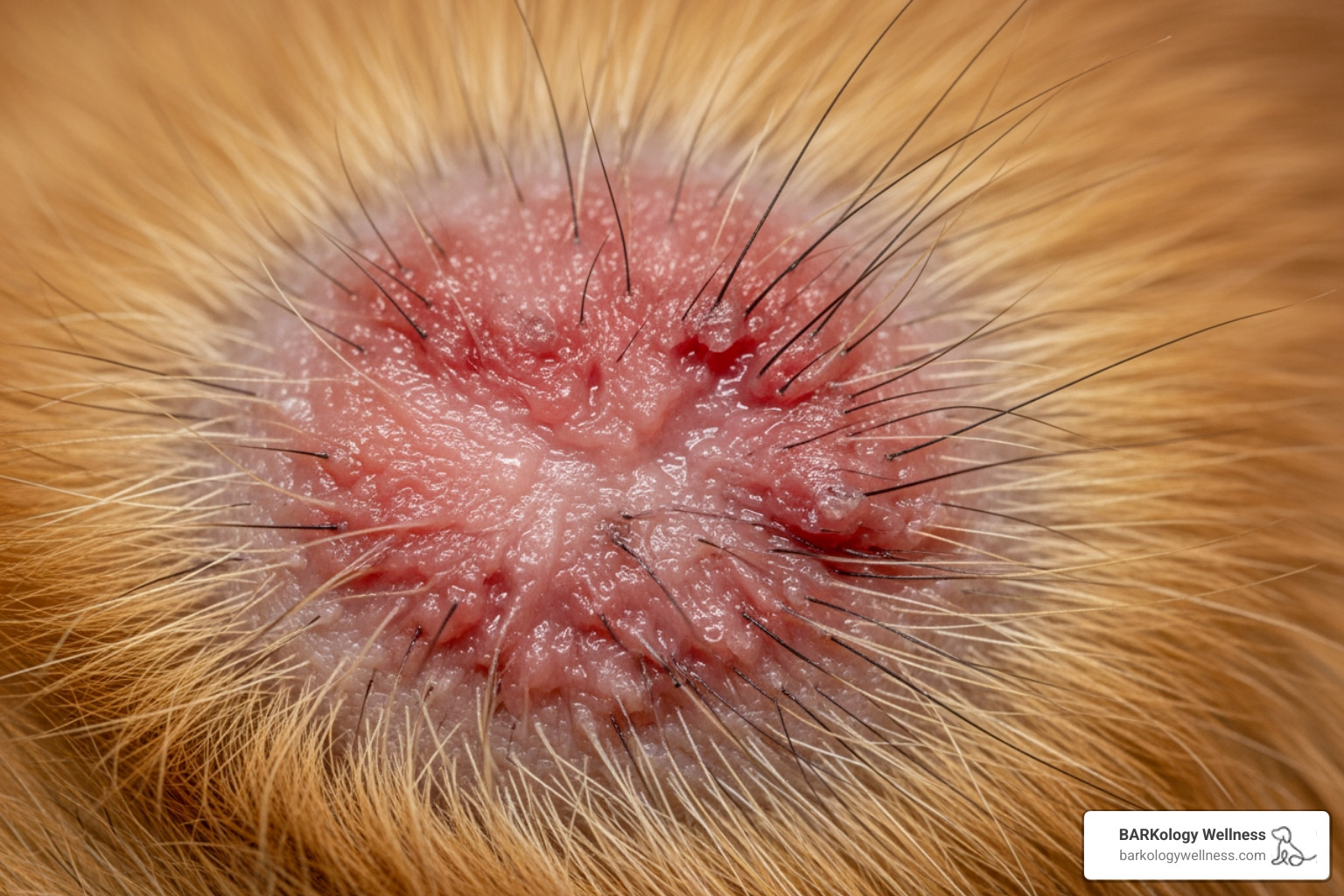
- Bacterial Infections (Pyoderma): Excessive scratching can break the skin, allowing bacteria to cause an infection. This results in red, inflamed skin, pustules, and increased itching. Acute, localized, and rapidly developing lesions are known as "hot spots."
- Yeast Infections (Malassezia Dermatitis): Yeast overgrowth can cause infection, especially in warm, moist areas like ears, paws, and skin folds. Symptoms include intense itching, redness, greasy skin, and a distinct yeasty odor.
- Dry, Flaky Skin (Seborrhea): Dogs can suffer from dry skin, leading to flakiness, dandruff, and mild itching. This can be caused by low humidity, nutritional deficiencies, or underlying conditions.
- Hormonal Imbalances: Conditions like hypothyroidism or Cushing's disease can affect skin health, leading to dryness, hair loss, and secondary infections that cause itching.
- Pain-Induced Licking: Dogs in pain from a condition like arthritis might excessively lick a joint. This can lead to skin irritation and secondary infections, creating a cycle that mimics itching.
Understanding these diverse causes is the crucial first step. Pruritus is a sign, not a diagnosis, so a thorough investigation is often needed to pinpoint the reason for your dog’s discomfort. For more in-depth information, you can read about Itching (Pruritus) in Dogs.
At-Home Itchy Skin Dog Relief Strategies
Once you have a better understanding of what might be causing the itch, you can explore effective at-home strategies for itchy skin dog relief. While these methods offer comfort, severe or persistent itching always warrants a vet visit.
Soothing Baths and Topical Treatments
Bathing can be a powerful tool for immediate relief, washing away allergens and soothing irritated skin.
- Colloidal Oatmeal Baths: A classic and effective home remedy, colloidal oatmeal (finely ground oats) added to a warm bath creates a milky soak that moisturizes and has anti-inflammatory properties. Soak your dog for 10-15 minutes to cool irritated skin, ensuring the solution makes direct contact with the skin.
- Medicated Shampoos: Your vet might recommend medicated shampoos with ingredients like chlorhexidine (antibacterial) or hydrocortisone (anti-inflammatory). These are excellent for addressing infections and reducing inflammation. Always use products formulated for dogs, as human shampoos can disrupt their skin's pH balance.
- Aloe Vera: Pure aloe vera gel (without added alcohol) can be gently applied to localized itchy spots to calm inflammation.
- Chamomile Soaks and Cooling Compresses: Chamomile, calendula, and green tea have properties that soothe and cool irritated skin. For hot spots, apply cooled, steeped tea bags or use the liquid as a rinse. For widespread itching, soak your dog in warm water with steeped herbal tea bags for at least five minutes. Cooling compresses also provide temporary relief.
- Anti-Itch Sprays: Over-the-counter anti-itch sprays often contain hydrocortisone or natural ingredients like chamomile. These can offer temporary relief for localized itching.
- Professional Grooming Services: At BARKology Wellness in Tampa, FL, we understand that bathing a very itchy dog can be a challenge. Our professional grooming services offer a serene environment and specialized products to gently cleanse and soothe your dog's skin, while also addressing their specific coat needs. We focus on blending science with pampering care, ensuring your dog gets royal treatment while their skin gets the attention it needs.
Natural Ingredients for Itchy Skin Dog Relief
Nature offers many ingredients to soothe your dog's skin. Always patch-test new products and consult your vet before widespread use, especially on sensitive or broken skin.
- Coconut Oil: This versatile oil forms a natural barrier on the skin, providing relief for dryness. Coconut oil also has natural antibacterial and antifungal properties, which can help with issues like eczema, yeast infections, or insect bites. Gently massage it into your dog's coat and skin.
- Diluted Apple Cider Vinegar Spray: Apple cider vinegar (ACV) has antiseptic and antifungal qualities. A 50/50 solution of water and ACV can be sprayed on targeted itchy areas. Crucially, never apply ACV to raw or open skin, as it will sting.
- Plain Yogurt: For skin irritation linked to digestive issues, plain, unsweetened yogurt can help. It provides probiotics that support gut health, which can positively impact skin. Check with your vet before introducing new foods, but a small dog can have about one teaspoon and a large dog two teaspoons weekly.
- Green Tea Soaks: Like chamomile, green tea contains antioxidants and anti-inflammatory compounds. A cool green tea soak can help reduce redness and provide a soothing effect.
Creating an Itch-Free Home Environment
Managing your dog’s environment is a critical component of itchy skin dog relief, especially for environmental allergies. Reducing allergens in your home can significantly help.
- Regularly Wash Bedding: Wash your dog's bedding and blankets in hot water weekly to reduce dust mites and pollen.
- Use Air Purifiers: Use air purifiers with HEPA filters to remove airborne allergens like pollen, dust, and mold.
- Wipe Paws After Walks: Wipe your dog's paws and belly after walks to remove pollen and other outdoor allergens.
- Hypoallergenic Cleaning Products: Use pet-safe, hypoallergenic, and fragrance-free cleaning products, as strong chemicals and perfumes can irritate a dog's skin.
- Frequent Vacuuming: Vacuum frequently with a HEPA-filter vacuum to remove dander, dust mites, and other allergens from floors and furniture.
The Role of Diet and Professional Wellness
What goes into your dog's bowl can have a profound impact on their skin health. Just as we nourish our bodies, a dog's diet plays a foundational role in building a strong skin barrier and a healthy immune system, both crucial for preventing and managing itchy skin.

Building Healthy Skin from Within
A well-balanced diet is the cornerstone of overall wellness, and that includes skin and coat health.
- Omega-3 Fatty Acids: These powerful anti-inflammatory agents are essential for skin health. They can reduce inflammation associated with certain canine skin diseases and improve the skin barrier. While some commercial dog foods include them, many do not meet the optimal levels. We often recommend high-quality fish oil supplements derived from anchovies or sardines, as farmed salmon may provide lower quality oils. Always consult your veterinarian about the appropriate dosage, as higher doses can sometimes lead to gastrointestinal upset.
- High-Quality Protein: Protein is vital for healthy skin and hair growth. Ensure your dog's diet includes easily digestible, high-quality protein sources.
- Balanced Diet (AAFCO Standards): The Association of American Feed Control Officials (AAFCO) sets standards for pet food nutrition. Choosing a dog food that meets these standards ensures your dog is getting all the necessary vitamins, minerals, and macronutrients. Nutritional deficiencies can directly contribute to skin issues.
- Antioxidants: Vitamins E and C, along with other antioxidants, help protect skin cells from damage and support immune function, which is beneficial for dogs prone to allergies and skin inflammation.
- Our Wellness Plans: At BARKology Wellness, we believe in a proactive approach to health. Our wellness plans are designed to provide comprehensive care that includes nutritional guidance, ensuring your dog gets the best possible foundation for healthy skin from within.
Navigating Food Allergies
Identifying and managing food allergies requires a strategic approach, often with veterinary guidance.
- Elimination Diet: If we suspect a food allergy, the gold standard for diagnosis is an elimination diet. This involves feeding your dog a novel protein (one they've never eaten before) or a hydrolyzed protein diet (where proteins are broken down into tiny pieces, making them unrecognizable to the immune system) for a strict period, typically 8 weeks. During this time, absolutely no other foods, treats, or flavored medications are allowed.
- Novel Proteins: Examples of novel proteins might include duck, venison, rabbit, or kangaroo.
- Hydrolyzed Diets: These are prescription diets specifically formulated to be hypoallergenic.
- Importance of Veterinary Guidance: A veterinarian is crucial for formulating and overseeing an elimination diet. They can help choose the right food and ensure proper nutritional balance. Trying to steer this alone can be challenging and may not yield accurate results.
- Reintroduction Phase: After the 8-week elimination period, if your dog's itching has resolved, your vet will guide you through reintroducing single ingredients one at a time to identify the specific allergen. This careful process helps confirm the food allergy and allows you to establish a safe and healthy long-term diet.
When to Seek Professional Help
While at-home remedies and dietary adjustments can offer significant itchy skin dog relief, there are clear indicators that it's time to consult a veterinarian. Persistent itching can be a sign of a more serious underlying condition, and delaying professional help can lead to worsening symptoms and secondary infections.
As we noted earlier, [According to pet insurance data](https://www.veterinarypracticenews.com/dermatitis-gastropathy-among-top-pet-insurance-claims/), skin allergies are a top reason for vet visits, highlighting just how common and impactful these issues can be. Our goal at BARKology Wellness is to work alongside your vet, supporting your dog's skin health with complementary care.
Signs It's Time to See a Veterinarian
Don't hesitate to reach out to your veterinarian if you observe any of these concerning signs:
- Open Sores or Scabs: Excessive scratching can break the skin, creating open wounds that are highly susceptible to bacterial or yeast infections. If you see scabs, crusts, or raw, weeping areas, a vet visit is essential.
- Foul Odor from Skin or Ears: A strong, unpleasant odor often indicates an underlying bacterial or yeast infection, which requires specific medication to resolve. This is especially true for ear infections, which can be incredibly painful for your dog.
- Significant Hair Loss: Patchy hair loss, thinning coat, or bald spots can point to a variety of issues, including parasites (like mites), severe allergies, or hormonal imbalances.
- Changes in Behavior or Appetite: Chronic itching can take a toll on your dog's overall well-being. If your normally playful pup becomes lethargic, irritable, aggressive, or loses their appetite, it could be due to pain, discomfort, or stress from persistent itching.
- Itching That Disrupts Sleep: If your dog is scratching so much that it interferes with their sleep (or yours!), the itch is severe enough to warrant professional intervention. This level of discomfort is not something they should endure.
Veterinarians generally believe it's best to find the cause of a dog's itch sooner rather than later. Early diagnosis can bring relief, uncover underlying issues before they worsen, and even prevent contagious skin diseases from spreading.
Veterinary Treatments for Itchy Skin Dog Relief
When at-home methods aren't enough, or if the itching is severe, a veterinarian can provide a definitive diagnosis and a range of effective medical treatments.
- Diagnostic Tests: Your vet will start with a thorough physical examination and a detailed history of your dog's symptoms. They may then recommend several diagnostic tests:
- Skin Scrapings: To check for mites.
- Cytology: Microscopic examination of skin cells to identify bacterial or yeast infections.
- Blood Tests/Allergy Testing: While blood tests can indicate exposure to certain allergens, intradermal skin testing is often used to identify specific environmental allergens for the formulation of immunotherapy vaccines. Allergy testing is not effective for diagnosing food allergies, which are best identified through elimination diets.
- Oral Medications:
- Steroids (Glucocorticoids): These are powerful anti-inflammatory medications that can quickly reduce severe itching and inflammation. However, they come with potential side effects such as increased thirst, urination, appetite, and can have long-term health implications if used excessively. They are generally used cautiously and for short durations.
- Apoquel (Oclacitinib): This targeted medication specifically inhibits the pathways involved in allergic itching, providing rapid and effective relief with fewer side effects than steroids for many dogs. It's available as a chewable tablet and can be used for long-term management.
- Cytopoint (Lokivetmab): This is an injectable antibody treatment that targets a key protein involved in triggering itch in allergic dogs. It provides long-lasting relief (typically 4-8 weeks) and is very safe, as it works like a dog's natural immune system.
- Antibiotics & Antifungals: If bacterial or yeast infections are identified, your vet will prescribe appropriate oral antibiotics or antifungals, often alongside medicated shampoos. A typical course of antibiotics for skin infections might last 21-30 days.
- Immunotherapy (Allergy Shots): For dogs with environmental allergies identified through allergy testing, immunotherapy involves administering small, increasing doses of the specific allergens over time. This aims to desensitize the immune system, reducing the allergic reaction. It's a long-term solution that can significantly improve quality of life.
- Prescription Topicals: Beyond over-the-counter options, vets can prescribe stronger topical medications, including steroid sprays, mousses, or spot-on therapies that can moisturize dry, flaky skin and help prevent infections. These are particularly useful for localized issues or for dogs who are difficult to bathe regularly.
Frequently Asked Questions about Dog Itching
We hear a lot of questions about itchy skin from dog parents in Tampa, FL. Here are some of the most common ones we address:
Can I use human shampoo or Benadryl on my itchy dog?
It's natural to want to use what's readily available, but we strongly advise caution.
- Human Shampoo: Human skin has a different pH balance than dog skin. Using human shampoo, even gentle ones, can strip your dog's natural oils, disrupt their skin barrier, and lead to dryness, irritation, and even infections. Always opt for shampoos specifically formulated and pH-balanced for dogs.
- Benadryl (Diphenhydramine): While Benadryl can be used for allergic reactions in humans, its effectiveness for allergic itching in dogs is highly variable and often offers little to no benefit for environmental allergies in many dogs. Moreover, it can cause drowsiness and other side effects. Never administer any over-the-counter medication, including Benadryl, without first consulting your veterinarian for the correct dosage based on your dog's weight and to ensure it won't interact with other medications or existing health conditions.
How can I tell if my dog's itching is from fleas or allergies?
Differentiating between flea-related itching and other allergies can be tricky, as symptoms can overlap.
- Check for "Flea Dirt": Even if you don't see live fleas, look for "flea dirt" (flea feces) on your dog's skin, especially around the base of the tail and hindquarters. This looks like tiny black specks that turn reddish-brown when wet. A fine-toothed flea comb can help you find this. A single flea bite can trigger a severe allergic reaction in sensitive dogs.
- Allergy Patterns:
- Seasonal vs. Year-Round: If the itching is strictly seasonal (e.g., spring/fall), environmental allergies like pollen are more likely. If it's year-round, food allergies, dust mites, or certain infections might be the cause.
- Location of Itching: Flea allergies often cause itching around the tail base, hind legs, and rear end. Environmental allergies frequently affect the paws, face, armpits, and belly, and can lead to recurrent ear infections. Food allergies can cause itching anywhere, but often manifest as "ears and rears" issues.
Consistent, year-round flea prevention is a good practice regardless, as it removes a major potential irritant from the equation, making it easier to diagnose other allergies.
What dog breeds are most prone to itchy skin?
While any dog can experience itchy skin, certain breeds are genetically predisposed to conditions that cause chronic itching and allergies. If you own one of these breeds, it's wise to be extra vigilant about skin health and proactive with preventative care.
- French Bulldogs: Known for their skin folds, which can harbor yeast and bacteria, and a high incidence of environmental and food allergies.
- Golden Retrievers: Prone to environmental allergies, hot spots, and ear infections.
- German Shepherds: Can suffer from environmental allergies, skin infections, and certain autoimmune skin conditions.
- West Highland White Terriers: Often battle atopic dermatitis and other chronic skin conditions.
- Cocker Spaniels: Susceptible to ear infections (due to their long, floppy ears), seborrhea, and allergies.
- Poodles: Can experience sebaceous adenitis (an inflammatory skin disease) and various allergies.
- Labrador Retrievers: Frequently affected by environmental allergies and hot spots.
If you have one of these breeds, or any dog with persistent itching, our team at BARKology Wellness is here to support you. We believe in custom care that recognizes the unique needs of each dog.
Conclusion: A Path to a Happier, Healthier Dog
Seeing your beloved canine companion constantly scratch, lick, and chew is heartbreaking. But remember, effective itchy skin dog relief is not just a dream, it's an achievable goal with the right approach. The journey to a comfortable, happy dog often requires a holistic strategy that combines diligent home care with professional veterinary expertise.
We encourage you to be observant, understanding that your dog's itching is a sign, a plea for help. By systematically investigating the common causes, parasites, allergies, and infections, and implementing thoughtful at-home remedies like soothing baths, natural topical treatments, and environmental management, you're already making a huge difference.
However, never underestimate the importance of professional guidance. When symptoms persist, worsen, or are accompanied by concerning signs like open sores, foul odors, or changes in behavior, your veterinarian is your most valuable partner. They can provide accurate diagnoses through specialized tests and offer advanced treatments like targeted medications or immunotherapy.
At BARKology Wellness in Tampa, FL, we are dedicated to supporting your dog's health and happiness. Our luxury dog grooming and wellness services blend science with pampering care, designed to provide a serene environment where your dog receives custom, royal treatment. We believe a proactive approach to wellness ensures a comfortable and happy companion for years to come.
Together, by identifying the root cause and combining consistent home care with professional advice, we can stop the scratching and pave the path to a happier, healthier life for your best friend.
Ready to give your dog the ultimate care for their skin and overall wellness? Explore our wellness memberships to find a plan that fits your dog's needs and brings them lasting comfort.