
What to Do When My Dog's Coat Is Dry and Flaky
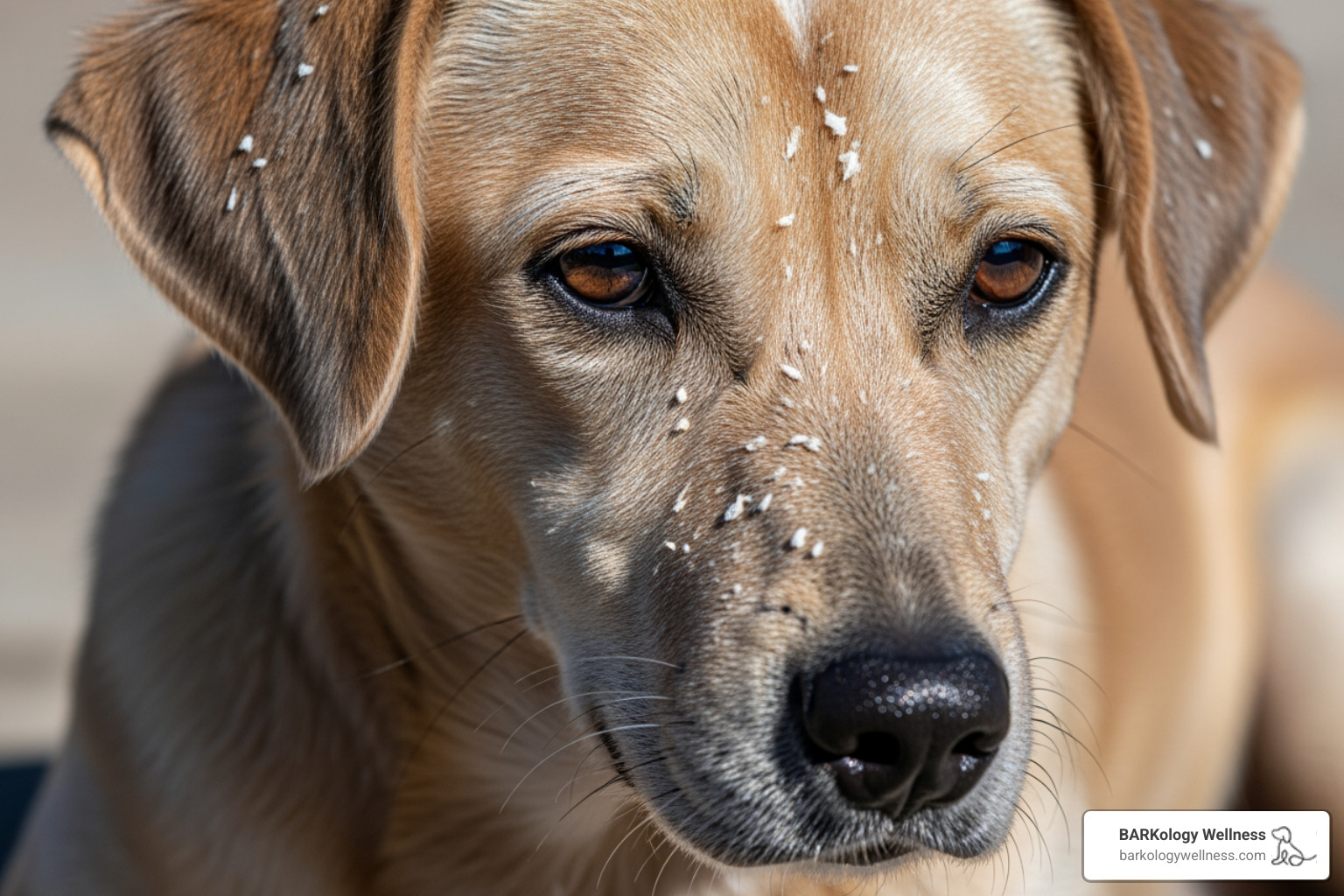
If my dog's coat is dry and flaky, here's what you need to know at a glance:
| Common Causes | Quick Actions |
|---|---|
| Dry indoor air / central heating | Use a humidifier at home |
| Poor diet / omega-3 deficiency | Switch to a high-quality food with fatty acids |
| Over-bathing | Reduce baths to every 2-4 weeks |
| Parasites (fleas, mites) | Start year-round parasite prevention |
| Allergies (food or environmental) | Consult your vet for testing |
| Underlying health conditions | Schedule a vet exam if symptoms persist |
Flaky skin and a dull coat are two of the most common concerns dog owners notice, and they're also two of the most misunderstood. A little dandruff might seem harmless, but it can be your dog's first signal that something is off, whether that's a nutritional gap, a parasite, or an underlying health condition.
The good news? Most causes are treatable. Once you identify the root issue, your dog's coat can bounce back to healthy and lustrous with the right care.
This guide walks you through everything: how to spot the symptoms, what's likely causing them, and how to treat and prevent dry, flaky skin, from simple home adjustments to professional care.
I'm Nabilah Shamseddine, franchise entrepreneur and leader at BARKology Wellness, where I've worked closely with pet wellness experts to help dogs with issues like dry and flaky coats get the premium, health-focused care they deserve. Let's get your pup feeling, and looking, their best.
Introduction
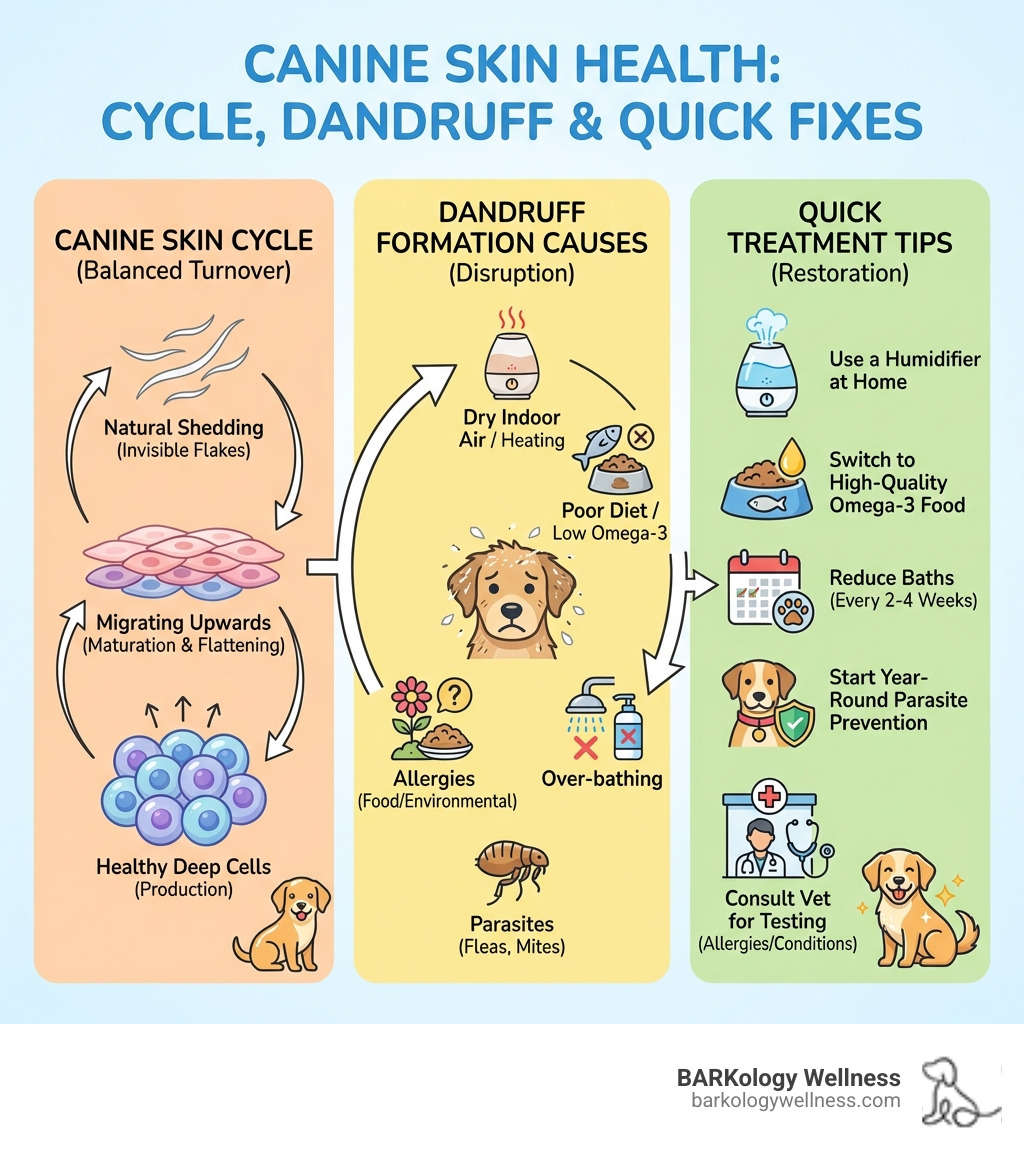
A healthy dog is usually a shiny dog. In our South Tampa community, we know that a dog’s coat is often the first "billboard" for their internal health. When a dog is thriving, their skin produces just the right amount of sebum, a natural oil that hydrates the skin and keeps the fur glistening. However, when that balance is disrupted, the skin cells begin to shed more rapidly than they should, resulting in those pesky white flakes we call dandruff.
At BARKology Wellness, we believe that grooming isn't just about looking pretty; it’s a vital component of medical hygiene. Regular grooming helps distribute those essential oils and removes the buildup of dead skin before it becomes a problem. Understanding the canine skin cycle is the first step in realizing why my dogs coat is dry and flaky and how we can fix it together.
Recognizing the Symptoms: Is Your Dog’s Coat Dry and Flaky?
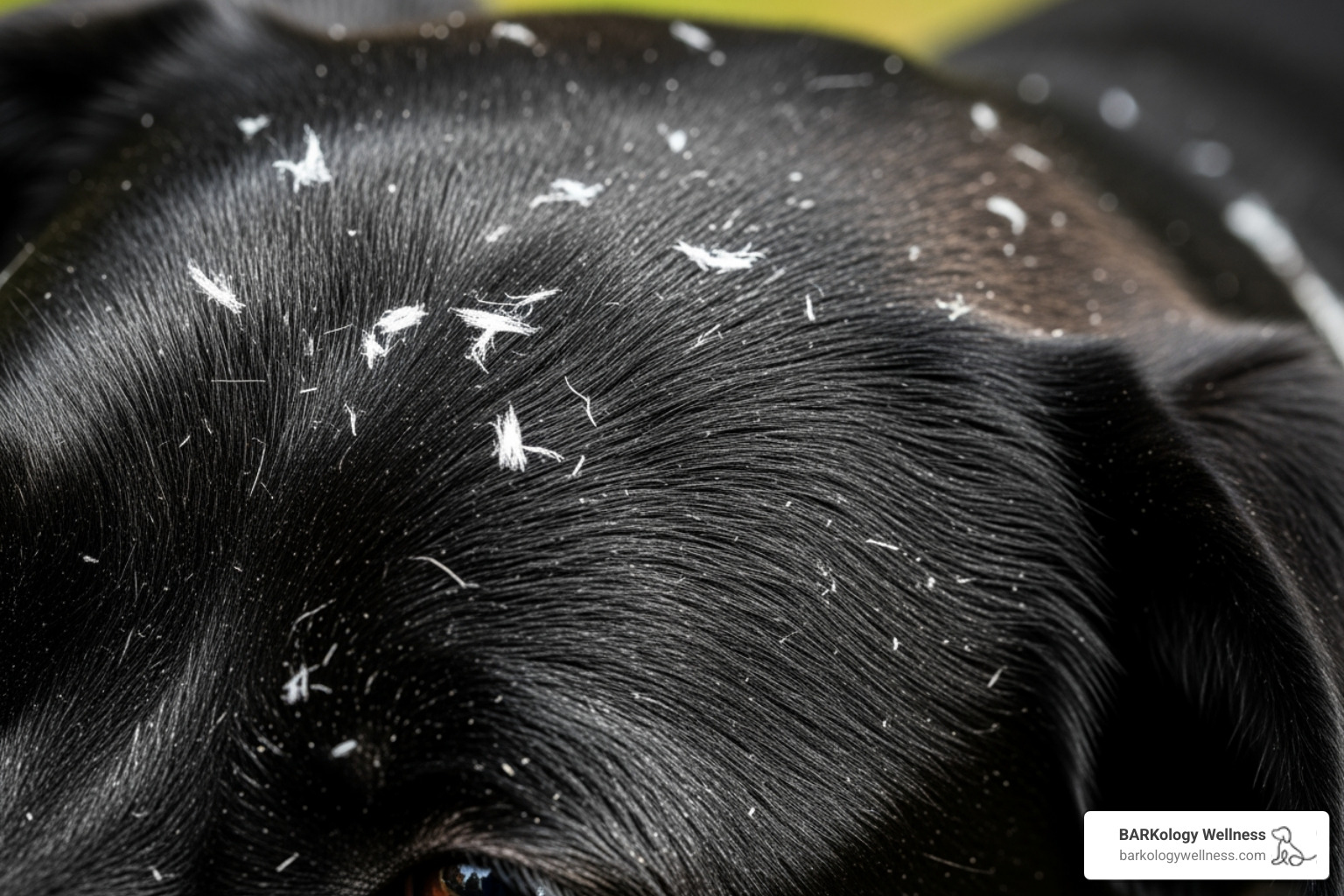
Identifying the problem is the first step toward a solution. Many owners in Tampa notice white "dust" on their dog's back or a sudden lack of shine. This is often medically referred to as seborrhea sicca, or "dry seborrhea." It’s essentially a fancy way of saying the skin is scaling and shedding at an accelerated rate.
If you are noticing these changes, it might be time to look into professional grooming services that prioritize skin health rather than just a quick haircut.
Why My Dog's Coat is Dry and Flaky: Identifying Dandruff
Dandruff in dogs occurs when the sebaceous glands, which produce oil, either under-produce or over-produce. When they under-produce, the skin becomes dry and brittle. You’ll typically see dandruff in dogs accumulating on the back, particularly near the base of the tail. These white flakes are simply dead skin cells that have clumped together. If you pet your dog and see a "snowfall" on your hand, you're looking at a classic case of canine dandruff.
Serious Signs: When My Dog's Coat is Dry and Flaky and Itchy
While a few flakes might be environmental, some symptoms suggest a deeper issue. If the flakiness is accompanied by intense scratching, it’s no longer just a cosmetic concern. Look for:
- Redness and inflammation: The skin looks "angry" or pinker than usual.
- Scabs and sores: Often a result of the dog scratching their own skin raw.
- Hair loss (Alopecia): Patches of thinning fur or total bald spots.
- Skin odor: A "musty" or "yeasty" smell often indicates a secondary infection.
- Excessive licking: Especially on the paws or belly.
| Symptom | Mild Dry Skin | Clinical Skin Infection |
|---|---|---|
| Flaking | Small, dry white flakes | Large, yellow or greasy scales |
| Itching | Occasional scratching | Constant, frantic scratching |
| Skin Color | Normal pink/black | Bright red or dark/thickened |
| Smell | None | Strong, unpleasant odor |
| Fur | Slightly dull | Brittle, falling out in clumps |
Common Causes: From Environmental Factors to Parasites
Living in Florida, we deal with unique environmental factors. While our humidity is usually high, the constant use of air conditioning in South Tampa can actually strip the moisture from your dog's skin. Conversely, in the rare "winter" months, central heating does the same.
Over-bathing is another common culprit. We love a clean pup, but washing your dog too frequently with harsh soaps can strip the natural sebum, leaving the skin defenseless. This is why our wellness services focus on pH-balanced, moisture-retaining treatments.
External Parasites and "Walking Dandruff"
Sometimes, those flakes aren't skin at all, they're alive! The Cheyletiella mite is a parasite that causes a condition known as "walking dandruff." To the naked eye, the flakes actually appear to move.
Other parasitic concerns include:
- Demodex mite: These live in the hair follicles and can cause mange when the immune system is stressed.
- Canine Scabies: Highly contagious mites that burrow into the skin, causing intense itching.
- Lice: Though less common, they can cause significant scaling.
- Flea Allergy Dermatitis: Even one flea bite can trigger a massive inflammatory response in sensitive dogs.
Bacterial and Fungal Infections
If the skin barrier is compromised by dryness, bacteria and fungi move in. Canine skin infections (pyoderma) often appear as small pimples or crusty "collarettes." Yeast overgrowth is another common issue, particularly in the humid Florida climate, leading to greasy, smelly skin. Ringworm, which is actually a fungus, can also cause circular patches of flaky hair loss.
Serious Health Issues and Breed Predispositions
In some cases, the reason my dogs coat is dry and flaky is systemic. The skin is the body's largest organ, and it often reflects what’s happening internally. Metabolic diseases like Cushing’s disease (overproduction of cortisol) or hypothyroidism (underactive thyroid) frequently manifest as dry, thinning hair and scaly skin.
Breeds Prone to Flaky Skin
Genetics play a huge role. Hairless breeds like the Xoloitzcuintli and Chinese Crested are naturally prone to dryness because they lack the protection of a coat. Other specific issues include:
- Zinc-responsive dermatosis: Common in Siberian Huskies and Alaskan Malamutes, where the body can't absorb zinc properly, leading to crusting around the eyes and mouth.
- Primary Seborrhea: A genetic condition in Basset Hounds and Cocker Spaniels where the skin cells regenerate too quickly.
- Autoimmune Diseases: Conditions like Pemphigus can cause the body to attack its own skin cells, leading to severe flaking and crusting.
When to See a Veterinarian
If you’ve tried adjusting the humidity and the diet, but the flakes remain, it’s time for a professional diagnosis. You should seek a vet if you notice:
- Persistent, non-stop itching.
- Skin that is bleeding or oozing.
- Lethargy or changes in appetite (suggesting a systemic disease).
- A foul odor that doesn't go away after a bath.
Your vet may perform diagnostic testing, such as skin scrapes to look for mites, or blood work to check thyroid and organ function.
Effective Treatments and Home Remedies
Treatment starts with restoring the moisture barrier. For mild cases, a dog skin moisturizer or a topical coconut oil massage can work wonders. Oatmeal baths are another fantastic home remedy; the avenanthramides in oats have natural anti-inflammatory properties that soothe "hot" skin.
For those looking for a consistent way to manage their dog's skin health, our wellness memberships provide regular access to specialized treatments that keep the coat in peak condition.
Nutritional Support and Supplements
What goes into your dog is just as important as what goes on them. Most commercial kibbles are high in Omega-6 but low in Omega-3, which can lead to inflammation. Adding skin care supplements rich in EPA and DHA is often the "magic bullet" for dry skin.
- Krill Oil: Highly bioavailable and often more effective than standard fish oil.
- Fish Oil: A classic source of Omega-3s.
- Specialized Diets: Products like Purina Pro Plan Veterinary Diets Skin Care are formulated specifically to support the skin's barrier function.
Professional Grooming and Maintenance
Regular brushing is the most underrated tool in your arsenal. It exfoliates the skin, removes dead hair that traps bacteria, and stimulates the production of natural oils. Furthermore, keeping up with flea and tick preventives is non-negotiable in Tampa to prevent the itching that leads to secondary infections.
Prevention: Maintaining a Lustrous Coat Year-Round
Prevention is always easier than cure. Start by feeding a high-quality, balanced diet from the time they are puppies. Ensure your dog always has access to fresh water, as hydration starts from the inside out.
Don't forget the environment! Using a humidifier in the room where your dog sleeps can prevent their skin from drying out during the night. Finally, stay consistent with preventatives to ensure parasites never get a foothold.
Frequently Asked Questions about Dog Dandruff
Can I use human dandruff shampoo on my dog?
No. Human skin has a different pH level than dog skin (humans are more acidic, while dogs are more neutral). Using human products can disrupt the "acid mantle" of your dog's skin, making it more susceptible to bacteria and actually worsening the dryness.
How often should I bathe a dog with dry skin?
Generally, every 2 to 4 weeks is ideal. If you bathe them more frequently, you risk stripping away the oils they need. If you bathe them less frequently, dead skin and allergens can build up. Always use a soap-free, moisturizing shampoo.
Does diet really affect my dog's coat?
Absolutely. The skin and coat use up to 25% of a dog's daily protein intake. If their diet is low quality or lacking in essential fatty acids (Omega-3 and Omega-6), the body will prioritize vital organs over the skin, resulting in a dull, flaky coat.
Conclusion
Dealing with a dry and flaky coat can be frustrating, but it’s a journey we’re here to help you navigate. At BARKology Wellness, we combine the luxury of a spa with the precision of science-based care. Whether your pup needs a soothing specialized bath, a nutritional consultation, or just a regular grooming routine to stay ahead of the flakes, our South Tampa team is ready to provide that royal treatment.
Don't let your dog suffer in silence with itchy, uncomfortable skin. Schedule a wellness consultation today and let's bring back that healthy shine!