
Why Physical Therapy for Dogs Can Change Your Pet's Life

Physical therapy for dogs, also called canine rehabilitation, is a structured, vet-guided approach to helping dogs recover from injury, surgery, or chronic conditions like arthritis.
Here's a quick overview of what it involves:
- What it is: Therapeutic exercises, manual techniques, hydrotherapy, and modalities like laser therapy adapted from human physical therapy
- Who it's for: Dogs recovering from surgery, managing arthritis or hip dysplasia, dealing with neurological conditions, or losing mobility with age
- Who provides it: Certified specialists such as a CCRP (Certified Canine Rehabilitation Practitioner) or CCRT (Certified Canine Rehabilitation Therapist)
- What to expect: An individualized treatment plan combining in-clinic sessions and at-home exercises
- Typical cost: Initial consultations range from $100–$350, with follow-up sessions ranging from $50–$300 depending on the modalities used
If you've ever watched your dog struggle to get up off the floor, favor a leg after a run, or slow down in ways that seem beyond just "getting older", you already know how hard it is to see them uncomfortable. The good news is that canine rehabilitation has helped dogs of all ages and conditions move better, hurt less, and enjoy life more.
I'm Nabilah Shamseddine, founder of BARKology Wellness, and my background in premium wellness and recovery services has given me a deep appreciation for how physical therapy for dogs can transform a pet's quality of life. In this guide, I'll walk you through everything you need to know to support your dog's mobility and recovery.
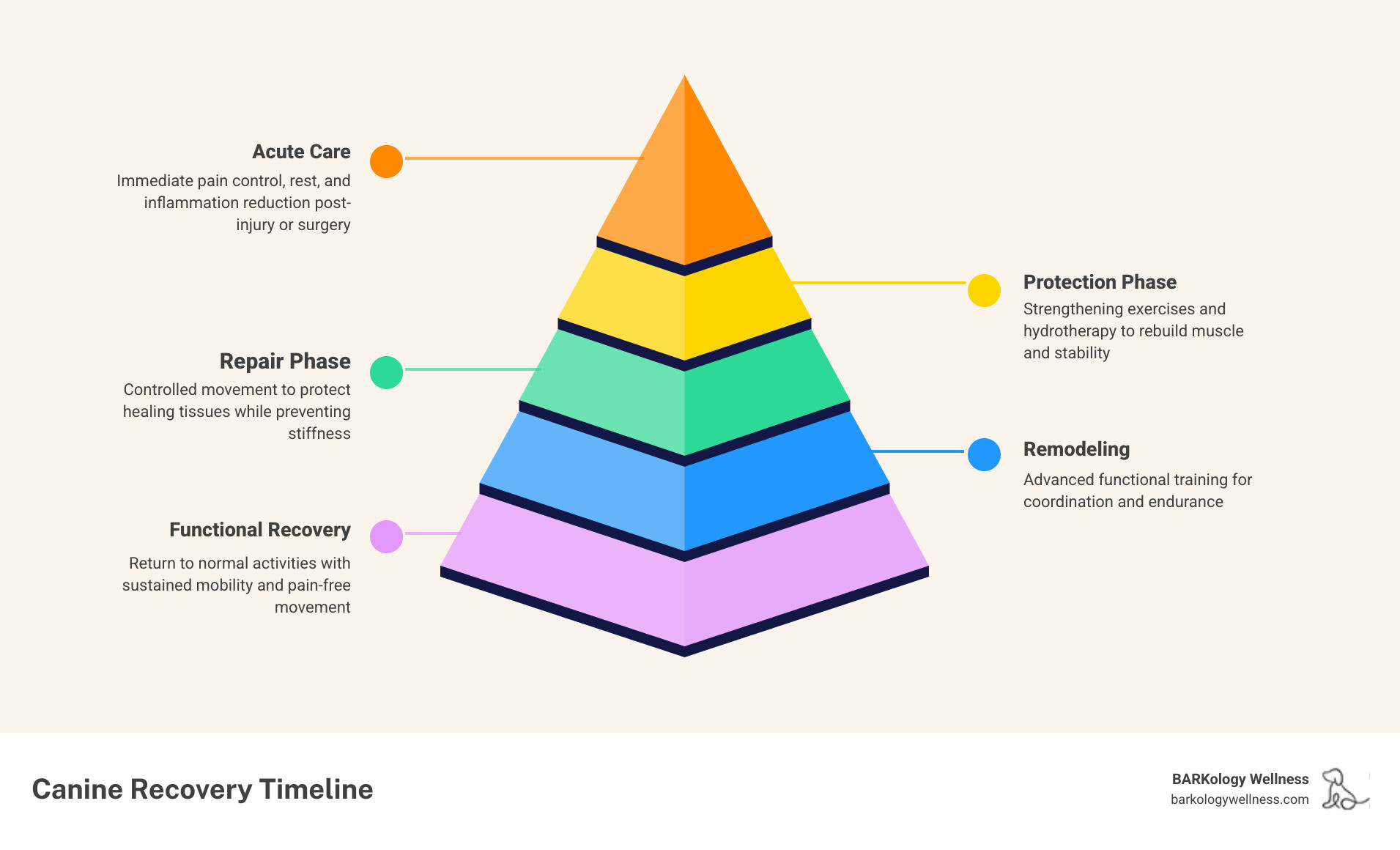
What is Canine Rehabilitation?
When we talk about physical therapy for dogs, we are technically referring to what the veterinary world calls "canine rehabilitation." Because the term "physical therapy" is legally protected for human medicine in many regions, veterinarians use rehabilitation to describe the professional adaptation of these human techniques to our four-legged friends.
At its core, rehabilitation is about restoring physical function and improving the overall quality of life. Whether a dog is recovering from a major surgery or simply losing muscle mass due to age, the goal remains the same: reduce pain and get them moving safely.
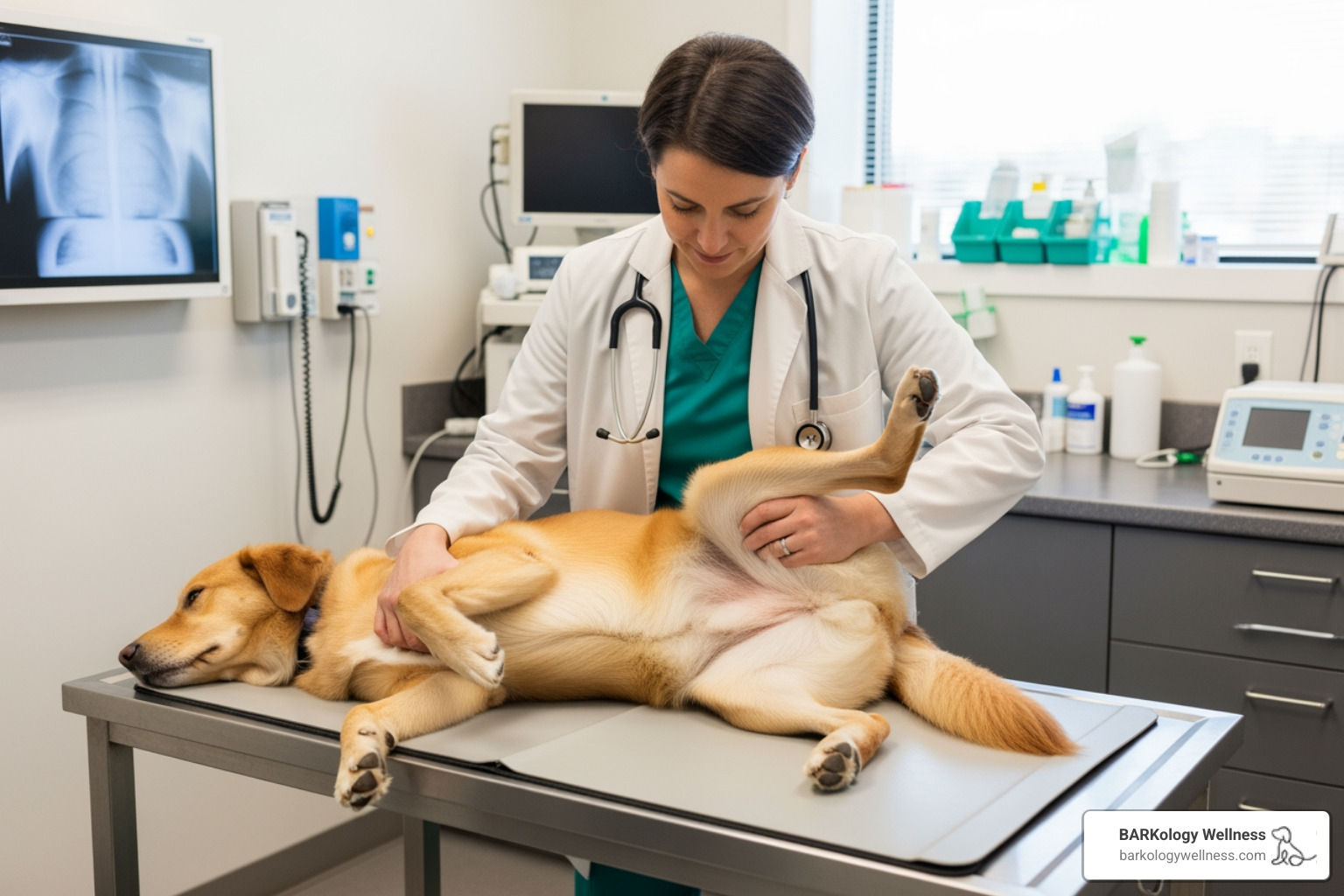
This isn't just a series of random stretches. True canine rehab requires professional veterinary oversight. You should look for specialists who hold specific certifications, such as a CCRP (Certified Canine Rehabilitation Practitioner) or a CCRT (Certified Canine Rehabilitation Therapist). These professionals have undergone extensive training in canine anatomy, biomechanics, and specialized treatment modalities.
In the Tampa and South Tampa area, we see many active dogs who benefit from this level of care. While we focus on the "pampering" side of health through our wellness services, understanding the clinical side of recovery is essential for any pet parent committed to their dog's long-term vitality.
Conditions Benefiting from Physical Therapy for Dogs
You might wonder if your dog actually needs rehab. While it is often associated with high-performance athletes or dogs recovering from "the big one" (like a broken bone), physical therapy for dogs is incredibly versatile.
Commonly treated conditions include:
- Post-operative recovery: Especially after orthopedic surgeries like CCL (Cranial Cruciate Ligament) repairs or TPLO (Tibial Plateau Leveling Osteotomy).
- Neurological disorders: Such as IVDD (Intervertebral Disc Disease) or degenerative myelopathy, where coordination and nerve function are compromised.
- Developmental issues: Hip and elbow dysplasia in younger, growing dogs.
- Chronic pain: Managing the daily stiffness of osteoarthritis.
- Weight management: Helping obese dogs exercise safely without overstressing their joints.
Pre-habilitation for Surgery
One of the most effective ways to use rehab is actually before a surgery takes place. This is called "pre-hab." By starting a program roughly six weeks before a scheduled procedure, we can improve surgical stability and strengthen the surrounding muscles. This proactive approach often leads to a significantly faster recovery. If a dog enters surgery with better muscle tone, they have a "head start" on the healing process once the bandages come off.
Managing Geriatric and Chronic Issues
For our senior residents in South Tampa, rehab is often about comfort. Osteoarthritis is a leading cause of decreased activity in older dogs. Through targeted therapy, we can improve joint flexibility and provide much-needed pain relief. Following the 2022 AAHA pain management guidelines, a multimodal approach, combining therapy, supplements, and weight control, is the gold standard for keeping senior pups happy.
Core Modalities and Physical Therapy for Dogs Techniques
In a professional rehab setting, therapists use a "toolbox" of different techniques. No two dogs get the same plan; a Chihuahua with a luxating patella needs a very different approach than a Labrador with a spinal injury.
Rehab Therapies and Modalities Comparison
| Category | Modality | Primary Benefit |
|---|---|---|
| Manual Therapy | Massage & Joint Mobilization | Increases circulation, reduces muscle tension |
| Therapeutic Exercise | Balance Boards & Cavaletti | Improves coordination, core strength, and proprioception |
| Hydrotherapy | Underwater Treadmill | Low-impact cardio; water buoyancy supports body weight |
| Electrotherapy | TENS / NMES | Pain control and preventing muscle atrophy |
| Thermal Therapy | Cryotherapy / Heat | Reduces swelling (cold) or increases blood flow (heat) |
Manual Therapy and Massage
Manual therapy involves the therapist using their hands to manipulate the dog's soft tissue and joints. This isn't just a "petting session", it's a multimodal approach to pain management that includes passive range of motion (pROM) exercises. By gently moving the limb through its natural range while the dog is relaxed, we can prevent joints from "freezing up" during periods of restricted activity.
Therapeutic Exercise and Equipment
This is where the "gym" aspect comes in. Using equipment like FitPaws balance bones or cavaletti rails (small hurdles), dogs learn to be more aware of where their paws are, a skill called proprioception. These exercises are vital for neurological recovery.
At BARKology, we believe that a dog who feels physically strong is also a dog who feels confident. This physical confidence often translates into better behavior and less anxiety. While your dog is working on their fitness, don't forget that keeping their coat and skin healthy is part of that overall "feel-good" factor; you can learn more about our grooming and skin health services to round out their care routine.
Supporting Recovery: At-Home Care and Costs
The work done in the clinic is only half the battle. The most successful recovery stories come from owners who are consistent with their "homework."
At-Home Physical Therapy for Dogs and Exercises
Your therapist will likely teach you simple exercises to perform 2–3 times a day. These might include:
- Controlled Leash Walks: Slow, "sniff-and-stroll" walks on flat surfaces (like the sidewalks in South Tampa) to encourage even weight-bearing.
- Gentle Stretching: Only as demonstrated by your CCRP to avoid overextension.
- Sit-to-Stands: Basically "dog squats" to build rear-end strength.
Home Safety Tips for Recovery:
- Use Rugs: Place non-slip runners over hardwood or tile floors to prevent "Bambi-on-ice" slips.
- Block Stairs: Use baby gates to prevent unsupervised climbing.
- Support Slings: Use a harness or towel under the belly to help your dog stand or go potty.
- Controlled Environment: Limit the dog to a small, carpeted room to prevent zoomies that could re-injure a surgical site.
The Role of Nutrition and Enrichment
Recovery is a whole-body process. Dogs on restricted activity can get bored and frustrated, which is why enrichment during confinement is so important. Use puzzle feeders and brain games to keep them mentally tired.
Furthermore, nutrition plays a massive role in healing. Diets rich in Omega-3 fatty acids (like fish oil) help reduce systemic inflammation, while adequate protein supports muscle repair. Always consult your vet before changing their diet during recovery.
Understanding the Cost of Care
Let's talk numbers. Physical therapy for dogs is an investment in their longevity. While prices vary by clinic and the specific needs of the dog, here is what you might see on a schedule of fees:
- Initial Evaluation: $150–$350 (usually a 60–90 minute deep dive).
- Follow-up Sessions: $50–$150 per session.
- Hydrotherapy (Underwater Treadmill): Typically $50–$100 per 20–30 minute session.
- Laser Therapy: Often $40–$80 as a standalone treatment or bundled into a session.
- Acupuncture: National averages sit around $150 per session.
Frequently Asked Questions about Canine Rehab
How long does a typical session last?
Most professional rehabilitation sessions last between 30 and 60 minutes. This usually includes a mix of "active" time (like the treadmill or exercises) and "passive" time (like massage, laser therapy, or icing).
Is physical therapy safe for all dogs?
Generally, yes, but it must be tailored. For example, certain modalities like laser therapy or therapeutic ultrasound should never be used directly over a known tumor or in dogs with certain heart conditions. This is why a professional diagnosis and referral from your primary vet are non-negotiable.
How do I find a qualified specialist?
Look for practitioners certified by the Canine Rehabilitation Institute or the University of Tennessee. You can search directories provided by the American Association of Rehabilitation Veterinarians to find a certified professional in the Tampa area.
Conclusion
Helping your dog move better is one of the greatest gifts you can give them. Whether it’s recovering from a TPLO surgery or simply helping an old friend navigate the stairs more easily, physical therapy for dogs offers a path to a more comfortable, active life.
At BARKology Wellness, we are dedicated to the holistic health of Tampa's dogs. We believe that when a dog looks good, feels good, and moves well, they truly thrive. From our luxury grooming to our focus on overall pet wellness, we are here to support your journey in providing royal treatment for your loyal companion.
If you’re ready to prioritize your dog’s long-term health and mobility, consider joining our wellness membership. Together, we can ensure your pup stays "pawsitively fit" for years to come.