
When Your Dog Can't Relax: Real Solutions for Anxious Dogs
Solutions for anxious dogs range from simple daily habits to professional support, and most owners can start seeing improvement within a few weeks. Here's a quick overview:
| Approach | Examples | Best For |
|---|---|---|
| Routine & exercise | Daily walks, consistent feeding times | Most anxiety types |
| Sensory therapies | Calming music, massage, safe aromatherapy | Noise & general anxiety |
| Behavioral training | Desensitization, counterconditioning | Separation & fear-based anxiety |
| Calming tools | Thundershirt, pheromone diffusers | Situational anxiety |
| Supplements | Probiotics, L-theanine, CBD (vet-guided) | Mild to moderate anxiety |
| Veterinary support | Prescription medication, behaviorist referral | Severe or chronic anxiety |
An estimated 70% of dogs display anxiety-related behaviors at some point in their lives. If you've ever come home to chewed furniture, a trembling dog during a thunderstorm, or a pet that can't settle when you leave the room, you already know how real this is.
Anxiety doesn't just make dogs miserable in the moment. Left unmanaged, it can affect their long-term health, behavior, and quality of life. The good news? It's highly treatable with the right combination of approaches.
This guide covers everything from identifying the signs early to building a calm, confident dog, naturally and effectively.
I'm Nabilah Shamseddine, entrepreneur and leader at BARKology Wellness, where my work centers on creating premium, stress-free experiences for dogs and their owners, making solutions for anxious dogs a core part of what we do every day. From years of experience in wellness and pet care operations, I've seen how the right environment and consistent care can transform an anxious dog's life.
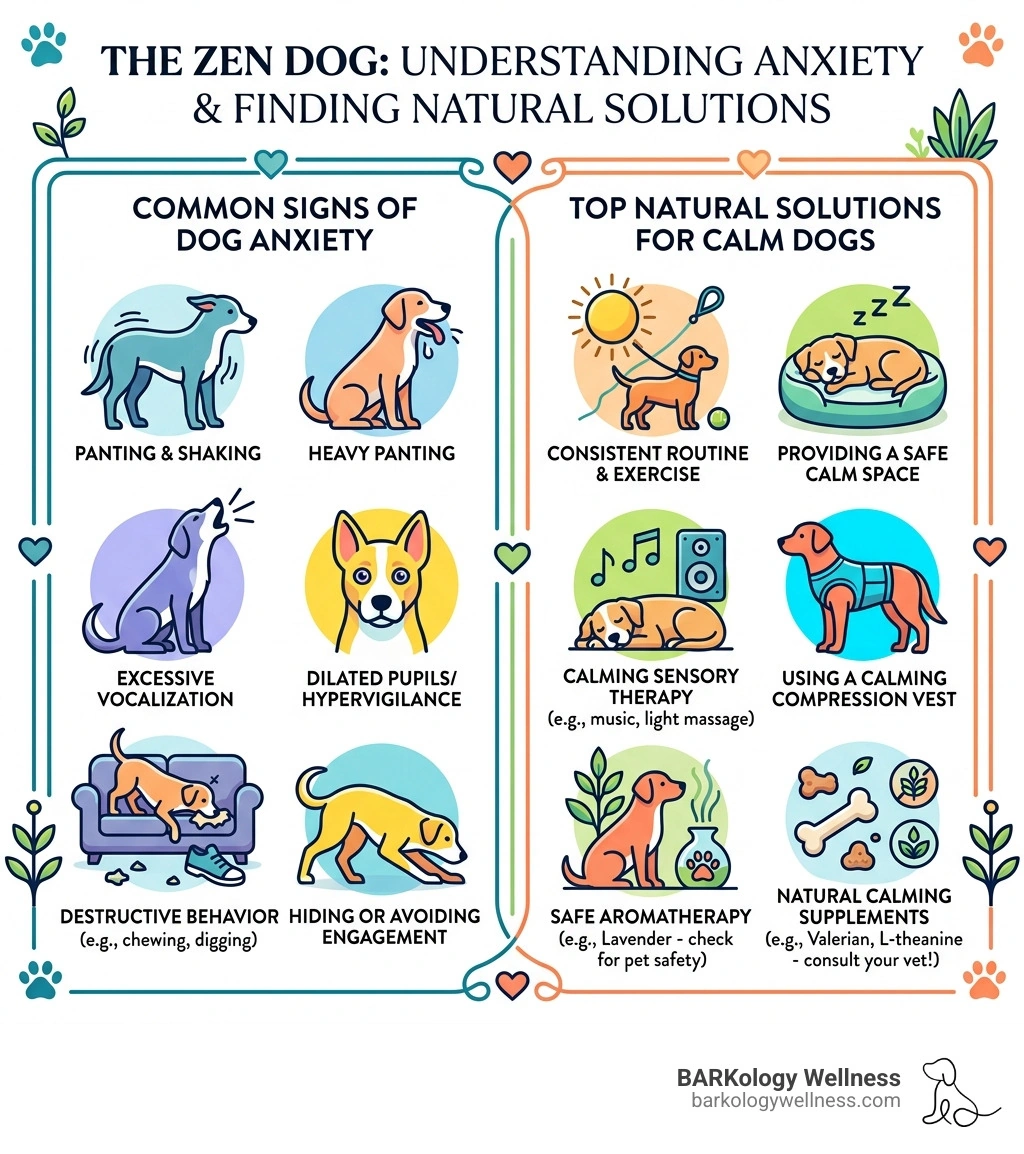
Simple guide to solutions for anxious dogs:
Identifying Signs and Triggers of Canine Anxiety
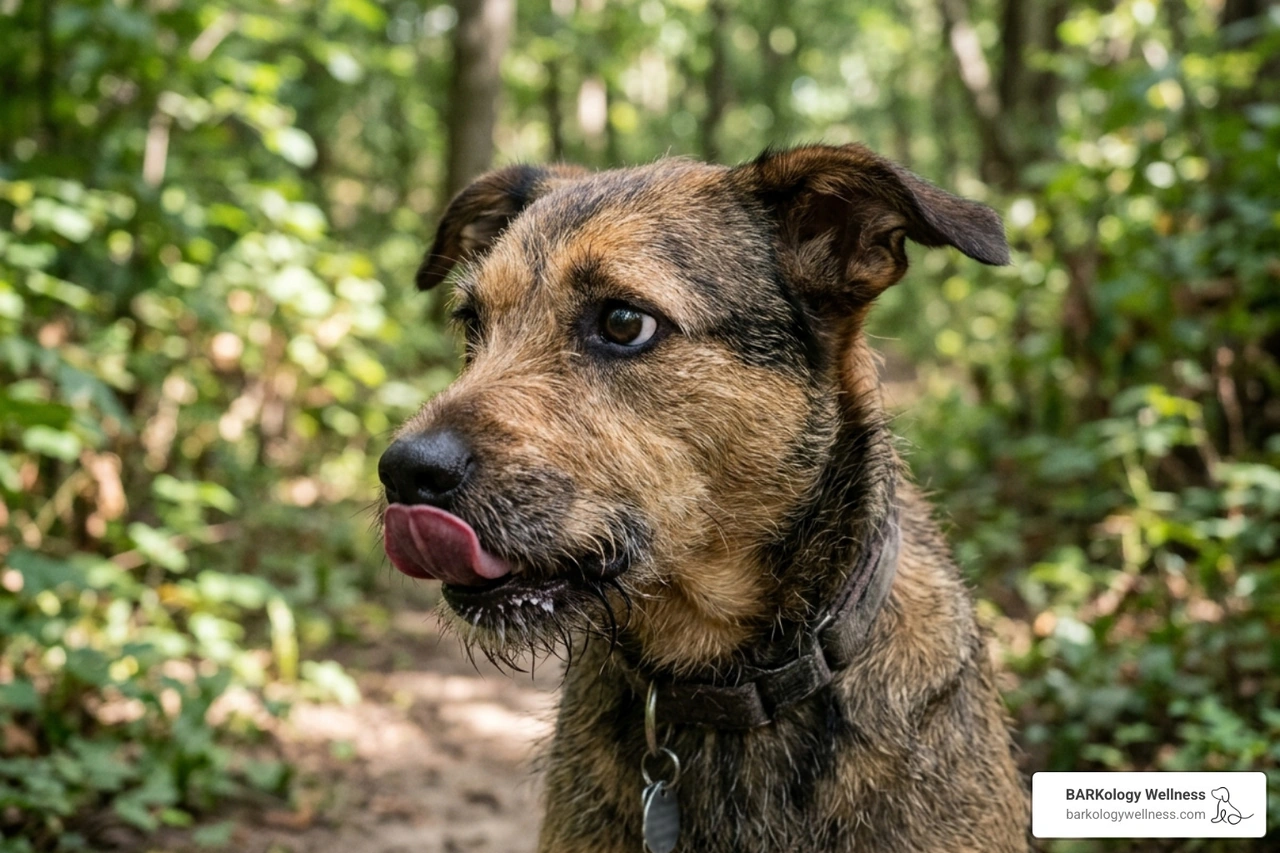
Before we can implement solutions for anxious dogs, we must first learn to speak "dog." Anxiety in our companions isn't always as obvious as a loud howl or a shredded rug. Sometimes, it’s written in the subtle flick of a tongue or the way a dog’s ears pin back when they hear the car keys jingle.
Common behavioral symptoms include:
- Excessive Barking or Howling: Often a vocalization of distress when left alone.
- Destructive Chewing: Dogs use their mouths to relieve tension, which can result in "renovated" door frames or blinds.
- Pacing and Restlessness: An inability to find a comfortable spot to settle.
- Panting and Drooling: Even when it isn't hot, a stressed dog may pant heavily or leave "puddles" of saliva.
- House Accidents: Urinating or defecating indoors, especially if the dog is otherwise fully house-trained.
Understanding the why is just as important as the what. Common triggers include separation anxiety, which is the most frequent stressor in dogs. Interestingly, research shows that dogs adopted from shelters are significantly more likely to experience separation anxiety than those who have been with one family since puppyhood. This is often due to the trauma of multiple rehomings or abandonment.
Other triggers include noise phobias (fireworks, thunderstorms, or even the hum of a vacuum) and routine changes. Dogs are creatures of habit; a shift in your work schedule or moving to a new home in South Tampa can send their stress levels skyrocketing. For a deeper dive into the origins of these behaviors, check out this guide on Managing Anxiety In Dogs: Your Ultimate Guide.
Differentiating Anxiety from Boredom or Medical Issues
It is a common mistake to label a bored dog as an anxious one. A dog that digs up the garden because they haven't had a walk in three days is likely just bored. However, if that same dog is trembling and hiding under the bed, you're dealing with fear.
We also have to consider medical problems. Cognitive Dysfunction Syndrome (CDS) is a condition that affects senior dogs, similar to dementia in humans. A senior dog who is suddenly anxious at night, vocalizing, or appearing "lost" in corners may be experiencing age-related brain changes rather than standard anxiety.
Physical pain can also mimic anxiety. A dog with hip dysplasia might pace because they can't get comfortable, not because they are worried. Always rule out the physical before assuming the psychological. Veterinary diagnostics, including blood work and physical exams, are the first step in any comprehensive plan for solutions for anxious dogs.
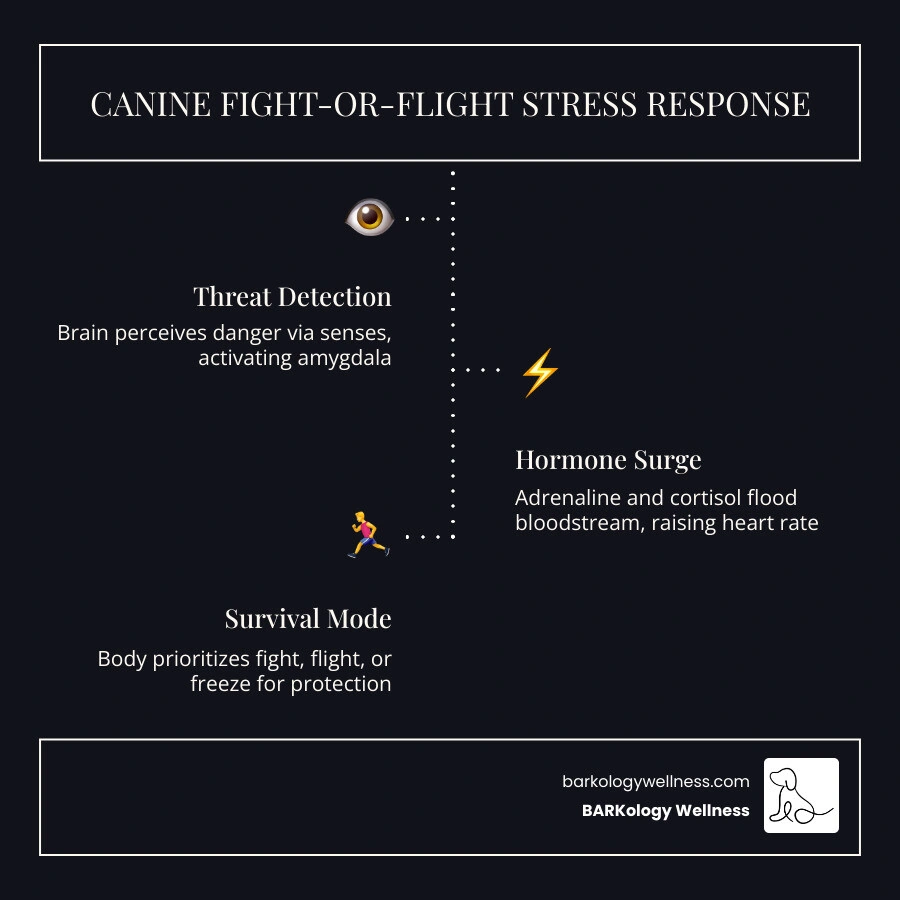
Holistic Solutions for Anxious Dogs: Creating a Calm Foundation
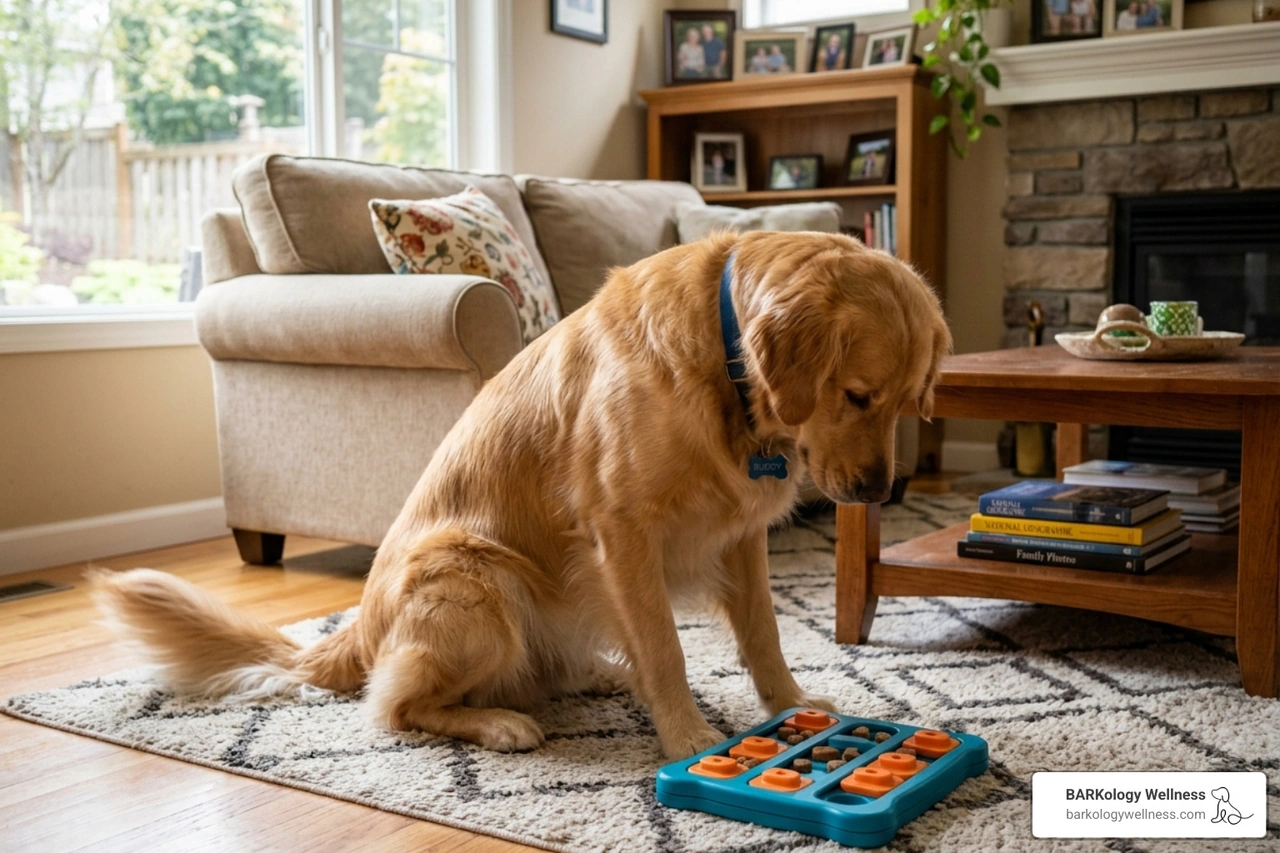
The secret to a "Zen Dog" isn't a magic pill; it’s a foundation of predictability. Dogs thrive when they know exactly what to expect. By creating a predictable routine, you lower their baseline stress. This means feeding, walking, and "lights out" should happen at roughly the same time every day.
Physical exercise is a non-negotiable. As the saying goes, "a tired dog is a happy dog." Aerobic exercise produces endorphins that naturally combat stress. Try to schedule a vigorous play session or a long walk before you know an anxiety trigger is coming, such as before you leave for work or before a predicted Florida thunderstorm.
However, physical exercise isn't enough. Mental stimulation is often the missing piece of the puzzle. Scent games (hiding treats around the living room) or puzzle toys (like a frozen KONG) engage the "seeking" part of the brain, which is incompatible with the "fear" part.
Daily Calming Activities List:
- Sniffari: A walk where the dog leads with their nose, stopping to sniff as much as they want.
- Lick Mats: Licking is a self-soothing behavior that lowers a dog's heart rate.
- Settle Training: Rewarding your dog for simply lying down and being calm.
- Environmental Enrichment: Rotating toys so the "old" ones feel new and exciting.
Implementing Technology and Wearable Solutions for Anxious Dogs
In April 2026, we have more tools than ever to manage pet stress. GPS trackers with bark monitoring allow us to see if our dogs are spiraling while we are away. If you get an alert that your dog is barking excessively at 10:00 AM, you can use a remote camera to talk to them or toss a treat to interrupt the anxiety cycle.
Compression wraps and anxiety vests (like the Thundershirt) work on the principle of "maintained pressure." Much like swaddling a baby or using a weighted blanket, these garments provide a sense of security. Research suggests an 80% improvement rate for noise-anxious dogs when using these wraps.
Pheromone diffusers (such as Adaptil) are another fantastic tool. These devices release a synthetic version of the pheromone a mother dog produces to calm her puppies. It’s a scent-based "all clear" signal that humans can't smell but dogs certainly can.
Sensory Therapies: Essential Oils, Music, and Massage
Sensory therapy is about changing the environment to change the mood. Music therapy has shown remarkable results in clinical studies. Classical music, particularly harp music, acts as a natural sedative. There are even specific compositions, like Through a Dog’s Ear, designed with frequencies that appeal to the canine nervous system. White noise machines are also effective for "masking" scary sounds like street traffic or thunder.
Canine massage is another powerful tool for solutions for anxious dogs. By using long, slow strokes starting from the neck and moving down the spine, you can help your dog release muscle tension and trigger the release of oxytocin (the "bonding hormone").
Aromatherapy, when done correctly, can be a game-changer. Lavender oil and Chamomile are the gold standards for canine relaxation. These oils can reduce heart rate and help a dog settle into a deeper sleep. For more evidence-based takes on what really moves the needle, see Dog Anxiety: What Actually Works.
Safe Application of Essential Oils for Pets
Safety is paramount when using essential oils. A dog's sense of smell is roughly 10,000 to 100,000 times more acute than ours. What smells "faint" to you is a "fragrance explosion" to them.
- Dilution is Key: Never apply undiluted essential oils directly to your dog's skin. Always use a carrier oil like coconut or almond oil.
- Diffusion Methods: Use a water-based diffuser for short periods (15-30 minutes). Always ensure the dog can leave the room if the scent becomes overwhelming.
- Toxicity Prevention: Avoid oils like tea tree, peppermint, and cinnamon, which can be toxic to dogs. Stick to high-quality, therapeutic-grade Lavender or Valerian.
- Calming Mists: You can create a "bedtime spray" by mixing a few drops of lavender with water in a spray bottle and lightly misting your dog's bedding.
Behavioral Modification and Professional Support
When environmental changes aren't enough, we look to behavioral science. The two pillars of treatment are desensitization and counterconditioning.
- Desensitization: Gradually exposing your dog to a scary stimulus at a very low level. For example, playing a recording of thunder at a volume so low the dog barely notices, then slowly increasing it over weeks.
- Counterconditioning: Changing the dog’s emotional response to a trigger. If the dog is afraid of the mail carrier, the mail carrier's arrival should result in the dog getting their favorite high-value treat (like boiled chicken).
Crate training is often misunderstood as a "punishment box." In reality, a properly trained crate is a "den", a safe zone where the dog can go when the world feels too big. Fill it with comfortable bedding, a pheromone-infused toy, and never use it for time-outs.
| Remedy Type | Examples | Pros | Cons |
|---|---|---|---|
| Natural | CBD, L-theanine, Probiotics | Low side effects, holistic | May take 4-8 weeks to work |
| Prescription | Fluoxetine, Trazodone | Fast-acting for severe cases | Potential side effects, requires RX |
| Mechanical | Thundershirts, ZenCrates | Immediate use, no ingestion | Doesn't work for all dogs |
Long-Term Lifestyle Solutions for Anxious Dogs
For dogs with deep-seated fears, a long-term strategy is essential. This often involves independence training. If your dog follows you from room to room (the "Velcro dog" syndrome), practice having them stay on a mat while you move out of sight for just a few seconds, gradually increasing the time.
Calming supplements can also provide a "bridge" to help your dog reach a state of mind where they can actually learn. Ingredients like L-theanine (found in green tea), Solliquin, and Zylkene (derived from milk protein) are vet-recommended options that don't sedate but do take the edge off. Interestingly, the gut-brain axis plays a role here too; certain probiotics, like Purina Pro Plan Calming Care, have been shown to reduce anxious behaviors by balancing the microbiome.
If you are in the Tampa area and find that home remedies aren't enough, it may be time to consult a professional. At BARKology, we believe that wellness is a 360-degree approach. You can find More info about wellness services on our site, where we focus on creating a serene, low-stress environment for every pup.
Frequently Asked Questions
What are the most common triggers for sudden dog anxiety?
The most common triggers are loud noises (thunder, fireworks), changes in the household (a new baby, a new pet, or a move), and changes in the owner's routine (returning to the office after working from home). In senior dogs, sudden anxiety is often linked to physical pain or cognitive decline.
Can essential oils completely cure my dog's separation anxiety?
While essential oils like lavender are excellent "solutions for anxious dogs" for providing temporary relief and relaxation, they are rarely a "cure" for deep-seated separation anxiety on their own. They work best as part of a multi-modal approach that includes behavioral training and environmental management.
When should I talk to a vet about prescription anxiety medication?
You should consult your vet if your dog’s anxiety is resulting in self-injury (licking paws raw, breaking teeth on a crate), extreme household destruction, or if their quality of life is visibly suffering. Medication can often "lower the volume" of the anxiety so that behavioral training can actually become effective.
Conclusion
Managing an anxious dog requires three things: consistency, patience, and a holistic perspective. There is no one-size-fits-all "fix," but by combining predictable routines, mental enrichment, and sensory therapies like aromatherapy and music, you can help your companion find their inner peace.
At BARKology Wellness, we specialize in providing that serene, royal treatment that helps even the most nervous pups feel at home. Whether it's through a specialized bath or a quiet grooming session, we are here to support your dog's journey to becoming a Zen Dog. For more information on how we can help your pup feel their best, explore More info about grooming services.
Your dog isn't being a problem; they are having a problem. With the right solutions for anxious dogs, you can help them navigate the world with confidence and calm.