
When Your Dog Won't Stop Scratching: A Guide to Allergy Medications for Dogs
Allergy medications for dogs range from fast-acting prescription drugs to simple over-the-counter antihistamines, and knowing which one fits your dog's situation can make a real difference in their comfort and quality of life.
Here is a quick overview of the most common options:
| Medication | Type | Speed of Relief | Requires Prescription? |
|---|---|---|---|
| Apoquel (oclacitinib) | JAK inhibitor | 4–48 hours | Yes |
| Cytopoint | Injectable biologic | Within days | Yes (vet-administered) |
| Zenrelia (ilunocitinib) | JAK inhibitor | Fast-acting | Yes |
| Atopica (cyclosporine) | Immunosuppressant | Weeks | Yes |
| Prednisone/Prednisolone | Corticosteroid | 1–2 days | Yes |
| Benadryl (diphenhydramine) | Antihistamine | Hours | No |
| Zyrtec (cetirizine) | Antihistamine | Hours | No |
| Claritin (loratadine) | Antihistamine | Hours | No |
| Omega-3 supplements | Supportive | Up to 6 weeks | No |
| Allergen immunotherapy | Long-term | 6–12 months | Yes |
If you have ever watched your dog scratch endlessly, chew their paws raw, or shake their head from ear irritation, you know how hard it is to see them uncomfortable. Dogs experience allergies differently from humans, mostly through their skin rather than sneezing or watery eyes. That makes the symptoms easy to miss or confuse with other conditions.
The good news is that there are more effective treatment options available today than ever before. The challenge is figuring out which one is right for your dog.
This guide breaks down everything you need to know, from prescription medications and safe over-the-counter options to natural remedies and what to never give your dog.
I'm Nabilah Shamseddine, founder of BARKology Wellness, and through my work building premium pet wellness experiences, I've seen how unmanaged allergies affect a dog's overall health and happiness, and how the right approach to allergy medications for dogs can transform their quality of life. Let's walk through what actually works.
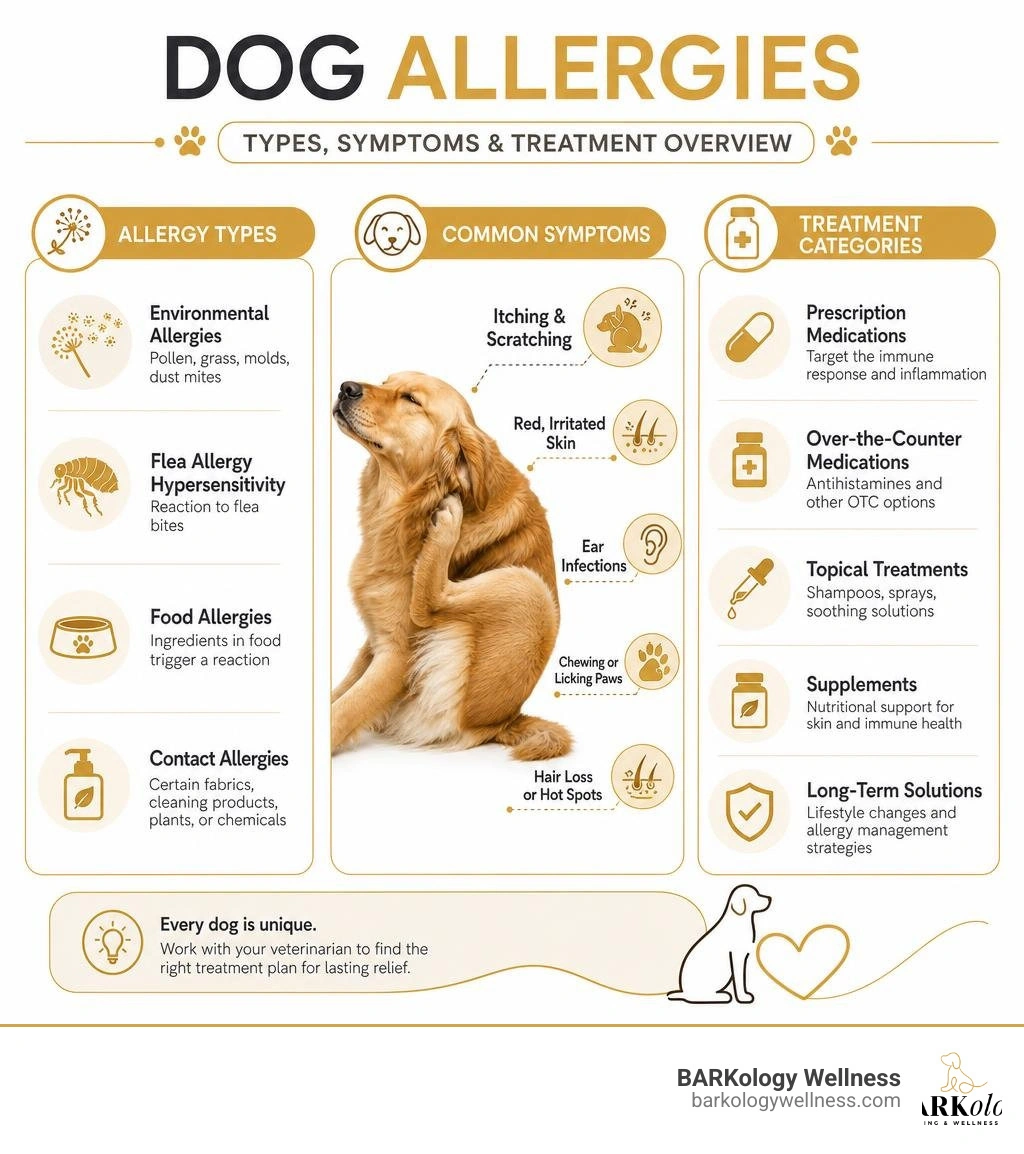
Know your allergy medications for dogs terms:
Recognizing Seasonal Allergy Symptoms in Dogs
To choose the right allergy medications for dogs, we first have to recognize what canine allergies look like. Unlike humans, who spend allergy season sneezing into tissues, dogs express their allergies through their skin. When a dog inhales or comes into contact with environmental allergens like pollen, mold, or dust mites, it triggers a cascade of inflammation in their skin barrier.
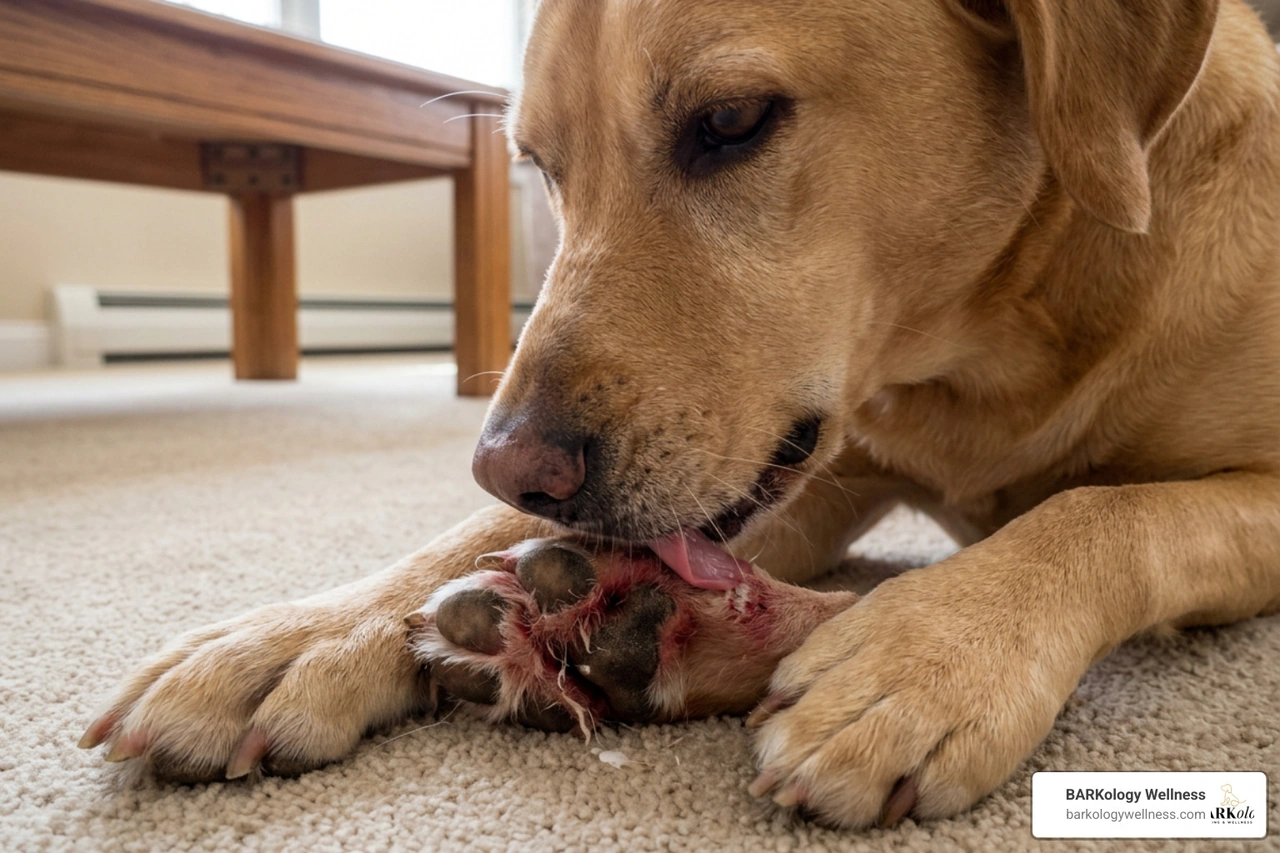
This condition is known as canine atopic dermatitis, a chronic inflammatory skin disease. In dogs with atopic dermatitis, the skin barrier is inherently defective. Think of it like a brick wall with missing mortar: it allows microscopic allergens to penetrate deep into the skin, causing the immune system to overreact.
The primary symptom of this struggle is pruritus (the medical term for itching). When a dog experiences severe pruritus, they do not just scratch with their hind legs. You will also see:
- Compulsive paw licking and chewing: Dogs often focus on their front paws, licking them until the fur turns a rusty brown color from the porphyrin proteins in their saliva.
- Face rubbing: Rubbing their muzzle, eyes, and ears against the carpet, furniture, or your legs.
- Red, inflamed skin: Especially around the belly, groin, armpits, and between the toes.
- Chronic ear infections: The ear canal is lined with skin, making it a prime target for allergic inflammation. If your dog is constantly shaking their head or has smelly, red ears, allergies are the likely culprit.
- Flea allergy dermatitis: This is an extreme allergic reaction to flea saliva. A single flea bite can send an allergic dog into a scratching frenzy, typically concentrated around the base of the tail and lower back.
If your pup is constantly scratching, finding immediate itchy skin dog relief becomes your number-one priority.
Seasonal Allergies vs. Other Skin Conditions
Not every itch is a seasonal allergy. Before starting any treatment plan, we must distinguish seasonal environmental allergies from other common skin conditions:
- Contact Dermatitis: This occurs when your dog's skin physically touches an irritating substance, such as a harsh lawn chemical, carpet cleaner, or certain synthetic fabrics. The rash is usually localized strictly to the areas of thin hair that touch the ground (like the belly and paws).
- Food Allergies: While environmental allergies are seasonal (or worsen during high-pollen months), food allergies cause year-round itching. Interestingly, food allergies in dogs are much less common than environmental allergies. When they do occur, they are typically triggered by the protein source in their food (such as chicken or beef) and are often accompanied by chronic gastrointestinal issues like soft stools or flatulence.
- Hot Spots: Also known as acute moist dermatitis, hot spots are localized, red, wet, and highly painful skin infections that develop rapidly. They are often triggered by intense scratching or chewing at a single spot due to an underlying allergy or insect bite. If your dog has developed one of these painful lesions, you will need to focus on targeted hot spot treatment dog care alongside systemic allergy management.
Prescription Allergy Medications for Dogs: How They Work
When environmental allergies transition from a mild seasonal annoyance to a chronic quality-of-life issue, over-the-counter options rarely cut it. This is where modern veterinary medicine shines. Today, we have sophisticated, targeted prescription allergy medications for dogs that stop the itch at a cellular level rather than just masking the symptoms.
Understanding how these medications work can help you have an informed conversation with your veterinarian about finding the best anti itching medication for dogs.
- Oclacitinib (Apoquel): Apoquel is a synthetic Janus kinase (JAK) inhibitor. Specifically, it targets JAK1 and JAK3 enzymes, which are responsible for releasing pruritogenic (itch-inducing) and pro-inflammatory cytokines (like interleukin-31). By blocking these cellular pathways, Apoquel stops the itch signal before it ever reaches your dog's brain.
- Ilunocitinib (Zenrelia): Zenrelia is a newer, non-selective JAK inhibitor approved by the FDA to control pruritus associated with allergic and atopic dermatitis in dogs. Like Apoquel, it targets the cytokines involved in the itch-and-inflammation cycle. However, because of its broad JAK inhibition, it requires careful veterinary oversight, particularly regarding vaccine schedules. For more details on its clinical use, you can review the FDA-approved Zenrelia prescribing info.
- Cyclosporine (Atopica): Atopica is a systemic immunosuppressant that targets T-lymphocytes. It suppresses the immune system's overactive response to environmental allergens. While highly effective, it works slowly, often taking several weeks to reach full therapeutic effect.
- Corticosteroids (such as Prednisone or Prednisolone): Steroids are broad-spectrum anti-inflammatories. They work rapidly to shut down the entire inflammatory response. However, because they affect almost every system in the body, they are generally reserved for short-term "breakout" relief rather than long-term daily management.
Comparing Advanced Allergy Medications for Dogs
To help you visualize how these advanced prescription treatments stack up against one another, let's look at their primary mechanisms, administration styles, and general cost profiles.
| Medication | Mechanism of Action | How It Is Given | Speed of Action | Best Used For | Cost Profile |
|---|---|---|---|---|---|
| Apoquel | JAK1/JAK3 Inhibitor | Daily oral tablet (or chewable) | 4 to 48 hours | Quick relief and long-term daily maintenance | Moderate to High |
| Cytopoint | Monoclonal Antibody (targets IL-31) | Injection by a vet (every 4–8 weeks) | 24 to 72 hours | Dogs with liver/kidney issues, or owners who struggle to give pills | Moderate to High (varies by dog weight) |
| Zenrelia | Non-selective JAK Inhibitor | Daily oral tablet | Rapid | Fast-acting itch control in dogs over 1 year | Moderate |
| Atopica | Calcineurin/T-Cell Inhibitor | Daily oral capsule | 4 to 6 weeks | Chronic, severe atopic dermatitis | High |
Each of these medications has revolutionized veterinary dermatology, but they must be selected based on your dog's age, medical history, and specific lifestyle. For example, the Official Apoquel Chewable drug label explicitly states that the drug must not be used in dogs under 12 months of age or those with serious active infections, as it can modulate the immune system and potentially increase susceptibility to infection or demodicosis.
Similarly, Zenrelia carries a strict boxed warning regarding vaccinations: because it suppresses the immune response, dogs must have a 28-day buffer before and after receiving any vaccines (including rabies) to avoid vaccine failure or severe adverse reactions.
Long-Term Risks of Steroids and Immunosuppressants
While medications like prednisone, prednisolone, or combination tablets containing trimeprazine tartrate and prednisolone (such as Temaril-P) are incredibly effective at stopping severe itching instantly, they come with a catch.
Corticosteroids are systemic drugs. Short-term side effects are common and include:
- Polydipsia (increased thirst)
- Polyuria (increased urination)
- Polyphagia (ravenous appetite)
- Lethargy or panting
If a dog remains on steroids long-term, the risks become much more severe. Prolonged use can lead to muscle wasting, skin thinning, increased susceptibility to infections, and iatrogenic Cushing's disease (hyperadrenocorticism). It can also cause adrenal suppression, meaning the dog's body stops producing its own natural cortisol. Because of this, you must never stop steroid therapy abruptly; the dose must be slowly and carefully tapered under a vet's guidance.
For combination therapies, refer to the Official Trimeprazine with Prednisolone label to understand the exact weight-based dosing and tapering protocols required to protect your dog's endocrine system.
Over-the-Counter Antihistamines and Toxic Medications to Avoid
If your dog is only dealing with mild, occasional seasonal itchiness, or if you are trying to manage a minor flare-up over the weekend, over-the-counter (OTC) antihistamines might cross your mind.
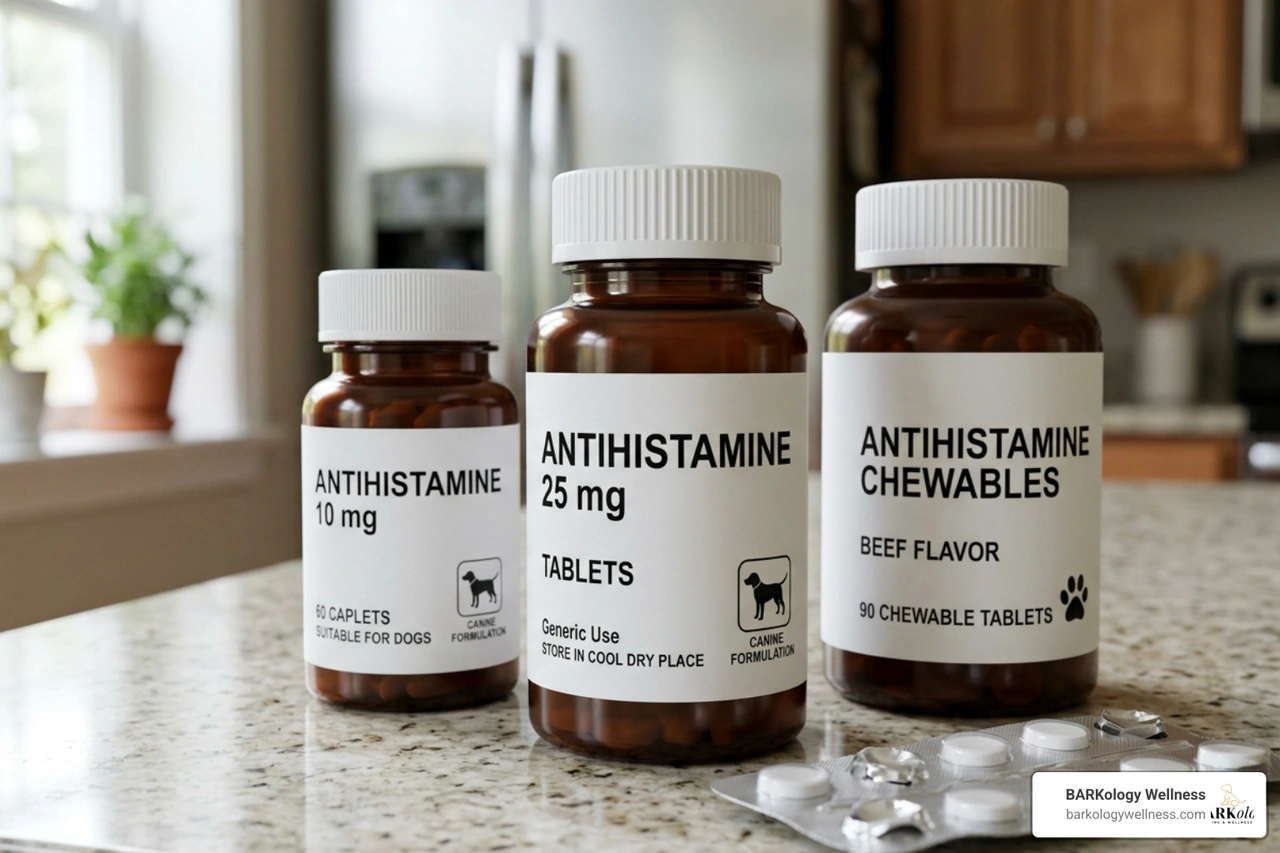
Antihistamines work by blocking H1 histamine receptors. In humans, histamine is the primary chemical messenger involved in allergic reactions. In dogs, however, other inflammatory pathways (like the IL-31 pathway targeted by Apoquel and Cytopoint) play a much larger role. As a result, antihistamines only provide mild to moderate relief for about 15% to 30% of dogs with chronic atopic dermatitis.
Nevertheless, they can be a safe, low-cost component of a multimodal allergy plan. Common safe OTC antihistamines include:
- Diphenhydramine (Benadryl): Standard dosing is typically 1 mg per pound of body weight, given two to three times daily. Always check the active ingredients to ensure it is pure diphenhydramine. You can review safety guidelines on the Official Diphenhydramine HCl label.
- Cetirizine (Zyrtec): Often better tolerated and longer-lasting than Benadryl, typically dosed once daily.
- Loratadine (Claritin): Another non-drowsy option that can assist with mild environmental itchiness.
Before starting any OTC regimen, consult your vet to establish a safe dosage and ensure the antihistamine integrates well with other dog skin treatments your pet may be receiving.
Human Medications That Are Toxic to Dogs
While some human antihistamines are safe, many OTC human allergy and cold medications contain active ingredients that are highly toxic, and potentially fatal, to dogs.
- Pseudoephedrine and Phenylephrine: These are common decongestants found in "D" versions of allergy medications (like Claritin-D or Sudafed). They are powerful stimulants that can cause severe cardiovascular and neurological toxicity in dogs, leading to dangerously high blood pressure, seizures, hyperactivity, and death.
- Dextromethorphan: Frequently added to cough and cold formulations, this ingredient can cause extreme lethargy, tremors, and respiratory depression in pets.
- Human NSAIDs (Pain Relievers): Medications like ibuprofen (Advil, Motrin) or naproxen (Aleve) should never be given to dogs for allergy-related discomfort. They can cause acute kidney failure and severe gastrointestinal ulceration.
Toxic OTC Ingredient Checklist for Pet Owners:
- Do not buy any medication with a "-D" suffix (e.g., Zyrtec-D).
- Avoid multi-symptom cold, flu, or sinus formulas.
- Check that the only active ingredient is the antihistamine itself (e.g., Diphenhydramine HCl, Cetirizine HCl, or Loratadine).
- Never use nasal sprays containing fluticasone or oxymetazoline unless specifically prescribed by your veterinarian.
Natural Remedies and Environmental Management for Itchy Dogs
Medication is only one piece of the puzzle. To truly help an allergic dog, we recommend a holistic, multimodal approach that combines medical therapy with natural skin barrier support and environmental management.
- Omega-3 Fatty Acid Supplements: High-quality fish oil (rich in EPA and DHA) is excellent for skin health. Omega-3s work naturally to reduce systemic inflammation and reinforce the lipid barrier of the skin. Omega-3 supplements can take up to 6 weeks to show visible improvement in a dog's itch. However, in clinical studies, regular omega-3 supplementation was shown to lower the overall dose of steroids needed to keep allergic dogs comfortable.
- Medicated Shampoos: Bathing is highly therapeutic for allergic dogs. Using a veterinary-strength shampoo containing ingredients like oatmeal, aloe, or topical hydrocortisone can soothe inflamed skin on contact. Additionally, regular bathing physically washes away the pollen, mold, and dust clinging to your dog's coat before it can penetrate the skin.
- Local Honey: Some pet parents use local raw honey in hopes of building an immunity to local pollens. While scientific evidence supporting this in dogs is limited, many owners find it to be a supportive natural addition to their dog's diet.
- Environmental Controls: Use HEPA air purifiers in your home to capture airborne pollens and dust. Wash your dog's bedding weekly in hot, fragrance-free water, and use hypoallergenic paw wipes to clean their feet every time they come inside from a walk.
Integrating these steps can provide powerful, long-term canine dermatitis home remedies that keep your dog comfortable and help prevent dry, flaky skin flare-ups. For more tips on maintaining a healthy coat, check out our guide on dry skin dog care.
Frequently Asked Questions About Allergy Medications for Dogs
What are the safest over-the-counter allergy medications for dogs?
The safest and most common OTC allergy medications for dogs are pure formulations of diphenhydramine (Benadryl), cetirizine (Zyrtec), and loratadine (Claritin). However, "safe" is entirely dependent on the correct dosage and ensuring there are no added decongestants or pain relievers in the product. Always consult your veterinarian before administering any over-the-counter medication to confirm the safe dosage for your dog's specific weight and health status.
How long does it take for dog allergy treatments to work?
The timeline varies dramatically depending on the therapy:
- Apoquel: Typically relieves itching within 4 to 48 hours.
- Cytopoint: Usually begins working within 24 to 72 hours and typically lasts for about 4 weeks (though some dogs can go longer between injections).
- Allergen-Specific Immunotherapy (Allergy Shots): This is a long-term corrective treatment rather than a quick fix; it can take 6 months to 1 year of consistent treatment to show noticeable improvement.
- Omega-3 Fatty Acids: Requires daily administration for up to 6 weeks to build up in the cell membranes and reduce itching.
When should I see a veterinarian for my dog's itching?
You should schedule a veterinary visit as soon as your dog's scratching becomes frequent, interrupts their sleep, or leads to visible skin damage. Immediate veterinary attention is required if you notice signs of secondary bacterial or yeast infections (such as a musty odor, greasy skin, or yellow pustules), significant hair loss, or raw, bleeding hot spots.
Your vet can perform essential diagnostic steps, such as skin scraping, cytology, or referral for intradermal skin testing, to identify the exact allergens at play. For local pet parents, specialized diagnostics are available through veterinary dermatologists or local clinics, such as Pet Allergy Testing at Wellswood Midtown Animal Hospital or advanced diagnostics at Sunshine Animal Hospital in Tampa.
Conclusion
Managing canine allergies requires a thoughtful, tailored approach. While advanced allergy medications for dogs like Apoquel, Cytopoint, and Zenrelia offer incredible, targeted relief, they work best when combined with regular skin maintenance and a clean environment.
At BARKology Wellness in South Tampa, FL, we believe that healthy skin starts with expert care. Our luxury dog grooming and wellness services are designed to support your dog's skin barrier in Tampa's warm, pollen-heavy climate. Through gentle, hypoallergenic bathing, professional coat maintenance, and a stress-free environment, we help wash away environmental allergens and soothe irritated skin, providing the ultimate royal treatment for your best friend.
Ready to take a proactive, holistic approach to your dog's skin health? Schedule a wellness consultation with us at BARKology Wellness today, and let's build a customized path to comfort for your pup.