Why Anal Gland Expression in Dogs Is More Important Than You Think
Anal gland expression dog owners often overlook, until their pup starts scooting across the carpet or filling the room with a mysterious fishy smell. Here's a quick summary of what you need to know:
- What it is: Manually emptying the two small scent sacs located on either side of your dog's anus
- When it's needed: When your dog scoots, licks their rear excessively, smells fishy, or shows discomfort while defecating
- Who can do it: A vet, a professional groomer, or a trained pet owner, depending on severity
- How often: Only when symptoms appear (every 3–6 months for occasional cases; every 3–4 weeks for chronic cases)
- When to see a vet immediately: If you notice blood, pus, swelling, or a visible wound near the anus
Most dogs naturally empty their anal glands during bowel movements. But when that doesn't happen, fluid builds up, and that's when the scooting starts.
It's one of those topics that catches pet parents off guard. You're focused on nutrition, exercise, and regular grooming, and then suddenly your dog is dragging their backside across your living room rug. Not exactly what you signed up for. But understanding anal gland health is a key part of keeping your dog comfortable and healthy.
I'm Nabilah Shamseddine, franchise entrepreneur and wellness brand leader behind BARKology Wellness, where premium pet care, including proper anal gland expression dog services, is central to everything we do. In this guide, I'll walk you through everything you need to know to keep your dog comfortable, healthy, and gland-problem-free.
The Essentials of Anal Gland Expression Dog Owners Should Know
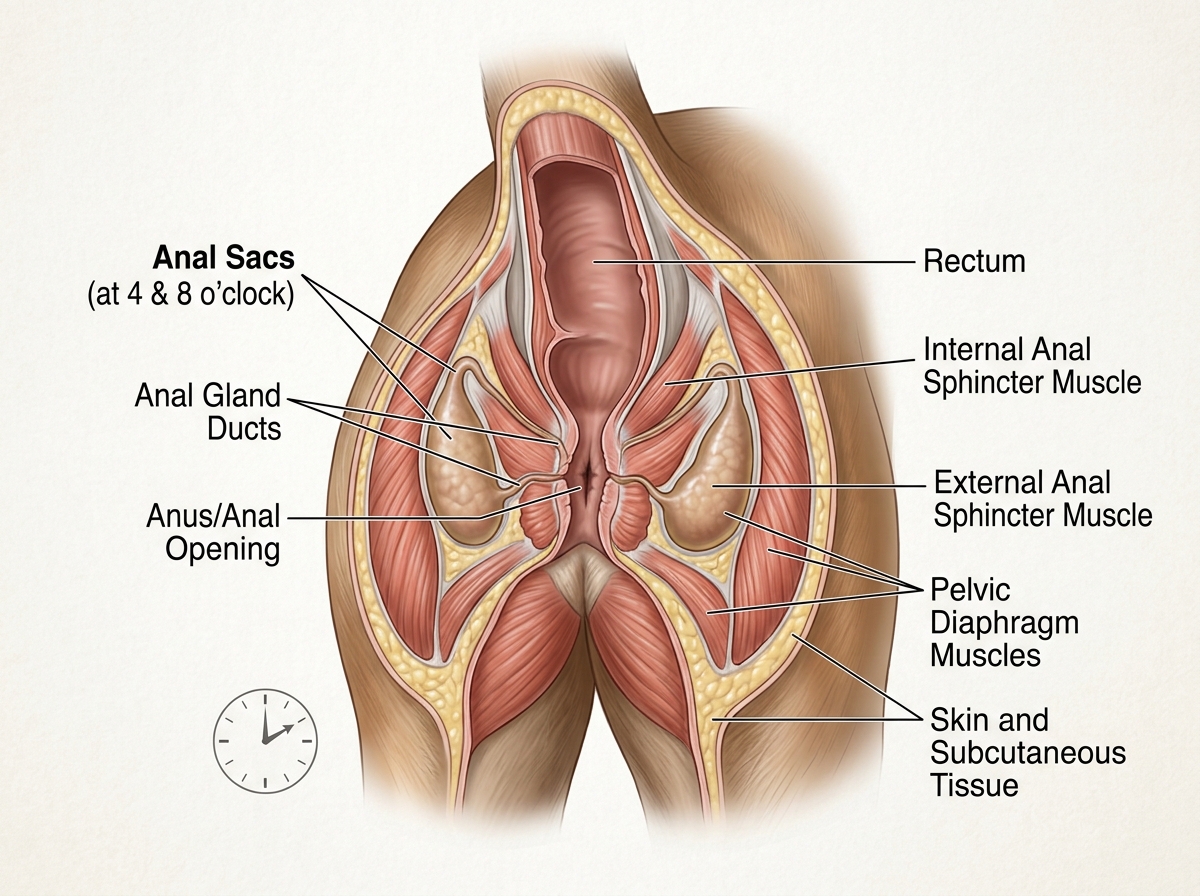
To understand why your dog might need help with their "back end" hygiene, we first have to look at what these glands actually are. In the veterinary world, they are technically called anal sacs. They are two small, grape-sized pouches located just inside the rectum.
Anatomy of the Anal Sacs
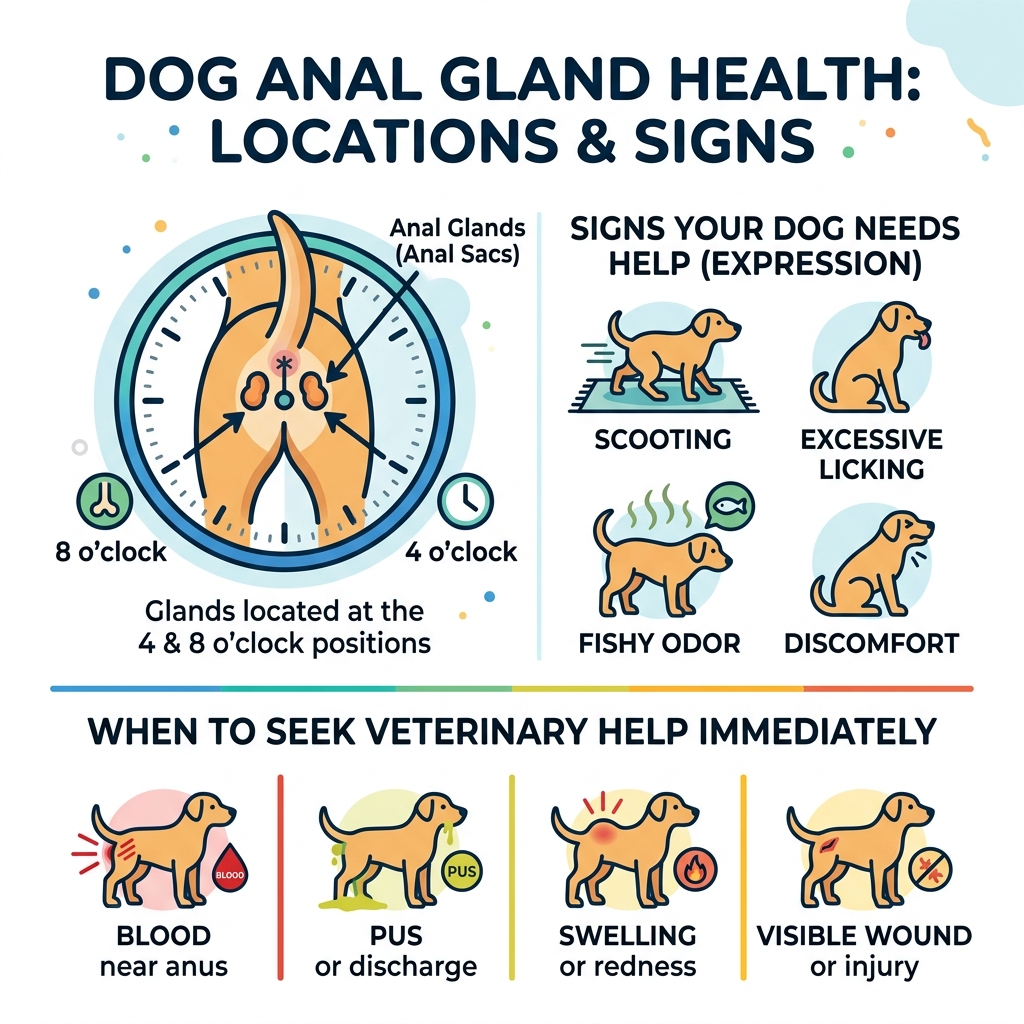
If you imagine your dog’s anus as a clock face, these glands are located at approximately the 4 o’clock and 8 o’clock positions. Every time your dog has a bowel movement, the pressure of the stool passing through the rectum should naturally squeeze these sacs, releasing a small amount of fluid.
This fluid isn't just waste; it’s a highly concentrated chemical cocktail. It contains oily secretions, pheromones, and a scent that is unique to every individual dog. This is exactly why dogs greet each other by sniffing rear ends, they are essentially reading each other's "business cards," learning about the other dog's sex, health status, and even approximate age through Anal Glands Anatomy and Purpose.
Natural vs. Manual Expression
In a perfect world, we would never have to talk about anal gland expression dog maintenance because it would happen naturally. However, domestication has changed things. In the wild, dogs ate a varied diet that resulted in firm, bulky stools that provided plenty of pressure to empty the sacs.
Today, many of our pets struggle with softer stools due to diet or allergies. When the stool is too soft, it doesn't provide enough "push" to empty the sacs. Additionally, some dogs may express their glands involuntarily when they are suddenly startled or fearful, that "fishy" smell after a loud thunderclap is often a fear-based release. You can learn more about this biological function at What to Know About Anal Sacs.
Recognizing When Your Dog Needs Help
How do you know if your dog is suffering in silence? Most dogs are quite vocal, or at least very physical, about their discomfort.
Signs of Impaction and Infection
The most common sign is "scooting." This is when a dog sits down and drags its bottom across the floor, often using its front legs to pull itself along. While it might look funny or like a "bad dog" behavior, it's actually a desperate attempt to relieve pressure or itchiness in the anal area.
Other signs include:
- Excessive licking or biting at the base of the tail or the anus.
- A potent, fishy odor that lingers even after a bath.
- Straining or whining during bowel movements.
- Swelling or redness around the anal opening.
If the fluid stays trapped for too long, it can become "impacted," meaning it thickens into a pasty or gritty consistency that is impossible for the dog to express on their own. If left untreated, this can lead to an infection or a painful abscess that may eventually rupture through the skin.
| Feature | Healthy Fluid | Problematic Fluid |
|---|---|---|
| Color | Clear to brownish/yellow | Green, bloody, or creamy white |
| Consistency | Thin and oily | Thick, pasty, or "chunky" |
| Smell | Pungent/musky | Extremely foul or "rotting" |
| Ease of Flow | Flows easily with light pressure | Requires significant pressure or won't move |
Breed Predispositions
While any dog can have issues, smaller breeds are statistically more likely to require manual anal gland expression dog care. Breeds like Chihuahuas, Cocker Spaniels, Beagles, Shih Tzus, and Poodles often have narrower ducts that clog more easily. Obesity is also a major risk factor across all breeds, as extra fatty tissue around the rectum can prevent the glands from emptying correctly.
How to Safely Perform the Procedure at Home
Many pet parents in South Tampa ask us if they can handle this at home. The answer is yes, but with a big "caution" sign attached. If your dog is showing signs of infection (like pus or blood), you should never attempt this yourself; you need a veterinarian.
Step-by-Step Guide to Anal Gland Expression Dog DIY
If your vet has given you the green light to try a maintenance expression at home, you’ll need a few supplies. We recommend using Recommended Gloves and a pet-safe Recommended Lubricant.
- Preparation: This is a two-person job. One person should gently hold the dog’s head and keep them still, while the other works at the back. Wear old clothes, this can get messy!
- Positioning: Place a paper towel in your palm. Lift the dog’s tail firmly but gently.
- Locating: Feel for the glands at the 4 and 8 o’clock positions. They will feel like small, firm grapes or peas just under the skin.
- External Technique: Using your thumb and forefinger, apply gentle, inward and upward pressure toward the anal opening. Think of it like squeezing a grape out of its skin.
- Collection: The fluid should release into the paper towel. If nothing comes out with gentle pulses, stop. Squeezing too hard can cause the gland to rupture internally.
- Cleanup: Use pet-safe wipes and perhaps a deodorizing spray to clean the area thoroughly.
When to Seek Professional Anal Gland Expression Dog Services
There is a major difference between the "external" method (described above) and the "internal" method. Veterinarians and highly trained technicians often perform an internal expression, where a lubricated, gloved finger is inserted into the rectum to milk the gland more completely.
Because of the risk of injury, pet owners should never attempt an internal expression. If the external method doesn't work, or if your dog reacts with sharp pain, it’s time to visit us. Our team at BARKology South Tampa is trained to handle these sensitive hygiene needs with the "royal treatment" your pup deserves. You can explore our professional grooming services to see how we integrate wellness into every bath.
Prevention Through Diet and Lifestyle
The best way to manage anal gland expression dog issues is to prevent them from happening in the first place. At BARKology Wellness, we believe that a proactive approach to health is the best medicine.
The Role of Fiber and Supplements
The "secret sauce" to healthy anal glands is fiber. Fiber bulks up the stool, creating the necessary pressure to empty the sacs naturally.
- Canned Pumpkin: A tablespoon of pure canned pumpkin (not pie filling!) added to meals is a classic remedy.
- Fiber Supplements: There are many veterinary-strength chews designed specifically to support anal gland health by firming up the stool.
- Hydration: Fiber needs water to work properly, so ensure your dog is drinking plenty of fresh water.
- Weight Management: Keeping your dog at a lean, healthy weight reduces the physical obstructions that prevent natural emptying.
For more tips on holistic pet health, check out our pet wellness resources.
Risks of Over-Expression
A common mistake is expressing the glands "just because." If your dog isn't showing symptoms, leave the glands alone! Over-expressing healthy glands can lead to chronic inflammation and the formation of scar tissue. Eventually, the glands can become "lazy" and dependent on manual help, or the ducts can become permanently narrowed due to scarring.
Frequently Asked Questions about Anal Gland Health
How often should a dog's anal glands be expressed?
There is no "one size fits all" schedule. Most healthy dogs never need it. If your dog has occasional issues, every 3 to 6 months is common. For dogs with chronic anatomical issues, it might be as often as every 3 to 4 weeks. Always base the frequency on symptoms (scooting/odor) rather than a calendar date.
Does anal gland expression hurt the dog?
When done correctly on a healthy dog, it shouldn't be painful, just a bit awkward and uncomfortable. However, if the glands are infected or abscessed, it can be extremely painful. If your dog yelps or tries to bite during the process, stop immediately and see a vet.
How much does professional expression cost?
Prices vary depending on whether you are at a vet clinic or a grooming salon. A simple expression at a groomer might be a $10 to $20 add-on to a bath. At a veterinary office, a tech-led expression typically ranges from $25 to $50. At BARKology South Tampa, we include these essential hygiene checks as part of our comprehensive grooming packages to ensure your pet leaves both smelling great and feeling relieved.
Conclusion
Anal glands might be a "stinky" subject, but they are a vital part of your dog's social communication and physical comfort. By staying observant for signs like scooting and foul odors, and by supporting your dog's health with a high-fiber diet and regular exercise, you can prevent most major complications.
At BARKology Wellness in South Tampa, we pride ourselves on blending luxury grooming with science-backed wellness care. Whether your pup needs a routine "check-up" or a full day of pampering, our team is here to ensure they receive the royal treatment. Want to make pet health a priority? Learn more about our wellness memberships and join our pack today!