
Why Bad Breath in Dogs Is More Than Just an Unpleasant Smell
Bad breath in dogs is one of the most common, and most overlooked, signs that something is wrong with your pet's health.
Here's a quick answer if you need it fast:
How to handle bad breath in dogs:
- See your vet to rule out dental disease or systemic conditions like kidney or liver problems
- Brush your dog's teeth daily using dog-safe toothpaste
- Schedule annual professional dental cleanings (more often for small or flat-nosed breeds)
- Use VOHC-approved dental chews, water additives, or oral rinses as daily supplements
- Watch for warning smells, ammonia can signal kidney disease, sweet or fruity breath may indicate diabetes
Most dog owners chalk bad breath up to "just being a dog thing." But the numbers tell a different story. Up to 80% of dogs show signs of periodontal disease by just two years of age, and that bacteria-laden buildup is the number one driver of halitosis in dogs.
Bad breath isn't just socially awkward. It's often your dog's body sending you a signal.
I'm Nabilah Shamseddine, entrepreneur and leader at BARKology Wellness, where our mission is to give dogs the premium, health-focused care they deserve. My work in pet wellness has shown me how often bad breath in dogs is a symptom that gets dismissed, when it really shouldn't be. Let's walk through everything you need to know to actually fix it.
What Causes Bad Breath in Dogs?
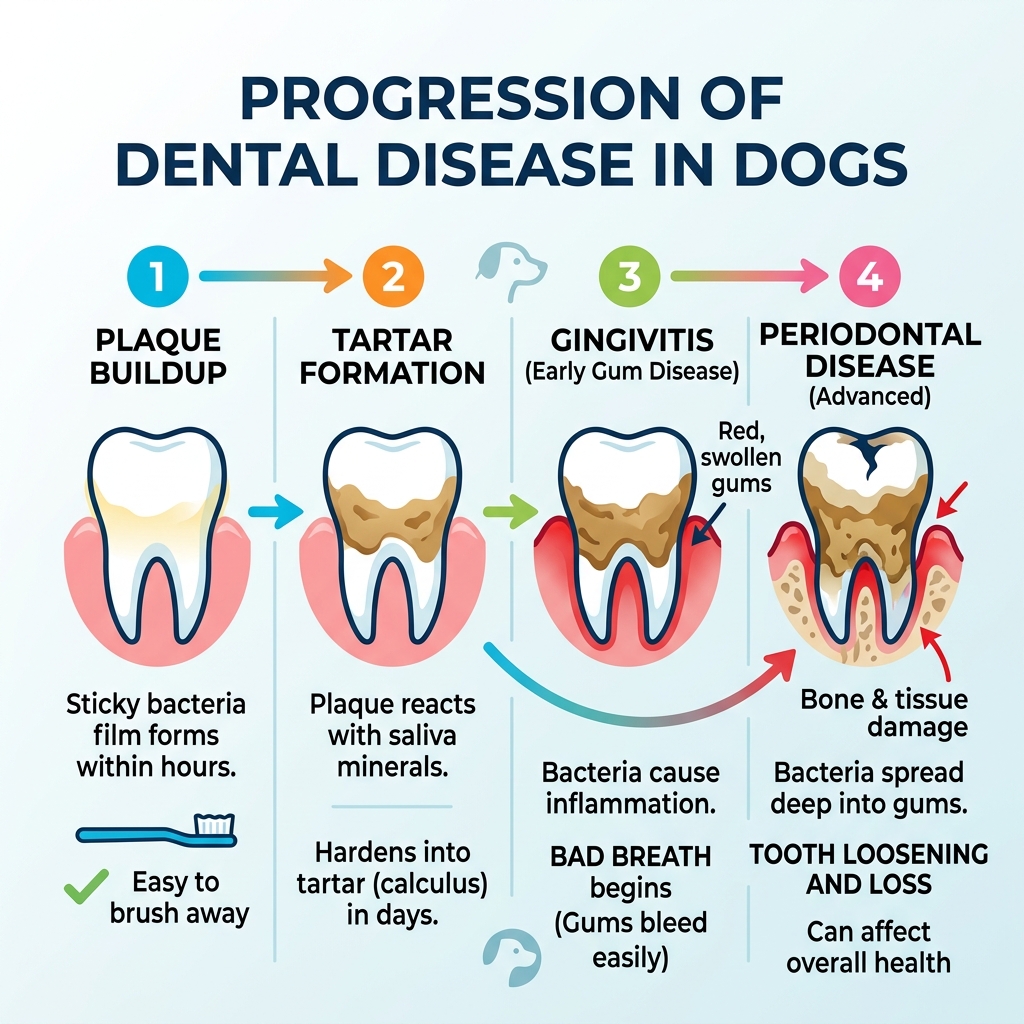
When we talk about bad breath in dogs, or halitosis, we are usually talking about the byproduct of bacteria. Within just hours of a professional cleaning or a good brushing, bacteria begin to attach to the surface of your dog's teeth. These bacteria form a sticky "biofilm" known as plaque. If that plaque isn't brushed away, it reacts with the minerals in your dog's saliva and hardens into tartar (also called calculus) within just a few days.
Once tartar forms, it provides a rough surface where even more bacteria can hide. These bacteria "feed" on food particles and cellular debris in the mouth, releasing foul-smelling sulfur compounds. This is the primary source of that "stinky dog breath" that makes you want to turn your head during morning cuddles.
However, the smell itself can actually be a diagnostic tool. Not all bad breath smells the same, and the specific "bouquet" coming from your dog's mouth can point toward different health issues.
| Breath Smell | Potential Underlying Condition |
|---|---|
| Foul, Rotting, or "Fishy" | Periodontal disease, oral infections, or oral tumors |
| Sweet or Fruity | Diabetes (buildup of ketones) |
| Ammonia or Urine-like | Kidney disease (toxin buildup in the blood) |
| Musty or Extremely Foul | Liver disease (often accompanied by yellowing gums) |
| Fecal or Poop-like | Coprophagia (eating poop) or a bowel obstruction |
Common Dental Issues and Bad Breath in Dogs
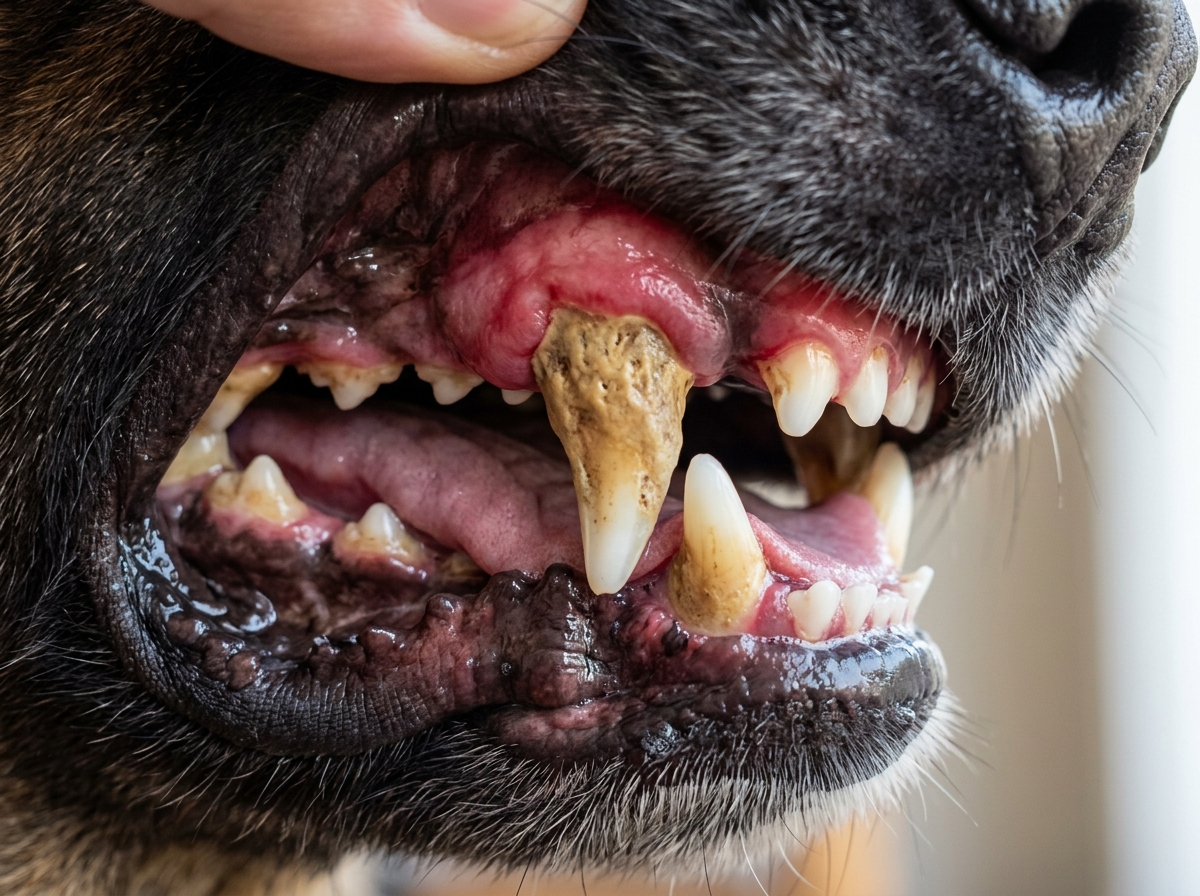
The most frequent culprit behind bad breath in dogs is periodontal disease. This isn't just one problem; it’s a progression of issues that affect the structures supporting the teeth.
- Gingivitis: This is the earliest stage of periodontal disease. You'll notice a thin red line along the gums where they meet the teeth. The gums may be swollen and bleed easily. At this stage, the process is often reversible with professional care.
- Tooth Decay and Abscesses: If bacteria get under the gumline, they can rot the tooth from the root up. A painful abscess can form, creating a pocket of infection that smells incredibly strong.
- Oral Tumors: Especially in older dogs, growths in the mouth can become necrotic (the tissue starts to die). This dying tissue creates a very specific, pungent odor.
- Foreign Bodies: We see this often in South Tampa, dogs love chewing on sticks or rope toys. Sometimes, a piece of wood or a strand of fabric gets wedged between the teeth or under the tongue. It starts to rot, leading to local infection and localized bad breath.
Serious Health Conditions Linked to Bad Breath in Dogs
While 80% of cases are dental-related, we must never ignore the other 20%. Sometimes, the mouth is just the "exhaust pipe" for a problem deeper inside the body.
Kidney Disease: When the kidneys aren't filtering waste products properly, urea builds up in the bloodstream. This can cause the breath to smell like ammonia or urine. If you notice this, it is a medical emergency that requires immediate veterinary attention.
Liver Failure: The liver is responsible for filtering toxins. If it fails, those toxins are released through the lungs, creating an extremely foul odor. You might also notice your dog has a poor appetite or yellow-tinted whites of the eyes (jaundice).
Diabetes: When a dog has uncontrolled diabetes, their body can't break down sugar for energy and starts breaking down fat instead. This produces ketones, which have a distinct sweet, fruity, or "nail polish remover" smell.
Toxin Ingestion: If a dog gets into something they shouldn't, like certain houseplants or human medications, the resulting organ stress can cause a sudden change in breath odor.
Breed Predispositions and Risk Factors
At BARKology Wellness, we see a wide variety of breeds in our South Tampa studio, and we've noticed that some pups are just "luckier" than others when it comes to breath.
Toy and Small Breeds: Yorkies, Chihuahuas, and Pomeranians are notorious for bad breath. Why? Because they have the same number of teeth as a Great Dane but in a tiny fraction of the space. This crowding makes it incredibly easy for food and bacteria to get trapped in nooks and crannies that are nearly impossible to clean at home.
Brachycephalic (Flat-Faced) Breeds: Pugs, French Bulldogs, and English Bulldogs have unique jaw structures. Their teeth are often rotated or crowded, and their mouth anatomy can lead to increased saliva retention, creating a moist environment where bacteria thrive.
Bearded Dogs: Breeds like Schnauzers or Wire-Haired Pointing Griffons often have "beard" hair that stays wet with saliva and food particles. This can lead to skin fold dermatitis around the mouth, which contributes to an overall "stinky face" smell that mimics bad breath.
Professional Diagnosis and Treatment Options
If your dog's breath has reached a point where it's clearing the room, it's time for professional intervention. You can't "brush away" heavy tartar once it has mineralized; it requires the same tools your own dentist uses.
A veterinarian will typically start with a physical exam and an oral inspection. However, because dogs don't like to "open wide and say ahh" for long periods, a truly thorough exam usually requires sedation.
- Bloodwork and Urinalysis: Before any dental procedure, we recommend bloodwork to ensure the liver and kidneys are healthy enough to handle anesthesia. This also helps rule out the systemic issues we mentioned earlier.
- Professional Dental Cleaning: This is performed under general anesthesia. The vet or a dental technician uses an ultrasonic scaler to remove tartar from above and below the gumline. This "below the gumline" part is crucial, it's where the most damaging bacteria live.
- Dental X-rays: Since 60% of a dog's tooth is under the gumline, X-rays are the only way to see if the roots are rotting or if there are hidden abscesses.
- Extractions and Antibiotics: If a tooth is loose, broken, or the root is diseased, it’s often better to remove it. Dogs actually feel much better once a painful, rotting tooth is gone. The vet may also prescribe antibiotics to clear up any lingering infection.
Home Remedies and Prevention Strategies
Once your dog has a clean bill of health from the vet, the goal is maintenance. Think of it this way: if you didn't brush your teeth for a year, your breath would be pretty scary too!
The Gold Standard: Daily BrushingThere is no substitute for mechanical brushing. Using a soft-bristled brush and dog-specific toothpaste (never human toothpaste!) is the most effective way to disrupt biofilms. Focus on the outside of the teeth, as that's where most plaque accumulates.
For dogs who are particularly resistant to the brush, our grooming services at BARKology Wellness can help. We offer specialized dental additions to our luxury grooming packages, helping to keep your pup's smile bright between vet visits.
Natural Aids and Home Remedies
- Coconut Oil: Many owners find that adding a small amount of organic coconut oil to food or rubbing it on the gums can help. It contains lauric acid, which has mild antibacterial properties.
- Fresh Parsley: Chopping up a little fresh parsley and adding it to your dog's dinner can act as a natural deodorizer due to its high chlorophyll content.
- Crunchy Fruits and Veggies: Carrots and apple slices (no seeds!) act like natural "scrubbers" for the teeth. While they won't replace brushing, the mechanical action helps scrape away soft plaque.
The VOHC Seal of ApprovalWhen shopping for dental chews, water additives, or specialized diets, look for the Veterinary Oral Health Council (VOHC) seal. This seal means the product has been scientifically tested and proven to reduce plaque or tartar by at least 10-20%.
Water AdditivesIf your dog absolutely refuses to let you near their mouth with a brush, water additives can be a helpful backup. These are tasteless liquids you add to their drinking bowl that contain enzymes or ingredients like zinc citrate to help neutralize sulfur compounds and slow down plaque formation.
Frequently Asked Questions about Dog Halitosis
Is it normal for a dog’s breath to stink?
"Normal" dog breath shouldn't be offensive. While it won't smell like minty fresh gum, it shouldn't make you recoil. If your dog has a chronic, pungent odor, it is almost always a sign of an underlying health issue. Don't ignore it as just "dog breath", it's a clinical sign that your pup might be in pain or dealing with an internal imbalance.
Can I use human toothpaste on my dog?
Absolutely not. Human toothpaste often contains Xylitol, an artificial sweetener that is extremely toxic to dogs and can cause life-threatening liver failure and low blood sugar. Additionally, human toothpaste contains foaming agents that are meant to be spit out. Since dogs swallow the paste, these agents can cause severe upset stomachs. Always use a vet-approved, dog-safe toothpaste in flavors they love, like poultry or peanut butter.
How often should my dog get a professional dental cleaning?
For most dogs, an annual professional cleaning is recommended. However, small breeds, toy breeds, and brachycephalic dogs may need them every six months because their teeth are so prone to rapid tartar buildup. Regular "preventive maintenance" is much cheaper and less painful for your dog than waiting until they need ten teeth extracted.
Conclusion
At BARKology Wellness, we believe that every dog deserves to feel like royalty, and that starts with their health. Bad breath in dogs isn't just a cosmetic issue; it's a window into their overall well-being. By combining proactive veterinary care with consistent at-home grooming and high-quality dental products, you can ensure your dog's kisses stay sweet for years to come.
Whether you're in South Tampa or the greater Tampa area, our team is here to support your journey toward total pet wellness. From luxury grooming that monitors for early signs of dental distress to our community of dedicated pet parents, we are committed to excellence.
Ready to prioritize your dog's health and happiness? Start your journey with a BARKology Wellness Membership today and give your pup the royal treatment they deserve.