
Why Bad Ear Wax in Dogs Deserves Your Attention
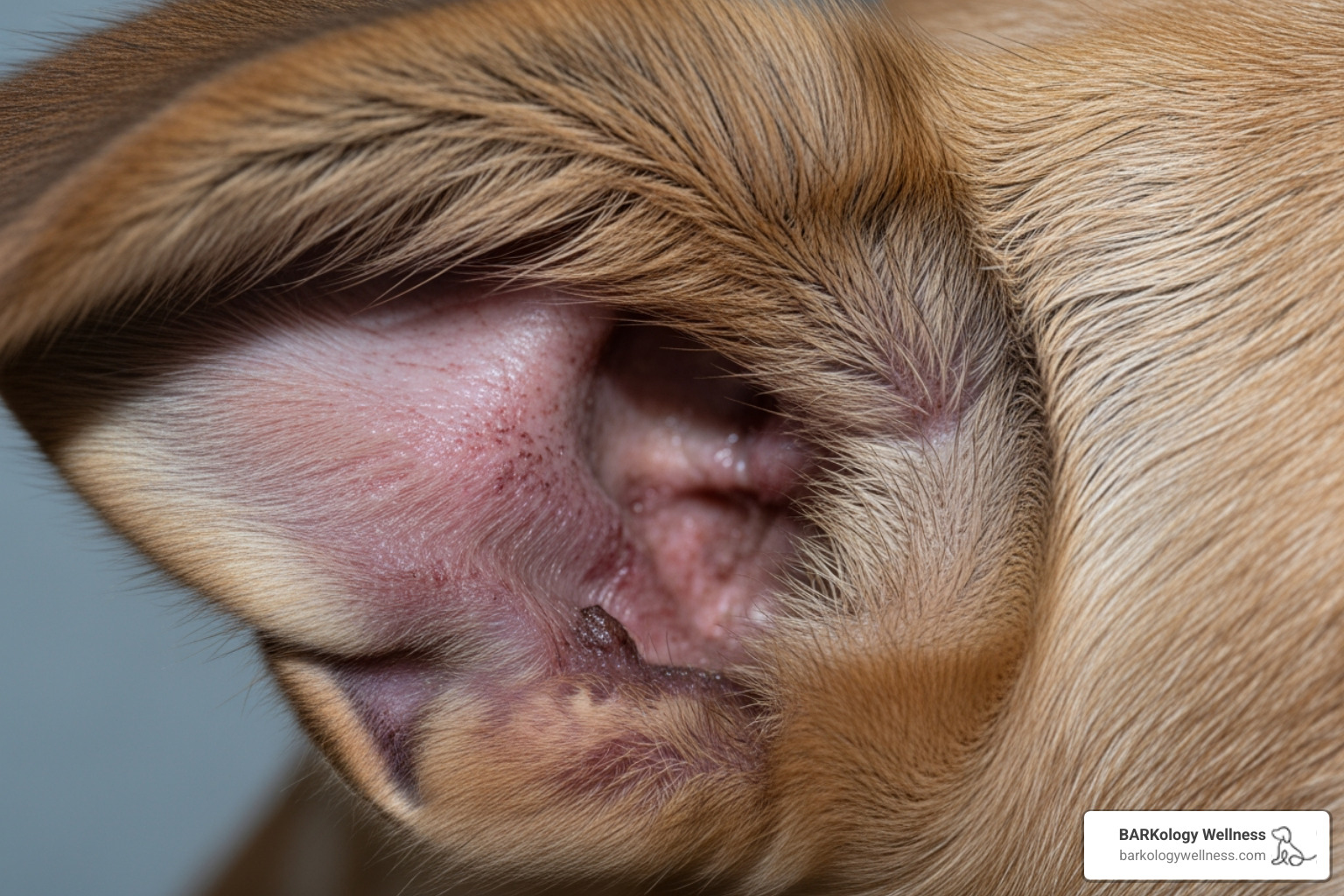
Bad ear wax in dogs is one of the most common, and most overlooked, health concerns pet owners face. Before diving deep, here's a quick reference to help you identify what you're dealing with:
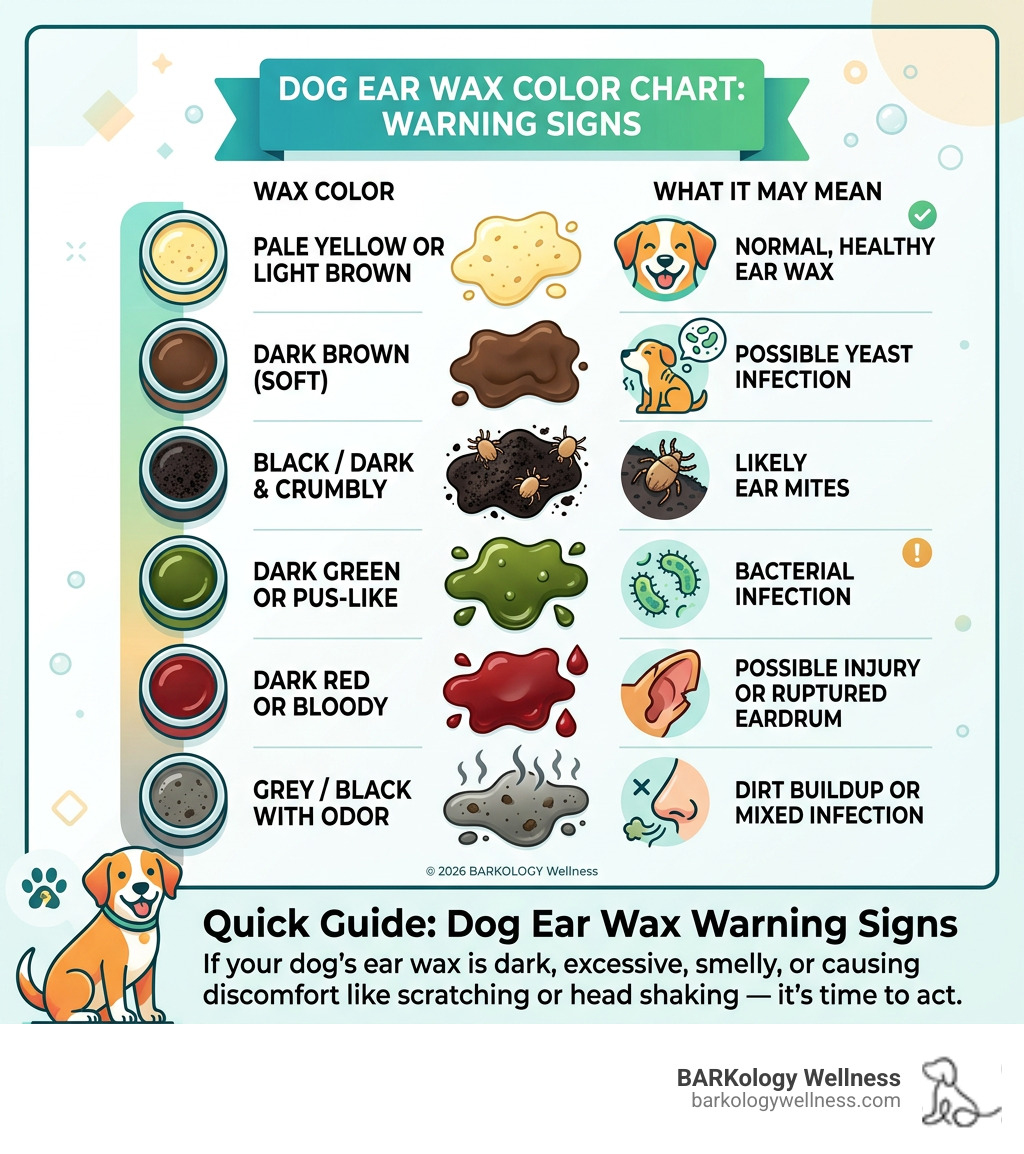
Quick Guide: Dog Ear Wax Warning Signs
| Wax Color/Appearance | What It May Mean |
|---|---|
| Pale yellow or light brown | Normal, healthy ear wax |
| Dark brown, soft | Possible yeast infection |
| Black/dark + crumbly ("coffee grounds") | Likely ear mites |
| Dark green or pus-like | Bacterial infection |
| Dark red or bloody | Possible injury or ruptured eardrum |
| Grey/black with odor | Dirt buildup or mixed infection |
The short answer: If your dog's ear wax is dark, excessive, smelly, or causing discomfort like scratching or head shaking, it's time to act.
Your dog's ears do a lot of quiet, important work. Ear wax (cerumen) is supposed to be there, it traps dirt, fights bacteria, and keeps the ear canal lubricated. A small amount of light-colored, soft wax is completely normal.
But when wax turns dark, builds up excessively, or comes with a foul odor, it's your dog's ear sending you a distress signal.
The tricky part? Ear mites, yeast infections, bacterial infections, and simple wax buildup can all look similar at first glance. Knowing the difference matters, because the wrong response (like over-cleaning a healthy ear) can actually make things worse.
This guide walks you through everything: what's normal, what's not, how to clean safely, and when to call your vet.
I'm Nabilah Shamseddine, founder of BARKology Wellness, where premium pet care means paying attention to details most people miss, including bad ear wax in dogs. My work building wellness-focused pet experiences has shown me how early ear health awareness can prevent serious, painful complications for your dog.
Understanding Normal vs. Bad Ear Wax in Dogs
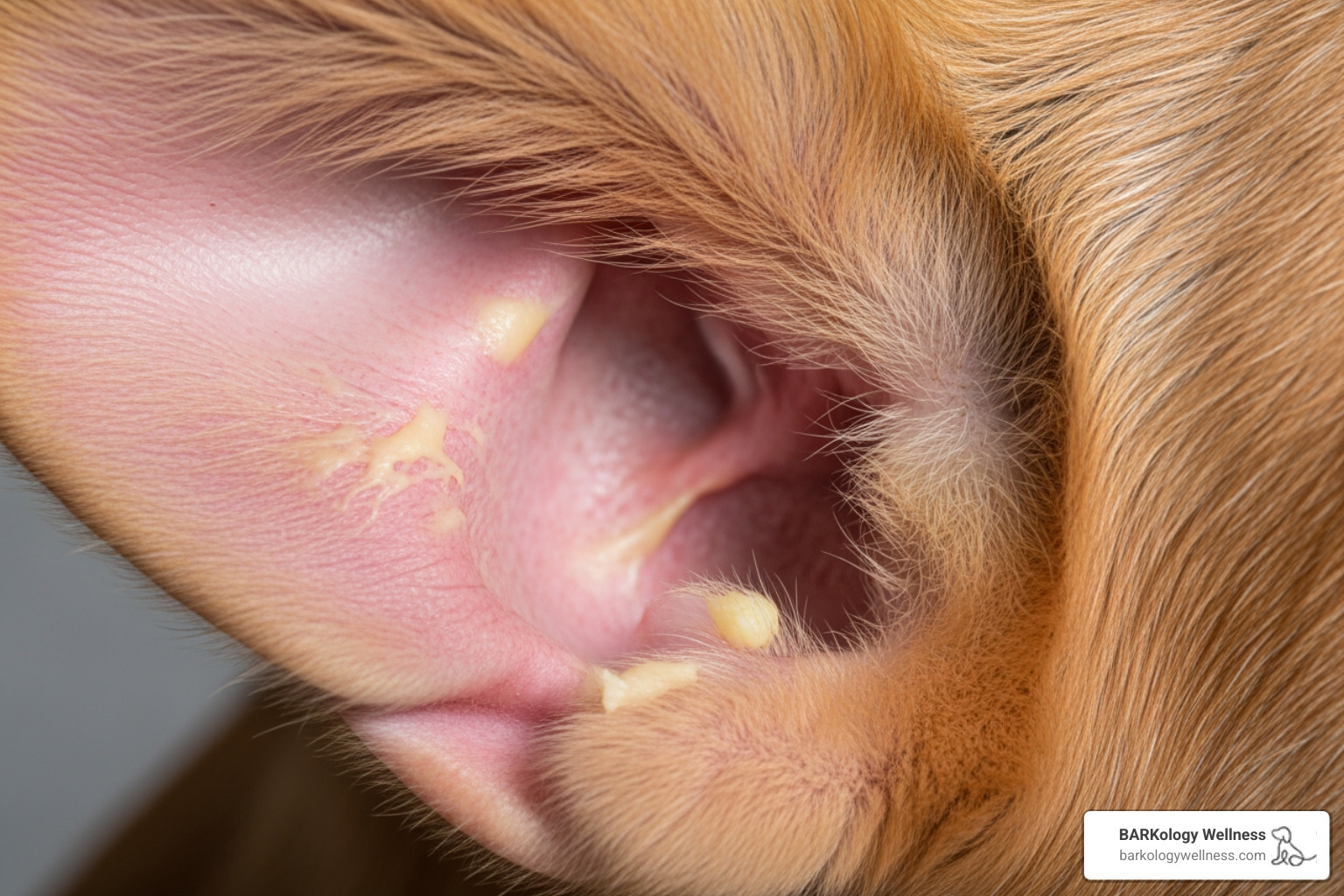
To understand when things have gone south, we first need to know what "north" looks like. In our South Tampa grooming studio, we see ears of all shapes and sizes. A healthy dog ear should have a pink, clean-looking canal. You might see a tiny bit of wax, but it shouldn't be blocking the "view" into the ear.
Cerumen, the technical term for ear wax, is a complex cocktail of dead skin cells, keratin, and fatty acids. It is produced by the sebaceous and apocrine glands in the ear canal. Its job is to moisturize the skin and trap microscopic invaders like bacteria or pollen before they can reach the delicate eardrum. According to research on normal earwax, healthy wax should be pale yellow to light brown, soft, and relatively odorless.
When we talk about bad ear wax in dogs, we are usually looking at an overproduction of this substance or a change in its composition due to infection.
| Feature | Healthy Ear Wax | Problematic Discharge |
|---|---|---|
| Color | Pale yellow / Light brown | Dark brown, black, green, or red |
| Consistency | Soft, slightly sticky | Crumbly, chunky, or liquid/pus-like |
| Odor | None or very mild | Yeasty, sweet, or putrid/foul |
| Ear Canal | Light pink and calm | Red, swollen, or hot to the touch |
| Behavior | Dog ignores ears | Scratching, head shaking, or tilting |
Common Causes of Excessive Buildup and Discharge
Why do some dogs seem to have "wax factories" in their ears while others stay pristine? It often comes down to the unique anatomy of the canine ear. Unlike the human ear canal, which is relatively straight, a dog’s canal is L-shaped. It goes vertically down and then takes a sharp 90-degree turn inward. This "L" shape is a master at trapping moisture, debris, and heat, the perfect "petri dish" for issues.
Scientific research on ear infections highlights that inflammation of the outer ear canal, known as otitis externa, is the primary driver behind most cases of bad ear wax in dogs. When the lining of the ear becomes irritated, the wax glands go into overdrive, trying to protect the area, which ironically creates more "food" for bacteria and yeast.
Identifying Bad Ear Wax in Dogs Caused by Mites or Yeast
If you see wax that looks like someone dumped old coffee grounds into your dog’s ear, you are likely looking at Otodectes cynotis, otherwise known as ear mites. These tiny parasites are highly contagious and cause intense itching. The "wax" you see is actually a mixture of ear wax, blood, and mite waste.
On the other hand, if the wax is dark brown and greasy, and your dog’s head smells like a brewery or a bag of corn chips, yeast (Malassezia) is the likely culprit. Yeast loves the humid environment of a floppy ear, especially after a humid Tampa afternoon or a dip in the pool.
Allergies and Breed Predispositions
Environmental allergies (atopy) and food sensitivities are the most common "primary factors" for chronic ear issues. If your dog is allergic to pollen or a specific protein in their food, their skin barrier breaks down, leading to inflammation and excessive wax.
Certain breeds are simply born with the "ear deck" stacked against them:
- Cocker Spaniels: Genetically prone to overactive wax glands.
- Basset Hounds: Long, heavy flaps prevent airflow, trapping moisture.
- Poodles: Often have hair growing deep inside the canal that traps wax and forms "plugs."
- German Shepherds: Prone to allergies that manifest as ear inflammation.
Symptoms and Risks of Untreated Ear Issues
Bad ear wax in dogs isn't just a cosmetic issue; it's a precursor to pain. If you notice your dog shaking their head so hard their ears flap like a helicopter, or if they are constantly pawing at their head, they are likely in distress.
Scientific research on otitis complications shows that untreated otitis externa can lead to permanent changes in the ear. Chronic inflammation causes the ear canal to thicken and narrow (stenosis), making it even harder for wax to escape and easier for infections to hide.
Complications of Chronic Inflammation
If bad ear wax in dogs is ignored, the consequences can escalate quickly:
- Otitis Media: In up to 50% of chronic cases, the infection breaches the eardrum and enters the middle ear.
- Hearing Loss: Conductive hearing loss occurs when the canal is so packed with wax and debris that sound waves can't get through.
- Aural Hematoma: Violent head shaking can cause blood vessels in the ear flap to burst, resulting in a painful, "pillowy" swelling that often requires surgery.
- Neurological Signs: If an infection reaches the inner ear, your dog may lose their balance, walk in circles, or show abnormal eye movements.
How to Safely Manage Bad Ear Wax in Dogs at Home
At BARKology, we believe in proactive maintenance. If your dog has a healthy amount of wax, the "self-cleaning" mechanism usually takes care of it. However, for dogs prone to buildup, a gentle home cleaning routine can be a lifesaver.
Your Ear Cleaning Toolkit:
- A veterinarian-approved ear cleaning solution (look for "pH balanced" or "enzymatic").
- Plenty of high-quality cotton balls or gauze (no Q-tips!).
- A towel (things are about to get messy).
- Your dog's favorite high-value treats.
Step-by-Step Cleaning Guide
- Preparation: Have your dog sit in a corner so they can’t back away. Hold the ear flap (pinna) upward to straighten the vertical part of the "L."
- Fill the Canal: Gently squeeze the cleaner into the ear until you see the liquid pool at the top.
- The "Squish" Massage: Massage the base of the ear for about 30 seconds. You should hear a "squelching" sound, this is the liquid breaking up the bad ear wax in dogs.
- The Shake: Step back! Let your dog shake their head. This uses centrifugal force to bring the deep-seated wax to the surface.
- Wipe and Dry: Use your cotton ball to wipe away the visible debris. Only go as deep as your finger can reach. Never "dig" for wax.
Products and Methods to Avoid
We cannot stress this enough: Never use cotton-tipped swabs (Q-tips) inside the ear canal. You risk pushing the wax deeper against the eardrum or even puncturing the drum if the dog jerks their head.
Avoid "home remedies" like:
- Hydrogen Peroxide: Too harsh; it can damage healthy tissue and leave the ear too moist.
- Rubbing Alcohol: Extremely painful on inflamed skin.
- Vinegar: While acidic, undiluted vinegar can cause severe irritation.
Professional Diagnosis and Treatment Options
Sometimes, home cleaning isn't enough. If the ear is painful, bleeding, or has a smell that hits you from across the room, it's time for professional wellness services.
Diagnostic Tests for Ear Problems
A vet won't just guess what's in the ear; they use science to find out.
- Otoscopy: Using a lighted scope to look for foreign objects (like Tampa's notorious grass seeds), tumors, or eardrum ruptures.
- Cytology: Taking a swab of the wax and looking at it under a microscope to identify if the problem is yeast, bacteria, or mites.
- Bacterial Culture: If an infection isn't responding to standard meds, a culture identifies exactly which "superbug" is present.
Effective Medical Treatments
Depending on the diagnosis, treatment may include:
- Topical Meds: Drops containing antibiotics, antifungals, and glucocorticoids (to stop the itching).
- Ear Flushing: Sometimes done under sedation to remove deep "plugs" of wax.
- Surgical Intervention: In severe, chronic cases where the canal has calcified, a Total Ear Canal Ablation (TECA) may be necessary to remove the diseased canal entirely.
Prevention Strategies for Long-Term Ear Health
Prevention is always better than a cure, especially when it comes to the sensitive ears of our furry Floridian friends. Regular grooming services play a massive role in this.
Routine Maintenance for At-Risk Breeds
If you have a floppy-eared breed or a dog that loves the water, you need a strategy:
- Weekly Inspections: Make it a habit to sniff and look inside the ears once a week. Catching a "yeasty" smell early can prevent a full-blown infection.
- Keep It Dry: After a bath or a swim, use a drying agent or a cotton ball to ensure no water is trapped in that L-shaped canal.
- Hair Management: For Poodles or Doodles, keep the hair around the ear opening trimmed to improve airflow.
- Environmental Control: If allergies are the root cause, talk to your vet about a hypoallergenic diet or allergy medications.
Frequently Asked Questions about Dog Ear Wax
How can I tell if my dog has ear mites or just bad ear wax?
Ear mites usually produce a very specific "coffee ground" discharge that is dry and crumbly. Mites also cause much more intense, frantic scratching than simple wax buildup. If you see tiny white specks moving in the dark debris, those are the mites.
Is it safe to use human ear cleaning products on my dog?
No. A dog’s skin has a different pH level than a human’s. Using human products can disrupt the natural flora of the ear and lead to further irritation or secondary infections. Always stick to products formulated specifically for canines.
Why does my dog's ear wax smell like corn chips or yeast?
That "Frito feet" or corn chip smell is a classic sign of a yeast overgrowth. Yeast thrives in warm, moist environments. If you smell this, your dog likely needs an antifungal treatment prescribed by a vet.
Conclusion
Dealing with bad ear wax in dogs can feel like a never-ending battle, but it doesn't have to be. By understanding what normal wax looks like and staying vigilant for the warning signs of infection, you can keep your dog comfortable and happy.
At BARKology Wellness in South Tampa, we believe that ear health is a vital part of a dog's overall royal treatment. Whether it's through our specialized grooming or our memberships that prioritize long-term health, we are here to help you navigate the "waxy" waters of pet ownership. Don't let your dog suffer in silence, check those ears today!