
Why Dog Health Grooming Matters More Than You Think

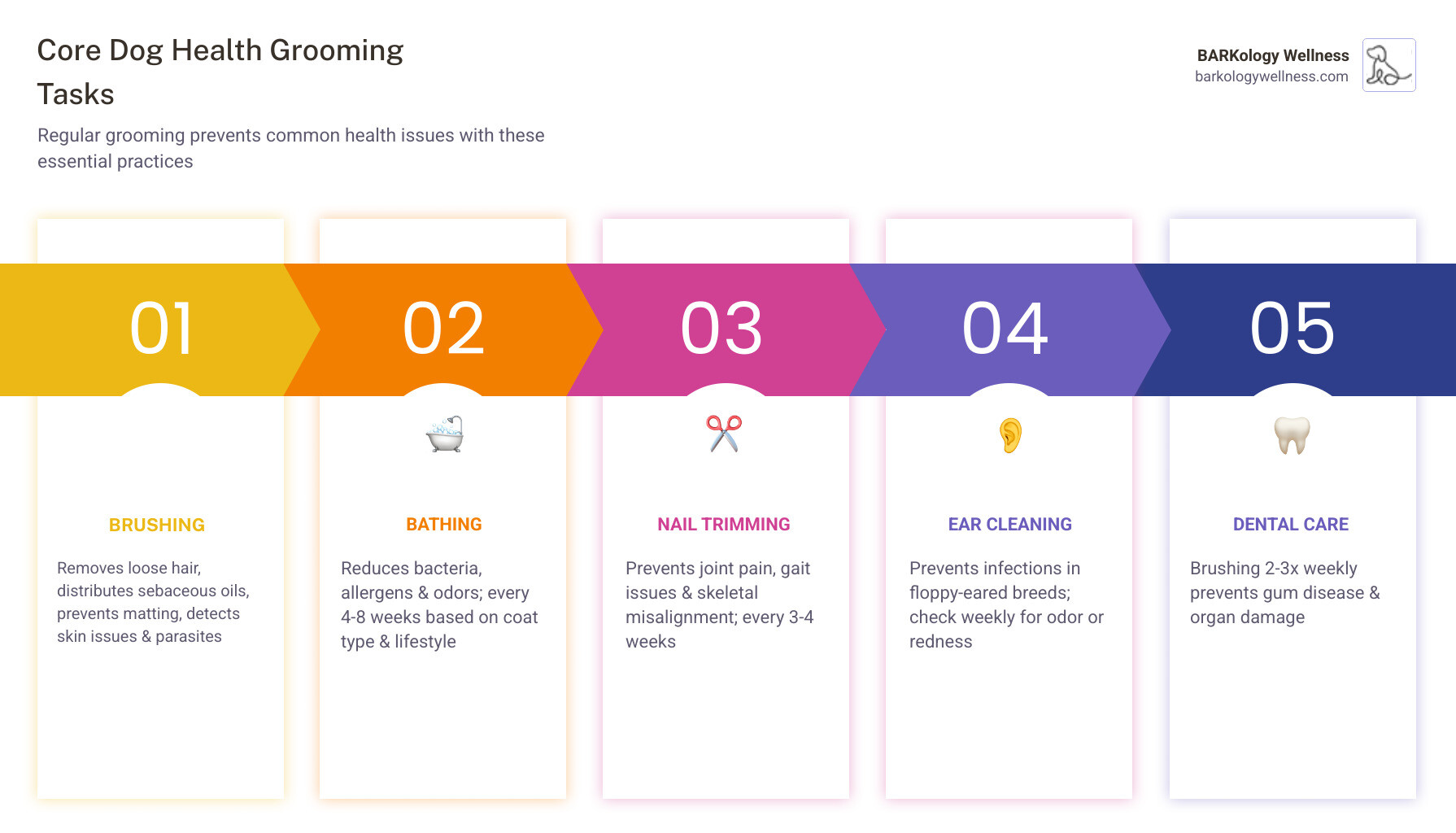
Dog health grooming is essential preventive care that supports your dog's physical health, detects early medical issues, and strengthens the bond between you and your pet. Here's what you need to know:
Core Components of Dog Health Grooming:
- Brushing – Removes loose hair, distributes natural oils, prevents matting, and allows early detection of skin issues or parasites
- Bathing – Reduces bacteria, allergens, and odors; frequency depends on coat type and lifestyle (typically monthly to every 6-8 weeks)
- Nail Trimming – Prevents joint problems, gait issues, and skeletal misalignment; trim every 3-4 weeks or when nails click on floors
- Ear Cleaning – Prevents infections, especially in floppy-eared breeds; check weekly for odor or redness
- Dental Care – Brushing 2-3 times per week prevents gum disease, which affects many dogs by age four and can lead to organ damage
- Professional Grooming – Recommended every 4-12 weeks depending on coat type; includes sanitary trims, anal gland expression, and thorough health checks
You've probably felt that sinking feeling when your groomer recommends a full shave-down because your dog's coat has become matted beyond repair. Or maybe you've noticed your dog scratching constantly, only to discover a hot spot hidden under their fur. Perhaps you've simply struggled to keep up with brushing, bathing, and nail trims while juggling everything else in your life.
The truth is, grooming isn't just about appearance, it's about health. Matted fur traps moisture against the skin, creating breeding grounds for bacteria and parasites. Overgrown nails alter your dog's posture and can lead to joint pain. Neglected ears become infected. And poor dental care contributes to gum disease that can damage your dog's heart and kidneys.
But here's the good news: you don't need to be perfect to keep your dog healthy. You just need the right knowledge, tools, and routine, plus the wisdom to know when professional help makes sense.
I'm Nabilah Shamseddine, a multi-unit franchise entrepreneur and business leader at BARKology Wellness, where we focus on premium dog health grooming services that support long-term wellness. Through my work building wellness and fitness brands, I've learned that sustainable health starts with consistent, informed care.
The Science Behind Dog Health Grooming
Grooming is more than a spa day; it is a biological necessity. When we talk about dog health grooming, we are looking at the skin - the largest organ of the canine body. A dog's skin pH is significantly different from a human's, typically ranging from 6.2 to 7.5 (more alkaline than our acidic 5.5). This is why using human or even baby shampoo can disrupt their natural acid mantle, leading to irritation and infection.
Regular brushing is the primary delivery system for sebaceous oils. These natural oils are produced by the skin and need to be distributed along the hair shaft to keep the coat waterproof and resilient. Without this distribution, the skin becomes dry and flaky, while the hair becomes brittle.
The Danger of the "Hidden" Health Crisis
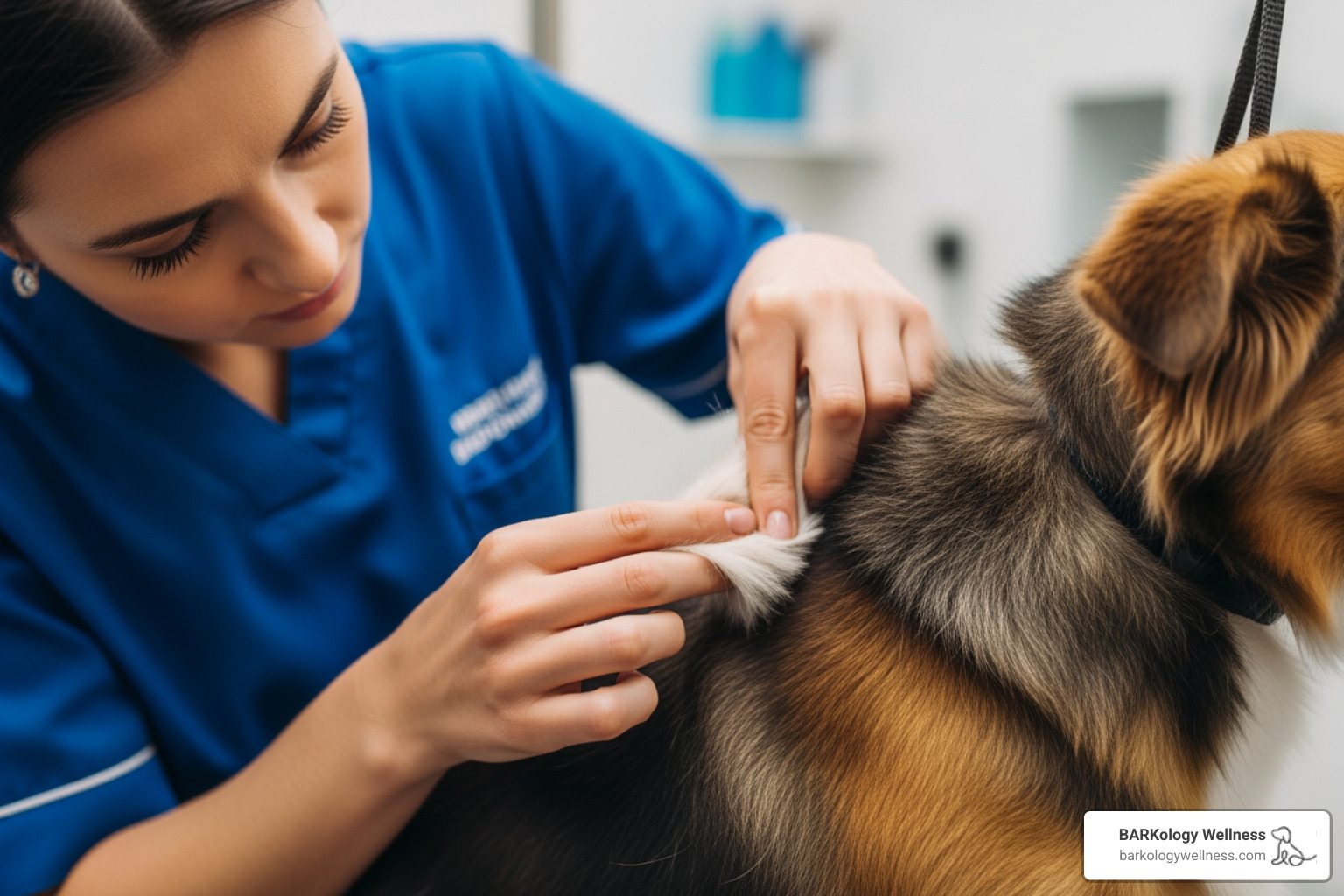
One of the most critical roles of grooming is early detection. During a thorough session, we can spot:
- Parasites: Fleas, ticks, and mites often hide in the "warm spots" like the armpits or behind the ears.
- Localized Mange: Interestingly, 90% of cases of localized demodectic mange in puppies under 18 months resolve without treatment, but they must be monitored to ensure they don't become generalized.
- Hot Spots: These are areas of acute moist dermatitis that can flare up in hours due to trapped moisture or bacteria under matted fur.
- Lumps and Bumps: Feeling the skin regularly allows us to catch unusual growths early, which is vital for senior dogs.
Table: Coat Types and Associated Health Risks
| Coat Type | Common Breeds | Primary Health Risk | Grooming Priority |
|---|---|---|---|
| Continuous Growth | Poodles, Shih Tzus | Severe matting, skin sores | Daily brushing, 4-6 week professional cuts |
| Double Coat | Huskies, Retrievers | "Hot spots," impacted undercoat | Deshedding, high-velocity drying |
| Short/Smooth | Boxers, Chihuahuas | Skin allergies, dander buildup | Weekly brushing, monthly baths |
| Wire/Broken | Terriers | Folliculitis, skin irritation | Stripping or regular clipping |
Essential Tools for Dog Health Grooming
To succeed at home, you need the right kit. Don't settle for plastic brushes that merely scratch the surface.
- Slicker Brushes: These have fine, short wires close together. They are the gold standard for removing loose hair and detangling.
- Metal Combs: Often called "greyhound combs," these are essential for the "comb-through" test. If a metal comb can't pass through the fur to the skin, your dog has a hidden mat.
- Dog Wipes: Perfect for South Tampa dogs who might get "city grime" on their paws after a walk. Use dog wipes for quick cleanups of faces and sanitary areas.
- Electric Clippers: If you find a mat, never use scissors. Dogs have incredibly thin, elastic skin that can easily be pulled into a knot and cut. Use pet-safe clippers for safety.
- Shampoos: Always choose a dog shampoo and conditioner that matches your dog's specific skin needs, such as hypoallergenic or oatmeal-based formulas.
Life Stage Adjustments for Dog Health Grooming
Grooming needs evolve as your dog grows.
- Puppies: Focus on socialization. Puppies need veterinary visits every 3 to 4 weeks until 4 months old, and this is the perfect time to desensitize them to having their paws touched and ears inspected.
- Adults: Consistency is key. Establish a routine of weekly brushing and monthly baths to maintain the "status quo" of health.
- Seniors: Dogs over 7-8 years old need a gentler touch. They may suffer from arthritis, making standing for long periods difficult. Senior dogs benefit from more frequent, shorter grooming sessions and may need twice-yearly veterinary checkups to monitor for age-related skin changes or lumps.
Critical Maintenance: Nails, Ears, and Teeth
If the coat is the "walls" of your dog's health house, the nails, ears, and teeth are the foundation.
The Impact of Overgrown Nails
When a dog's nails are too long, they hit the ground with every step. This pushes the nail back into the nail bed, causing pain and forcing the dog to alter its gait. Over time, this leads to skeletal misalignment and joint issues. If you hear "clicking" on your hardwood floors, it's time for a trim. For dogs with dark nails where the quick isn't visible, trim tiny amounts at a time or use a grinder. If you're nervous, many professional grooming services offer standalone nail trims.
Ear Canal Anatomy and Care
Dogs have an "L-shaped" ear canal that easily traps moisture, debris, and yeast. This is especially true for floppy-eared breeds.
- Signs of Trouble: Persistent head shaking, scratching, a yeasty odor, or dark discharge.
- The Golden Rule: Never use cotton swabs (Q-tips) inside the ear. You risk rupturing the eardrum or pushing debris deeper. Use a damp cotton ball and vet-approved dog ear and eye care products to wipe the visible outer areas.
Dental Care: The Gateway to Systemic Health
Many pooches show signs of gum disease by the time they're four years old. This is a major health risk because bacteria from the mouth can enter the bloodstream, affecting the heart, liver, and kidneys.
- At-Home Care: Aim to brush their teeth 2-3 times per week using dog-specific toothpaste (human toothpaste contains Xylitol, which is toxic).
- Professional Help: Regular veterinary services can provide deep cleanings that reach under the gumline where toothbrushes can't.
Professional Standards and Safety Requirements
While at-home care is vital, professional dog health grooming provides a level of deep cleaning and technical skill that is hard to replicate. At BARKology South Tampa, we prioritize a "Dog First" approach, ensuring the environment is serene and low-stress.
What to Expect in a Full Service
A professional "full groom" typically includes:
- Preparation: A thorough brush-out to remove mats and loose undercoat.
- The Bath: Using premium products tailored to the skin type, followed by a thorough rinse to prevent irritation.
- Drying: High-velocity drying that helps blow out trapped dander and loose fur.
- Technical Work: Nail trimming/grinding, ear cleaning, and anal gland expression (which prevents impaction and discomfort).
- Styling: A haircut of your choice or a breed-standard sanitary trim.
Safety and Vaccines
To protect all pets, professional facilities require up-to-date vaccinations. This usually includes Rabies, Distemper/Parvo, and notably, Bordetella (kennel cough). Most facilities require these to be administered at least one week prior to the appointment. This ensures a safe, germ-free environment for your furry family members.
Frequently Asked Questions about Grooming
How often should I bathe my dog?
For most dogs, once a month is the "sweet spot." However, if your dog has a non-shedding coat (like a Doodle or Poodle), you may need a professional bath every 6-8 weeks. Over-bathing can strip natural oils and lead to dry skin, while under-bathing allows bacteria and allergens to build up. If your dog gets muddy in a South Tampa park between baths, use dog wipes for the paws and belly.
Can grooming help with my household allergies?
Absolutely. Regular grooming significantly reduces dander (dead skin cells) and loose fur, which are the primary carriers of allergens. Brushing your dog outdoors and using a high-quality slicker brush can keep the "fuzzy tumbleweeds" from taking over your home. Additionally, dog vitamins and supplements rich in Omega-3 fatty acids can improve skin health from the inside out, further reducing dander.
What should I do if my dog is terrified of grooming?
Start slow and use positive reinforcement. If your dog hates the bath, try putting a floating toy in the tub or using a "lick mat" with peanut butter on the wall to distract them. For dogs with severe anxiety, professional groomers are trained in stress management and behavioral handling. Early exposure is best, but even older dogs can learn to enjoy the process with patience and plenty of treats.
Conclusion
Succeeding at dog health grooming isn't about having a "show dog" appearance every day, it's about ensuring your companion lives a long, pain-free, and healthy life. By integrating simple at-home habits like weekly brushing and dental care with regular professional visits, you are practicing the best kind of preventive medicine.
At BARKology Wellness, we believe every dog deserves royal treatment that blends luxury with scientific care. Whether you're in South Tampa or the greater Tampa area, we are here to support your dog’s journey toward long-term vitality.
Ready to give your pup the wellness boost they deserve? More info about grooming services is available on our website, where you can explore our tailored care plans. Let's make grooming the highlight of your dog's health routine!