
Your Dog's Breath Doesn't Have to Clear the Room
A good fresh breath treatment for your dog is simpler than you might think. Here's a quick overview of the most effective options:
- Daily brushing with enzymatic toothpaste removes plaque before it hardens
- Dental chews help scrub teeth and reduce bacteria between brushings
- Water additives with zinc or chlorine dioxide fight odor-causing compounds
- Probiotic sprays balance the oral microbiome to tackle bad breath at the source
- Professional cleanings remove tartar buildup that home care can't reach
- Natural foods like crunchy vegetables, parsley, and plain yogurt support fresher breath
Now, let's dig into the details.
We all love dog kisses. But when your pup leans in and the smell hits you like a wall, that's not just unpleasant. It's often a sign that something is going on inside your dog's mouth.
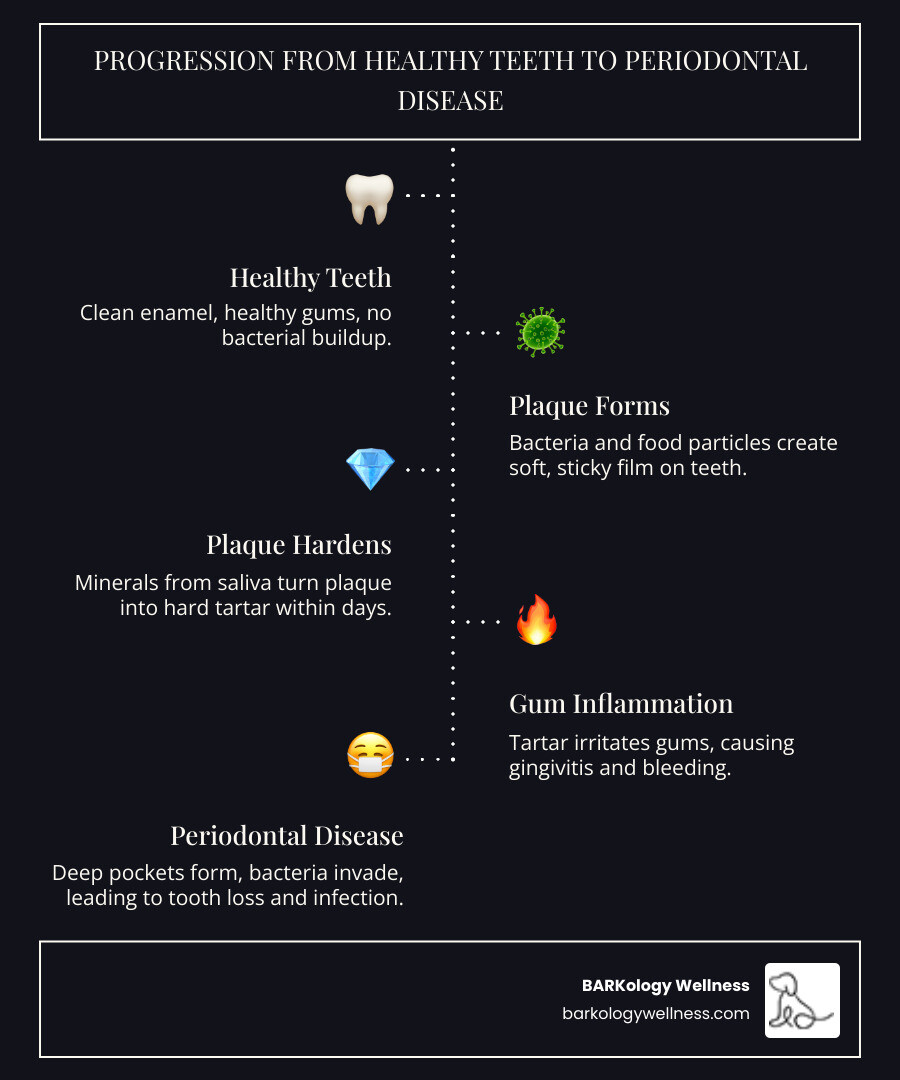
Bad dog breath, known as halitosis, is not a quirk of being a dog. It's almost always caused by bacteria. Those bacteria build up on your dog's teeth and tongue, forming plaque. Over time, plaque hardens into tartar. Tartar creates deep pockets along the gumline where more bacteria thrive, producing the sulfur compounds responsible for that unmistakable odor.
Here's the part that surprises most dog owners: by the time a dog turns three, most already show early signs of periodontal disease. That's not a rare condition, it's the most common dental problem in dogs and cats.
The good news? It's largely preventable.
I'm Nabilah Shamseddine, a wellness entrepreneur and franchise growth specialist with deep roots in health-focused pet care through my work with BARKology Wellness, where fresh breath treatment is just one part of the premium, whole-dog wellness experience we deliver. Let's walk through everything you need to know to keep your dog's breath, and oral health, in great shape.
Fresh breath treatment definitions:
- Aromatherapy for Dogs
- Dog Paw Care
Common Causes of Canine Halitosis
When we talk about a fresh breath treatment, we first have to understand what we are treating. In the vast majority of cases, over 90 percent, bad breath originates directly in the mouth. It isn't just "dog breath"; it is the byproduct of a biological process.
The Role of Bacteria and Sulfur Compounds
The primary culprits are anaerobic bacteria. These microscopic organisms live in the nooks and crannies of your dog's mouth, particularly on the back of the tongue and under the gumline. As these bacteria break down food particles and proteins, they release volatile sulfur compounds (VSCs). If you’ve ever smelled rotten eggs, you’ve smelled sulfur. In a dog's mouth, these compounds create that signature "stink."
Periodontal Disease: The Silent Progression
According to Scientific research on periodontal disease, this condition is the most common clinical ailment in adult pets. It begins with plaque, a sticky film of bacteria. If not removed through a fresh breath treatment like brushing, plaque reacts with minerals in the saliva to form tartar (calculus) within just 48 hours.
Tartar is hard, porous, and provides a perfect "apartment complex" for more bacteria to move into. This leads to gingivitis (red, inflamed gums) and eventually periodontitis, where the bone and supporting structures of the teeth are destroyed.
Dry Mouth (Xerostomia)
Saliva is nature's mouthwash. It contains enzymes that buffer acids and physically wash away debris. When a dog has dry mouth, perhaps due to dehydration, certain medications, or mouth-breathing, bacteria flourish. Without saliva to rinse the mouth, the concentration of foul-smelling compounds increases significantly.
Systemic Health and Internal Issues
While most cases are oral, sometimes the breath is a window into the rest of the body.
- Sweet or Fruity Breath: This can be a sign of diabetes or ketoacidosis.
- Breath that Smells Like Urine: This may indicate kidney issues, as toxins usually filtered by the kidneys build up in the bloodstream.
- Extremely Foul/Rotten Smell: This can sometimes point to liver disease or severe gastrointestinal issues like GERD (acid reflux).
Top Fresh Breath Treatment Options for Your Pet
Maintaining your dog's oral health requires a multi-pronged approach. Think of it like your own dental routine: you brush daily, but you still go to the dentist for a professional cleaning. We believe in providing that same level of "royal treatment" for our furry friends.
Essential Tools for Home Care
- Enzymatic Toothpaste: Never use human toothpaste (which often contains xylitol, a toxin to dogs). Dog-specific pastes contain enzymes like glucose oxidase that chemically break down plaque even if you can't scrub every surface perfectly.
- Dental Chews: High-quality chews are designed to be abrasive. As the dog gnaws, the chew mechanically "scrubs" the tooth surface.
- Probiotic Sprays: Products like Breevelle™ Mint Reset or similar probiotic-powered sprays help balance the oral microbiome. Instead of just masking the smell with mint, they introduce "good" bacteria that crowd out the odor-producing "bad" bacteria.
For those in Tampa or South Tampa looking for a comprehensive solution, our grooming services include teeth cleaning options that help keep your pup smelling fresh between deep veterinary cleanings.
Fresh Breath Treatment Comparison Table
| Feature | Home Brushing | Dental Chews | Professional Cleaning |
|---|---|---|---|
| Frequency | Daily | Daily/Weekly | 1-2 times per year |
| Plaque Removal | High (if consistent) | Moderate | 100% |
| Tartar Removal | Low | Very Low | High |
| Cost | Low | Moderate | High |
| Best For | Prevention | Maintenance | Treatment of existing issues |
Daily Brushing as a Fresh Breath Treatment
Brushing is the "gold standard" of fresh breath treatment. To do it effectively:
- Use a brush with soft bristles or a finger brush.
- Focus on the outside surfaces of the teeth (where the cheeks touch), as this is where most plaque accumulates.
- Use circular motions to stimulate the gums, which increases blood flow and helps fight gingivitis.
- Aim for at least 30 seconds on each side. Even if you can't do it every day, three times a week significantly reduces the risk of periodontal disease.
Water Additives for Fresh Breath Treatment
If your dog views a toothbrush as an enemy combatant, water additives are a fantastic "passive" fresh breath treatment.
- Zinc Solutions: Research shows that regular rinsing with zinc-containing solutions can effectively reduce bad breath for up to 6 months. Zinc neutralizes sulfur compounds instantly.
- Oxygenating Compounds: Ingredients like stabilized chlorine dioxide (OXYD-8) or similar oxygen-based formulas target anaerobic bacteria. Since these bacteria hate oxygen, these additives effectively "suffocate" the source of the smell.
- Saliva Stimulation: Many additives contain citric acid or similar mild stimulants that keep the mouth moist, preventing the dreaded "dry mouth" odors.
Natural and Home Remedies for Fresher Kisses
You don't always need a laboratory to find a fresh breath treatment. Many items in your kitchen can serve as effective, natural breath fresheners for your dog.
Crunchy Fruits and Vegetables
Apples (without seeds or core) and carrots act as natural toothbrushes. Their fibrous texture requires significant chewing, which helps "scrub" the teeth. Furthermore, apples contain polyphenols that can help neutralize the sulfur compounds produced by bacteria.
The Power of Herbs
Adding a bit of fresh greenery to your dog's bowl can work wonders.
- Parsley: Rich in chlorophyll, parsley is a natural deodorizer.
- Mint: Provides an immediate (though temporary) scent boost.
- Basil: Contains antibacterial properties that can help reduce the microbial load in the mouth.
Probiotics and Yogurt
As noted in Scientific research on halitosis diagnosis, an imbalance in the oral microbiome is a leading cause of chronic bad breath. Plain, non-fat yogurt contains active cultures that can help restore balance. In human studies, 80 percent of participants saw a reduction in bad breath after six weeks of daily yogurt consumption; many vets suggest a small spoonful can offer similar benefits for dogs.
Baking Soda and Coconut Oil
- Baking Soda: A mild abrasive that neutralizes acids. You can make a paste with water for a quick "DIY" scrub.
- Coconut Oil: Known for its antimicrobial properties (lauric acid), many dogs love the taste, making it an excellent base for home-made toothpaste.
Dog-Safe Breath-Freshening Herbs List:
- Fresh Parsley (Curly variety is best)
- Peppermint (In very small amounts)
- Ginger (Also helps with digestion/upset stomach)
- Dill (Antimicrobial properties)
Professional Care and When to See a Vet
Sometimes, home remedies and over-the-counter products aren't enough. If your dog's breath remains foul despite your best efforts, it’s time for professional intervention.
Understanding Periodontal Grading
Veterinarians use a scale from 0 to 4 to grade dental disease:
- Grade 0: Healthy teeth and gums.
- Grade 1 (Gingivitis): Redness at the gumline; reversible with a professional cleaning and home care.
- Grade 2 (Early Periodontitis): Up to 25% attachment loss; requires professional deep cleaning.
- Grade 3 (Moderate Periodontitis): 25-50% attachment loss; may require extractions.
- Grade 4 (Advanced Periodontitis): Over 50% attachment loss; severe pain and systemic risk.
The Dangers of Neglect
Ignoring the need for a professional fresh breath treatment can lead to "bacteremia", where bacteria from the mouth enter the bloodstream. This has been linked to:
- Heart Disease: Bacteria can attach to heart valves, causing endocarditis.
- Kidney and Liver Damage: These organs act as filters for the blood; chronic infection in the mouth puts a constant strain on them, leading to organ failure over time.
- Jaw Fractures: Severe bone loss in the jaw can lead to spontaneous fractures, especially in small breeds.
At BARKology Wellness, we emphasize that dental health is a cornerstone of our wellness services. We focus on preventative care that keeps your dog's whole body healthy, not just their teeth.
Frequently Asked Questions about Dog Breath
Why does my dog have bad breath despite chewing bones?
While bones can help scrape some plaque from the tops of the teeth, they often miss the gumline where the real trouble starts. Additionally, some bones can cause microscopic fractures in the enamel, which actually gives bacteria more places to hide. A dedicated fresh breath treatment like brushing is always more effective than chewing alone.
Can I use human mouthwash or toothpaste on my dog?
Absolutely not. Human oral care products often contain Xylitol (a sweetener that is deadly to dogs), high levels of fluoride, or foaming agents like Sodium Lauryl Sulfate (SLS) that can cause severe stomach upset when swallowed. Always use products specifically formulated for canines.
How often should I schedule a professional cleaning?
For most dogs, once a year is the standard recommendation. However, smaller breeds (like Chihuahuas or Yorkies) often have crowded teeth and may require a professional fresh breath treatment every six months to prevent rapid decay.
Conclusion
Your dog's breath is a primary indicator of their overall health. While "puppy breath" is a distant memory for most adult dogs, "garbage breath" shouldn't be the norm. By combining daily home care, a healthy diet, and regular professional checkups, you can ensure those doggie kisses remain a joy rather than a chore.
At BARKology Wellness in Tampa and South Tampa, we believe every dog deserves the royal treatment. Our approach blends science-backed wellness with the luxury care your pet deserves. Whether you're looking for a tailored fresh breath treatment or a full spa day, we are here to help your pup look, feel, and smell their absolute best.
Ready to give your dog the ultimate wellness experience? Check out our memberships for consistent, high-end care that keeps your best friend thriving year-round.